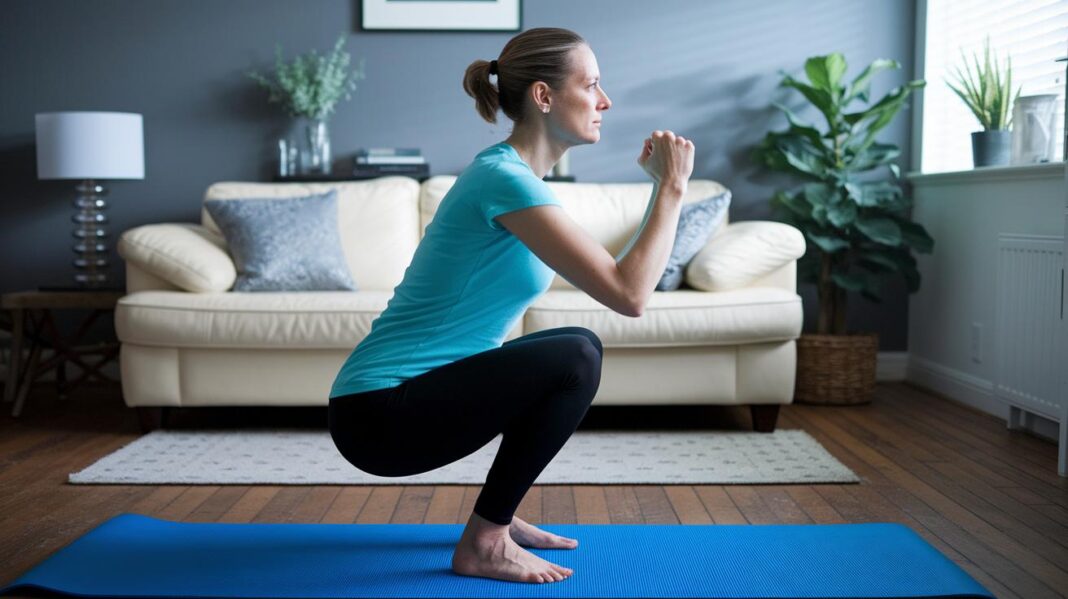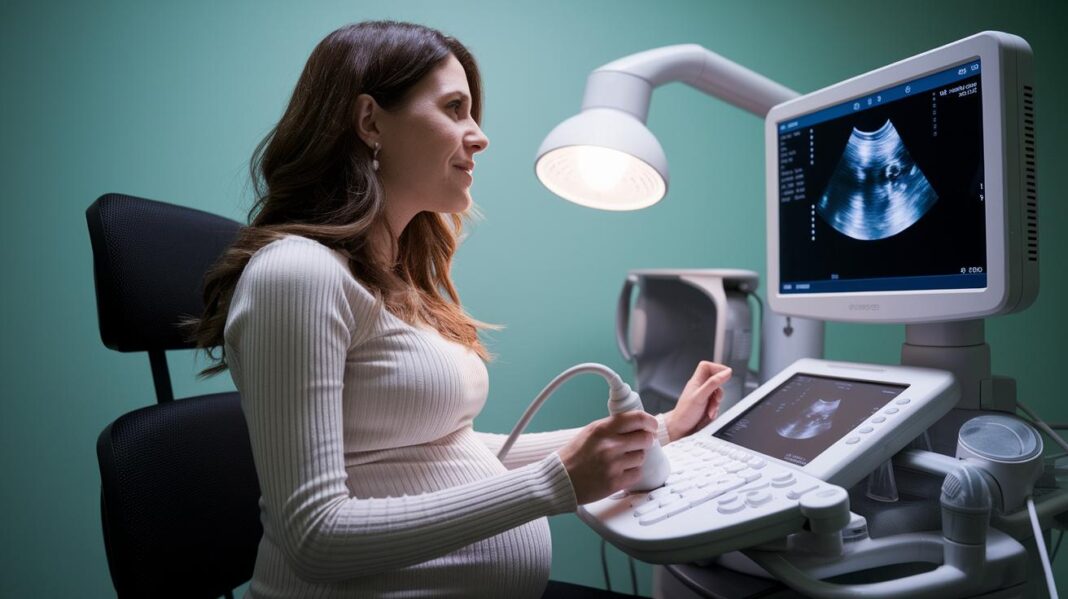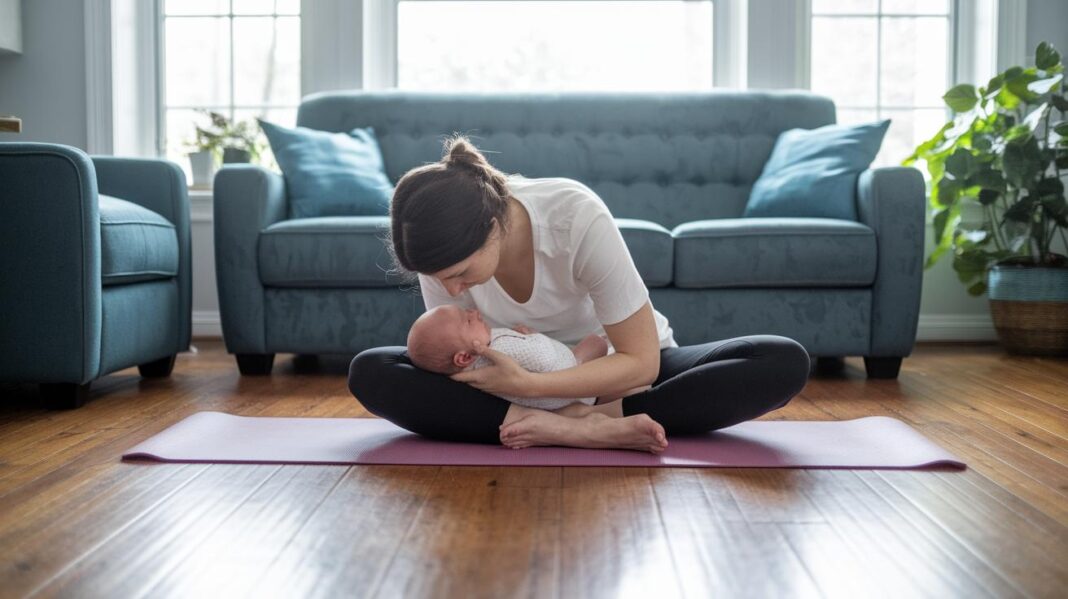
Have you ever wondered if a gentle return to exercise after having your baby might help you feel better? It might sound odd, but even a few small moves can help you rebuild strength and boost your mood.
In this post, we share easy, safe exercises along with tips from moms who have slowly found their way back to movement after delivery. We truly believe that easing into exercise can become a soothing routine, one that cares for both your body and your spirit as you heal.
Safe Start: Essential Postpartum Fitness Tips for a Gradual Recovery
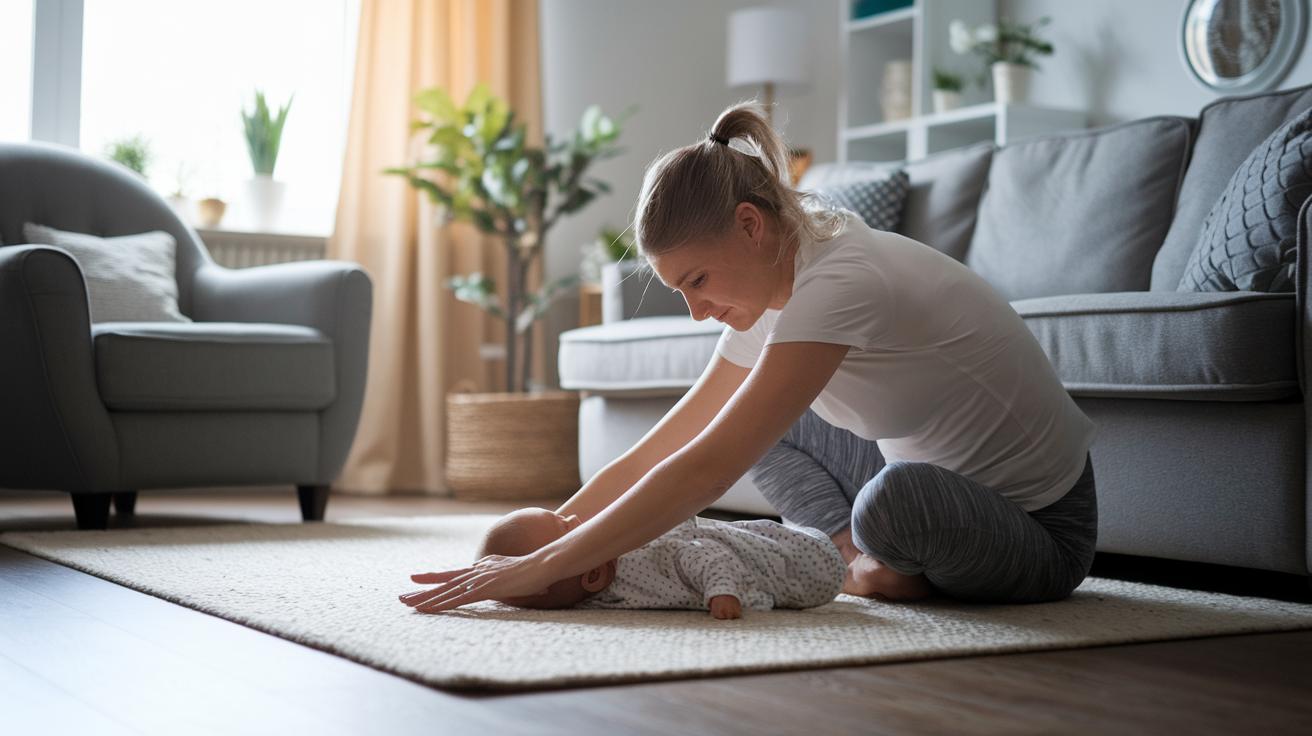
The fourth trimester is a gentle time for your body to heal and slowly get back into movement. It’s like a careful recovery journey where you rebuild your strength bit by bit without pushing too hard. Think of it as a gradual return to activity that feels just right, like easing into a comforting routine.
Before you start any exercise routine, have a quick chat with your healthcare team about your birth and how you’re healing. Getting their okay is really important so you know your body is ready for gentle movement. This advice is a good reminder for all moms, no matter if you had a vaginal delivery or a cesarean, since every recovery is unique.
Taking things slowly can also help lift your spirits. Have you ever noticed how a small change can brighten your day? For a bit more guidance on looking after your mental health during this time, check out our tips on postpartum mental wellness and healing. With each careful step, you can build a simple routine that supports both your physical and emotional well-being.
Core Strengthening Activities and Abdominal Rehabilitation Motions in Postpartum Fitness Tips

If you're ready to rebuild your strength after your baby, start with something gentle. Try taking deep breaths from your belly. This slow, relaxing breathing helps you feel calm and gets your muscles ready for some light work. Many moms begin these soft core moves just 2–4 weeks after childbirth. So, when you lie down, rest one hand on your stomach and notice how it rises and falls, almost like listening to a comforting lullaby.
When you have a sneeze or a cough, it can help to support your tummy by gently holding it. A belly band, used just right, can feel like a soft, protective hug, easy enough to give support without making it hard to breathe. Think of this as a caring reminder to take things slowly and listen to what your body is telling you.
Here are a few easy exercises to try:
| Exercise | How To Do It |
|---|---|
| Pelvic Tilts | Focus on deep belly breaths while gently tilting your pelvis. |
| Modified Crunches | Perform these on a soft, supportive surface. |
| Seated Abdominal Squeezes | Sit comfortably and gently squeeze your tummy muscles. |
| Supine Leg Lifts | Lie on your back, lifting your legs slowly as you exhale. |
| Bridging Exercises | Raise your hips in a smooth, steady motion while keeping your breath even. |
Take your time with each exercise. Keep your breathing steady and your movements gentle. Notice how your body responds, and if something feels uncomfortable, it’s okay to pause or adjust the move. Remember, every small step helps guide you toward feeling stronger and more connected to your body. Enjoy these moments as a time for self-care and healing.
Pelvic Floor Activation Drills and Posture Release Techniques in Postpartum Fitness Tips
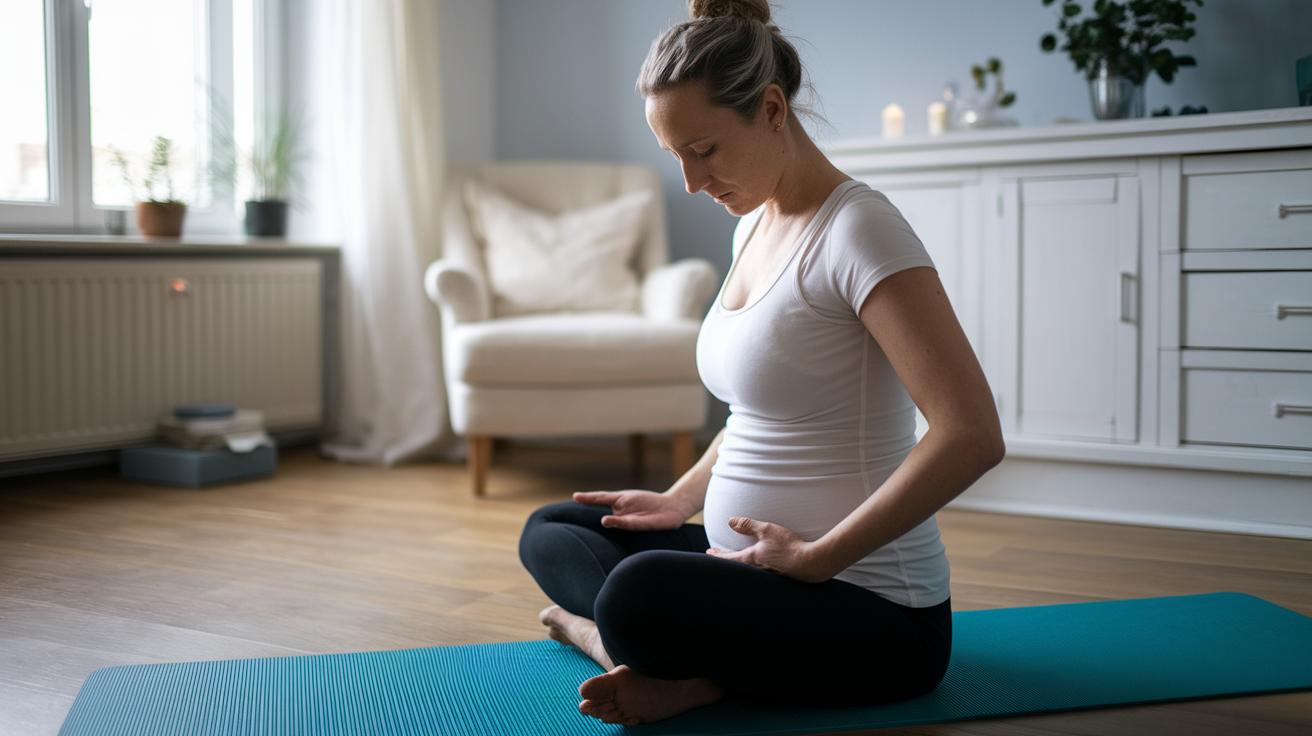
After having your little one, you might notice your posture isn’t quite the same. Sometimes, that extra arch in your back can make your pelvis feel tight and uncomfortable. Gentle pelvic floor activation drills can help ease that tension and support your overall comfort.
A really helpful move is the hip shift. Imagine slowly rotating one side of your pelvis inward while letting the opposite side offer a gentle stretch. It’s like tuning into a soft, new rhythm that helps ease those tight muscles without overdoing it.
Incorporating these gentle drills into your day can make everyday movements feel less strained. Take your time and listen to your body, if something doesn’t feel right, it’s perfectly fine to adjust the movement. Each small, mindful step brings you closer to feeling more secure and cared for on this journey.
postpartum fitness tips: Boost Your Recovery
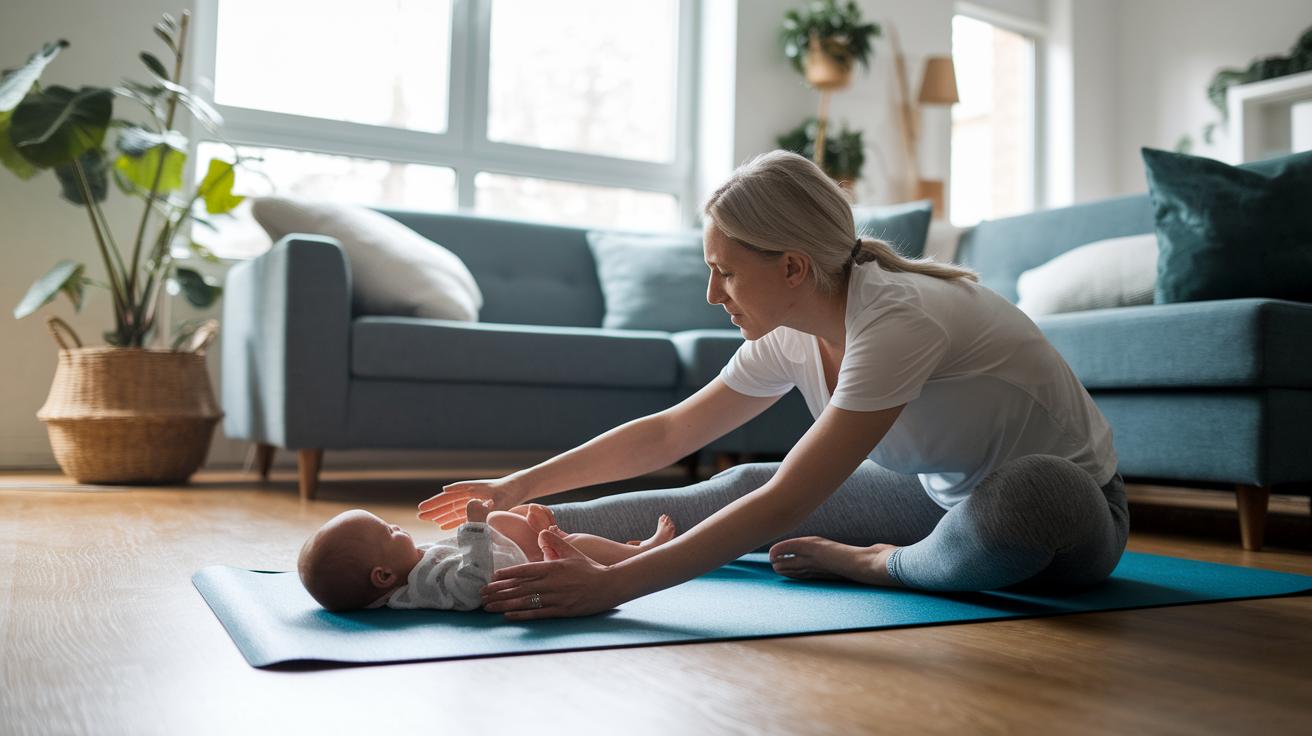
After giving birth, moving gently can ease tightness in your back and hips. Even a few minutes of soft stretching or easy bends every day can help your body feel better, like taking small breaks that slowly bring back your strength.
Short walks are a wonderful way to stay active in the early weeks. Whether you’re pushing a stroller, holding your baby nearby, or just strolling quietly around your neighborhood, these light activities help you recharge without straining your healing muscles. It’s a bit like a refreshing pause that supports your overall care while you recover.
Listen to your body as you settle into a routine. Start with simple movements and let yourself slowly increase activity as you feel ready. Every little step is a kind act for yourself, making your recovery a little smoother and more flexible.
Cardiovascular Boost Sessions: Progressive Walking and Interval Alternatives for Postpartum Fitness Tips
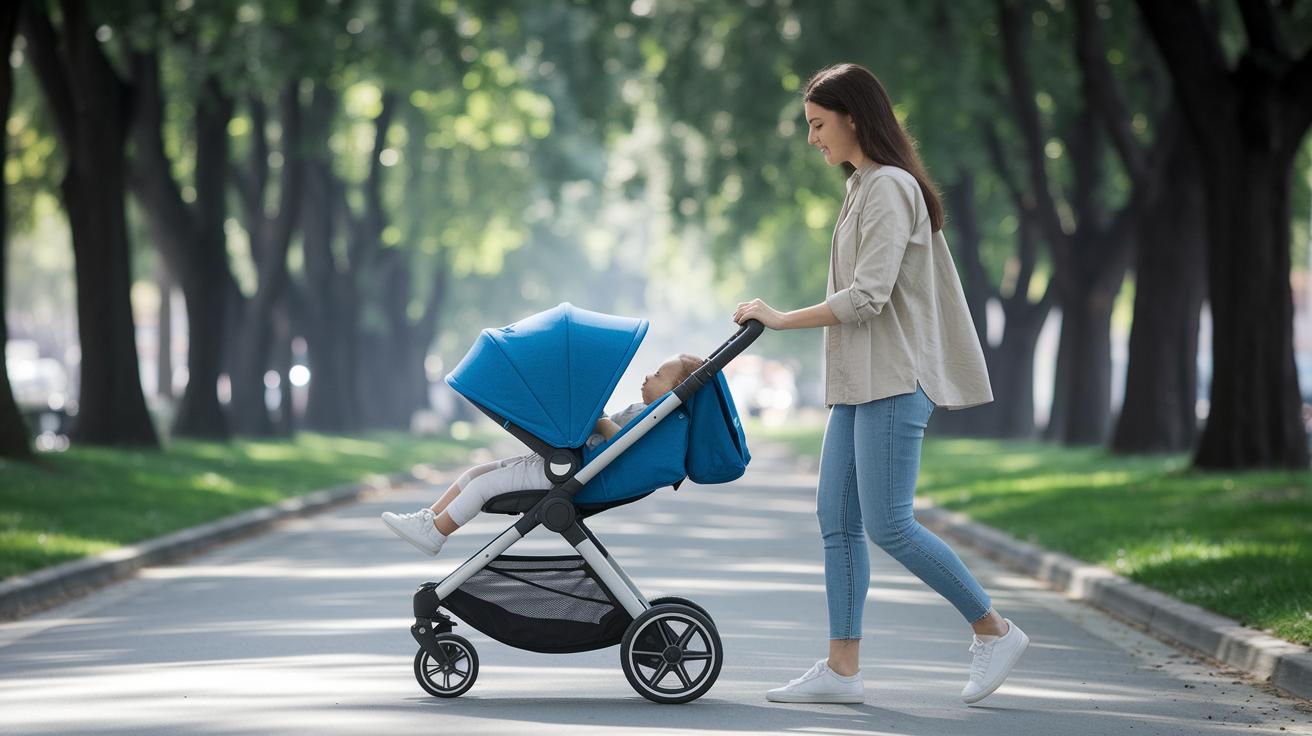
Starting gently after giving birth can make all the difference. Begin with simple walks paired with soft interval routines. These short walks are a great way to lay a safe, steady foundation for your cardio fitness while you care for your healing body. Whether you’re strolling with your little one in a stroller or babywearing, these moves help you ease back into activity without overdoing it.
| Session Type | Duration | Intensity |
|---|---|---|
| Foundational Walk | 10-15 minutes | Low |
| Stroller or Babywearing Intervals | 15-20 minutes | Moderate |
| Progressive Interval Session | 20-30 minutes | Gradually increasing |
Think of these sessions as little building blocks that lead to a more complete workout routine. Adjust your plan based on how you feel each day, and chat with your healthcare provider about any changes you’re considering. Whether your birth was vaginal or cesarean, you can gradually move on to sessions that are a bit more challenging. Trust your body, take it slow, and know that every small step is a kind way to boost your recovery.
Nutritional Support Post-Activity and Hydration Strategies in Postpartum Fitness Tips

After your workout, giving your body a wholesome meal can really help it repair and rebuild. Try to include a mix of fruits, veggies, lean proteins, and whole grains to offer the energy you need to heal. It’s like treating yourself to a comforting dinner after a busy day, it helps soothe tired muscles and refresh your strength.
Staying hydrated is just as key. Drinking water or a gentle electrolyte drink not only lifts your energy but also helps mend your cells. Think of it as a little refreshment that aids your recovery. Together, good food and proper hydration form a perfect team that boosts your performance and supports your body at every step.
Crafting Customized Home-Based Conditioning Plans for Postpartum Fitness Tips
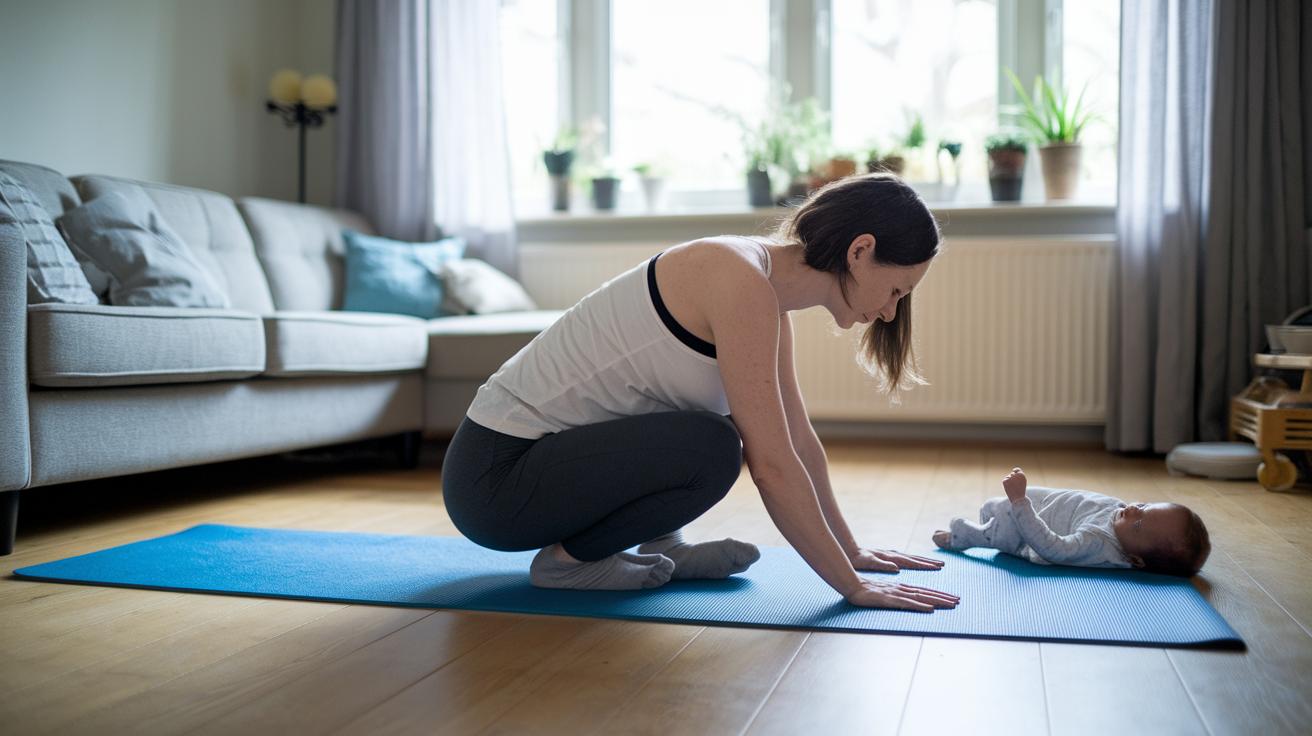
After giving birth, many moms feel like there isn’t enough support around, so having a home program made just for you can really lighten the load. Creating your own fitness plan helps you slowly build back strength while feeling more in control of your recovery. It means you can set up short, regular sessions at home and work at your own pace, no more scrambling for busy gym schedules. It’s a gentle routine that fits smoothly into your day.
Planning your workouts doesn’t have to be complicated. Set aside a few minutes each day for some movement, and think about using a simple phone app to track your progress, set small goals, and celebrate little wins as they come. And sometimes, joining a community of other moms can give you that extra push of encouragement. If you’d like more ideas, check out our postpartum healing plan for busy moms, it’s filled with tips to help you create an easy, effective home workout routine.
Before you get too far along, it’s really important to chat with your healthcare provider. They can guide you based on your own birth and recovery experiences, ensuring you know when it’s safe to try a more active session. Their advice will help you build strength carefully and confidently, so you always feel safe in your steps forward.
Final Words
In the action, this article guides a gentle restart into movement by sharing safe, clear postpartum fitness tips for a smooth recovery. It highlights how to ease back into physical activity steadily, starting with core and pelvic floor exercises, adding mobility work, and incorporating light cardio while keeping nutrition in mind.
Every section encourages gradual progress and careful attention to individual healing. Embrace these postpartum fitness tips to move forward confidently and feel better with every step.
FAQ
What do postpartum fitness tips week by week suggest?
The postpartum fitness tips week by week highlight a gradual approach, starting with gentle movements and slowly progressing to more challenging exercises as your body heals.
When should I start exercise after a normal delivery with stitches?
The guidance on starting exercise after a normal delivery with stitches suggests waiting for your doctor’s approval before beginning any activity, usually after a few weeks once healing is sufficient.
What does postpartum exercise include?
The postpartum exercise guidelines emphasize gentle activities that help rebuild strength, including light walking, stretching, and gradual core and pelvic floor movements to support recovery.
When and how should tummy exercises after birth be started?
The advice on tummy exercises after birth indicates that you should ease into them, often starting a few weeks postpartum, while using gentle core movements to rejoin your deep muscles carefully.
Is it safe to start exercise two weeks postpartum?
The statement on two weeks postpartum exercise recommends discussing with your healthcare provider before starting, as a careful, slow return to activity supports healing and minimizes strain.
How do pelvic floor exercises postpartum work?
The recommendations for pelvic floor exercises postpartum advise gentle activation drills to improve muscle tone and support urinary continence, typically beginning after your initial recovery period with professional guidance.