Have you ever wondered if you can get your strength back after having your baby? It might seem like heavy workouts just aren’t possible right now. But even simple, everyday movements can help you feel stronger.
Think about how lifting your little one or carrying your groceries can be steps toward rebuilding your strength. Each small action can support your body’s healing and give you a boost of confidence.
In this post, we share safe, gentle exercises that help your body recover while making you feel more capable each day. Sometimes it’s the little moves that add up to something really amazing. Let’s take this journey together, one caring, effective step at a time.
Defining Postpartum Functional Fitness: Safe, Targeted Workouts for New Mothers

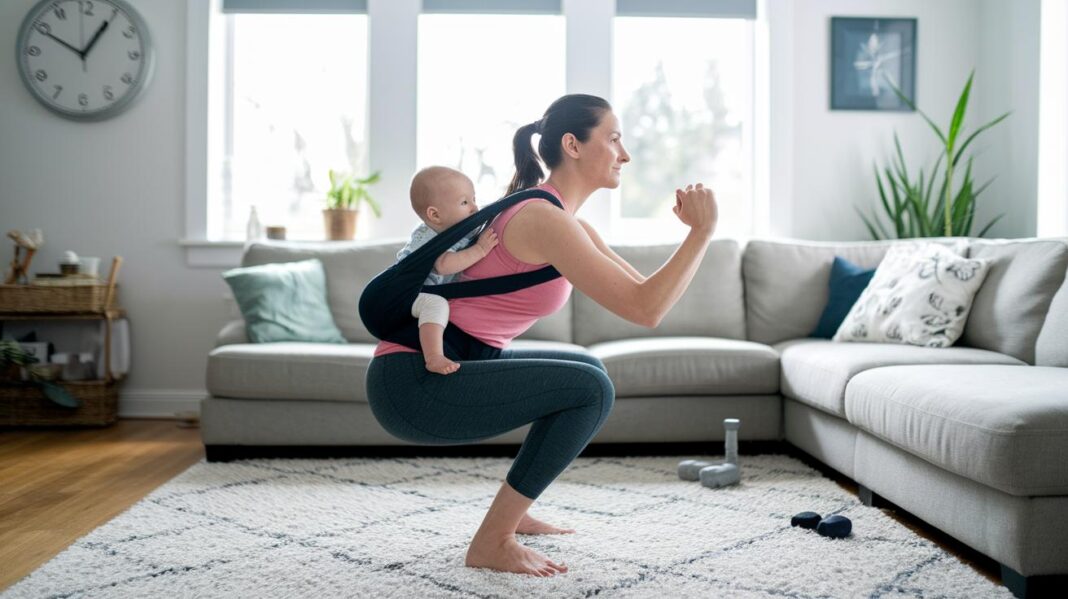
Postpartum functional fitness is all about rebuilding your strength in a gentle way. Think of it as practicing movements that you already do every day, like lifting your little one or pushing your stroller. It’s like doing a gentle squat to simulate the act of picking up your child off the floor, making daily tasks feel easier and reducing the chance of getting hurt.
During pregnancy, muscles like your pelvic floor and deep core stretch a lot. After giving birth, it’s important to slowly bring these muscles back together. Experts suggest waiting at least six weeks before doing most workouts because your body needs time to heal. For moms who had a cesarean, remember that you might need a bit more time. And if you had a vaginal birth, chat with your doctor to make sure your plan is safe.
Starting with low-impact exercises and simple mobility drills is a smart move. These exercises let you ease back into your routine without putting too much strain on healing tissues. Small, controlled movements like gentle Kegels and pelvic tilts help rebuild core strength. Plus, light cardio can warm you up and prepare your body for a few more challenges later on.
By focusing on functional movements, you’re not just strengthening your muscles, you’re also making everyday tasks easier. Imagine the boost of confidence when you can lift your baby comfortably or carry groceries without worry. It really makes a difference in daily life, doesn’t it?
Structuring Your Postnatal Strength Training: A Six-Week Progressive Plan
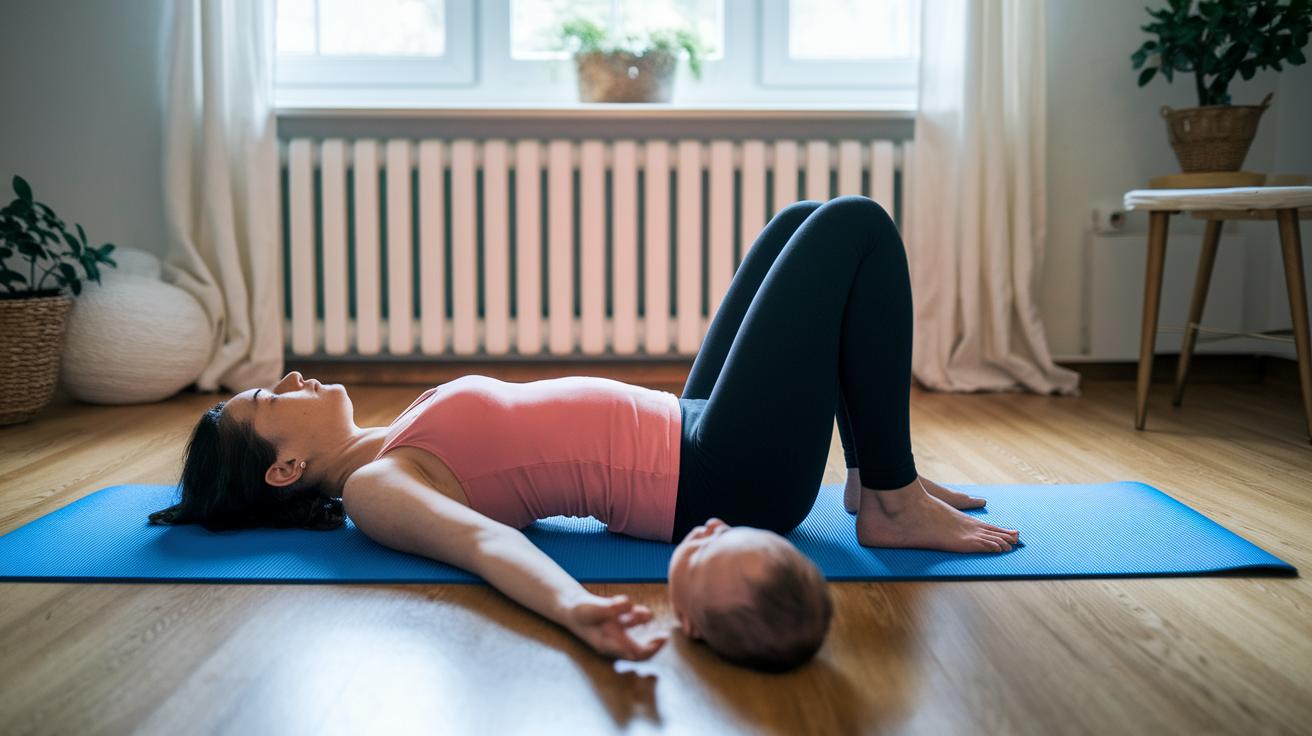
After having your baby, it's important to give your body the gentle care it needs while building back strength. In the first week, focus on resting and taking deep breaths. Spend most of your time relaxing and practicing slow belly breaths to help your body settle after delivery. Think of it as a quiet moment when your body starts to recover.
In week two, start to work on strengthening your pelvic floor. Simple exercises like kegels and gentle pelvic tilts can help wake up those muscles that have been stretched over the months. By week three, you can try adding full-body movements. Try gentle cat-cow stretches and easy walks that let your body move naturally and find its rhythm.
Week four is a great time to focus on activating your deeper core muscles. Work carefully at engaging your middle muscles to bring back your inner stability. Come week five, begin rebuilding your hip strength with moves like glute bridges. These exercises can help make everyday activities, like lifting your baby or bending over, feel more manageable.
By week six, if your doctor has given you the go-ahead, it’s time to bring in everyday movements, such as bodyweight squats that reflect real daily tasks. And if you’re a busy mom looking for more ideas, you might want to check out the postpartum healing plan for busy moms.
| Week | Focus | Example Exercises |
|---|---|---|
| 1 | Rest & Breathing | Deep belly breathing |
| 2 | Pelvic Floor | Kegels, pelvic tilts |
| 3 | Mobility | Cat-cow stretches, gentle walking |
| 4 | Deep Core | Targeted core activation |
| 5 | Hip Strength | Glute bridges |
| 6 | Functional Movement | Bodyweight squats |
Postpartum Functional Fitness: Ignite Your Strength
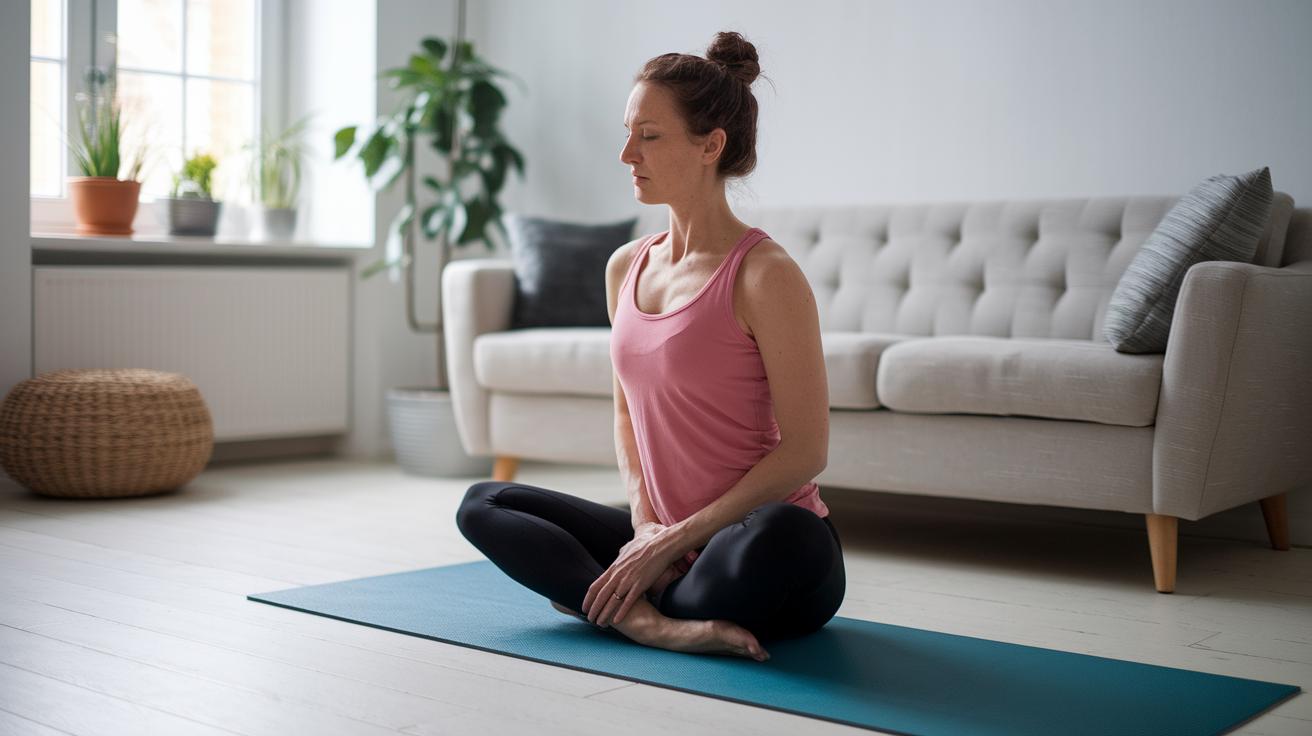
After nine busy months of change, easing back into movement can feel really good. Low impact recovery exercises help you reconnect with your core and pelvic floor (the muscles around your lower belly). They rebuild your strength gently without pushing your healing tissues too hard. And hey, each little movement can make daily tasks, like lifting, carrying, or even a simple walk, more comfortable.
Here’s a list of safe, low impact exercises with easy tips on how to do them:
- Pelvic tilts – Gently arch and then flatten your back to help loosen up your spine.
- Kegel pulses – Squeeze your pelvic muscles in short bursts to wake up your pelvic floor.
- Glute bridges – Slowly lift your hips to work both your glutes and core with care.
- Bird-dogs – Extend opposite arms and legs to help build a stable core.
- Seated marching – While sitting, lift one foot at a time to gently work your hip flexors.
- Diaphragmatic breathing – Focus on deep, slow breaths to support your deep core muscles.
These moves are meant to be done slowly and mindfully. Every small step counts as you rebuild your strength, helping you ease back into the activities you love.
Integrating Postpartum Cardio Sessions & Conditioning Workouts

When you get your six-week clearance, start adding simple, low-impact cardio like walking or cruising on a bike. This gentle activity boosts blood flow and lifts your energy, all while warming your body for strength work. Even a brief, mindful session can help you ease back into your new routine.
Sample Low Impact Cardio Session
Imagine setting aside 20 minutes for a walk with some gentle ups and downs. Begin with a five-minute warm-up at a calm pace, focusing on deep belly breathing to wake your muscles. Then, pick up the pace just a little while tackling a slight hill, which helps your legs work steadily without too much strain. Keep this rhythmic pace for about ten minutes. Finally, find a flat path to slow down with a five-minute cool-down. During that cool-down, practice controlled breathing to help lower your heart rate and settle your body. Fun fact: A brisk walk can lift your mood almost right away!
Structuring a Postnatal Conditioning Circuit
Think of creating a three-round circuit that mirrors everyday movements. In each round, try bodyweight squats to rebuild leg strength, step-back exercises for better balance, and seated rows using a band to boost your upper body. Between each round, enjoy a one-minute walk to keep your heart active while you catch your breath. This simple circuit turns everyday actions into a safe, complete workout that supports your daily tasks, like carrying groceries or keeping up with your little one. Every rep plays a part in making you feel strong and supported.
Nutrition & Hydration Strategies to Support Postpartum Functional Fitness
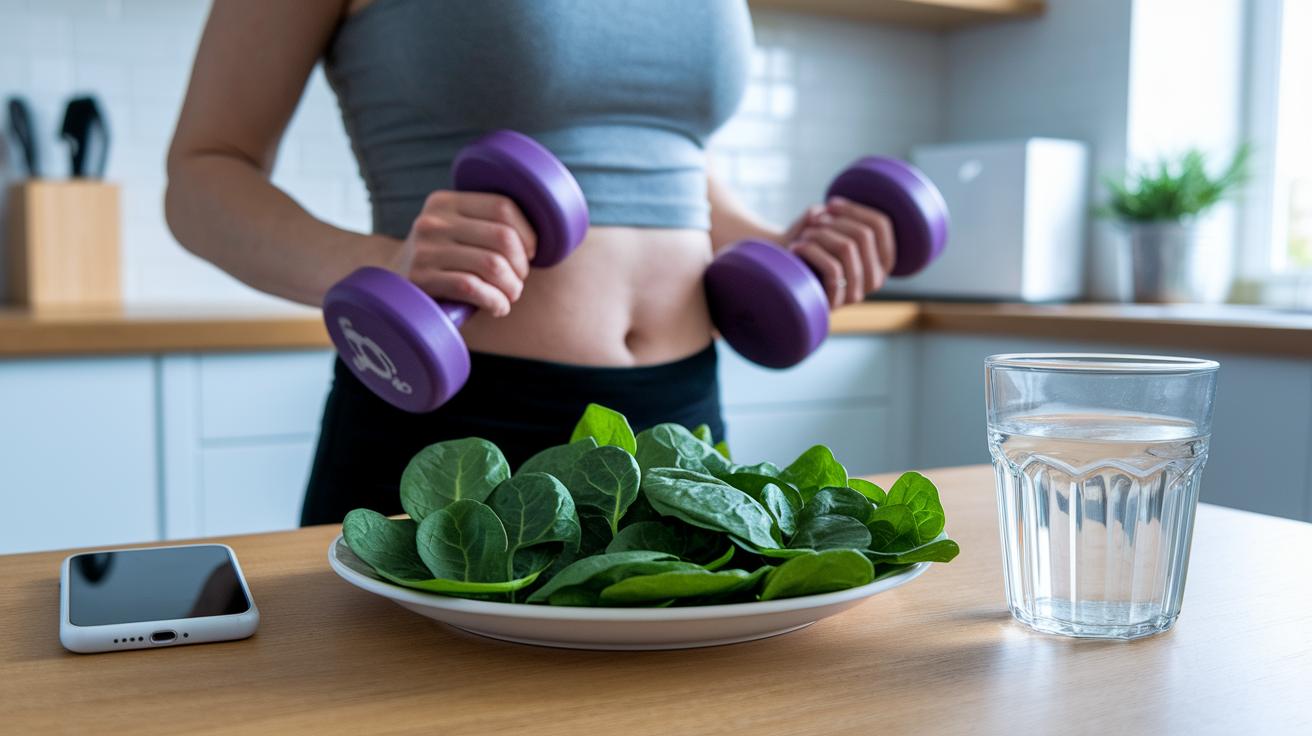
Good nutrition is a big helper in your recovery and in building strength after having your baby. When you get enough protein (about 1.1 g per kg of body weight), it helps repair those muscles while you stick to your postpartum workout routines. Try to enjoy foods high in iron, like lean red meat or spinach, to keep postpartum anemia at bay, and remember to include calcium and vitamin D (which help your bones) during your strengthening exercises.
Staying well-hydrated is just as important. Imagine yourself taking a refreshing sip of water between sets of postpartum exercises, each gulp helping to keep every cell in your body active and nourished. Pairing carbs with protein within 45 minutes after exercising can speed up your recovery, think of it like having a neat little snack of whole-grain toast with avocado and egg after your workout.
For managing post-baby weight and boosting your body’s recovery, try to balance your meals with lean proteins, healthy fats, and whole foods. These tips can turn into a mindful meal routine that energizes your body for every movement, whether it’s gentle stretching or more demanding strength work.
Tracking Progress & Real-Life Success Indicators in Postpartum Functional Fitness

When you're getting back into your groove after having a baby, it’s important to notice the little signals your body sends you. Think about it like this: when you can lift your baby a bit more easily or push the stroller up a ramp without feeling sore, you're really moving forward.
Maybe try keeping a simple journal. After each workout or even on a quiet day, jot down how you felt, your energy level, any pain or stiffness, and how easy your daily tasks are. This friendly log is as valuable as any numbers you measure. It might look something like this:
| What You Note | What It Means |
|---|---|
| How far you can move freely | Better range of motion |
| Feeling less pain during simple activities | Lower discomfort |
| Your energy during tasks | Improved endurance |
Real moms have found that watching these small signs adds up over time and really boosts confidence. Don’t you think it’s reassuring to see those little improvements day by day? Even the tiniest win can give you the push you need to keep building strength and enjoy your routines with a bit more ease and comfort.
Final Words
In the action, we reviewed safe, targeted workouts that rebuild daily strength and support recovery after birth. We shared a six-week plan with gentle exercises for your core, pelvic floor, and overall mobility. We also touched on smart nutrition tips and ways to track everyday improvements. Every small step adds up, bringing comfort and confidence. Keep moving forward and celebrating progress, knowing that each effort builds a strong foundation in your postpartum functional fitness.