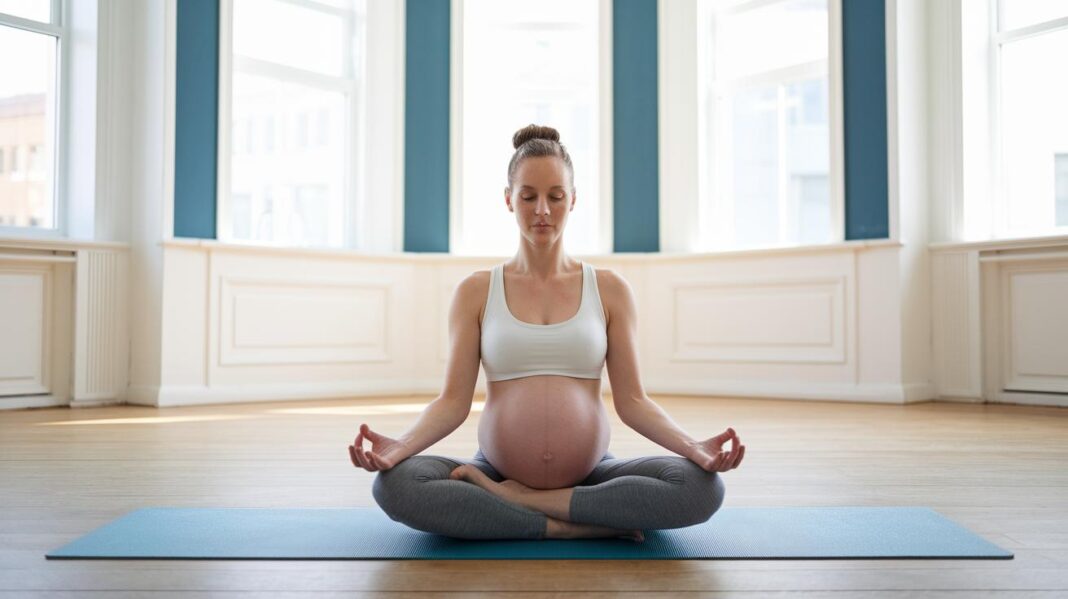
Have you ever thought that your home might be the secret to a smoother recovery after having your baby? Many moms find comfort in gentle routines and familiar spaces that feel like a warm hug. After your little one arrives, even small moments of self-care add up. A few peaceful minutes checking in with yourself or a short, soft walk outside can lift your mood and soothe your body. In this post, I'll share some easy tips and genuine ideas to help you gently regain your strength and sense of calm right at home.
Key Pillars of Postpartum Healing at Home

After your baby is born, the next 12 weeks, often called the fourth trimester, can bring lots of changes to your body, emotions, and daily routine. Many moms notice a bit of recovery around 6-8 weeks, but some parts may take months or even up to a year to feel fully better. It’s surprising how much time our bodies need to heal, even after a routine birth. This time is best spent gently caring for yourself with little routines, soft exercises, and honest check-ins with your feelings.
Healing at home means getting ready for both the expected and unexpected moments. Imagine setting aside a few minutes each day for a peaceful meditation or preparing a warm, nourishing meal, it really makes a difference. Step by step, managing little aches and planning small changes in your nutrition can help you regain your strength. Picture each week as a new milestone, whether it’s a short walk around the block or simply soaking in a quiet moment just for you. This gentle roadmap is here to support you as you care for your body, heart, and well-being.
Physical Recovery Strategies for Postpartum Healing at Home
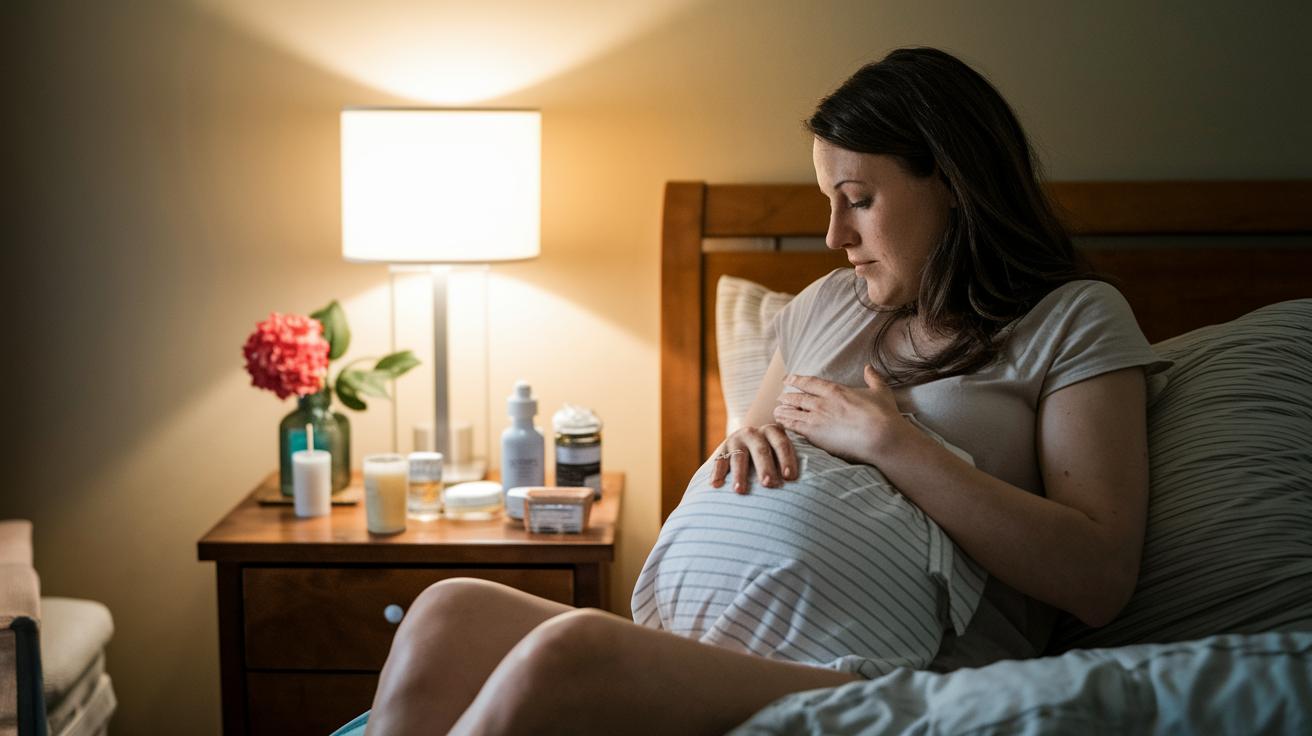
For new moms, having a ready recovery kit can make a big difference. When all your essentials are close by, you can focus on healing instead of scrambling for makeshift solutions. It’s like having a little helper that eases your day just when you need it most.
Pain management is a big part of feeling better. Many moms mix their doctor-prescribed meds with everyday options such as ibuprofen or acetaminophen. Using simple fixes, like an ice pack to ease swelling or a heating pad to soothe cramps, can really help smooth out your day during this busy phase.
- Peri rinse bottle (for gentle cleansing)
- Sitz bath kit (to ease discomfort)
- Perineal spray (for calming relief)
- Supportive underwear (providing extra comfort)
- Menstrual pads (ensuring you stay dry)
- Disposable undergarments (offering convenience)
- Stool softeners (to make bowel movements easier)
- Witch hazel spray (to calm inflammation and itching)
Taking care of your incision scars or episiotomy sites is also very important. Keeping those areas clean with warm water and mild soap can really help. If you’re healing from a cesarean, wearing fresh, loose clothing can reduce irritation and make you feel more at ease. And if you spot any unusual swelling or redness, it might be time to check in with your healthcare provider. A little natural aid like witch hazel spray can soothe any discomfort, too. By blending these easy tips with a caring mindset, you create a supportive space that helps you heal gracefully at home.
Nutrition and Hydration for Postpartum Healing at Home

Taking care of your body after childbirth is really important. Eating healthy meals and drinking enough water can help you feel stronger and heal faster. When you pack your plate with lean protein, iron, vitamin C, and healthy fats, you’re giving your body the support it needs to rebuild and keep your hormones happy. Picture a meal that not only fills you up but also helps your body recover, like a colorful salad full of fresh greens and crunchy nuts.
| Nutrient | Role in Healing | Food Sources |
|---|---|---|
| Lean Protein | Helps rebuild muscles | Chicken, tofu, fish |
| Iron | Fights anemia | Spinach, red meat, legumes |
| Vitamin C | Supports collagen (skin and tissue) formation | Citrus fruits, bell peppers |
| Healthy Fats | Keeps hormones balanced | Avocado, nuts, olive oil |
Sometimes, just taking a few minutes each day to plan a quick, healthy meal can make a big difference. And hey, don’t forget to stay hydrated, a nice glass of water or herbal tea while you cook can really lift your recovery mood.
Gentle Exercise and Pelvic Floor Strengthening in Postpartum Healing at Home
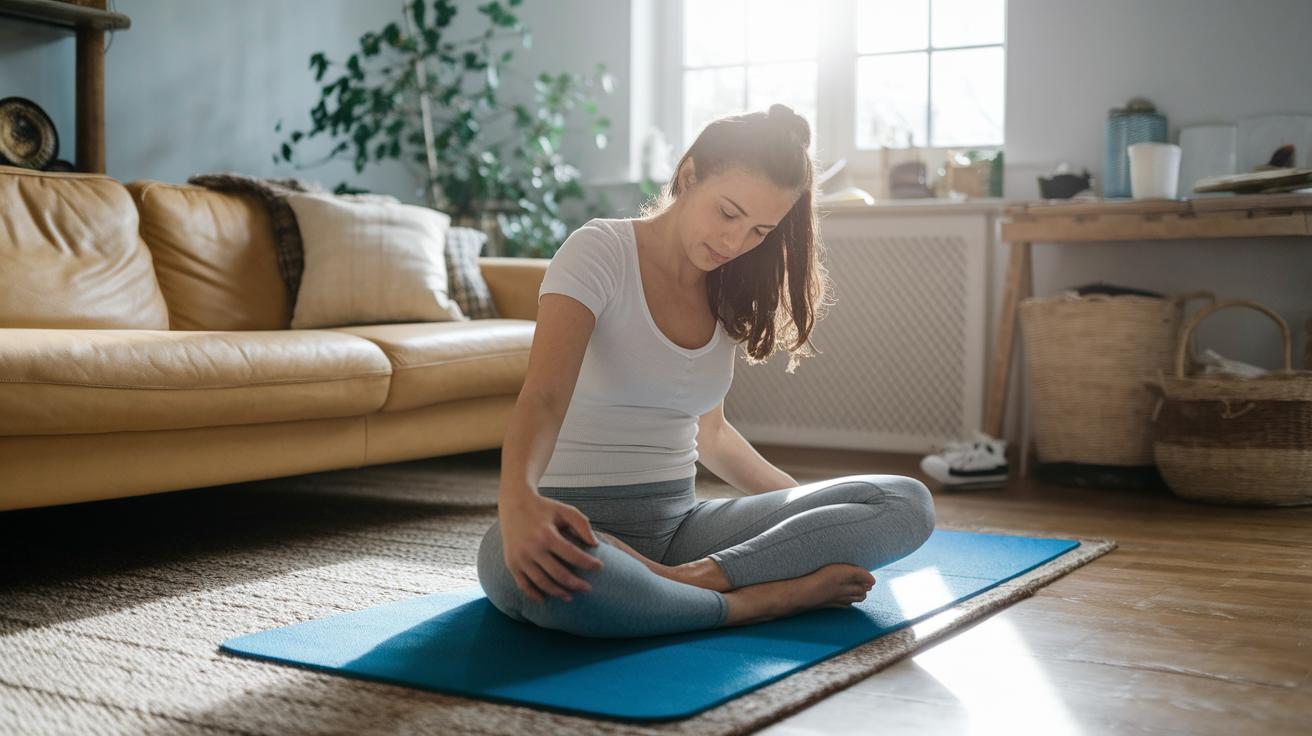
Moving your body gently is one of the kindest ways to help yourself heal after giving birth. Slow movement boosts blood flow, eases stiffness, and even builds up your core strength. It’s a simple reminder to take things easy and let your body relax during recovery.
Pelvic Floor Exercises
Pelvic floor exercises, often called Kegels, work on the muscles that really matter. To do a Kegel, just imagine you’re trying to stop the flow of urine and hold that squeeze for about 10 seconds. Then, relax and repeat this 3 or 4 times a day. It’s a straightforward way to build strength and help prevent any leakage, keeping your core feeling supported as you get better.
Postnatal Stretching Routines
Try out five easy stretches that focus on your hips, back, and shoulders. For instance, a hip opener can gently stretch the muscles around your pelvis, while a soft back stretch helps ease any built-up tension. Holding each stretch for 15 to 30 seconds can improve blood flow and make your everyday movements feel more comfortable.
Gradual Walking and Mobility Improvement
Begin with a short walk, about 5 to 10 minutes a day, and slowly add a few extra minutes each week. You can also try gentle seated movements to boost blood flow without overdoing it. These small steps are a safe way to build up your endurance and help you move more easily as you recover.
Emotional and Mental Recuperation for Postpartum Healing at Home

After having a baby, it's totally normal to feel a jumble of emotions as you adjust to your new life. Some days might feel a bit heavy, while other times bring a sweet sense of calm. It really helps to recognize these ups and downs and give yourself some time to slow down and rest.
Taking a few mindful moments can make a big difference. Simple practices like gentle yoga or a quiet breathing exercise can ease your mind and help lift your mood. Have you ever noticed how a tiny break can brighten your whole day? Even little steps toward calmness might boost your energy and make you feel more like yourself.
Here are some ideas to try:
- Gentle yoga sessions
- Writing down your thoughts in a journal
- Practicing 4-7-8 breathing (a calming way to breathe)
- Listening to guided meditations
- Joining a support group
- Keeping a gratitude journal
- Chatting with a professional counselor
- Being kind to yourself
If your mood changes worry you or if those low feelings stick around, it could be helpful to talk to someone you trust. For more advice on handling postpartum mood swings, you can visit https://womensconference.org?p=13728. Remember, reaching out for help is a brave step and a gentle way to care for both you and your baby.
Sleep and Stress Relief in Postpartum Healing at Home

You know the saying, "rest when the baby rests"? It really works for resetting your sleep cycle after giving birth. Try to keep your sleep schedule flexible so you can catch the rest you need. Even a quick nap when your little one dozes off can make a big difference in how you feel.
Taking a few slow, mindful breaths or doing a short guided meditation can help calm your mind and balance your hormones. Just a few minutes of focused breathing can lower your stress by reducing cortisol. Imagine pausing your busy day, sitting quietly, and feeling a gentle wave of calm spread through you.
Sharing nighttime duties with your partner can also help you get more uninterrupted sleep. When you take turns with tasks like late-night feedings or soothing, it gives you a chance to really catch up on rest. This simple act of sharing not only improves your sleep but also lightens the load during postpartum recovery.
Creating a Healing Environment at Home for Postpartum Recovery

Setting up a cozy space for healing can truly make your recovery a bit easier. Start by gathering simple comforts like loose clothing and extra pillows to help you feel relaxed during those long days. Picture yourself in a soft robe, nestled among cushions, enjoying a quiet, precious moment just for you.
It’s not just about comfort, it's about taking care of your body too. For example, using a bidet attachment and fragrance-free laundry detergent can help soothe sensitive areas (areas that might get irritated). Every little detail, whether it's a gentle fabric or a mindful cleaning choice, comes together to build a calming environment that supports your healing.
Imagine your home designed with calm in mind, easing both body and spirit. A tidy space with soft lighting and gentle scents sets a perfect mood for relaxation. Think about carving out a small corner as your very own sanctuary, where every item is chosen with your well-being in mind. This simple, peaceful setup not only eases daily stress but also creates a warm, loving backdrop for your postpartum recovery. Let this nurturing space fill you with hope.
Postpartum Healing at Home: Timeline and When to Seek Help
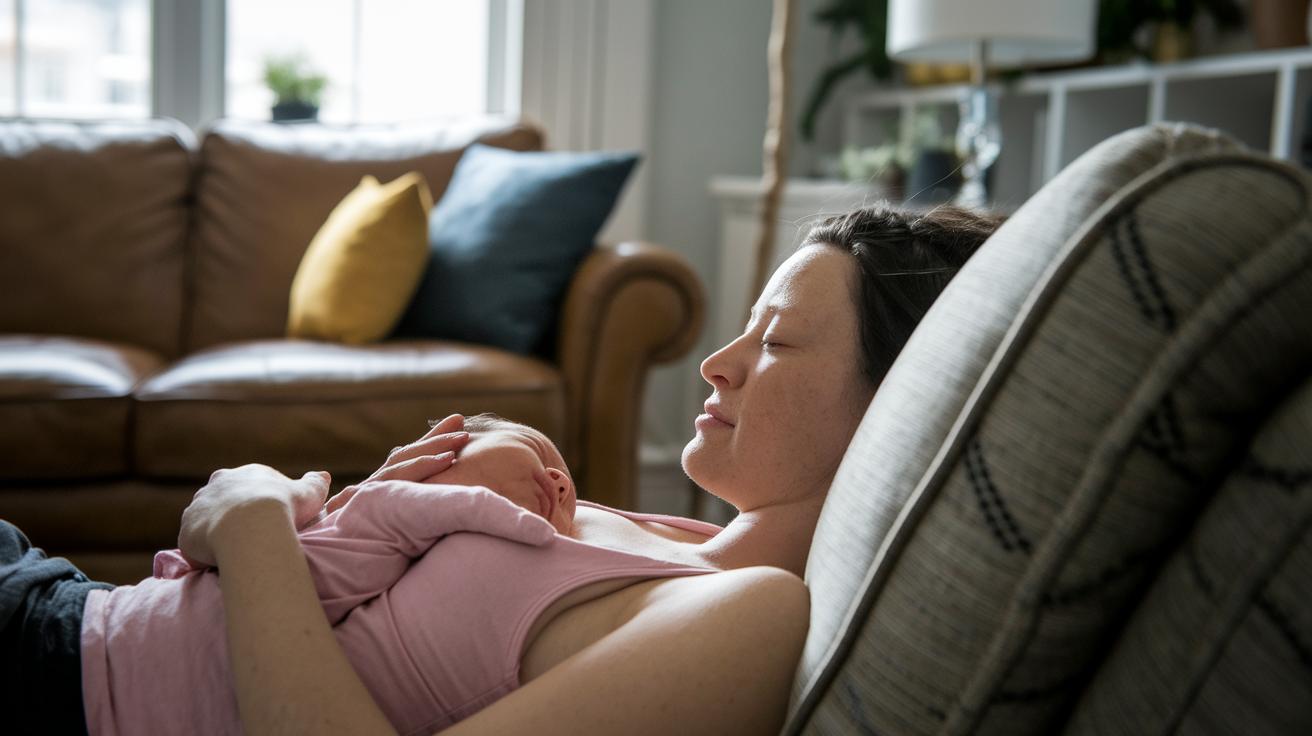
Recovering after your baby arrives is a unique journey, and it takes time for your body to heal while adjusting to all the new changes. Paying attention to how you’re doing and knowing when to ask for help can make a big difference.
Weeks 1–2
Right after birth, your body goes through many changes. You might feel soreness near your perineum, and you may notice some bleeding as your body cleans itself. It’s a good idea to move around gently when you can, but rest is just as important. Keep an eye out for very heavy bleeding, a fever that won’t go away, or pain that seems to be getting worse. If you notice any of these signs, reach out to your doctor right away.
Week 3
By the third week, you might notice changes in your mood, like feeling more emotional or easily overwhelmed. This is a normal part of recovery, so it can help to talk about your feelings with someone who understands you. Continue with gentle pelvic floor exercises and light stretches to build up your strength little by little. And try to arrange your day so that you can take even short, relaxing breaks to rest.
Week 6 and Beyond
Around six weeks after giving birth, it’s time for your postpartum checkup. During this visit, your doctor will look at how you’re healing, help with any breastfeeding questions, and discuss any ongoing concerns. Remember, complete recovery can take anywhere from 6–8 weeks up to a year, depending on a few factors. Use this time to plan gentle self-care and stay aware of any changes in your body or mood.
Final Words
In the action of exploring physical recovery, nutrition, gentle exercises, emotional well-being, good sleep, and a soothing home setup, the article reminded us that mindful care supports healing. Each small step, from preparing a postpartum kit to planning healthy meals, brings relief and strength. Using clear timelines, the guide shows that every moment of postpartum healing at home matters. Keep embracing these practical tips, and trust that your care builds a positive, nurturing path forward.
FAQ
What does postpartum care for the mother include?
Postpartum care for the mother includes rest, nutrition, gentle exercise, and proper hygiene to support both physical and emotional healing after childbirth.
How should I care for and tighten my vaginal area after birth?
Caring for your vaginal area after birth means using gentle cleansing methods like sitz baths and perineal sprays, along with pelvic floor exercises such as Kegels to naturally improve tone.
What are effective postpartum recovery tips and methods to reduce body pain after delivery?
Effective recovery tips include taking prescribed or OTC pain relievers, using ice packs or heating pads for cramps, and assembling a postpartum kit with essentials to safely manage discomfort.
What should I avoid doing after giving birth?
After giving birth, you should avoid heavy lifting, strenuous exercise, and neglecting rest. Following your provider’s guidelines helps prevent complications and supports a smooth recovery.
How long does it take for the body and uterus to return to normal after birth?
Your body usually starts healing within 6–8 weeks, though full recovery may take months to a year. The uterus generally heals over a few weeks, varying with individual health and delivery type.
How can I speed up healing and heal stitches naturally after giving birth?
Speeding up healing naturally involves good nutrition, gentle care with natural aids, proper rest, and following your doctor’s advice, which all help promote tissue repair and reduce discomfort.
What is the 5 5 5 rule in postpartum care?
The 5 5 5 rule means spending 5 days in bed, 5 days on the bed, and 5 days around the bed, which allows for uninterrupted rest to support the body’s recovery after childbirth.