

Ever feel a bit lost thinking about how you'll bounce back after your baby arrives? Many moms wonder if small changes in everyday routines can really help you heal faster. Taking care of yourself after childbirth means looking after both your body and your mind with simple actions that ease discomfort and brighten your day. Our guide shares easy tips to offer you support and comfort, showing that every little step matters on the way to a happy, healthy recovery.
Key Postpartum Healing Lifestyle Changes for Effective Recovery
After childbirth, a new chapter begins, often called the fourth trimester. Right after giving birth, many moms notice some physical discomfort like pain and bleeding, and they might feel a little off emotionally too. Usually, about six weeks later, you’ll visit your doctor to see how you’re healing and bring up any little concerns.
Recovery isn’t a race, it can take anywhere from a few months to even a year. Your unique journey depends on your hormones, genetics, and everyday routines. Having a helping hand from family, whether it’s your partner, older kids, or a friend, can really lift some of the weight off your shoulders, making this transition feel less lonely.
Here are some gentle, everyday lifestyle ideas that can nurture your recovery:
- Structured Rest: Try the 5-5-5 rule, start with five days resting in bed, then five days staying close to bed while moving a bit, and finally, five days slowly getting more active around the house.
- Family Help: Let your loved ones take on some chores so you can focus on healing.
- Hydration: Aim for about eight cups of water a day to stay refreshed.
- Pelvic-Floor Exercises: Begin gentle exercises to support your core strength (always check with your doctor first).
- Nutrient-Rich Meals: Enjoy foods full of lean proteins, vitamins, and minerals to help fuel you.
- Gentle Movement: Short walks can boost your circulation and energy.
- Mental Check-Ins: Take a few moments every day to acknowledge your feelings and adjust as needed.
- Realistic Goals: Set small, achievable milestones so you can see progress without feeling overwhelmed.
Every little change matters. It might seem like you’re taking baby steps, but each one builds a kinder, more nurturing space for both your body and your heart. Have you ever noticed how a simple change in routine can lighten your day? By giving yourself the care you deserve, you create a gentle environment that supports every part of your recovery.
Nutrition and Hydration Essentials for Postpartum Healing
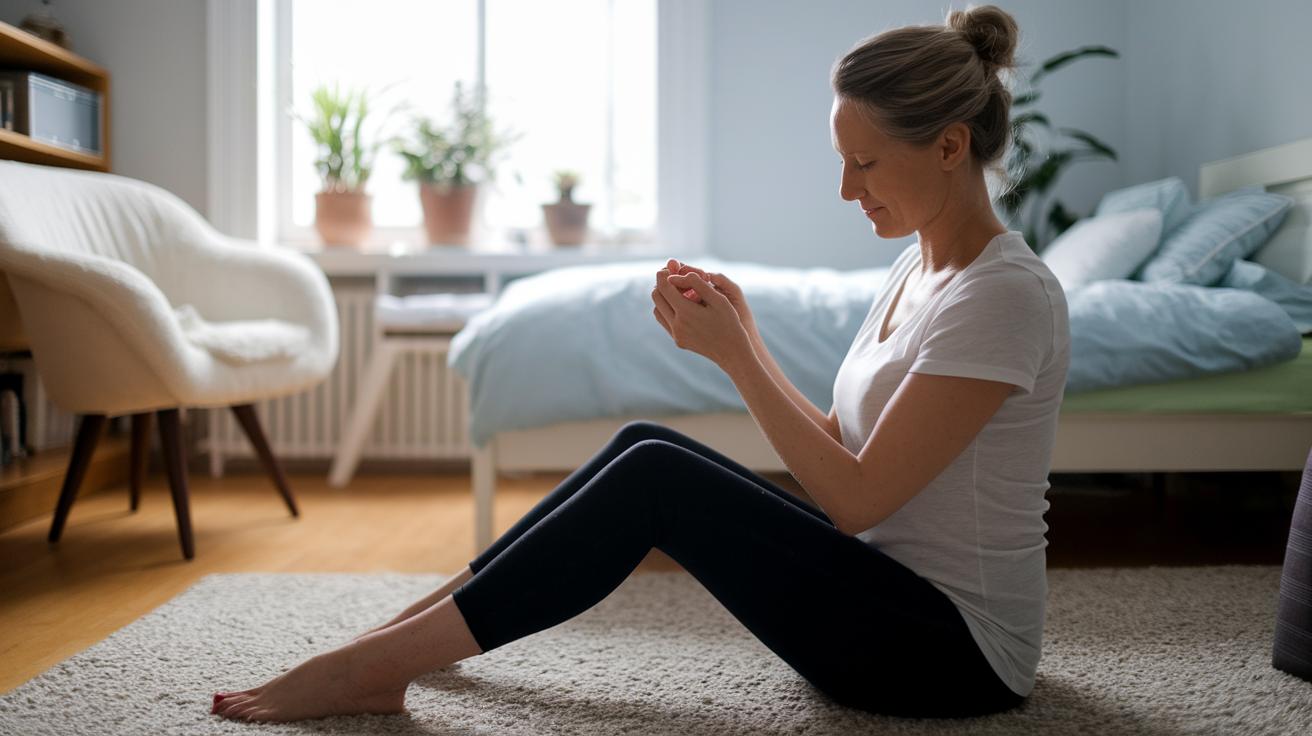
After your baby arrives, your body needs the right fuel to heal. Eating lean proteins along with plenty of fruits and vegetables gives you important vitamins like A, C, and D, plus minerals such as iron and calcium. These nutrients help your body repair tissue, support milk production, and speed up your recovery.
Drinking enough water is just as important. Aim for eight or more cups a day to help your body renew itself and repair tissues. Sometimes adding a slice of lemon, a few berries, or a bit of cucumber can make your water taste even better. Herbal teas work well too, they warm you up and give you a little antioxidant boost.
For simple meal planning, try mixing foods that boost your immune system and help keep your tummy happy. In the morning, a smoothie with yogurt, berries, and a sprinkle of oats can set a pleasant tone for your day. At lunchtime, a salad with leafy greens and lean protein can refresh your energy. For dinner, opt for lean meats paired with steamed vegetables. And between meals, enjoy a small snack like hummus with carrot sticks or a handful of nuts to keep you nourished and on track with your healing journey.
Gentle Exercise Strategies in Your Postpartum Healing Journey
Start with simple pelvic-floor exercises to lay the groundwork for your recovery. Even if you're still in bed, try a few gentle contractions and releases while taking slow, deep breaths. Imagine inhaling deeply as you tighten your muscles and exhaling while you relax. This steady approach helps build strength and stability at your own pace.
Next, add some low-impact cardio to boost your circulation and brighten your mood. A short walk or 10–15 minutes on a stationary bike, done twice a day, can gently wake your body up. It's like that first burst of fresh morning air that makes you feel renewed and ready for the day.
Finally, include a few gentle yoga poses to bring extra calm and support to your healing process. Poses such as Cat-Cow and Child’s Pose help restore core strength and ease hip tension. These slow, flowing movements let you stretch and strengthen naturally, guiding you through your postpartum journey with care.
Stress Management and Mental Health Support in Postpartum Healing
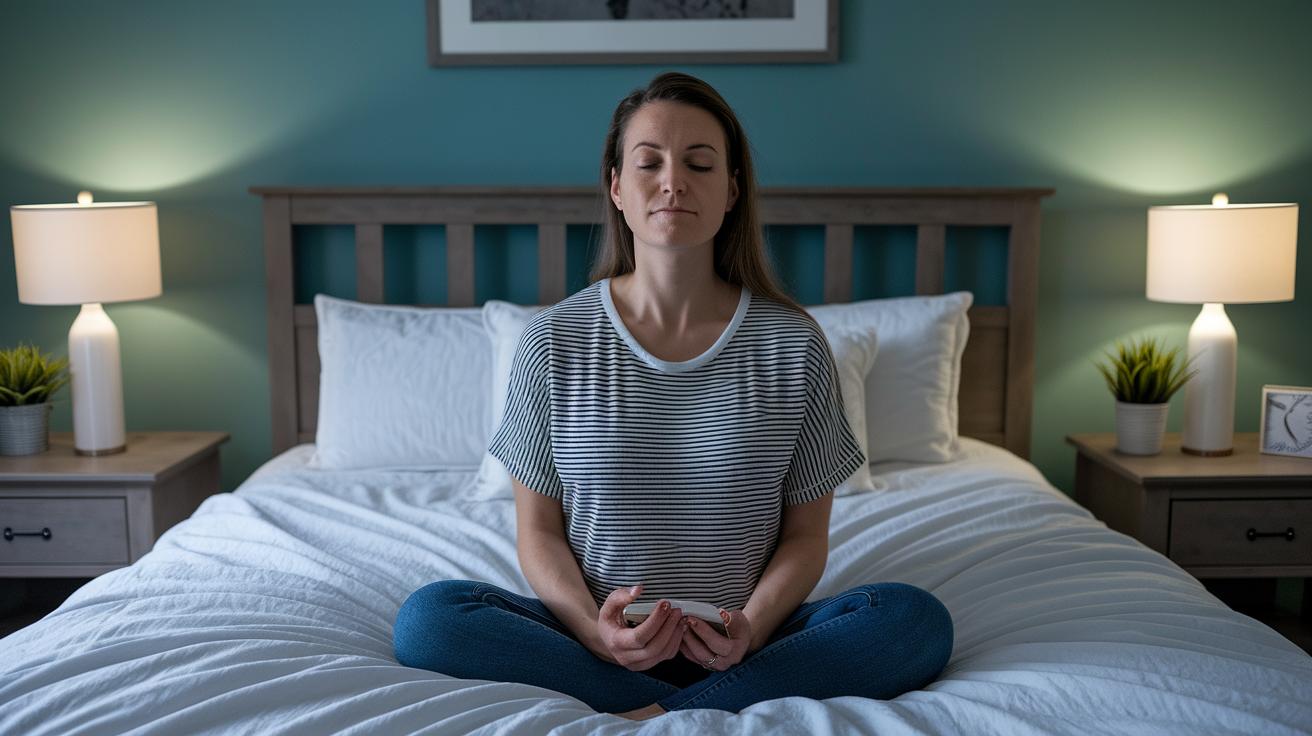
Taking time to check in with your feelings can really help during postpartum healing. When you pause and notice how you feel, it gives your overall recovery a gentle boost. Whether you jot down your thoughts in a journal or simply take a few slow, deep breaths, these moments help you feel more centered when emotions are swirling.
One way to relax is with simple breathing exercises. Try the 4-7-8 method, breathe in for four counts, hold for seven, and exhale for eight. It’s like giving your body a mini reset. Journaling can also be comforting; you might even write a short note like “Today I made progress” to remind you how strong you are. And if you find guided imagery helpful, picture yourself on a quiet, sunny beach where the sound of the waves eases your stress.
If feelings of deep sadness or intense anxiety come up, it’s absolutely okay to ask for help. Sometimes a kind chat with a local support group, a trusted friend, or a caring professional can offer the comfort you need. These supportive spaces let you share your feelings and remind you that you’re not alone. Remember, taking care of your mental well-being is just as important as caring for your physical health, and you deserve all the kindness you can offer yourself.
Rest and Sleep Rituals for Postpartum Healing
The 5-5-5 rule is a gentle guide to help you recover step by step. For the first five days, give yourself the chance to rest completely in bed. Then, for the next five days, try to stay close to your bed, moving only a little. Finally, over the last five days, feel free to take slow, gentle steps around your home. This simple plan helps your body ease back into its new rhythm after childbirth.
Create a cozy sleep space that works just for you. Keep your room dark, cool, and quiet so your body knows it’s time to relax. For example, soft lighting in the evening can gently wind you down, and keeping background noise low can make it easier to fall asleep.
Newborn feeding schedules can really break up your full night of sleep. That’s why it helps to plan for extra naps during the day. When one caregiver handles feeding, the other can grab a short, refreshing nap. Maybe one of you can take over a feeding session while the other rests. Little shifts like these add up, giving your body a chance to heal and settle into a new schedule.
Holistic and Natural Practices in Postpartum Healing

After childbirth, trying gentle, natural therapies can be a warm and friendly way to support your body's healing. Techniques like calming massage, soft guided imagery, aromatherapy baths, and light movement can ease sore muscles, lift your mood, and gently help your recovery. They work with your body as it heals, soothing both physical discomfort and those emotional shifts that can come with new motherhood.
| Practice | Benefit |
|---|---|
| Therapeutic Massage | Helps relax tight muscles and boosts circulation |
| Scar-Care Regimen | Aids in healing your incision area |
| Aromatherapy Baths | Reduces stress and eases muscle tension |
| Guided Imagery | Improves mood and promotes a calm mind |
When you’re ready to add these therapies into your life, think about setting up sessions with certified experts who know about postpartum care. Sometimes a little regular time-out, like a massage every couple of weeks or a weekly soothing bath, can bring healing into your everyday routine. And if you have worries, such as concerns about any scars from surgery or your overall recovery, it helps to chat with your healthcare provider first. One mom even shared how reassuring it was to hear that her doctor approved each session. Taking these small steps can truly make your journey to a happy, healthy recovery feel safe and supported.
Building Lasting Postpartum Healing Habits Beyond Recovery Phase
After having a baby, it can take up to a year for your body and mind to settle as you adjust to new changes. Even when you’ve made it past the early healing steps, there’s still a wonderful chance to keep caring for yourself.
Building long-lasting self-care habits is all about little daily actions. For example, start your day with a glass of water and a gentle stretch. These small actions create a solid foundation for your wellbeing. And don’t hesitate to let your family or friends lend a hand, it can really lighten your load and give you more time for you.
There are plenty of helpful resources out there that boost your body-confidence and remind you to be kind to yourself. A supportive network and trusted advice can make every step of your progress feel like a celebration.
Final Words
In the action, we explored a range of practical adjustments for physical and emotional recovery, nutritional plans, gentle movement, stress relief techniques, and natural therapies that work together for well-being. Small, everyday changes lay the foundation for lasting support through the ups and downs of early motherhood.
Remember, every step matters in your journey toward a smoother postpartum healing lifestyle changes. Keep embracing each new day with hope and care.
FAQ
How to take care of your vigina after giving birth?
Taking care of your vagina after childbirth means using gentle cleansing, keeping the area dry, and following your doctor’s advice. This helps reduce discomfort and supports the natural healing of sensitive tissues.
What are things not to do after giving birth?
Avoid heavy lifting, strenuous activities, and neglecting rest. Skipping proper care in the early days can slow recovery, so it’s best to follow recommended guidelines and allow your body the time it needs to heal.
What does postpartum care and a self-care checklist involve for a new mother?
Postpartum care involves a checklist that includes gentle hygiene, balanced nutrition, light exercise like the 5-5-5 rule, mental health check-ins, and support from loved ones to help both your body and spirit recover.
How long does it take for your body to go back to normal after birth?
Your body starts healing right after birth, with major changes often seen by the six-week checkup. Complete recovery may take several months, as each mother’s healing process is different.
What are some helpful postpartum self-care products?
Helpful postpartum self-care products include supportive undergarments, scar-care gels, and soothing pads. These items help reduce discomfort and support healing when used alongside proper rest and guidance from your provider.
What are some postpartum recovery tips?
Postpartum recovery tips include following structured rest routines like the 5-5-5 rule, staying hydrated, eating nutrient-rich meals, and gradually reintroducing gentle movement. Listening to your body and taking time for yourself are key.
What is the 5-5-5 rule postpartum?
The 5-5-5 rule postpartum is a structured plan that suggests 5 days of complete rest, 5 days of gentle movement around the bed, and 5 days of light activity at home, helping your body transition during recovery.
How long does the uterus take to heal after birth?
The uterus typically takes about six weeks to heal after birth, gradually returning to its pre-pregnancy size. Regular checkups help ensure that the healing process is on track while addressing any concerns.
What is the 2-2-2 rule for postpartum?
The 2-2-2 rule for postpartum refers to a set of self-care strategies that may work for some mothers. It’s best to speak with your healthcare provider to understand and adapt practices that suit your personal recovery needs.
Which day postpartum is often considered the hardest?
Many mothers find that around the third day after birth can be the toughest, as various symptoms might peak. Every experience is unique, so trusting your feelings and seeking support when necessary is important.


