Do you ever feel a little overwhelmed during those rare moments when your baby is asleep? After giving birth, your body is busy healing, so even a few quiet minutes can feel truly special. A bit of gentle meditation can be like a mini retreat, easing your mind and helping your body recover. Imagine it as a soft, comforting break that lifts your spirits right when you need it most. Here, I share five simple meditation ideas that invite a peaceful pause into your busy day.
5 postpartum healing meditation techniques for blissful calm
Being a new mom can feel overwhelming sometimes, but a little meditation can bring much-needed calm. After childbirth, your body is busy healing from things like uterine contractions and natural postpartum flow, and even a minute of meditation can help you feel more balanced. It’s gentle and doesn’t need any fancy tools, perfect for those quick moments during a baby’s nap or feed.
Here are five easy ways to meditate:
-
One-Minute Breath Focus: When you get a break, find a quiet corner and just pay attention to your breathing for 60 seconds. It’s amazing how one minute of mindful breathing can lower stress and help your body settle after childbirth!
-
Guided Meditation Audio: Try a short guided meditation designed just for postpartum moms. You can listen while holding your baby, making it a sweet time to center your thoughts even when your day is busy.
-
Mindful Visualization: Close your eyes and imagine a warm, healing light moving through the parts of your body that need extra care. It feels like giving yourself a gentle hug, reconnecting with your body and boosting your spirit.
-
Gentle Movement and Yoga Nidra: Try some light yoga or a 10-minute routine that makes you aware of your body. This helps ease muscle tension and relaxes you, making everyday movements feel a bit softer and kinder.
-
Integrated Meditative Moments: Turn daily routines, like showering or getting dressed, into little mindful pauses. Celebrate these moments as true acts of self-care that build resilience and invite a calm, blissful energy into your day.
Benefits of Postpartum Healing Meditation Techniques
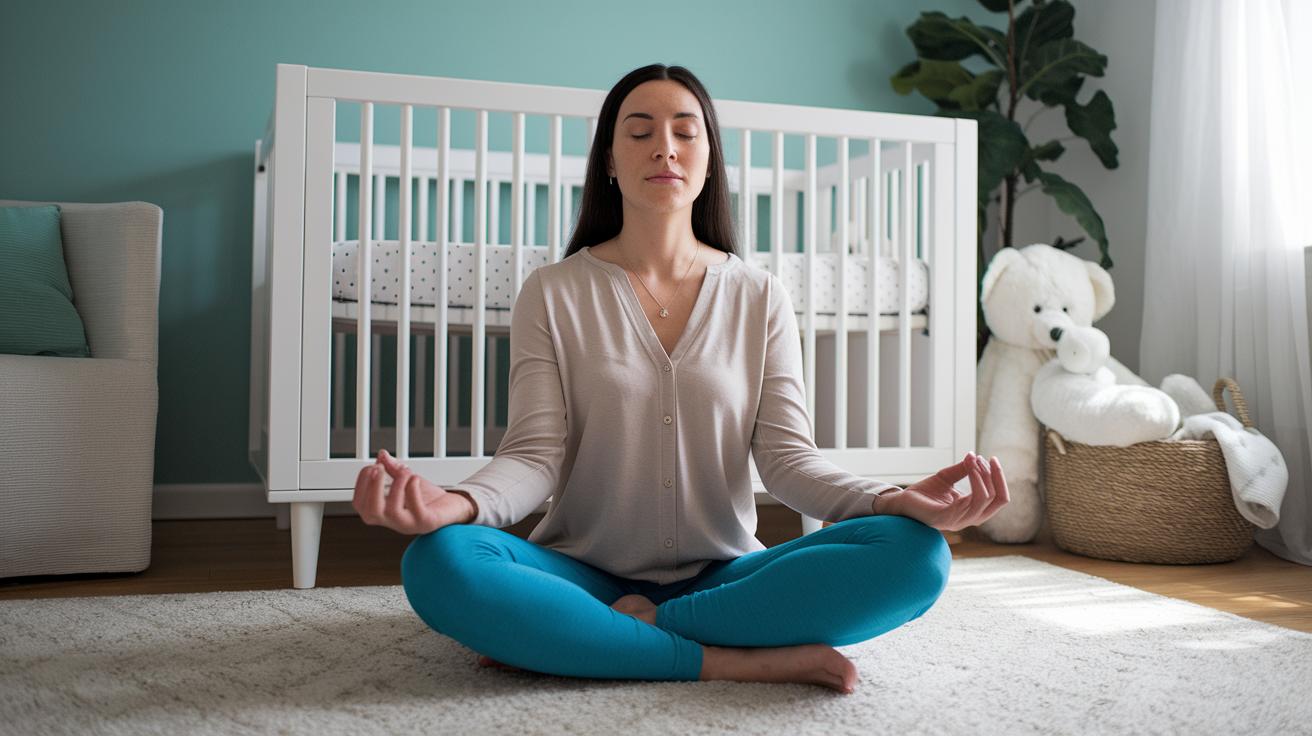
Postpartum healing meditation can be a gentle lifesaver for both your body and mind. Simple practices like guided breathing and calming visualizations help lower stress hormones and balance your mood. It’s a bit like taking a mini-break, a few mindful breaths during your baby’s nap can be as refreshing as sipping a comforting cup of tea on a cool morning.
Adding meditation into your daily routine can also help keep your feelings steady. Pairing this practice with a little journaling lets you sort out your emotions while tracking your progress. Have you ever noticed how writing down your thoughts after a calm moment can boost your self-compassion and ease stress? If you're dealing with signs of postpartum blues or worry, these practices, along with support from a group or a professional (check out our guide to mental wellbeing after childbirth for more ideas), can provide real relief. This simple blend of mindfulness and everyday stress management is a warm, accessible path to healing and overall wellness.
Step-by-Step Meditation Techniques for New Mothers
New moms can find little pockets of calm even in a busy day by choosing the meditation that feels right at the moment. Here are five gentle techniques to try:
-
One-Minute Stillness: When your baby is napping, find a quiet corner and sit down. Breathe in slowly and let out a full exhale for a minute. You might even softly say, "I am calm" with each breath, feeling all your tension slowly drift away.
-
Guided Audio: Pick a soothing recording made especially for postnatal care. Sit comfortably, close your eyes, and let the gentle voice draw you back to the now. This works great when you feel tired and need to reset your thoughts.
-
4-7-8 Breathwork: Breathe in for 4 seconds, hold your breath for 7 seconds, and then exhale for 8 seconds. Count quietly in your head and picture each number as a little wave washing stress away.
-
Guided Imagery: Close your eyes and imagine warm, healing light flowing gently through your body. Visualize this light easing any aches, much like a soft, comforting touch that lifts the weight of your worries.
-
Gentle Yoga Nidra: Set aside 10 minutes for a body-awareness routine. Whether you lie down or sit up, slowly relax each muscle one at a time. Think of it as giving your body a caring hug when you need an extra moment of tenderness.
Recommended Session Structures and Timing for Postpartum Meditation

Right after your baby arrives, taking a moment for quiet meditation can really help ease the challenge of soreness or a few baby blues. In the very first couple of weeks, even a one-minute session of focused breathing can bring you a quick, calming break. Try taking a short pause and telling yourself, "A minute of stillness is all I need right now." It’s a gentle way to reset your body and mind.
By Weeks 3–6, as tiredness and breastfeeding issues start to build up, you might need a bit more time to feel better. A 5–10 minute session is a great way to invite a little more calm and self-kindness into your day. These few extra minutes let you enjoy a guided meditation that soothes tension and helps you care for yourself. Then, after your 6-week checkup, you can gradually settle into longer, 10–20 minute sessions that mix deep relaxation with mindful body awareness. Whether you do this while nursing or changing diapers, weaving in a brain break like this makes mindfulness a natural part of your day.
| Technique | Duration | Focus | Benefit |
|---|---|---|---|
| One-Minute Stillness | 1 min | Breath Awareness | Quick Stress Relief |
| Guided Meditation | 5 – 10 min | Self-Compassion | Tension Release |
| Sleepy Rhythm | 10 – 15 min | Slow Breath + Visualization | Improved Sleep |
| Gentle Body Scan | 10 – 20 min | Body Sensations | Physical Relaxation |
Integrating Meditation into Postpartum Daily Life
Take a moment for mindful healing during your daily routines. Whether you're holding your baby, feeding, or wearing them in a sling, try practicing mindful breathing. Feel the gentle rhythm of your baby's heartbeat and softly tell yourself, "I breathe in calm, I breathe out tension."
Mix a bit of meditation into everyday tasks. In the shower, focus on each drop of water as a little sign of new beginnings. When you're out for a short walk, let every step remind you to pause and take slow, deep breaths. And when you're gently rocking your baby, try syncing your breath with their soothing rhythm.
Even the smallest pause matters. If interruptions pop up, view them as gentle nudges to return to your calm center, helping turn everyday moments into a peaceful time for reflection after giving birth.
Expert Tips and Safety Considerations for Healing Meditation

Before you jump back into deeper meditation, have a quick chat with your doctor, especially during your 6-week postpartum check. They can help tailor advice just for your recovery. If you’re healing from a C-section or dealing with tears from childbirth, choose positions that don’t put pressure on your tummy. Sitting comfortably or lying down can help you relax and enjoy meditation without any extra strain.
After childbirth, hormonal changes can make emotions feel extra strong. Meditation might help bring some calm and balance. But, be kind to yourself and notice how your body and mind feel during each session. If you find yourself feeling more anxious, sad, or just overwhelmed despite meditating, it might be a good idea to talk to a professional who can offer more support. Remember, meditation is one way to care for yourself, it doesn’t replace advice from a healthcare expert when emotions run high.
Always listen to what your body is telling you and adjust your practice if you need to. Sometimes, a guided meditation that focuses on self-compassion can make a big difference. If you’re going through some tough emotional shifts, you might also find some help in the advice at navigating postpartum identity changes. Your comfort and safety come first, so keep doing what feels right and listen closely to your inner voice.
Final Words
In the action, the guide outlined practical meditation practices to support both emotional balance and physical recovery after childbirth. It showed how mothers can use postpartum healing meditation techniques, even quick one-minute sessions, to soothe body and mind. Each tip is a gentle reminder that caring for yourself doesn't have to be complicated or time-consuming.
The article also praised the value of integrating meditation into everyday moments, supporting recovery and self-compassion. Embrace each pause and feel encouraged by simple, effective practices that nurture both you and your baby.
FAQ
Q: What does the 5-5-5 rule postpartum mean?
A: The 5-5-5 rule postpartum suggests taking five minutes each for self-care, breathing, and reflection to ease recovery. It’s a quick guide often shared online that helps mothers find brief moments of calm.
Q: How does the 5-5-5 rule apply to breastfeeding and labor?
A: The 5-5-5 rule applied to breastfeeding and labor means taking short breaks of five minutes to check in on comfort and emotional well-being during feeding or contractions, offering moments to reduce stress.
Q: What is the 5-5-5 rule for baby sleep?
A: The 5-5-5 rule for baby sleep means using short, five-minute intervals of gentle soothing, such as calm breathing or soft humming, to help a baby settle into sleep while caregivers practice mindful relaxation.
Q: How long should I stay in bed postpartum?
A: The idea of staying in bed postpartum varies by recovery. Early on, extra rest for a few days can help, but gradually incorporating light movement supports healing and regaining strength.
Q: How can I speed up postpartum healing?
A: The notion of speeding up postpartum healing suggests that small steps, like gentle meditation, warm showers, and light movement, can ease discomfort and promote both physical recovery and mood balance.
Q: Can meditation help with postpartum?
A: The role of meditation in postpartum care shows that even brief sessions can lower stress and support emotional balance. Using techniques like mindful breathing helps both recovery and overall well-being.