
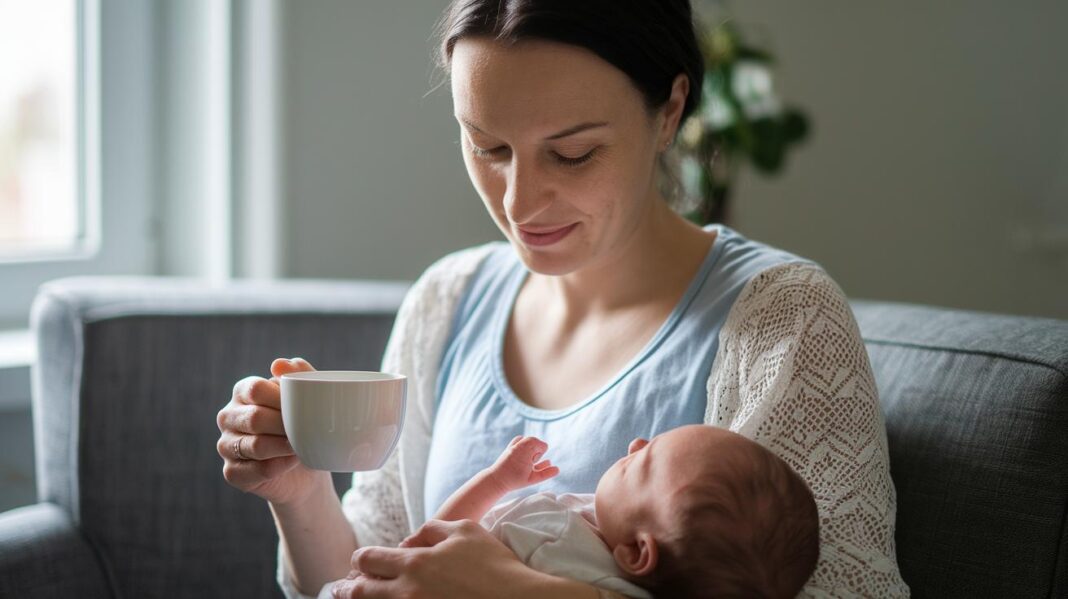
Have you ever noticed that after having a baby your body can feel like a wild garden?
When your hormone levels drop suddenly, it’s normal to feel tired or a bit moody, and these changes can seem a little confusing.
In this article, I’m sharing some easy tips to help your body find its natural balance.
With caring steps and small adjustments, you’ll soon begin feeling more like yourself.
Keep reading for simple advice on how to ease those changes and nurture your well-being.
Essential Postpartum Hormonal Healing Tips Overview
Right after childbirth, your body goes through big changes with its hormones. It’s a bit like a garden getting ready for a new season; estrogen and progesterone drop sharply, which can bring about mood swings, tiredness, and changes in sleep. It might seem overwhelming, but this is your body’s way of starting fresh.
Many moms notice shifts in their desire and even experience changes in their menstrual cycle. Weight retention can also be a challenge. A quick fact to keep in mind is that about one in six new mothers may face postpartum depression, showing that these changes are both emotional and physical. While the pregnancy hormone hCG fades within a couple of months, other hormones might need up to a year to rebalance.
Breastfeeding plays a big part in this process too. It influences hormones like prolactin and oxytocin, which help with milk production and even affect your mood and how your uterus contracts. Some women might feel less desire or notice vaginal dryness while breastfeeding, but most find that these issues ease over time as they gradually shift away from exclusive nursing.
It’s common to see some weight changes, too. Many moms lose nearly half of their pregnancy weight within six weeks, with gradual progress in the following months. Every body is different, so here are a few gentle reminders to help you through this period:
- Accept that temporary mood changes are part of your body’s healing.
- Allow yourself plenty of rest, it’s normal to feel low on energy.
- Keep track of any symptoms that stick around, and talk with your healthcare provider about them.
Taking these small steps helps set the stage for balancing your hormones over time, gently guiding you toward feeling whole and cared for during your postpartum journey.
Nutritional Foundations for Postpartum Hormonal Healing

After having your baby, eating healthy foods can really help your body get back in balance. A meal plan full of good protein, healthy fats, whole-grain carbohydrates, fiber, and iron can be the secret to feeling steady and well-nourished every day. Imagine enjoying a warm quinoa salad with grilled chicken, fresh leafy greens, and a drizzle of olive oil. Such a meal brings comfort while giving you the essential nutrients you need.
Certain vitamins and minerals can give you that extra boost. For example, vitamin D (which helps your body absorb calcium) and magnesium (that helps your muscles relax and keeps your energy steady) work hand in hand with zinc and vitamin B6 to support important enzyme functions for healthy hormone production. Essential fatty acids from foods like fatty fish or flaxseed oil help keep your cells in tip-top shape. And don’t forget about probiotics in foods like yogurt and sauerkraut, they support gut health, which is key for managing hormones.
Sometimes, little changes in your meal planning make daily life so much easier. By adding lean meats, fatty fish, whole grains, beans, nuts, seeds, leafy greens, and fermented foods to your menu, you give your body the building blocks it needs to recover. How about swapping out processed snacks for a handful of nuts? It’s a simple way to gradually boost your nutrient intake.
| Nutrient | How It Helps Your Hormones | Food Sources |
|---|---|---|
| Protein | Builds tissues and plays a role in hormone creation | Lean meats, beans, dairy |
| Healthy Fats | Supports cells and helps with hormone production | Fatty fish, nuts, seeds, avocado |
| Complex Carbohydrates | Gives steady energy and aids in nutrient absorption | Whole grains, beans, vegetables |
| Vitamins & Minerals | Help control enzyme work to keep hormones balanced | Leafy greens, fortified foods, lean sources |
Mindful eating and balanced snacks can be natural tools to help restore hormonal harmony as you adjust to your new life with your little one.
Stress Reduction Techniques for Postnatal Hormone Balance
After having a baby, stress and high cortisol can really slow down your body’s natural hormone balance. It might help to try simple, soothing activities like yoga, meditation, or deep breathing. Imagine sitting down for a quiet guided meditation, feeling all your worries slowly fade away, it’s like giving your body a much-needed little pause.
Having a steady routine for your newborn can work wonders for both your baby and you. Short naps and planned quiet moments not only help your little one feel secure, they can also ease your tiredness and balance your mood. When you have a bit more structure in your day, it opens up pockets of time for you to take care of yourself, too.
Here are a few easy ways to get started:
- Try some gentle yoga with simple stretches and easy relaxing moves.
- Use guided meditation (explore effective strategies for postpartum stress relief at this link).
- Practice deep breathing exercises, breathe in slowly, and let your breath out just as calmly.
- Create a simple, steady routine for both you and your baby.
- Don’t hesitate to ask for help with childcare so you can catch a few restorative breaks.
These natural, drug-free ideas could lift your mood and help keep cortisol in check, making hormonal recovery a bit smoother on your journey as a new mom.
Gentle Exercise Routines to Support Hormone Regulation

After giving birth, gentle movement can really help ease mood swings and smooth out hormone levels. Even just around 50 minutes of light exercise a week can make you feel better both physically and emotionally. If you’ve had a c-section, give yourself a little extra time, usually about six weeks, before trying anything new. And of course, check in with your healthcare provider to make sure you’re good to go.
Starting slow can be a great way to rebuild strength. Try beginning with a few pelvic floor exercises to strengthen your core. These exercises are known to help balance hormones by influencing levels of estrogen and progesterone. Many moms also enjoy pairing these with gentle yoga. Imagine a slow, relaxing yoga session where you take deep, calming breaths, it’s like a mini reset for your body and mind.
Here are some simple ways to ease into movement:
| Activity | Benefit |
|---|---|
| Pelvic floor exercises | Builds core strength and supports hormone balance |
| Gentle yoga | Promotes calm and aids recovery |
| Short walks | Improves mood and gradually builds stamina |
Listen to your body as you start out. It’s perfectly okay to adjust your routine as you go. You deserve a moment of kindness and self-care as you regain strength and balance naturally. And if you’re looking for more ideas, you might want to check out some safe, easy postpartum exercise routines for a little extra inspiration. Enjoy the journey, and remember, every gentle step brings you closer to feeling like yourself again.
Herbal Supplements and Adaptogens for Postnatal Hormone Support
A lot of new moms discover that natural herbs and adaptogens can help smooth out those ups and downs. Herbs like ashwagandha, rhodiola, schisandra, and maca help your body relax by balancing cortisol levels. Imagine taking a calming supplement and feeling a little more steady each day, it’s like a warm hug reminding you that relief is close by.
Chaste tree berry, also called Vitex, is another favorite. It may boost your progesterone levels, and it works best when you start with the traditional dose. Think of it like easing into a warm bath instead of jumping into cold water. Fennel is another herb that can help balance estrogen, making your postpartum changes feel a bit smoother.
Many moms add probiotics to their daily routine too. Probiotics with strains like Bifidobacterium and Lactobacillus work to keep your gut healthy, which is really important for hormone balance. And if you’re breastfeeding, it’s a good idea to talk with your healthcare provider before trying any new supplements to make sure they’re the right fit for you.
Sleep Hygiene and Energy Boosting for Hormonal Recovery

A steady sleep routine is a gentle first step when your body is balancing hormones after having a baby. Waking up and soaking in a few moments of early sunlight helps set your body’s natural clock. Try stepping outside for a few minutes as soon as you wake up, it’s a little nudge to tell your body that the day has begun. Later, when evening rolls around, dimming the indoor lights creates a calming signal that it's time to wind down, naturally supporting your sleep hormones.
Taking a quick nap during the day can really lift your energy without any extra help from medicine. Imagine a simple 20-minute break as a mini reset that refreshes your mind and body. And if you ever need a hand finding that quiet moment, don’t hesitate to ask a loved one for a bit of help. These small, caring steps can make a big difference in balancing your mood and your hormones.
Here are some straightforward sleep tips for you:
- Soak up morning sunlight right after you wake.
- Dim indoor lights in the evening.
- Fit in short, restful naps when you can.
- Ask for help when you need some peaceful rest.
Creating a sleep-friendly space is all about little habits, a regular bedtime, a cool and quiet room, and turning down screen time before bed. As you adjust these routines, you might notice more energy for your daily tasks and a more balanced mood overall. It’s like setting the stage for a day filled with gentle care, just the way you deserve.
Professional Assessments and When to Seek Help with Hormonal Healing
Sometimes, you might notice that your mood and cycles feel different for three to six months after giving birth. This can be a gentle nudge to chat with your healthcare provider about a few extra tests. If you’re dealing with ongoing sadness, low energy, or even signs of thyroid issues, it might be a hint that your hormones need a closer look. Simple lab tests, like one that checks sex hormones through urine, a full thyroid panel (testing TSH, T4, and T3), or a salivary cortisol test taken at different times of the day, can really help you and your doctor understand what’s happening with your body.
If you’re trying all sorts of small changes and nothing seems to help, keep an eye out for a few warning signs:
- Constant ups and downs in your mood or deep, lingering low feelings.
- Noticeable shifts in your menstrual cycle.
- Physical changes like unexpected weight shifts or feeling tired all the time.
Remember, hCG usually clears from your body within 7 to 60 days after delivery. But if you still feel off-balance, it could be a good idea to explore a treatment plan just for you. This might involve bioidentical hormones, gentle talk therapy, or some tweaks to your daily routine to help manage those hormonal changes after childbirth.
Tracking Progress and Self-Care Routines for Hormonal Balance

Keeping track of how you feel each day helps you notice your body's recovery in a gentle way. You might note details about your cycle, mood, sleep, and even changes in your skin. For example, you could write, "I felt more energetic after a 20-minute walk and a healthy breakfast," so you see the small wins add up.
Using a self-care list for water, balanced meals, and time with friends can help you stay on track. And sometimes it helps to pause and reflect with a quick mindfulness or a moment of self-kindness. Maybe you spend five minutes taking deep breaths or cherish a lovely moment with your baby.
Some tools to get started include:
- A daily log for your mood and sleep
- A simple checklist for meals and water intake
- Regular self-kindness breaks during busy times
This routine can guide small changes in your lifestyle while honoring the strength that comes from caring for yourself.
Final Words
In the action, the article covered natural strategies for postpartum hormonal healing tips. It walked you through dietary choices, stress relief, gentle exercise, herbal supplements, sleep habits, and self-care ideas essential for new moms.
Each section offered clear steps and encouragement to keep focused on well-being. Small actions can make a big difference, so keep using these expert insights for a balanced, positive recovery. Enjoy every moment as you nurture your body and spirit.
FAQ
What are the signs of hormone imbalance after pregnancy?
The signs of hormone imbalance after pregnancy include mood swings, fatigue, low libido, and irregular menstrual cycles. These symptoms help indicate when your body is adjusting post-birth.
Which supplements can help balance hormones after pregnancy?
The supplements to balance hormones after pregnancy often include vitamin D, magnesium, zinc, vitamin B6, essential fatty acids, and probiotics that support gut health, all of which support overall hormonal recovery.
How can I balance hormones postpartum for weight loss and overall well-being?
The methods to balance hormones postpartum for weight loss and wellness combine a balanced diet rich in nutrients, gentle exercise, stress reduction like yoga, and proper sleep routines to promote endocrine balance.
How long can hormone imbalances last after childbirth and what should I know?
The hormone levels after childbirth may take several months to settle, with some variations lasting up to one or even two years. Persistent imbalances should be discussed with a healthcare provider.
How do moms online discuss balancing hormones postpartum?
The discussions about balancing hormones postpartum online emphasize balanced nutrition, gentle exercise, plenty of sleep, and stress management practices, reflecting a supportive, community-driven approach to healing.
What does healing your hormones postpartum involve?
The process of healing your hormones postpartum involves supporting your body with a nutritious diet, moderate exercise, stress-reducing practices, and, when needed, safe herbal supplements, all guided by professional advice.
How long does it take for postpartum hormones to settle down?
The settling of postpartum hormones usually starts within a few months but can extend to a year or more, depending on individual health and lifestyle factors.
How can I speed up my postpartum healing naturally?
The steps to speed up postpartum healing naturally include following a balanced, nutrient-rich diet, practicing stress relief through gentle yoga or meditation, maintaining a proper sleep schedule, and gradually returning to exercise.


