
Ever wonder why your body needs a little rest after giving birth? Think of postpartum recovery as a gentle reset, your body usually takes about six to eight weeks to heal. During this time, your uterus slowly returns to its pre-pregnancy size and you may notice changes in your feelings. It’s completely normal.
Most moms experience a bit of the baby blues. In fact, around 80% feel a little low at first. Understanding these changes can help ease your worries and remind you that you are not alone.
This blog walks you through what to expect each week so you always feel supported and well-informed. Have you ever noticed how knowing what’s coming can make a tough time a bit easier? Remember, every step of your healing journey is important, and taking time for yourself is a beautiful part of welcoming your new life.
Critical Phases of Postpartum Recovery
After you have given birth, you might notice that your body needs time to heal. Most moms find that recovery takes about six weeks after a vaginal delivery and eight weeks if you had a cesarean section. During this time, your body works on healing tissues while your uterus slowly settles back to its usual size. In the first few days, you might see lochia, a natural discharge that starts off heavy and bright red, then gently changes to pink and eventually to a soft yellowish white over three to ten days.
Along with these physical changes, many moms also feel a mix of emotions. Around 80% of mothers experience what we call the baby blues, often starting around day three. You might feel more tearful than usual or notice a bit of irritability, all because of shifting hormone levels. It’s important to have early check-ups, your doctor usually sets up a six-week visit to make sure both your healing and your feelings are on track, while your baby gets a pediatric exam too.
Here are some key points to remember:
| What to Expect | Details |
|---|---|
| Recovery Time | About 6 weeks after vaginal birth; 8 weeks after cesarean |
| Lochia Changes | Starts red, then shifts to pink, and finally to yellowish white over 3-10 days |
| Emotional Shifts | Baby blues with mood swings starting around day three |
| Medical Follow-ups | Important for checking both physical and emotional well-being |
Next, let’s explore a week-by-week timeline of recovery to help guide you further.
Week-by-Week Postpartum Recovery Timeline

In your first week after giving birth, you might notice heavy lochia (a natural discharge that starts dark red). It’s normal for the flow to be heavy at first. You may also feel soreness around your perineum, especially if you experienced any tearing or had an episiotomy. It can really help to use pads (avoid tampons for now) and try simple comforts like an ice pack or a witch hazel pad. Imagine resting and feeling that cool, soothing relief as you start healing.
In week two, you may see your lochia change from a bold red to a softer, pinkish shade, and then it nearly fades away. Some moms also mention feeling a bit of breast tenderness while nursing. These changes are all part of how your body slowly recovers. Picture your body as a beautiful painting, where the strong red is gently softening into lighter hues, showing that healing is well on its way.
By week six, your uterus is usually getting back to its pre-pregnancy size. Many moms get the green light from their doctor to start gentle exercises and even intimacy again. You might still have some little aches or reminders of the early days, but there’s a noticeable shift toward feeling more like your old self. Some moms even share that their energy levels are slowly picking back up, although a few tender spots might still linger. Think of it like easing back into a familiar walk, each step brings you a little closer to feeling whole again.
Postpartum Nutrition and Hydration for Recovery
There’s nothing quite as nurturing as preparing wholesome meals for your postpartum recovery. Eating foods rich in complex carbohydrates, lean proteins, and fiber-filled vegetables helps your body repair itself while keeping your energy up. Picture a bright plate loaded with whole grains, fresh greens, and a bit of lean meat or beans, it’s like giving your body a gentle boost on its healing journey.
Staying well hydrated plays a big part in feeling better, too. Aim to drink about 64 ounces of water throughout your day. A refreshing glass of water can ease your tiredness and support your natural recovery, while cutting back on alcohol and caffeine might even help smooth out mood swings and bring on more peaceful sleep. Ever notice how a sip of cool water can feel like a little moment of relief?
Eating small, frequent meals can really make a difference. This way of eating not only steadily nourishes your body but can also help boost your milk supply if you’re breastfeeding. Each bite feels like a mini pick-me-up that keeps your energy even and your strength steady for both you and your little one.
Planning your meals and snacks ahead of time can help balance out your hormones and keep your energy levels on track. Having a few reliable, tasty options ready to go takes a lot of pressure off. For more ideas, you might want to check out our resource at postpartum nutrition meal plans for recovery to see which foods can best support your healing.
| Nutrient | Why It Helps |
|---|---|
| Complex Carbohydrates | Provide long-lasting energy |
| Lean Proteins | Help repair tissues |
| Fiber-Rich Vegetables | Boost digestion and fullness |
| Healthy Fats | Support cell repair and energy |
| Essential Vitamins & Minerals | Speed up recovery and maintain overall health |
postpartum recovery: Embracing Fresh Healing
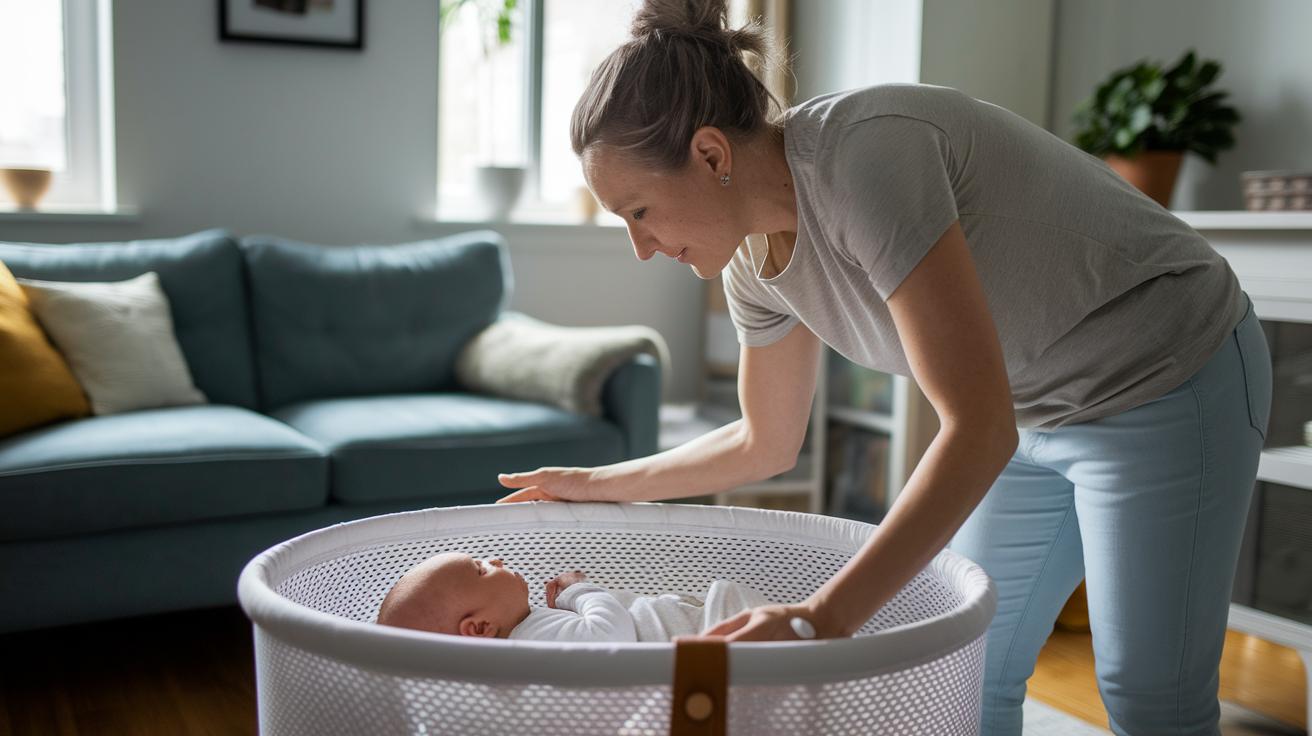
Postpartum recovery is all about easing gently back into movement while giving your body the time it needs to heal. As you begin to feel your strength slowly return, simple, focused exercises can help ease back strain and remind you of the vibrant self you are. But don’t forget to chat with your healthcare provider before starting any new routine, especially when considering pelvic floor exercises after your bleeding has stopped.
Pelvic Floor Exercises
Once you've got the green light to move around, pelvic floor exercises can be a gentle and effective way to rebuild your strength. Try doing the Kegel exercise: contract the muscles you’d use to stop your urine mid-flow, hold for a count of five, and then relax for five seconds. Many moms find that doing three sets of 10 squeezes throughout the day works well. Think of each squeeze as a warm hug for your core, supporting your bladder and adding stability to your everyday movements.
Gentle Movement
Introducing gentle movement into your day can boost your circulation and lift your spirits. A short, relaxed walk around your home or neighborhood can gradually build up your endurance. Paired with simple stretches designed for the postpartum phase, you can help ease tension and back strain. Even a few gentle abdominal exercises, done at a comfortable pace, remind you of the strength within. And when perineal discomfort kicks in, a cool ice pack or a soothing witch hazel pad can offer comforting relief. Each little step, each mindful stretch, makes your recovery feel more manageable and even a bit joyful.
Cesarean Recovery Best Practices
After a cesarean delivery, most moms spend about three to four days in the hospital so their body can begin to heal. In those early days, a lot of gentle rest and careful treatment of your incision can really help. It’s best not to touch the incision too much to keep germs away. You may feel a bit of itchiness or numbness near the scar, and that’s completely normal. Over the next six to eight weeks, the discomfort should slowly fade as you regain your strength. Wearing soft clothes and moving gently can make a big difference in how you feel each day.
Rest is super important right now, it lets your body put all its energy into healing. It’s normal to feel more tired than usual as your incision heals. Taking it easy, keeping the area clean and dry, and following your healthcare provider’s guidance can really improve your recovery. Little things, like using a pillow for extra support when you get up or move around, might help ease any strain on your lower belly.
| Tip | Description |
|---|---|
| Keep it Dry | Try not to touch the incision and keep it dry. |
| Wear Soft Clothing | Choose clean, loose clothing to avoid irritation. |
| Take Plenty of Rest | Avoid heavy activities and let your body recover. |
| Follow Instructions | Stick to your provider’s advice after surgery. |
| Watch for Changes | If something doesn’t seem right, don’t hesitate to call your doctor. |
Emotional Wellness During Postpartum Recovery

Many new moms start to feel mood swings and tiredness early on. Around the third day, up to 80% of moms notice the baby blues. You might feel sad, irritable, or worried. Sleep may not come easily, so try to nap when your baby does, it can really help boost your energy and lift your mood. Even small moments of self-care, like taking deep breaths or enjoying a quiet cup of tea, can feel like a gentle hug during this sensitive time.
It’s important to be kind to your mind as you care for your body. Sometimes, taking a moment for self-compassion, like the practices shared for postpartum care, can offer a real sense of support. And if you ever feel like talking to someone, don’t hesitate to reach out to a loved one or a professional who understands what new moms go through. Have you ever felt that a small chat with someone who cares can make everything seem a little lighter?
Keep an eye out for any signs that you might need extra help. Here are a few things to notice:
| Warning Sign | Description |
|---|---|
| Persistent sadness | Feelings that last beyond a couple of weeks |
| Increased anxiety | Anxiety, irritability, or panic attacks making everyday tasks hard |
| Social withdrawal | Avoiding loved ones or losing interest in caring for your baby |
If you notice these signs, it might be time to talk with a trusted healthcare provider and get the help you need. Remember, taking care of your emotional wellness is just as important as taking care of your body.
postpartum recovery: Embracing Fresh Healing
For many new moms, stepping into the healing phase feels gentle and even a little hopeful when you have a kit filled with thoughtful items. Think of it as a small treasure box where every product is picked out with care to ease discomfort, help your body mend, and remind you to be kind to yourself. Whether you’ve had a cesarean or a vaginal birth, these comforting supplies work together to create a nurturing space for you during recovery.
Imagine, for example, a kit that’s like a warm, supportive hug during those quiet moments at home. A simple collection of items can help soothe soreness and support tissue repair while offering small reminders to care for yourself. It’s a bit like setting up a bedtime routine, you prepare a little kit that helps you feel safe and cared for as you begin to heal.
| Item | Purpose |
|---|---|
| Maternity Pads | Absorb lochia and protect clothing |
| Sitz Bath Basin | Soothes perineal discomfort |
| Ice Packs | Reduce swelling and ease pain |
| Witch Hazel Pads | Calm inflammation and provide cooling relief |
| Perineal Spray | Moisturizes and soothes sore areas |
| Comfortable High-Waist Garments | Support the abdomen and provide gentle compression |
| Stool Softeners | Ease bowel movements during recovery |
Each of these items is chosen with a mother’s well-being in mind. They help manage the little bumps and aches of postpartum recovery while letting you know that every step you take is important. It’s all about empowering you to create a healing space that fits your unique needs, one gentle moment at a time.
Final Words
In the action, this article breaks down your postpartum recovery with clear guidance from day one through the weeks ahead. It covers recovery windows, lochia changes, and the onset of baby blues, along with key nutrition tips, gentle exercises, and proper cesarean care practices. Bullet lists highlight must-know health check-ins and supplies. The discussion on emotional wellness adds extra heart, offering practical self-care ideas. This postpartum recovery guide is designed to give you simple, supportive insights for moving forward with confidence.
FAQ
Postpartum recovery near me
Searching for postpartum recovery near me means finding local health centers or moms’ groups that offer support with healing, self-care, and gentle exercise recommended by your provider.
Postpartum recovery tips
Postpartum recovery tips include resting when you can, staying hydrated, eating balanced meals, and following your provider’s advice on gentle exercises like pelvic floor routines to ease the healing process.
What is the postpartum recovery timeline and week-by-week overview, and how long does it take?
The postpartum recovery timeline shows that healing takes about six weeks after a vaginal birth and eight weeks after a C-section. Early weeks often involve heavy bleeding and soreness, with gradual improvement as you progress week by week.
What does postpartum recovery on reddit show?
Postpartum recovery on reddit reflects shared personal experiences from moms, offering practical advice, honest stories, and community support that can help guide you through physical healing and mood changes.
What does a postpartum recovery kit include?
A postpartum recovery kit typically includes maternity pads, ice packs, witch hazel pads, a sitz bath basin, perineal spray, comfortable high-waist garments, and stool softeners to ease discomfort and support healing.
How is postpartum recovery after a C-section managed?
Postpartum recovery after a C-section involves a longer healing period, careful incision care, light movement, and gradual reintroduction of physical activity as advised by your provider to prevent strain or infection.
What things should be avoided after giving birth
Things not to do after giving birth include heavy lifting, returning too quickly to strenuous exercise, and ignoring signs of infection. Listening to your body and following your provider’s recommendations is key.
What is the 5 5 5 rule postpartum?
The 5 5 5 rule postpartum suggests breaking recovery into simple steps: five minutes of self-care, five healthy choices, and five moments of mindful rest each day to help keep you on track in healing.