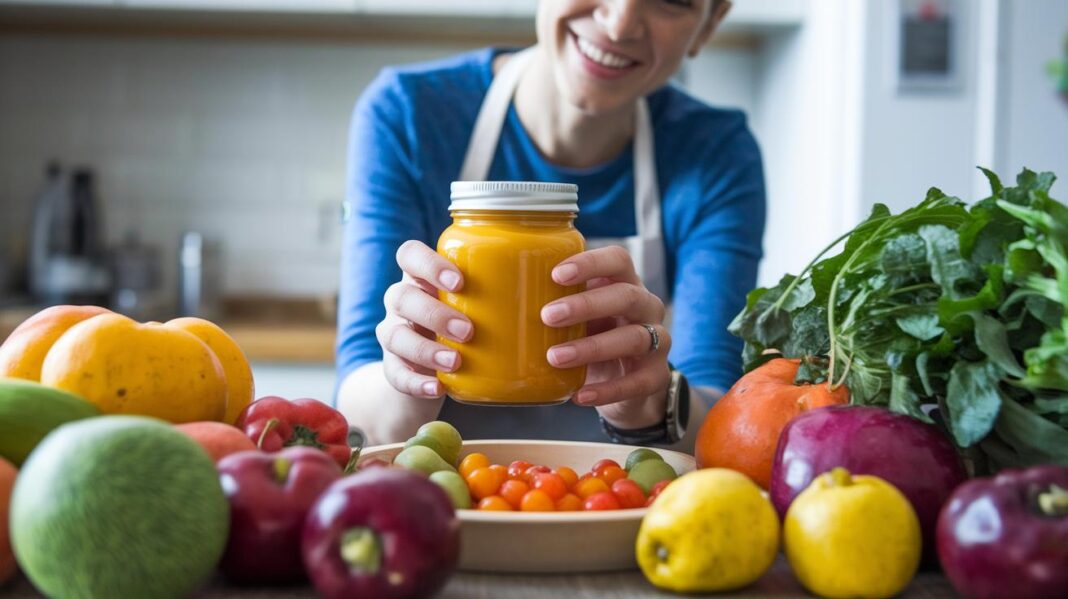
What if your everyday meals could help you heal after having a baby? Your body needs extra care to bounce back and feel strong.
Eating well with lean proteins, healthy fats, and whole grains can help you regain strength and boost your overall health.
In this post, we’re sharing a simple nutrition plan designed to support your recovery. Get ready to turn your ordinary meals into a supportive partner on your journey after childbirth.
Foundations of a Postpartum Recovery Nutrition Plan
After having your baby, your body needs a little extra care and fuel to bounce back. This time is all about healing, especially for moms who are breastfeeding, as your body asks for a few more calories. One mom shared, "Before my first postpartum check-up, I started adding a bit more whole grain bread to my meals to match my body’s extra needs." This extra energy, paired with nutrient-rich foods, helps rebuild your strength and supports your overall health. It really makes a difference to eat a balanced diet with a few extra calories for about eight weeks after delivery.
A solid recovery plan centers on three key parts: balancing proteins, fats, and carbohydrates, choosing foods rich in vitamins and minerals, and focusing on whole, natural foods. Proteins, fats, and carbohydrates fuel your body's repair and keep your energy steady. Meanwhile, foods like vegetables, fruits, whole grains, and lean proteins help speed up your recovery. By choosing natural foods over processed ones, you give your body exactly what it needs to heal. This nurturing approach not only delivers the right calories but also helps boost your defenses and supports you as you tackle the busy days ahead.
Essential Nutrients in Your Postpartum Recovery Nutrition Plan
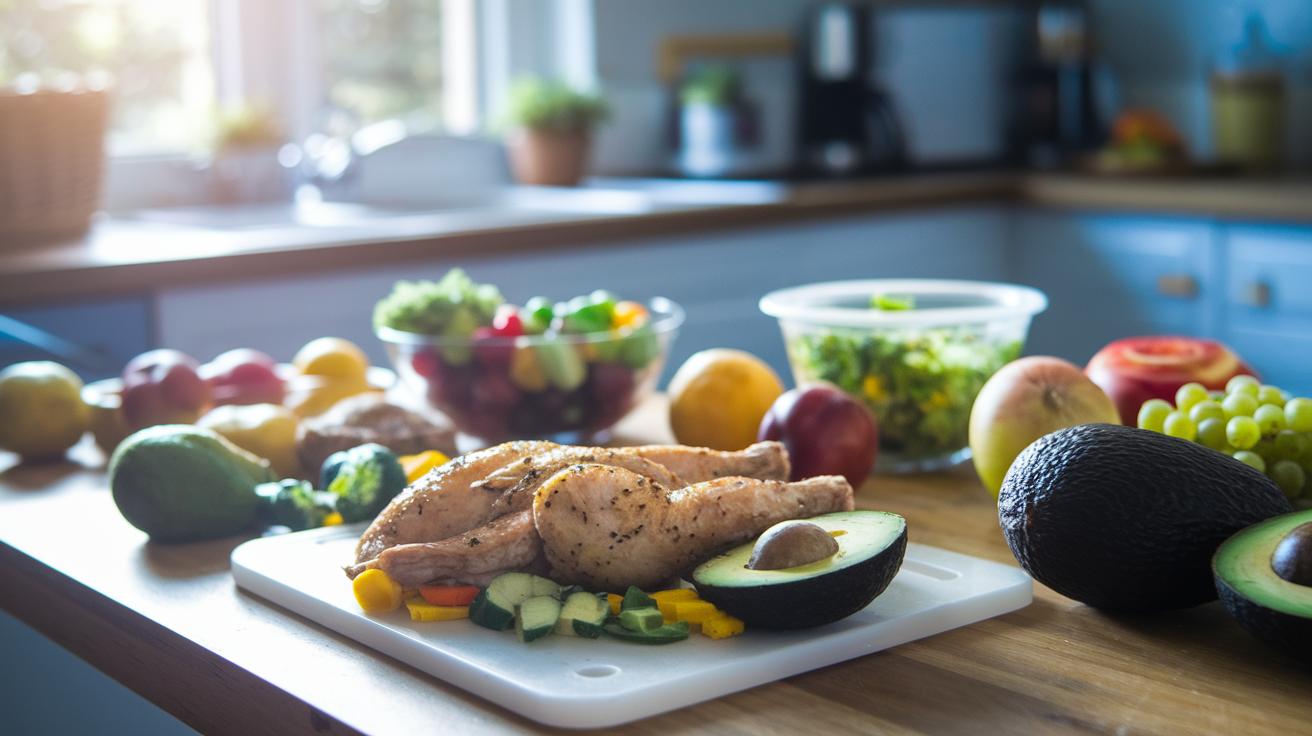
After childbirth, your body needs a little extra boost, especially if you're breastfeeding. It’s like your body is asking, “Hey, can I have some healing fuel?” A smart, balanced diet helps rebuild your strength, supports tissue repair, balances hormones, and lifts your overall well-being. Each nutrient has its own special job, protein fixes muscles, healthy fats boost energy, fiber keeps digestion steady, iron rebuilds blood, and calcium strengthens bones. Plus, a bit of choline and plenty of water go a long way!
Protein acts as the repair crew in your body. Lean choices like chicken, fish, tofu, or beans help mend tissues and rebuild muscles so you can feel sturdy again. Healthy fats from avocado, nuts, seeds, olive oil, and fatty fish not only fuel your energy but also help keep your hormones in check. Fiber-rich foods such as vegetables, fruits, and whole grains keep your tummy happy by steadying your blood sugar and smoothing out digestion.
Iron is vital, too. Foods like red meat, spinach, and beans help boost your blood levels and ward off anemia. Calcium is essential for keeping your bones strong, especially when estrogen is low. Dairy products, fortified alternatives, and leafy greens are great sources of this mineral.
Try to include these nutrients in every meal. Imagine a plate filled with lean proteins, just a touch of healthy fats, a colorful mix of fiber-rich fruits and veggies, along with iron and calcium-packed foods. Add in some choline-rich options like eggs and remember to drink plenty of water throughout the day. This gentle, balanced approach not only keeps your energy up but also nurtures your body through a smooth recovery.
Structuring Your Postpartum Recovery Nutrition Plan with a Mealtime Schedule
After having a baby, creating a simple meal plan can be both practical and nurturing. Try setting up a routine that includes three main meals and two or three snacks each day. This steady schedule helps keep your energy up and makes sure your body gets the nutrients it needs during those important first eight weeks after childbirth.
Imagine using one-pan recipes, pre-cut ingredients, or batch cooking meals that can be quickly reheated during a baby’s nap. Even the little breaks in your day can become perfect moments for cooking. For more ideas, you might want to check out some helpful postpartum recovery tips here: https://womensconference.org?p=11046.
A good plan might look like starting your day with a balanced breakfast, enjoying a light mid-morning snack, and having a solid lunch to keep you going in the afternoon. Then, after a quick snack break, have a satisfying dinner. If you feel like you need a little something after dinner, go for a light bite. This regular pattern not only helps your body heal but also fits nicely into the busy, shifting rhythm of new motherhood.
Meal Prep Techniques and Creative Recipes in Your Postpartum Recovery Nutrition Plan
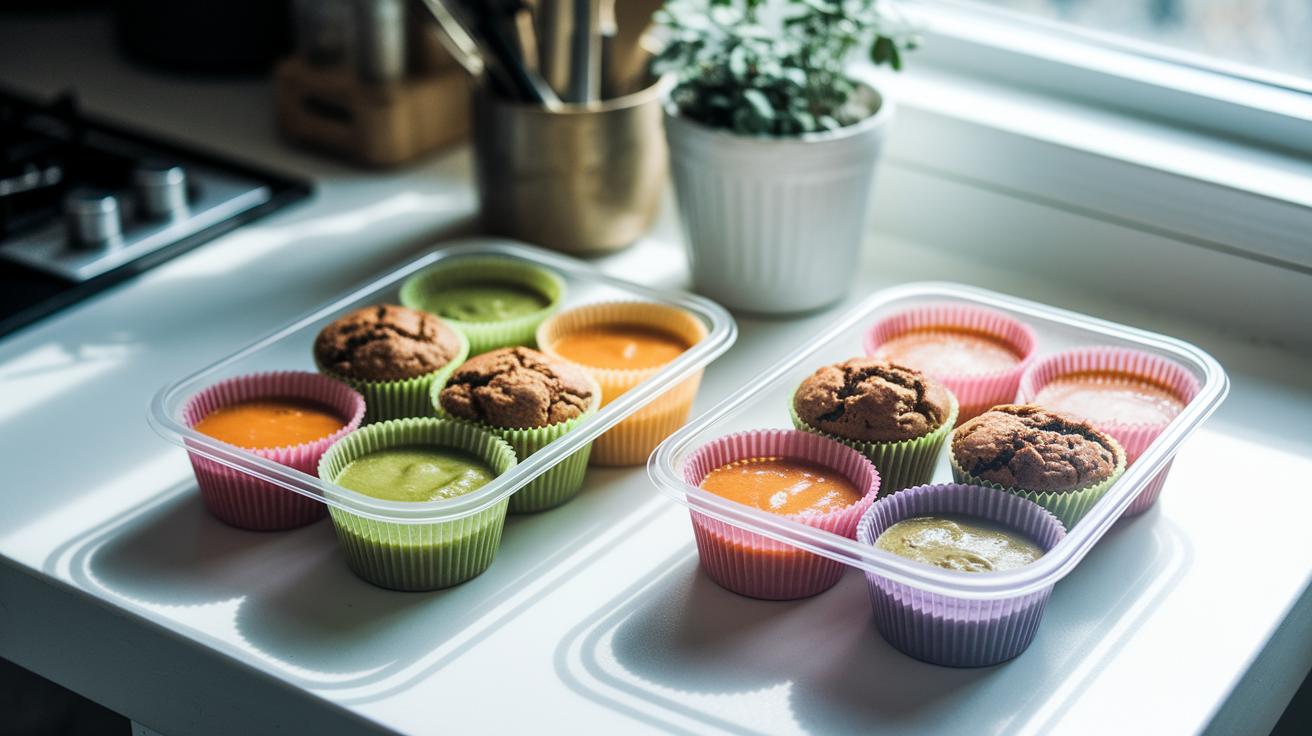
Starting meal prep around 20 weeks into your pregnancy can really make postpartum recovery easier. Imagine cooking up big batches of soups, stews, and casseroles that you can freeze ahead of time. Using freezer-safe glass containers or wrapping meals in parchment paper plus a foil layer means you'll always have a warm and nourishing bite ready when you need it, maybe during a quick baby nap or between feedings.
These creative meal ideas lift some of the stress from your day. Think about easy recipes like egg muffins or a hearty stew that help you refuel without having to spend extra hours in the kitchen.
| Recipe Name | Core Ingredients | Freezing & Reheating Tips |
|---|---|---|
| Egg Muffins | Eggs, spinach, bell peppers, cheese | Store in a sealed container for up to one month or wrap individually for longer storage; reheat in microwave for 1–2 minutes |
| Chicken Noodle Soup | Chicken, vegetables, whole grain noodles | Freeze in individual servings; reheat on stovetop for 5–8 minutes over medium heat |
| Lentil Stew | Lentils, tomatoes, carrots, celery | Use freezer-safe glass containers; reheat in oven at 375°F for about 15 minutes |
| Mango Smoothie Bowl | Mango, banana, coconut milk, granola | Freeze ingredients separately; blend fresh when ready for a nutrient-dense smoothie |
For long-term storage, try labeling each container with the date and recipe name. This little tip helps you keep track of what’s fresh and ready to eat. Casseroles and stews often taste best when warmed on the stove or in the oven, while quick treats like egg muffins just need a minute or two in the microwave. This simple plan not only saves time but also fills your recovery days with the comforting, balanced meals your body needs to heal and regain energy.
Snack Strategies for Energy Restoration in a Postpartum Recovery Nutrition Plan
Postpartum snacks can work like little energy boosters when you’re feeling all out. These healthy treats not only help keep your energy up but also support your body as it heals. Imagine enjoying tart cherry gummies with healing amino acids or a protein-packed egg muffin when time is short, it’s like giving your body a warm, caring hug.
Early mornings or quick breaks can feel a bit hectic, right? That’s when energy bites made with nuts and seeds can come in handy. They give you that quick burst of energy while keeping your blood sugar steady. And sometimes, a premade breakfast burrito, eaten one-handed while you care for your little one, is just perfect.
Adding superfoods like berries, flaxseed, and oats into your snack routine can really boost your recovery and help with lactation. It’s a smart idea to prepare these snacks ahead of time and keep them in airtight containers. That way, when hunger strikes, you’re ready to grab a wholesome bite, reducing the need for processed snacks. It’s a simple, nurturing way to keep your energy steady throughout the day.
Hydration and Supplementation in a Postpartum Recovery Nutrition Plan

After having your baby, keeping your body well-hydrated is one of the easiest ways to help yourself feel better. Drinking water aids in tissue repair, keeps your energy up, and even helps with breast milk production. Try to drink about eight to ten cups a day. And if you ever feel a bit light-headed or off, that might be your body telling you to take in a little extra water. It really does help keep tiredness at bay, especially during those hectic first few weeks.
Your body also needs extra micronutrients to heal well after childbirth. Extra iron is useful to replace what your body lost during delivery, while calcium and vitamin D work hand-in-hand to keep your bones strong when your estrogen levels drop. Adding choline and sticking with your prenatal vitamins (if you're breastfeeding) can boost tissue repair and help keep your energy steady. For more details, you might want to check out the maternal diet and wellness guidelines.
Safety is just as important as the nutrients you choose. Keep your caffeine intake under 200 mg each day so you don’t feel too jittery or have a fast heartbeat. Relying on whole, minimally processed foods can naturally give you a boost too. By mixing proper hydration with the right supplements, you’re giving your body the best support possible as you regain strength during your postpartum recovery.
Adapting Your Postpartum Recovery Nutrition Plan for Breastfeeding
When you're breastfeeding, your body needs a bit of extra love. You might need 300–500 extra calories each day, plus more protein and vital nutrients like choline (a nutrient that helps with brain development). For the first eight weeks after your baby is born, try adding a little extra goodness to your regular meals. It’s like wrapping your body in gentle care and plenty of nourishing energy.
Picking foods that are packed with nutrients makes a big difference. Lean proteins like chicken, tofu, or beans work wonderfully, and whole grains, fruits, and vegetables bring the fiber, vitamins, and minerals you need. Eating natural, wholesome foods helps your body heal faster and keeps your milk supply steady. Even small changes, like a bit larger portions here and there, can make your meals more supportive during this special time.
Safety is always important when you adjust your diet. For example, if you’re enjoying fish, try to keep it to two or three servings a week. This helps you avoid too much mercury while still getting the good omega-3 fats. Just keep an eye on how different foods make you feel, and remember that a balanced approach keeps both you and your little one happy and healthy.
Final Words
In the action, this article walked through crafting a postpartum recovery nutrition plan that gives you the energy and healing you need. We talked about the basics of postnatal eating, from key nutrients like protein and iron to smart mealtime scheduling and easy meal prep ideas. We also offered practical tips on snacks, hydration, and caring for yourself while breastfeeding. Each section was designed to give you clear, evidence-based support for a balanced, nourishing plan. Remember, small changes each day can help you feel stronger and more confident.
FAQ
Frequently Asked Questions
What is a postpartum diet plan while breastfeeding?
The postpartum diet plan while breastfeeding is a balanced eating guide that boosts nutrient intake, supports healing, and aids milk production by including proteins, healthy fats, fruits, and vegetables.
Is there a free postpartum recovery nutrition plan available?
The free postpartum recovery nutrition plan offers meal ideas, nutrient suggestions, and portion guidelines that aid in healing and help meet increased calorie needs during breastfeeding.
What should a postpartum diet include for weight loss?
The postpartum diet for weight loss focuses on nutrient-rich foods, controlled portions, and balanced meals that fuel the body while promoting healthy recovery without compromising energy.
Where can I find a Postnatal diet PDF?
The Postnatal diet PDF is a downloadable guide detailing meal plans, nutritional tips, and healthy recipes designed specifically to support recovery and energy for new mothers.
What foods should I avoid on a postpartum meal plan?
The postpartum meal plan advises avoiding highly processed foods, excess sugars, and unhealthy fats, opting instead for whole foods that promote healing and steady energy levels.
Are downloadable postpartum weight loss plans available in PDF format?
Downloadable postpartum weight loss plans in PDF format offer structured meal and snack schedules, calorie guidelines, and nutrient-focused recipes suitable for breastfeeding mothers.
What foods are good for postpartum healing?
Postpartum healing benefits from foods like lean proteins, whole grains, colorful fruits, and vegetables, which supply the necessary vitamins and minerals for tissue repair and overall recovery.
What is the 5 5 5 rule postpartum?
The 5 5 5 rule postpartum suggests eating five servings of fruits and vegetables, drinking five cups of water, and taking a five-minute walk after meals to help support recovery and maintain energy.
What are the nutritional needs of postpartum mothers?
The nutritional needs of postpartum mothers include extra calories, more protein, healthy fats, and essential vitamins and minerals, all aimed at supporting tissue repair, energy restoration, and breastfeeding.
What should be the postpartum diet?
The postpartum diet should be well-balanced, featuring lean proteins, complex carbohydrates, fruits, vegetables, and healthy fats to foster robust healing and meet increased nutritional requirements.