Have you ever felt a little lost after your baby arrived? The first few months can be full of ups and downs with lots of changes both in your body and your emotions. Support means so much more than just easing your aches; it gives you kind advice, warm comfort, and simple steps that help you find your strength little by little.
Imagine someone checking in with you regularly, reminding you to take a moment for yourself. Those small acts can turn everyday challenges into opportunities for growth. So, as you heal, let it be a chance to reconnect with your inner strength and feel the warmth of shared care.
postpartum recovery support: Embrace Strength Today
After having a baby, many moms start a time called the fourth trimester, a special 12-week period where feelings and bodies adjust. It’s a mix of joy and worry, and having a strong support plan can really help ease the discomfort while lifting your confidence.
Support during this time goes beyond just physical healing. It means having everyday tools that help with pain, meals, and even quiet check-ins on your feelings. This caring approach makes daily routines a little easier and helps you feel both nurtured and empowered.
- Pain relief and healing supplies
- Supportive recovery garments
- Nutritional and hydration guidance
- Physical therapy and gentle exercise
- Mental health resources and peer groups
- Breastfeeding and baby care essentials (see the postpartum recovery kit for detailed recommendations)
For example, using over-the-counter pain relievers and a soothing ice pack can help ease aches, while wearing comfy, supportive clothing can make moving around simpler. A little bit of gentle exercise or stretching each day can lift your mood and speed up healing. Drinking water with balanced meals supports your body’s need for hydration and nourishment. Even taking a brief pause to chat with a friend or simply rest can make a big difference.
Every small step, shared with care, helps you reclaim your strength. This time of recovery is not just about healing, it’s about giving yourself the care you deserve as you rebuild energy and create a warm space for both you and your little one.
Nutrition and Exercise in Postpartum Recovery Support

Postpartum Nutrition Guidelines
Taking care of your body after having a baby starts with eating nourishing meals. If you’re breastfeeding, try adding about 300–500 extra calories a day. Focus on lean proteins to help rebuild your body, iron-rich foods to replace lost blood, and plenty of fiber-rich fruits and veggies to support smooth digestion. Don’t forget to drink 8–10 glasses of water daily to keep your body healing properly.
Imagine treating yourself to a little snack packed with good nutrients, like a small bowl of Greek yogurt with fresh berries. This simple habit gives you a burst of energy and vital vitamins, helping you feel stronger and more ready to tackle your day.
Safe Exercise Recommendations
Before you jump back into exercise, check with your doctor, usually around 6 weeks after delivery is a good time to start. Begin with gentle routines such as pelvic tilts, light yoga, or a short walk. These activities help strengthen your core and boost circulation without putting too much strain on your body. As you gradually increase low-impact workouts, you can boost your mood while supporting physical recovery.
For instance, you might start with a 10-minute walk around the block. Over time, as you feel more at ease, extend your walk or add some gentle yoga stretches. This slow progression makes exercise a kind and steady friend in your recovery journey, helping you rebuild your strength at your own pace.
Mental Health and Emotional Well-being in Postpartum Recovery Support
Bringing a new baby home can stir up a mix of feelings during those first few months after childbirth. Some days shine with joy, while other days might feel heavy with worry or sadness. It’s completely normal to experience these ups and downs as your body and emotions adjust. In fact, about 1 in 7 moms may face postpartum depression, which means feeling persistently low, dealing with rapid mood changes, or feeling extra anxious. Imagine having moments of happiness mixed with feeling overwhelmed, even that’s part of the process.
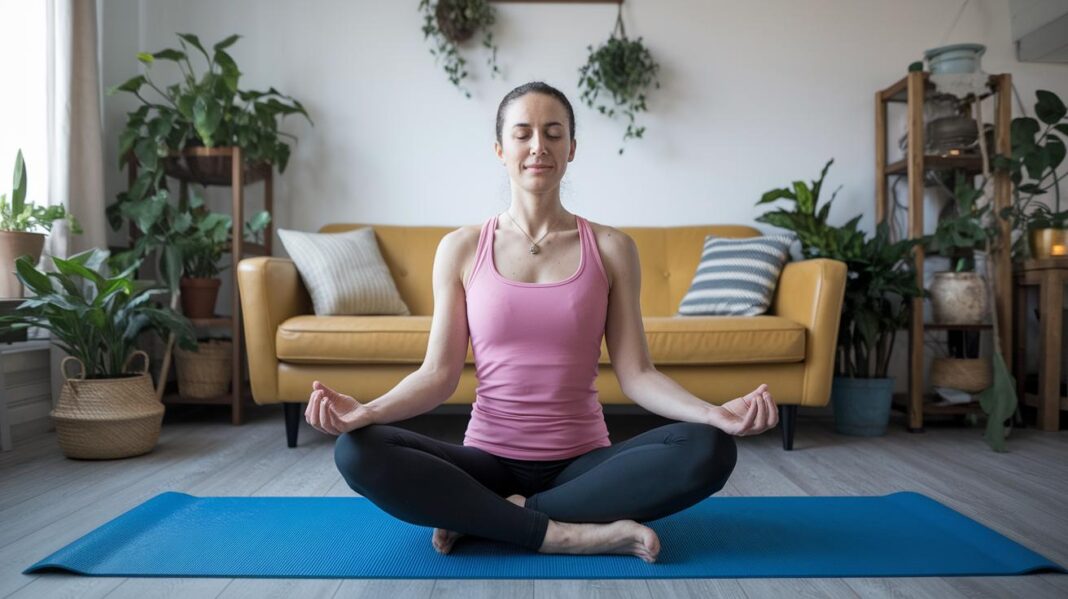
There are gentle ways to ease some of the stress. You could try simple mindfulness exercises, practice deep breathing, or even enjoy a few stretches with light yoga. A small break, whether reading a book or listening to soft, soothing music, might do wonders in helping you feel a bit more balanced.
Talking with others can also be really comforting during this time. Many moms find warmth and understanding in support groups where experiences are shared, making it easier to feel connected. And if the feelings ever become too much to handle by yourself, reaching out to a professional counselor or support hotline can be a caring step forward.
Postpartum Recovery Support Garments: Belts, Binders, and Leggings
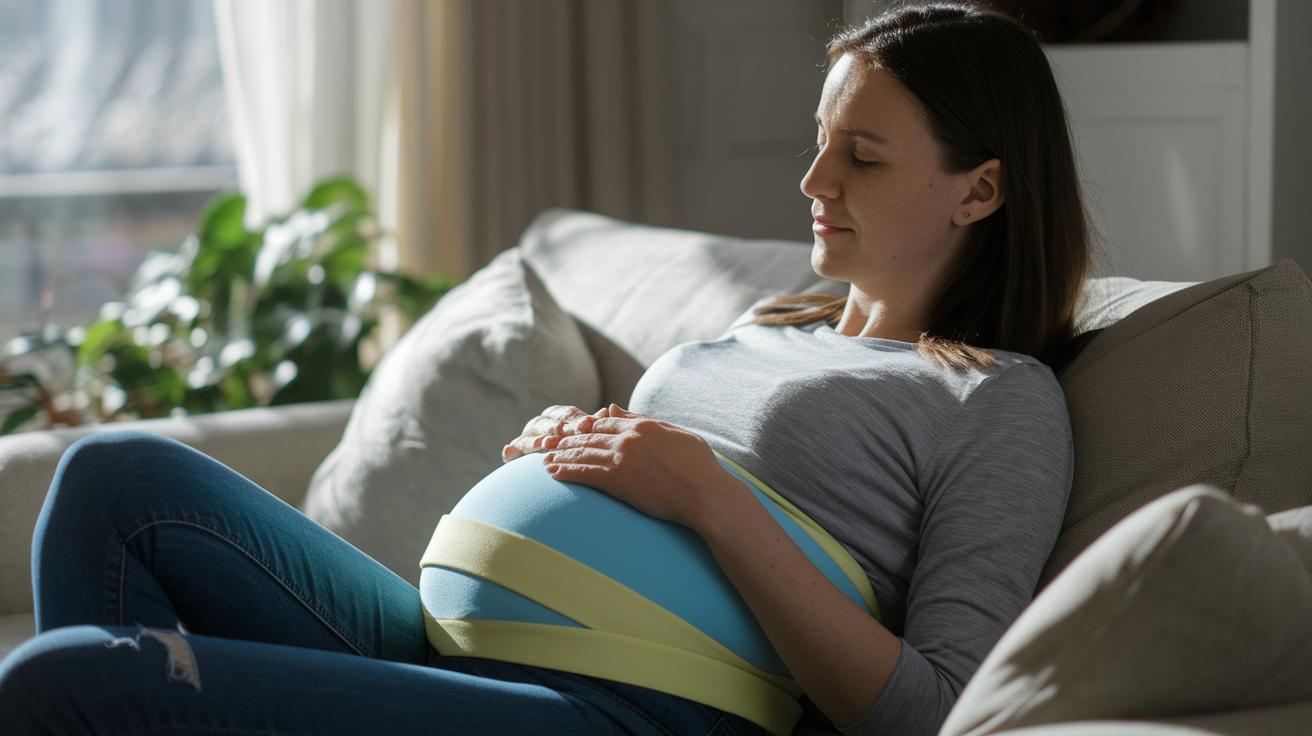
After having a baby, your body can feel a bit wobbly, and a little extra care goes a long way. Special postpartum recovery garments, like maternity belts, abdominal binders, and compression leggings, are made to gently support your core, lower back, and pelvic area throughout the fourth trimester (the first few months after birth when healing is still happening). These aren’t your everyday clothes; they come in different styles and levels of support to match your unique recovery needs.
Some items, like soft elastic bands, offer light compression that feels good during daily activities. Others, such as structured girdles, give firmer support, which can help ease the tension from conditions like diastasis recti (a separation in the abdominal muscles) or pelvic pain. For moms who have had a cesarean, there are options made from softer fabrics to avoid irritating the incision, making healing as smooth and safe as possible.
| Garment Type | Compression Level | Best For |
|---|---|---|
| Elastic Band | Mild | Daily comfort, light activities |
| Structured Girdle | Firm | Diastasis recti, pelvic support |
| Abdominal Binder | Medium | C-section incision support |
| Compression Leggings | Medium | Full-day wear, gentle movement |
When you’re picking out a support garment, think about what your body needs most. A gentle elastic band might be just right for everyday movement, while a structured girdle could be better when you need extra support. Abdominal binders are great for moms recovering from a C-section, but make sure they’re placed carefully so they don’t press on your healing incision. And remember, you don’t want to tighten the garment too much, over-compression might make it harder to breathe or move around easily.
Consider these garments as a kind helping hand in your recovery journey, gently supporting you while you rebuild strength and feel more like your old self again.
Professional Referrals and Community Resources for Postpartum Recovery Support
When you’re on the path of recovery after your baby arrives, reaching out to caring professionals can really make that journey smoother. Chat with your obstetrician, midwife, or even a pelvic floor physical therapist. Don’t forget about lactation consultants and mental health counselors who are there to help guide you (think of them as gentle helpers on your healing journey). It’s a good idea to book your baby’s first clinic check-up within 3–5 days after birth and set up a maternal visit around 6 weeks later. This timing helps catch any little bumps early and gives you a clear plan to feel better soon. Sometimes, even the smallest tip from a lactation consultant can turn a challenging moment into a little win.
It also helps to connect with others who understand what you’re going through. Local postpartum support groups, online forums, and family planning clinics aren’t just sources of advice, they’re communities where you can share your story and listen to someone else’s over a warm cup of tea. These networks often come with volunteer help or meal-train services, taking a load off your daily tasks so you can focus on healing. Imagining that simple moment of comfort makes all the difference, doesn’t it?
Remember, every step you take on this recovery path counts. Whether it’s a professional’s reassurance or a friendly conversation in a support group, each bit of help adds up to a nurturing, supportive experience during this special time in your life.
Final Words
In the action of caring for yourself after birth, this article touched on essential recovery steps, from assembling the recovery kit to including pain relief supplies, supportive garments, and gentle nutrition and exercise. Each section offered steps to ease the emotional and physical shifts of the new phase.
We hope these insights on postpartum recovery support help you feel more equipped and comforted as you embrace the fourth trimester with renewed strength and positivity.
FAQ
What does postpartum recovery support for C-section include?
The postpartum recovery support for a C-section includes specialized compression garments that protect your incision, pain management supplies, and gentle healing products designed to reduce discomfort and promote safe recovery.
What products and items are essential for postpartum recovery?
The essential items for postpartum recovery include pain relief supplies, supportive recovery garments, hygiene products, and self-care resources that together form a kit to help you heal comfortably after birth.
Can postpartum recovery garments be covered by insurance?
Some insurance plans may cover postpartum recovery garments if they are deemed medically necessary. It’s best to check with your provider to see if you qualify for coverage on these supportive products.
What type of postpartum compression garment is recommended for natural birth?
The recommended postpartum compression garment for a natural birth offers gentle, targeted support to your core. It helps alleviate discomfort and assists in stabilizing muscles as you recover.
What is the Motif Postpartum Recovery support garment?
The Motif Postpartum Recovery garment is crafted with soft, adjustable fabric to provide comfort and secure support during your healing process, easing daily movements and offering reassurance.
When is it too late to wear a postpartum belly wrap?
Postpartum belly wraps are most beneficial in the early weeks after birth. If significant time has passed, it is wise to seek advice from your healthcare provider regarding continued use.
What is the 5 5 5 rule for postpartum recovery?
The 5 5 5 rule advises wearing a supportive garment for five hours a day during the first five weeks postpartum to gently ease discomfort and help with the healing process.
What helps mothers recover faster after giving birth?
A balanced approach combining ample rest, nutrient-rich meals, gentle exercise, and thoughtfully selected recovery products can help mothers recover faster by supporting both physical healing and emotional well-being.
What does the 40 day rule after birth mean?
The 40 day rule encourages new mothers to prioritize rest, bonding with their baby, and gentle self-care during the first 40 days to support overall recovery and adjustment after birth.