Have you ever felt that your postpartum visit could be more than just a checkup? Many moms discover that this time is not a plain routine exam at all. It’s a special moment to share how you’re healing, ask the important questions, and talk about both how you feel physically and emotionally.
This guide will help you know what to expect during your visit. It shows how this time can be full of care and support, giving you that extra boost as you recover after childbirth.
What to Expect at a Postpartum Visit
When you come in for your postpartum visit, you'll meet your OB/GYN or midwife to check on how you're doing after your baby arrives. Many moms say that asking questions early on really helps clear up the fog of recovery. Doctors usually suggest you have a first checkup within three weeks after childbirth and a more detailed visit by 12 weeks.
During your visit, your healthcare provider will do an exam much like your yearly gynecological checkup. They might check your pelvis with a Pap test, look at your breasts, and make sure your uterus is gradually returning to its pre-baby size (about the size of a pear by two months). It’s a friendly, routine exam meant to help you feel cared for.
You’ll also have time to talk about how your recovery is going, whether you had a vaginal birth or a C-section. Moms often share concerns like challenges that can come up after conditions such as preeclampsia or surgery. Plus, you can discuss plans for a future pregnancy, most experts suggest waiting around 18 months before trying again. This thoughtful follow-up is a bit like your prenatal care, focusing on your long-term well-being and gently guiding you forward.
Timing of Your Postpartum Visit
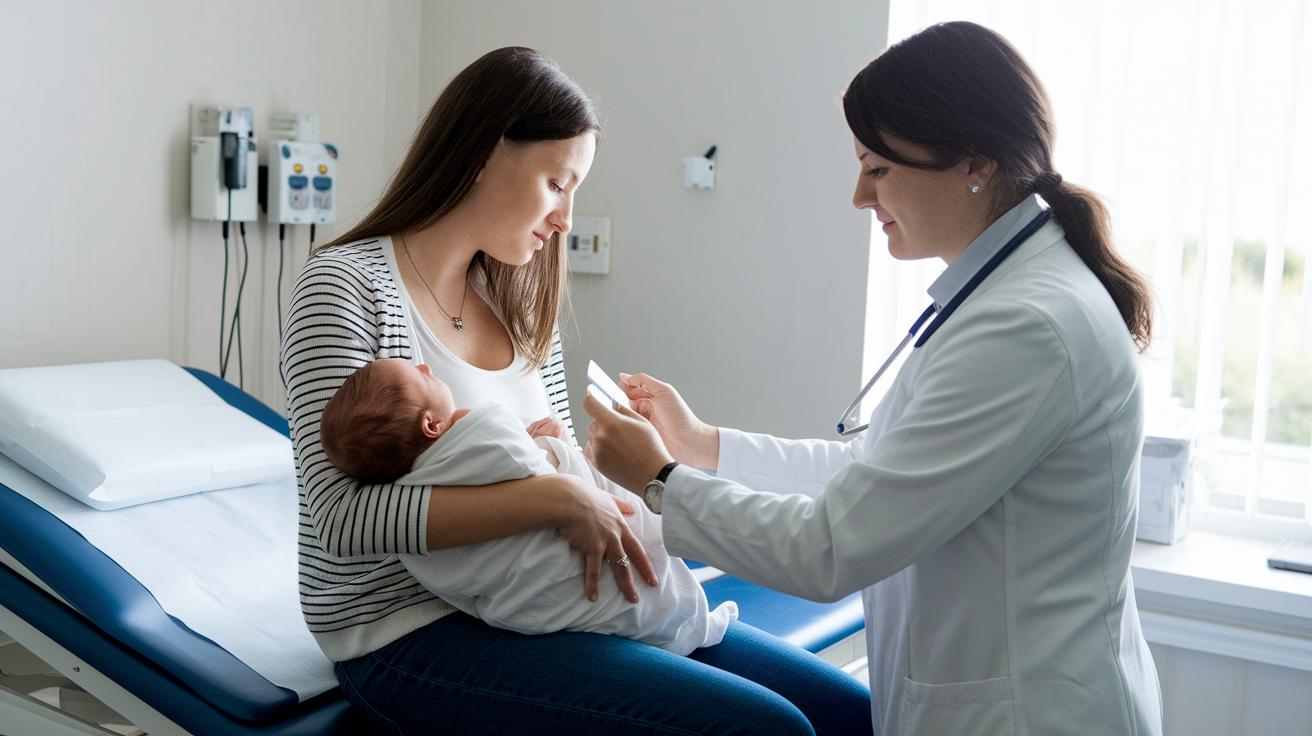
New moms should really try to have a checkup within three weeks after birth. This early visit helps make sure your body is healing well and that you're feeling supported emotionally. It used to be that many doctors only scheduled one visit around four to six weeks after delivery, but now they recommend an early checkup to catch any concerns sooner.
If you had a C-section, keep in mind that it's best to avoid heavy lifting, driving, or hard exercise for about four to six weeks. This extra time gives your incision a chance to heal properly and helps you feel more comfortable as you start your physical recovery.
To set up your checkup, just give your OB or midwife’s office a call. And if you happen to miss your appointment, be sure to reschedule instead of skipping it. Think of this visit as your personal six-week review, a gentle reminder that you're taking care of both your body and your feelings as you heal.
Key Components of the Postpartum Visit
When you go to your postpartum checkup, your doctor takes a close look at how your body is healing and how you’re feeling. It’s a friendly, head-to-toe exam that covers both your physical recovery and your emotions. They start by checking simple things like your blood pressure, weight, and heart rate. Think of it like tuning up a car after a long trip to make sure everything runs smoothly.
Your exam also includes a pelvic exam with a Pap smear and a gentle breast exam. Your doctor will check that your uterus is getting back to its normal size, about the size of a pear by two months. If you had a C-section, they will carefully look at your scar to be sure it’s healing well. Sometimes, they may ask for a urine sample or even a bit of blood to check your thyroid and hormone levels.
The visit isn’t only about the physical parts; it’s also a chance to talk about your feelings. Your doctor will ask about signs of postpartum depression or anxiety, like feeling very sad, crying a lot, or having trouble sleeping. They might even chat with you about when it’s safe to start exercising again or resume sexual activity. It’s a great time to ask questions about birth control and get extra breastfeeding support if you need it.
Here are eight key things they check during your visit:
- Pelvic exam with a Pap smear and breast exam
- Vital signs check (blood pressure, weight, and heart rate)
- Checking that your uterus is back to a pear size by about two months
- Inspection of any C-section or episiotomy incision
- Lab tests to review thyroid and hormone levels
- Screening for physical issues like preeclampsia, incontinence, hemorrhoids, or constipation
- Mental health screening for signs of postpartum depression and anxiety
- Talks about starting exercise, sexual activity, using contraception, and breastfeeding support
Preparing for and Following Up Your Postpartum Visit

Getting ready for your postpartum visit can really help your recovery go smoothly. It’s a good idea to set up your appointment early, ideally within three weeks after your baby is born, so you can catch even the smallest issues right away. You might even jot down a question like, "When can I start a gentle walk, like a calm morning stroll with my baby?" and keep it handy for your visit.
Here are some friendly tips to help you prepare:
- Book your appointment within three weeks of delivery.
- Write down any questions or note any symptoms you’ve been noticing.
- Gather your important records, such as your birth summary and any details about a C-section.
- Bring a friend or family member if having someone there makes you feel more at ease.
- Wear loose, comfy clothes to help you relax during your exam.
- Check ahead to see if the clinic allows infants, especially if you're planning to bring your baby along.
After your visit, keep these in mind:
- Reschedule any missed appointments as soon as possible.
- Keep an eye on your recovery by noting changes in bleeding, pain, or mood.
- Follow your provider’s advice on taking care of any incisions or on pelvic floor exercises.
- Attend any recommended self-care sessions, like a breastfeeding check or lactation support group.
- Talk about your plans to go back to work and consider joining a mommy-and-me session for extra support.
For a little extra help with self-care during this healing time, you might want to check out resources like a guide on postpartum recovery tips or even look into a postpartum recovery kit to add some comfort to your routine.
Insurance, Coding, and Administrative Aspects of Postpartum Visits
When you have a postpartum checkup, your care is noted using the right ICD-10 and CPT codes. This is done for your early checkup (within three weeks) and your full checkup (by 12 weeks). Keeping clear and simple records helps make sure your insurance covers these important visits. Imagine jotting down in a journal, "Visit on March 5, Pap smear, incision check, vital signs noted." It’s all about making every detail clear!
Your doctor often writes down the visit date, the things that were done, any test results, and notes about referrals. This careful note-taking helps you and your care team stay on track. Sometimes, if you do your checkup on time, your health plan might even give you a little extra perk, like a portable play yard with a bassinet. It’s a friendly nudge to keep up with your appointments!
If you ever end up missing an appointment, let both your insurance and your doctor know right away. Rescheduling quickly helps keep your coverage active and your records up to date. This extra bit of attention to paperwork really supports your long-term health and recovery.
Postpartum Visit FAQs and Common Concerns

-
Which symptoms require urgent care?
If you notice heavy or long-lasting bleeding, a high fever, severe pain, a fast heartbeat, or sudden mood shifts, these are signs to get help quickly. Picture it like feeling a sudden surge in your heartbeat, it’s your body's way of saying, “Please check in with your doctor right away.” -
What risk factors should be monitored after delivery?
If you had high blood pressure, gestational diabetes (high blood sugar during pregnancy), or any issues after a C-section, then it’s extra important to keep an eye out. Look for any odd swelling or problems with the wound, as these might be signals that something needs attention. -
How can you tell if complications are developing?
Sometimes, things like increased redness or warmth near a cut, or pain that just gets worse, might mean an infection or another issue is forming. These signs are hints from your body telling you to get checked sooner rather than later. -
What steps should you take if overwhelming emotional changes occur?
If you’re feeling persistently sad, notice quick mood shifts, or lose interest in regular activities, these feelings could be signs of postpartum depression. It might be a good idea to reach out to your healthcare provider to talk about what you’re experiencing.
Final Words
In the action, we explored what a postpartum visit entails and how it supports your recovery and well-being. We covered timing, key physical and mental health checks, and tips to prepare for follow-ups. Each step is designed to help you feel cared for and informed. Remember, a postpartum visit keeps you and your new baby on the path of wellness. It’s a small step that makes a big difference in your overall recovery and happiness. Keep shining and take care of yourself!
FAQ
What is a postpartum visit?
The postpartum visit is a post-birth appointment where an OB or midwife checks a new mother’s physical, mental, and emotional recovery through exams, screenings, and useful guidance on self-care and future planning.
When should a postpartum visit be scheduled and how many visits are needed?
The visit is typically scheduled first within 3 weeks after birth and followed by a comprehensive check by 12 weeks. Most women have one to two appointments based on their recovery and provider recommendations.
What does a postpartum visit checklist include?
A postpartum visit checklist usually covers vital signs, a pelvic exam (sometimes with a Pap smear), breast checks, a review of uterine size, mental health screening, and evaluation of any recovery issues like incision care for a C-section.
What happens at a 6-week postpartum visit and are there special considerations for C-section recovery?
The 6-week checkup reviews recovery progress, screens for complications, and discusses resuming exercise, intimacy, and contraception. For C-sections, it also involves a close look at incision healing and tailored activity recommendations.
What is the 5 5 5 rule in postpartum care?
The 5 5 5 rule is an online guideline meant to remind new mothers of important self-care steps, including regular checkups, brief daily recovery evaluations, and simple measures to support overall well-being.