Have you ever thought that your workout might be doing more harm than good? Jumping back into exercise too soon can hurt your tummy muscles and the muscles around your lower belly, and that might lead to ongoing pain.
In this piece, we'll chat about common workout errors after having a baby and share easy tips to help you heal safely. When you ease back into strength training gently, you can avoid problems like back pain and a condition where your tummy muscles separate (called diastasis recti).
Stick with us for clear, friendly advice that can help you feel steady and confident again after childbirth.
Avoiding Postpartum Workout Mistakes: Framework for Safe Exercise Resumption
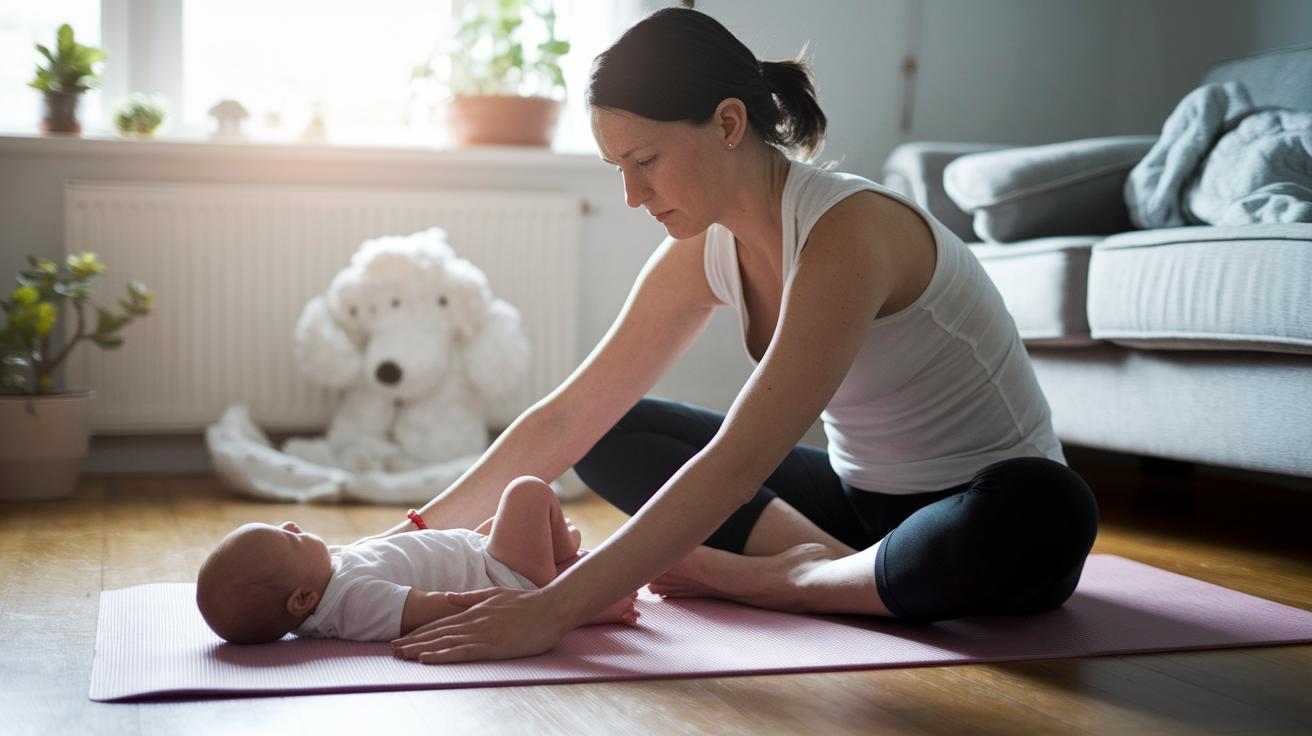
When it comes to getting back into exercise after having a baby, a gentle approach matters most. It’s all about helping your body heal and feel normal again instead of rushing to change your figure quickly. New moms really benefit from taking things slow and steady, building up strength bit by bit. If you jump into hard workouts too soon, you might hurt your muscles, especially your core and pelvic floor, which can cause back pain or even diastasis recti. Skipping proper warm-ups, cool-downs, or expert advice could lead to problems that linger far longer than you’d like. Taking your time now means a stronger, healthier recovery down the road.
Being careful isn’t just about building strength, it also helps avoid mistakes that can keep you from feeling your best. It’s important to sidestep common pitfalls for a safer, more supported journey back to fitness. Here are six frequent mistakes moms make after childbirth:
- Starting tough, intense workouts too soon without enough healing time
- Forgetting to include pelvic floor exercises in daily routines
- Not seeking advice from experts in postpartum fitness
- Rushing your workout routine by increasing intensity too fast
- Overlooking the need for proper warm-ups, cool-downs, and stretches
- Depending only on high-impact moves that put too much strain on your core and pelvic floor
Each of these can put extra stress on muscles that are still getting back to normal. By choosing exercises that focus on rebuilding strength and promoting healing instead of quick fixes, you’re setting up a safe and successful path for your overall recovery.
Skipping Pelvic Floor and Core Strengthening in Postpartum Routines
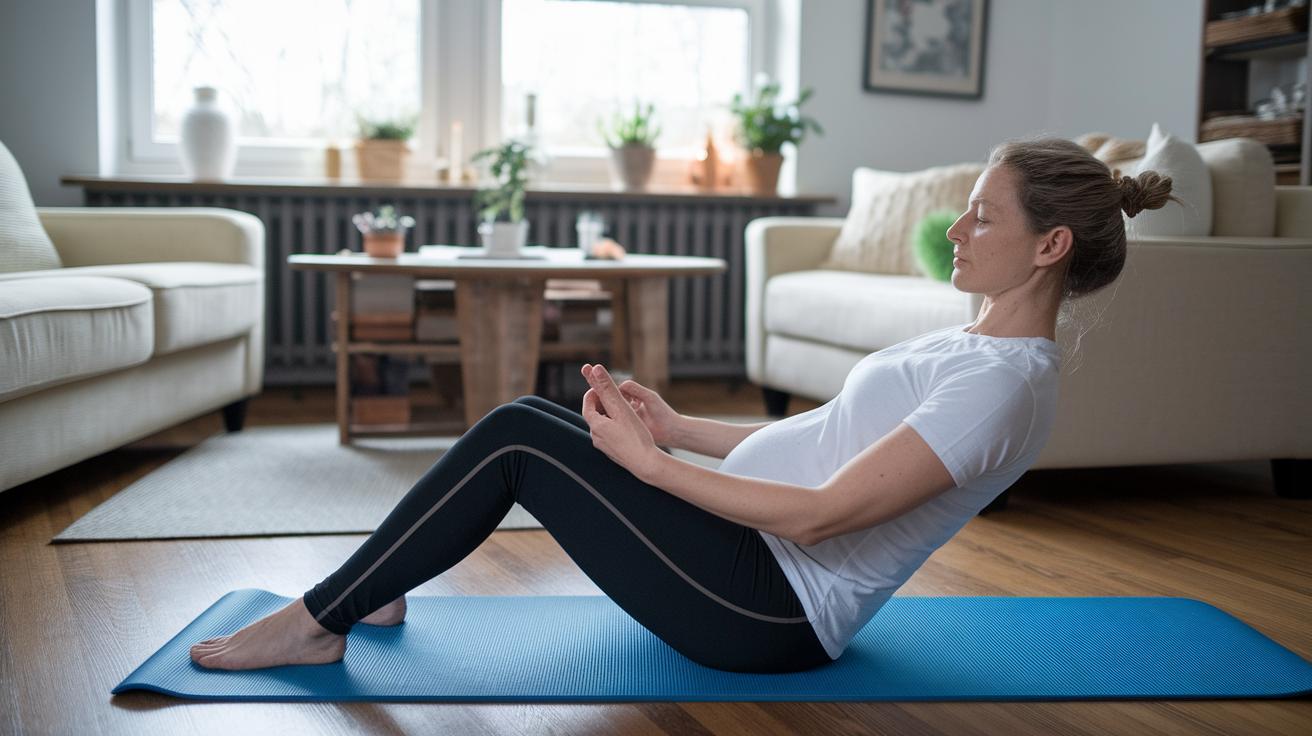
When moms skip the gentle exercises that support the pelvic floor and core, it can lead to issues like pelvic pain, incontinence, and worries about diastasis recti (a condition where your abdominal muscles separate). Even if you were active before or during pregnancy, your body needs a gradual approach to rebuild its strength. Think of it like trying to build a house without a solid foundation, no matter how pretty it is, it just won't feel secure. This oversight can slow your recovery and make everyday tasks feel more challenging than they need to be.
Adopting safe modifications for your postpartum workouts can really help you heal and build lasting strength. Try adding simple moves like gentle pelvic tilts, modified bridges, and mindful breathing while you work on your core. These exercises support recovery without overstraining sensitive muscles. And by keeping your workouts short and slowly increasing the intensity, you help your body rebuild stability. Have you ever noticed how a small change can make a big difference in your day? This thoughtful approach sets you up for healthier movement as you continue nurturing your body during recovery.
Rushing Into High-Impact and Intense Postpartum Workouts Too Soon
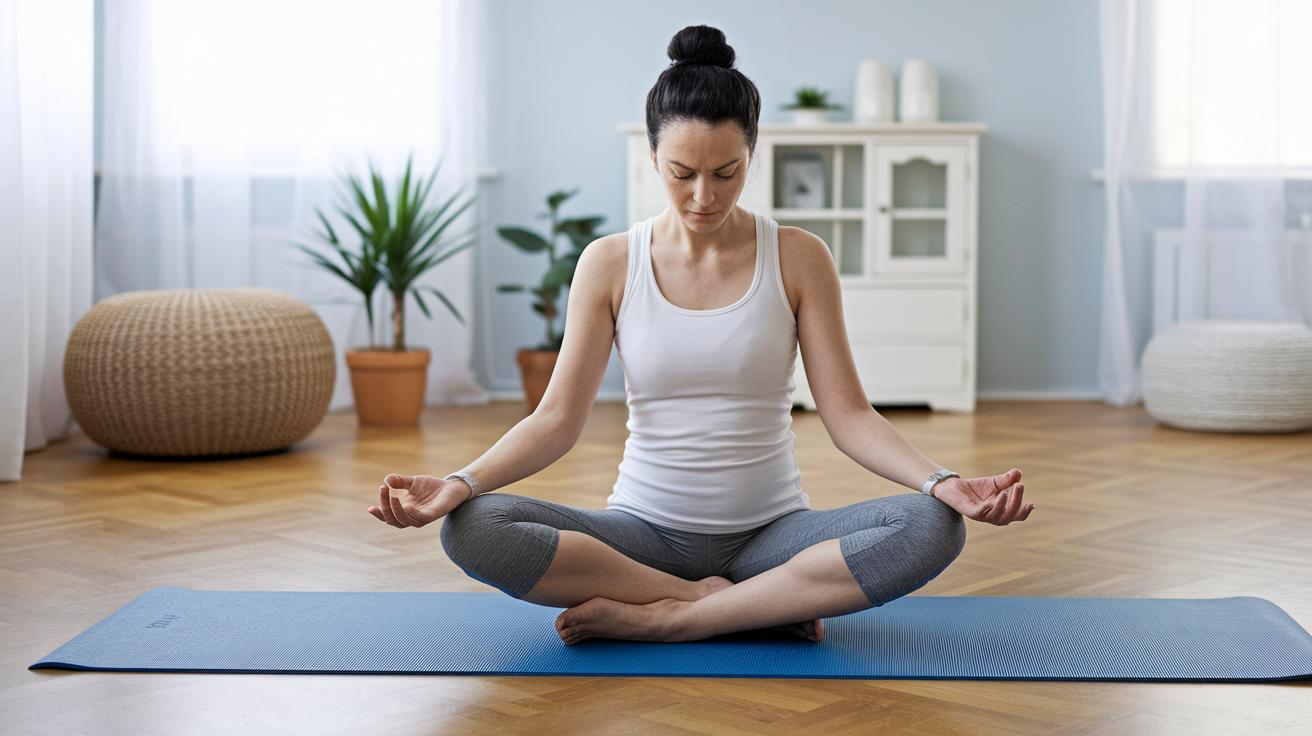
New research shows every mother heals in her own time. Experts now say it’s best to ease into exercise with a plan that fits your unique recovery. Studies suggest many moms might be ready to slowly increase activity around six to eight weeks after birth. Try starting with gentle pelvic tilts and light core moves until you feel ready for more effort.
Instead of rushing back to heavy workouts, team up with a postpartum specialist. Together, you can build a plan based on little wins along the way. One expert shared, "I began with easy, modified moves and slowly added a bit of resistance as my body got used to it. Each week, the exercises felt more natural." This careful approach helps protect your core and pelvic floor, while setting the stage for long-lasting strength and healing.
Neglecting Proper Workout Progression and Recovery Intervals in Postpartum Fitness
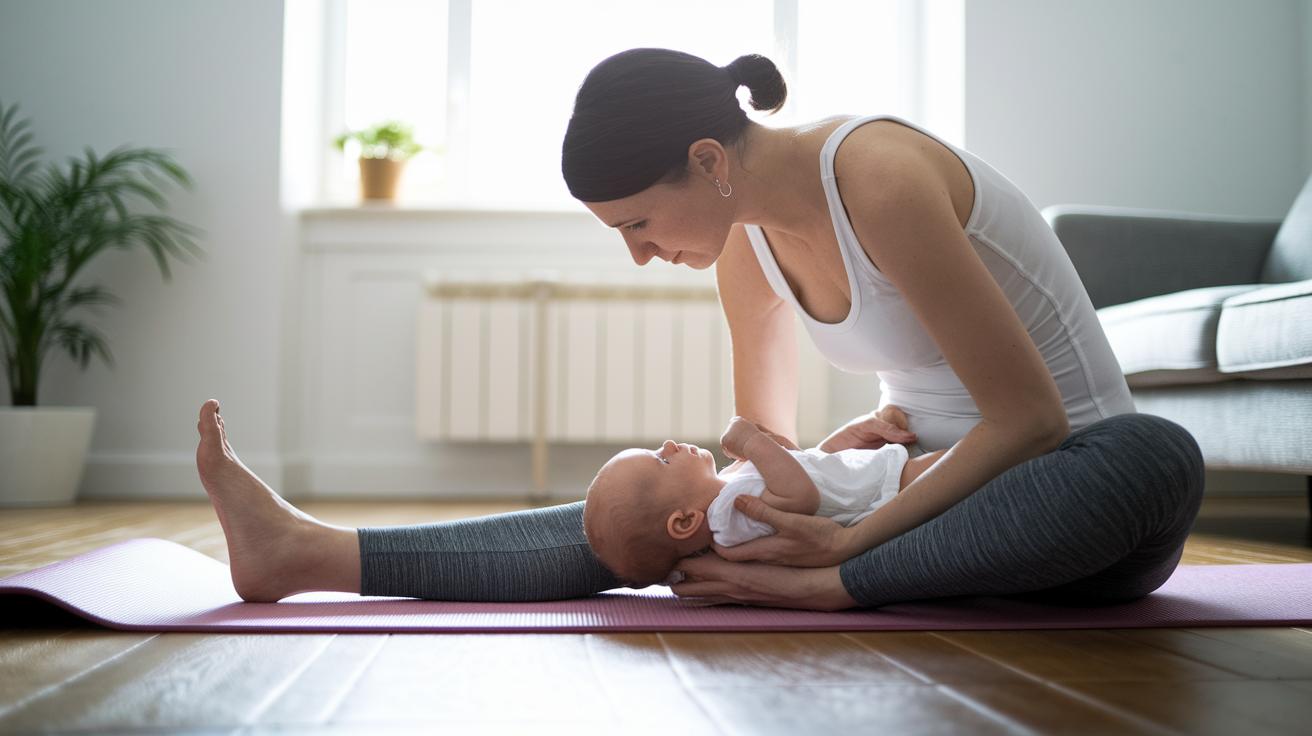
After having a baby, restarting your exercise routine needs to be gentle and gradual. Keeping workouts short, about 10 to 30 minutes, three or four times a week helps your body rebuild strength without getting overwhelmed. If you push too hard right away or skip your rest days, you could end up with sore muscles or even issues with your core or pelvic floor. It’s best to really listen to your body and ease into new routines slowly. This way, every workout helps you heal and grow stronger, rather than leaving you worn out.
For a bit more guidance on taking it slow and steady, you might want to check out some evidence-based postpartum healing techniques.
- Start with short, moderate workouts and slowly build up from there.
- Aim for three to four workout days each week and be sure to include rest days.
- Only add extra time or intensity when you feel completely ready.
- Keep an eye on how your body feels and adjust your exercise plan if needed.
- Make recovery a top priority to support your healing and overall strength.
Ignoring Warm-Up, Cooldown, and Stretching in Post-Delivery Exercise
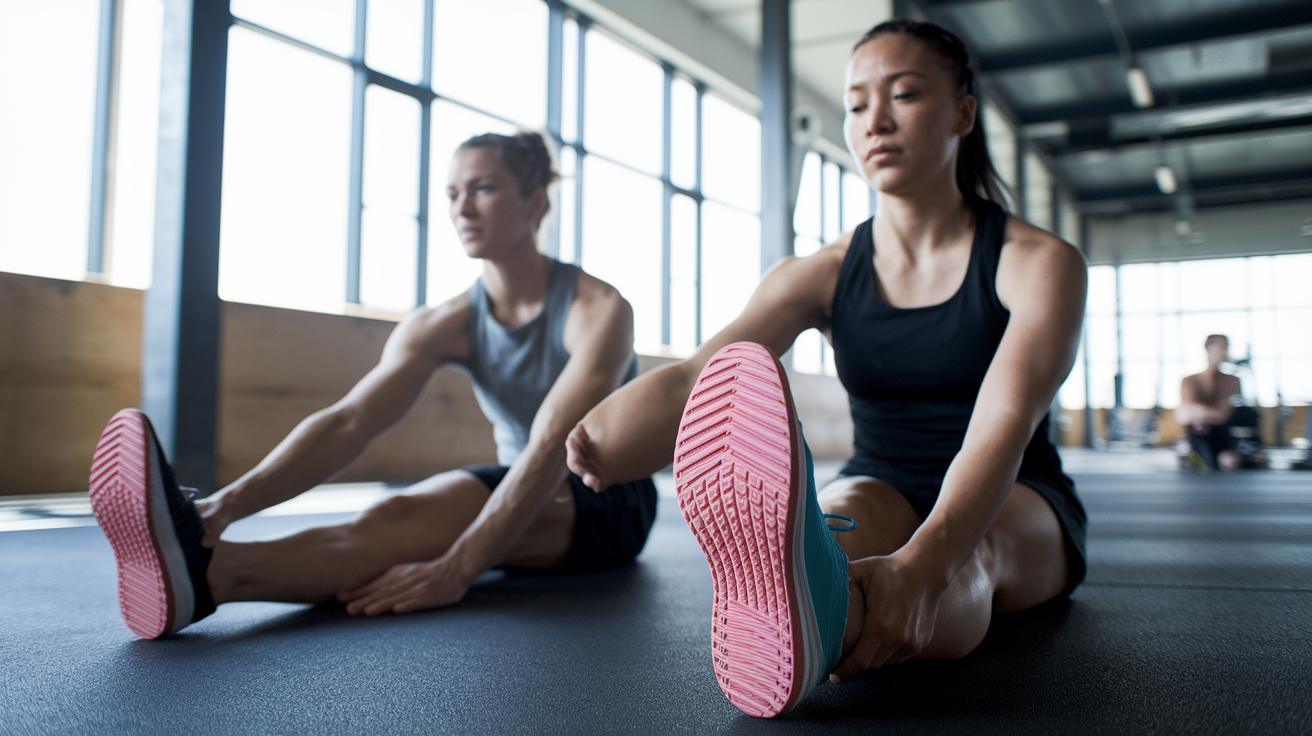
When you start a workout without easing into it, your muscles and joints might not be fully ready. Taking just a few minutes to do gentle, light movements, ones that mimic the exercises you plan to do, can help wake up your body by boosting blood flow and making your muscles more flexible. Skipping this step may lead to muscle imbalances and even make breathing feel a bit hard, which in turn can stop you from moving just right.
Similarly, skipping your cooldown and post-workout stretches leaves your muscles feeling tight and can throw off your body’s natural balance. Taking a short time for simple stretches for your arms, legs, and torso can really help soothe tension and speed up recovery. Think of it like a gentle reset that helps you feel steady and lowers the chance of injury.
Using Faulty Form, Lifting Techniques, and Excessive Weights Post-Delivery
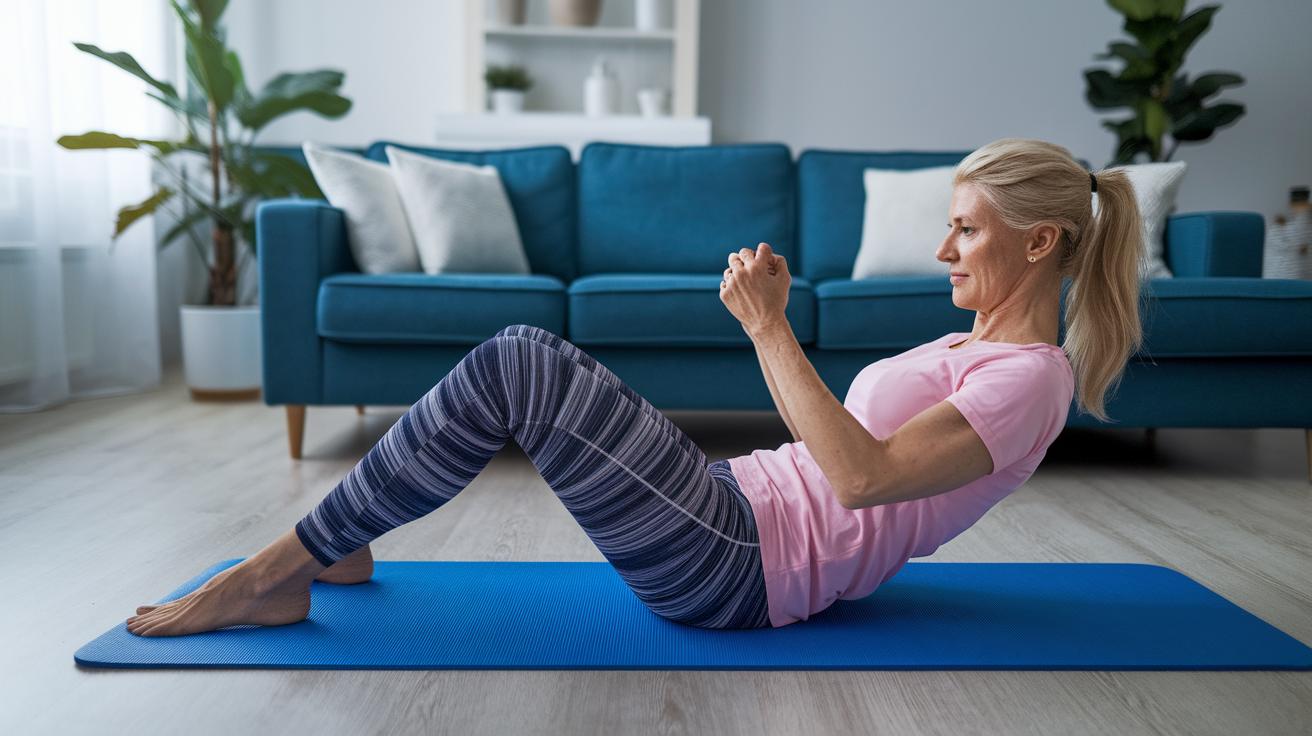
Many moms are excited to start working out again after having a baby. But if you push too fast and use poor form or incorrect posture, you might end up with more back pain or even worsen diastasis recti (a split in your abdominal muscles). Faulty lifting or the wrong use of gym machines can stress your core and pelvic muscles. Imagine beginning your routine and suddenly feeling a sharp twinge in your back. It’s a gentle reminder that paying attention to how you move is really important.
Using safe, controlled movements is a big part of your recovery. Instead of trying to lift heavy weights right away, stick with smaller loads that let you focus on keeping your posture right and moving steadily. Before every lift, cue yourself to keep your spine straight and your core engaged. It’s a bit like listening to your body’s signals, small, mindful changes during exercise can mean the difference between healing and hurting. Taking a little extra time now to refine your technique builds a strong foundation for a fitness journey that stays safe and feels good.
Failing to Seek Medical Clearance and Professional Guidance for Postpartum Workouts

Before you jump back into exercise after giving birth, it’s important to get a doctor's go-ahead. Your body has gone through a lot, and a quick check-up can help spot issues like diastasis recti (when your abdominal muscles separate) or problems with your pelvic floor (the muscles that support your lower body).
A professional can help build a workout plan that is safe and fits the changes you’re experiencing. Taking it slow lets you rebuild your strength gradually while lowering the risk of pain or long-term issues.
If you’re a busy mom, consider checking out a postpartum healing plan designed just for you at postpartum healing plan for busy moms. It’s a caring way to support your recovery as you ease back into exercise.
Final Words
In the action, we explored a safe approach to postpartum recovery. The blog post offered step-by-step advice on listening to your body, strengthening the pelvic floor, and avoiding rushed workouts and faulty form.
We looked at how skipping proper warm-up, cooldown, and professional guidance can lead to setbacks. Taking it slow can help reduce postpartum workout mistakes to avoid and boost long-term recovery. Stay confident, embrace gentle progress, and trust that each small step supports your journey to recovery.
FAQ
What exercises should be avoided postpartum?
The exercises to avoid postpartum include high-impact and strenuous moves like heavy crunches and intense twisting, especially if you have diastasis recti, to protect your core and support proper healing.
How should I return to exercise postpartum?
Returning to exercise postpartum means starting with gentle, low-impact activities like short walks, pelvic floor routines, and light stretching, gradually increasing intensity as your body heals.
What exercises can help prevent coning in a postpartum workout?
Preventing coning in your postpartum workout involves focusing on proper posture and core engagement, using controlled, gentle movements to maintain alignment without stressing your recovering muscles.
What does a safe 4-week postpartum workout look like?
A safe 4-week postpartum workout features light aerobic activities, gentle pelvic floor exercises, mild core work, and stretching; these help rebuild strength without overloading your healing body.
Which pelvic floor exercises are recommended postpartum?
Postpartum pelvic floor exercises, like Kegels, gentle bridges, and pelvic tilts, strengthen the muscles that support your core and help prevent issues like leakage and discomfort.
What postpartum stretches are beneficial?
Beneficial postpartum stretches include gentle movements for the back, hips, and legs that improve blood flow, ease tension, and support your body as it recovers from childbirth.
What is the 3-3-3 rule in gym for postpartum moms?
The 3-3-3 rule in the gym for postpartum moms means a three-minute warm-up, three basic exercises or sets, then a three-minute cooldown, helping you ease safely back into workouts.
What is the 5-5-5 rule postpartum?
The 5-5-5 rule postpartum suggests using five minutes for a gentle warm-up, performing five key exercises that focus on core and pelvic floor, and finishing with five minutes of cooldown stretches.
Can I do squats 3 weeks postpartum?
Doing squats 3 weeks postpartum depends on your individual recovery; if your doctor approves and you feel ready, try gentle squats with proper form and minimal weight to avoid strain.