
Have you ever thought about how to ease back into exercise after having your baby? Postpartum workouts can be gentle on your healing body. They help boost your energy without turning your new routine upside down.
Before you start any workout, have a chat with your doctor and really listen to what your body is telling you. It’s all about taking those baby steps. Try some simple, gentle moves that can lift your mood, soothe those tight muscles, and slowly build up your strength.
This guide is here to help you find that sweet spot between recovery and fitness. It’s all about nurturing your body while you ease back into a routine that feels right for you. Enjoy the journey!
Starting Your Postpartum Workout Routine: When and How to Begin
Before you start any workout after having your baby, have a chat with your doctor. It’s important to get clearance before you exercise, no matter if you had a vaginal birth or a C-section. For stronger workouts, wait at least six weeks. If you had a vaginal delivery, you can slowly start with gentle pelvic floor motions and low-impact exercises when you feel ready. If you had a C-section, take it even easier.
The American College of Obstetricians and Gynecologists suggests aiming for 150 minutes of moderate exercise each week. That might mean 20 to 30 minutes every day or splitting activities into 10-minute sessions. Even early, gentle movements can lift your mood, help your body mend, and gradually boost your strength.
- Doctor’s approval from your postpartum check-up
- At least six weeks have passed since giving birth
- You can move without pain during light exercises
- There’s no heavy bleeding or serious discomfort
- You feel ready for gentle Kegel exercises and there’s no sign of infection
Remember, every mom heals at her own pace. Listen to your body and adjust your workouts as you feel. Be kind to yourself and take the time you need to heal, it’s all about feeling safe and strong on your own journey.
Designing a Phased Postpartum Workout Routine Progression Plan
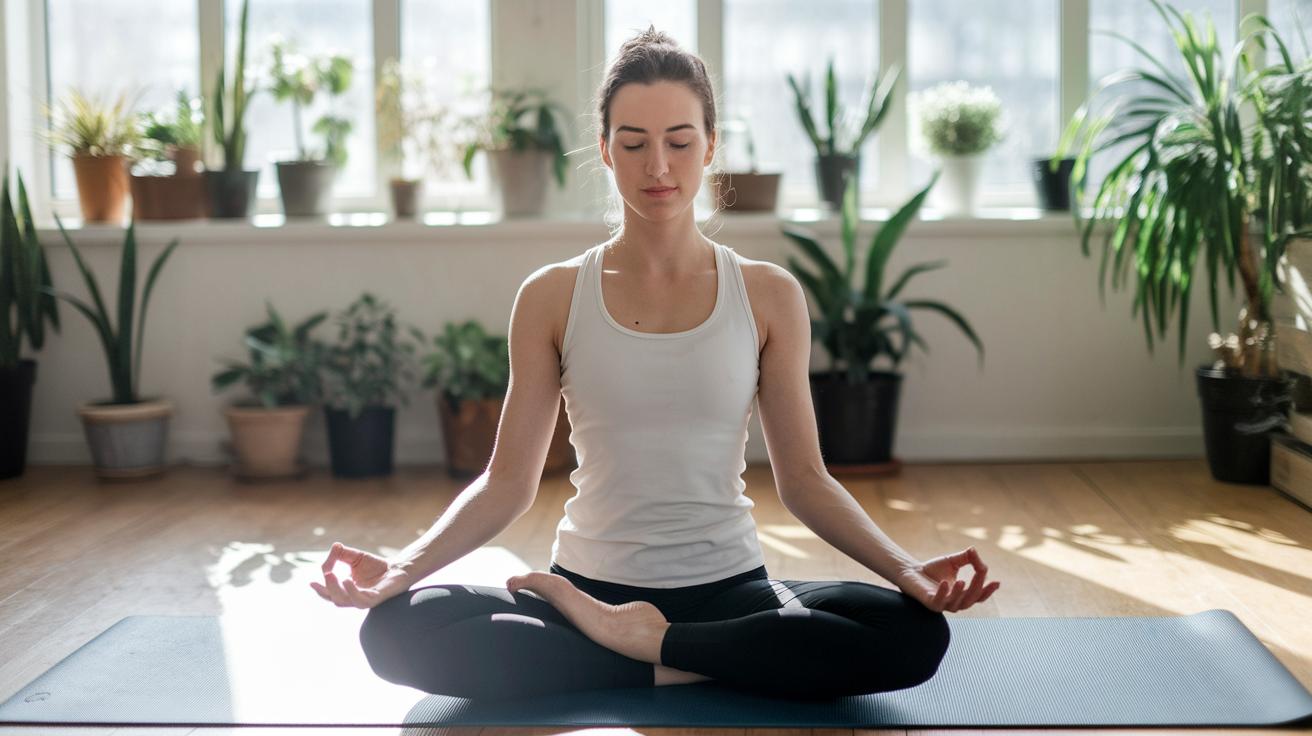
After having your baby, your body needs a little time to heal and adjust. It helps to follow a two-step plan that lets you get back to exercise slowly. By listening to your body, you build strength and feel more confident before trying tougher movements.
Stage 1: Weeks 6–10 Postpartum
During these early weeks, stick with gentle, low-impact moves that help you ease back into your routine without overdoing it. Think about taking a calm walk, doing a few soothing yoga poses, or trying some simple Pilates that gently wakes up your core. Aim for sessions lasting about 10–15 minutes, 4–6 days each week. For instance, you might start your day with a quiet walk or a few yoga stretches to help rebuild your strength. These small, caring steps support your pelvic health and overall recovery.
Stage 2: Weeks 12–16 Postpartum
As you start feeling stronger, you can add a bit more variety with moderate strength exercises and light cardio. More advanced Pilates or gentle strength training can help engage extra muscles and improve your balance. Now, try extending your sessions to about 20–30 minutes, 4–5 days per week. Think of it as moving from a soft warm-up to a fuller, satisfying workout, each move boosts your muscle tone and endurance while still letting you listen to your body. Always check in with yourself before increasing the intensity to make sure you’re ready for the next step.
Postpartum Workout Routine for Core Strength and Pelvic Floor Rehabilitation
After you have a baby, your belly and pelvic muscles work hard to hold everything in place and help avoid issues like accidental leaks. It’s a good idea to have a quick check for any separation in your tummy muscles (diastasis recti) before you start exercising. This simple screening helps you pick the best moves that support healing without putting too much strain on sensitive areas.
Start with diaphragmatic breathing to gently wake up your core muscles. All you need to do is take a slow, deep breath in, letting your tummy softly rise, and then breathe out while feeling your core tighten like a natural support. Sit quietly and focus on smooth, even breaths to steady your middle muscles and get ready for more activity.
Next, try adding moves like the dead bug, glute bridges, and bird dog. For the dead bug, lie on your back and slowly lift one arm and the opposite leg, taking it easy with each movement. You can do a glute bridge on the floor or even use a stability ball for extra comfort, and the bird dog, done on your hands and knees, helps improve balance and align your spine by gently reaching out with opposite limbs.
And don’t forget to include a Kegel routine by gently squeezing your pelvic muscles and holding each squeeze for a few seconds. Once you feel more confident, start with a modified plank by lowering your knees until you build more strength. Each step makes sure you're exercising safely and steadily on your journey to recovery.
postpartum workout routine: Energize Your Recovery
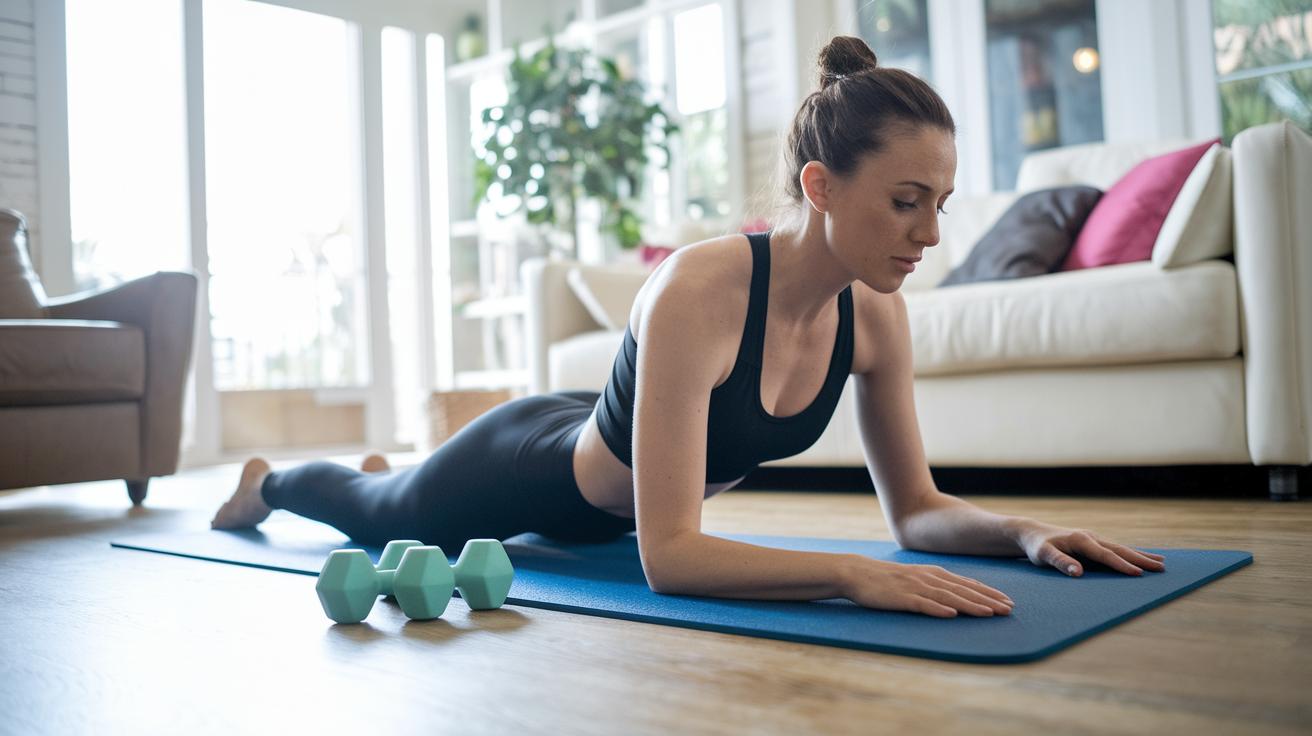
This simple 4-week plan is designed to help you rebuild your strength at home using easy-to-find tools like light dumbbells (5–10 lb) and a yoga mat. Try to fit in 5–6 workouts each week, keeping your sessions between 15 and 30 minutes. It mixes gentle strength exercises, core work, and some light cardio that starts easy and slowly builds up as you feel more confident.
| Week | Focus | Sample Session | Duration |
|---|---|---|---|
| Week 1 | Foundation | Day 1: 8 minutes of glute activation and 10 minutes of simple core work; Day 2: 25 minutes focusing on arm strength; Day 3: 10 minutes of stretching plus 10 minutes for a gentle Diastasis Recti routine, or take a 20-minute walk; Days 4–6: 30 minutes of strength exercises, 10 minutes of cardio/core, and 25 minutes of full-body work | 15–30 minute sessions |
| Week 2 | Progression | Try 20–30 minute sessions that focus more on legs and upper body with challenges that single out one side at a time | 20–30 minutes |
| Week 3 | Building Endurance | Keep refining your strength and core moves by adding more balance and stability exercises | 20–30 minutes |
| Week 4 | Advancement | Mix strength and cardio with extra dumbbell routines and specific postnatal stretches | 20–30 minutes |
As you move through this plan, feel free to adjust any workout if your body is telling you to slow down. If a move feels too hard, a brisk walk or some gentle stretching might be a better fit. Don’t stress if you swap a workout for some light house chores, it’s all about what works best for you right now. Every little improvement, like adding an extra minute or easing deeper into a stretch, is a win. Trust your process and enjoy every step of your recovery journey.
Postpartum Workout Routine Tools: Equipment, Duration, and Scheduling
A yoga mat is a must for your postpartum workouts. It gives you a safe, cushioned spot to move around. You might also try a pair of light dumbbells (around 5–10 pounds) when you're ready for a little extra challenge. And if you want more support and balance, a stability ball works wonders for your lower back.
Aim for about 150 minutes of exercise each week. That could mean doing 15–30 minute sessions or even breaking it up into three 10-minute bursts over the day. Maybe you can sneak in a quick routine during a peaceful baby nap or a quiet morning moment.
Plan your workout time around your daily rhythm. Many moms find it easier to work out when the baby naps or when a partner can step in to help. Splitting your exercise into shorter segments can make your busy day feel much lighter and keep your routine flexible. And if you ever need a bit of guidance, there are plenty of free app-based videos that show you simple routines to follow. Remember, it's perfectly okay to take one or two rest days a week. Listening to your body is the best way to keep moving in a way that feels just right.
Postpartum Workout Routine Safety: Precautions and When to Seek Help
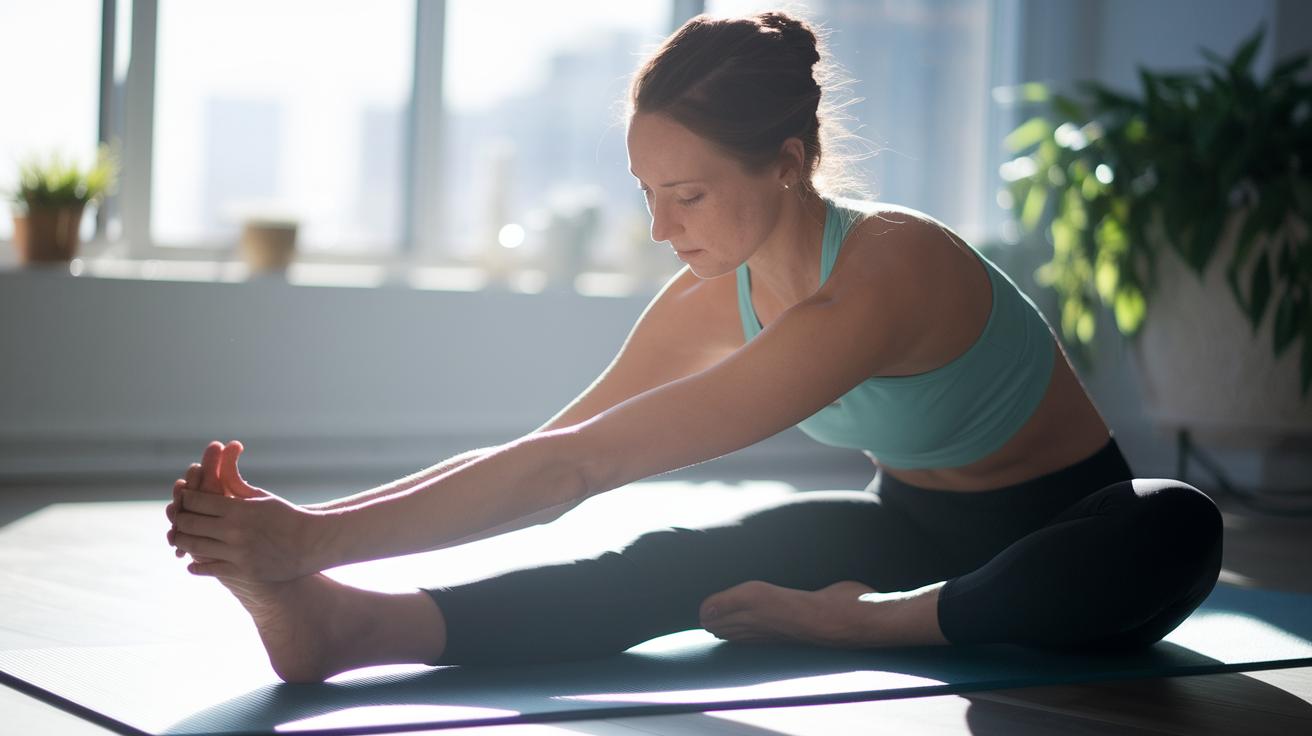
When you’re ready to ease back into your workouts after having your baby, it’s so important to listen to your body. Everyone heals at their own pace, so make sure you get a thumbs up from your OB-GYN and pelvic health experts before trying out any new moves. If you notice any pain, even just a little, or feel dizzy or see extra bleeding, it might be time to pause and check in with yourself.
Take it slow with heavy lifts and jumps until you feel fully healed. For example, if you're trying a new exercise and a sharp pain surprises you, stop right away. Keep in mind things like diastasis recti (tummy muscle separation), and if that seems to be an issue, it’s a great idea to talk with a pelvic floor specialist. It can also help to take a moment to check in with your feelings; your emotional well-being matters just as much as your physical strength.
- Watch out for any unusual pain or dizziness.
- Hold off on tough moves until you’re cleared by a professional.
- Stop your workout if your symptoms seem to get worse.
- Consult a specialist if you’re worried about diastasis recti.
- Trust your own pace and be gentle with yourself.
By being patient and taking care of your body step by step, you’re setting yourself up for a successful journey back to fitness and overall well-being.
Final Words
In the action, we explored safe ways to start a postpartum workout routine. We talked about waiting for your go-ahead from a healthcare provider, easing into gentle exercises after delivery, and gradually building up to more active routines. You saw how important it is to focus on core and pelvic floor strength while keeping safety in mind. This plan, paired with helpful scheduling and rest days, supports a confident and caring return to movement. Keep listening to your body and stay positive every step of the way!
FAQ
Frequently Asked Questions
How can I obtain a postpartum workout routine PDF or free downloadable postpartum workout plan?
A downloadable postpartum workout plan comes as a PDF guide that outlines exercise progressions, safety tips, and week-by-week breakdowns to help new moms ease back into physical activity safely.
What does a week-by-week postpartum workout routine look like?
A week-by-week postpartum routine provides gradual progressions with low-impact exercises early on, later introducing strength movements as recovery improves, all tailored to your personal timeline.
How can I do a postpartum workout plan at home?
A home-based postpartum workout plan includes short sessions with minimal equipment like a yoga mat and light dumbbells, making it convenient to fit in exercises around your daily routine.
How does a postpartum workout plan adjust for breastfeeding moms?
A postpartum workout plan for breastfeeding moms emphasizes gentle exercises that maintain energy levels, ensuring comfort during feeding and gradual strength building without overexertion.
Which postpartum workout app can help me?
A postpartum workout app offers guided exercises, video demonstrations, and scheduling tips that adapt to your recovery phase, making it easier to follow a safe and effective routine.
What should a 12-week postpartum workout plan include?
A 12-week plan generally starts with very gentle, low-impact movements and progressively increases intensity to include strength training and moderate cardio as your body heals and strengthens.
What is a good postpartum workout schedule?
A good postpartum schedule balances short, daily 15–30 minute sessions with designated rest days, matching your recovery pace and accommodating your busy life as a new mom.
What is the 5 5 5 rule postpartum?
The 5 5 5 rule postpartum means starting with five minutes of warm-up, doing five different simple exercises, and finishing with five minutes of cool-down to promote safe, gentle activity.
How long should moms wait before starting postpartum exercise?
Moms are generally advised to wait at least six weeks after delivery or obtain clearance from their healthcare provider before engaging in intense postpartum workouts, while gentle movements can often start sooner if comfortable.