
Have you ever thought that a slow, deep breath might help calm your worries during pregnancy? It’s not a secret formula, just a simple pause to care for yourself. Imagine taking a quiet moment to breathe deeply or jot down your thoughts, turning stress into a little break for you.
In this guide, I share some friendly tips on how small actions can bring balance even when times feel tough. These simple steps help soothe your mind and bring comfort to both you and your baby.
Immediate Coping Strategies for Maternal Anxiety
When worry starts to feel heavy, quick fixes can really make a difference. For new moms or those expecting, these gentle techniques work without any medicine. Imagine sitting quietly, taking slow, deep breaths, and feeling your heart calm down. Even small actions like this can help you feel more in control.
Simple methods like deep breathing or light exercises work fast and are safe for both you and your baby. They help your body and mind relax naturally, so you can regain your balance during stressful moments. It’s like giving yourself a little pause to reset and feel empowered again, even on the busiest days.
Using these calming techniques turns anxious moments into times of self-care. You won’t need any special gear, and you can do them anywhere you feel comfortable. When those stormy thoughts come, these steps act like a gentle pause button to help you find your center.
- Deep breathing: Slowly breathe in and out to help lower your heart rate.
- Progressive muscle relaxation: Squeeze key muscles and then let go.
- Guided imagery: Picture a peaceful, calm place in your mind.
- Light exercise (safe during pregnancy): Do simple, gentle movements.
- Journaling: Write down your thoughts to nurture self-compassion.
It helps to practice these steps as soon as you notice high stress, and then use them throughout your day. For example, try setting aside a few minutes during your morning routine, at lunch, or in the evening to smooth out those spikes in anxiety. Small, mindful breaks can set the tone for a calmer day.
Immediate Coping Strategies for Maternal Anxiety
We’ve combined these helpful ideas with our earlier tips on easing maternal anxiety so you won’t see the same advice twice. This way, everything you need is in one friendly, clear spot.
Maternal Anxiety Triggers and Warning Signs
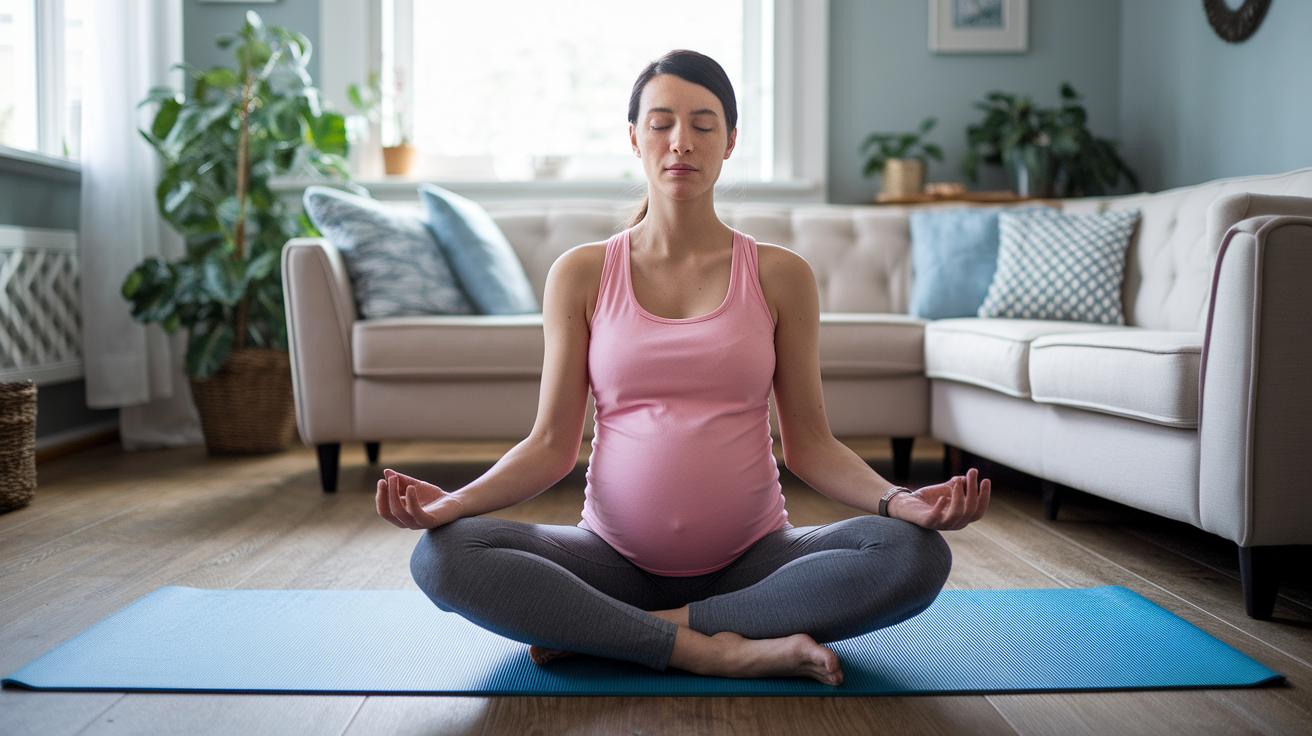
Every mom sometimes feels a little worried. It’s like a small cloud that passes by quickly and doesn’t stop you from doing your day. But when the worry sticks around or gets too heavy, it could be a sign that you might need a bit more help.
Sometimes, things like changes in your hormones, past experiences such as miscarriages, or trouble sleeping well can make the worry go beyond what’s normal. When these worries start to interrupt your daily routine and steal your peace, it might be time to look into getting some extra support.
Here are a few signs to watch out for:
- A fast heartbeat that just won’t slow down
- Feeling short of breath a lot
- Panic attacks that keep coming and disturb your everyday life
- Trouble sleeping, which can make you feel worn out during the day
When anxiety isn’t taken care of, it can affect more than just your mood. Untreated anxiety might even be linked to issues like an early birth, a baby with low birth weight, or other changes in your baby’s development. This kind of stress can make it tough to take good care of both yourself and your little one, which is why talking with your doctor or midwife early on can really help.
Clinical Techniques and Non-Pharmacological Methods for Maternal Anxiety
Cognitive Behavior Therapy (CBT) is a warm, safe way to help ease anxiety for moms who are pregnant or new. It works by gently changing the way you think, which can lower stress without using medicines. Research shows that CBT is a structured, caring approach to help you manage those overwhelming feelings during and after pregnancy.
Mindfulness Exercises
Have you ever tried taking a few slow, deep breaths when you’re feeling anxious? Simple mindfulness techniques like focused breathing and body scans can really calm your mind. For instance, imagine slowly breathing in through your nose, holding for a moment, and then exhaling gently through your mouth while picturing a peaceful stream. Another fun method is the “box breath” – you breathe in, hold, breathe out, and then pause again, each part lasting the same count. When you do a body scan, just take a few moments to notice each part of your body and relax each muscle as you go. To learn more about these soothing practices, check out natural methods for reducing maternal stress.
Progressive Muscle Relaxation
Think of progressive muscle relaxation as a simple way to let stress melt away. Start with your feet. Tense the muscles for about five seconds, then let them relax for ten seconds. Gradually work your way up from your legs to your tummy, arms, and even your face. This little exercise can help you feel a deep sense of ease and release any built-up tension.
Guided Self-Help Resources
Sometimes, having a little support at home can make all the difference. Guided self-help tools like easy-to-follow booklets, interactive apps, and step-by-step worksheets can remind you of the techniques you learned in therapy. They help build your confidence and encourage you to stick to a caring self-care routine.
A good idea is to set aside some time each day or week just for you. You might start your day with some mindful breathing, practice muscle relaxation later on, and finish off with a bit of self-help reading in the evening. This steady routine can help keep anxiety at bay and make your days feel more balanced.
Integrating Exercise and Nutrition into Maternal Anxiety Management
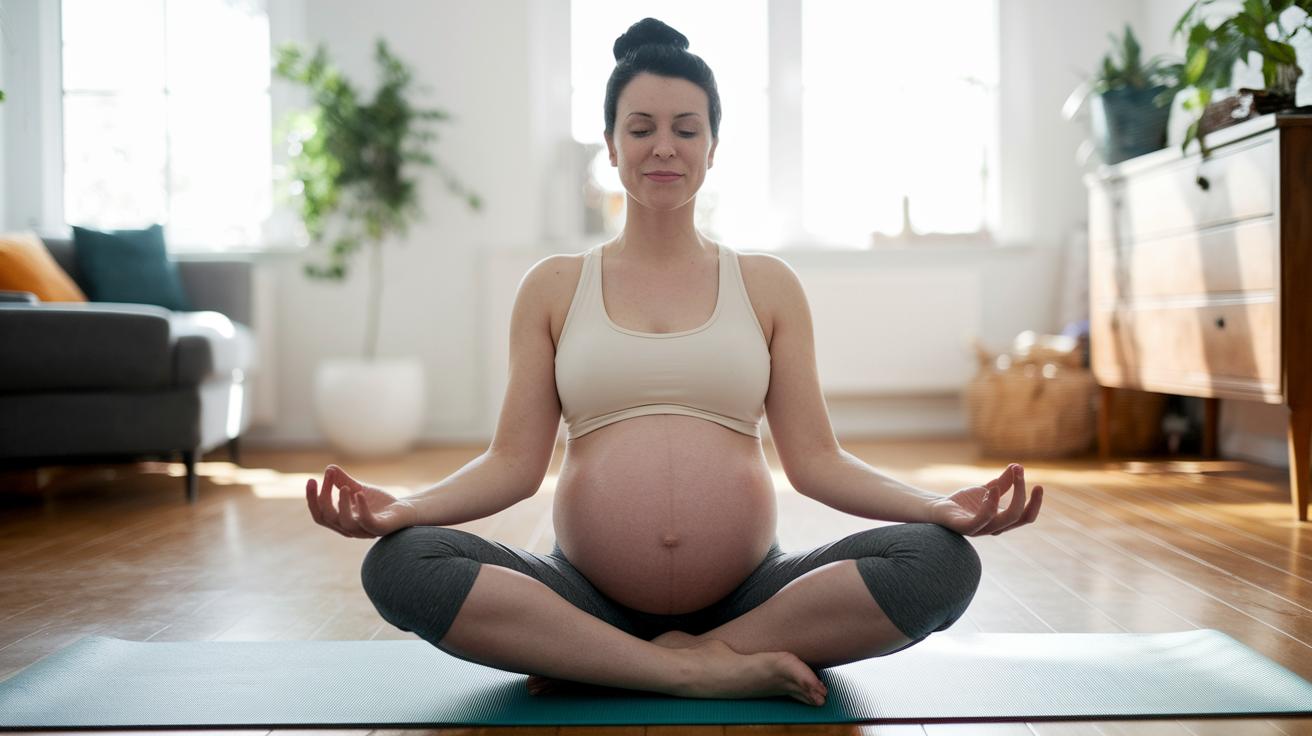
Before you dive into a new exercise routine, especially if you're pregnant or dealing with health concerns, it's a good idea to chat with your doctor first. They can help you understand what's safe for both you and your baby, giving you that extra bit of comfort as you work on easing your anxiety.
- Prenatal yoga for gentle movement and focus on deep, calming breaths
- A brisk walk taken at a pace that feels just right
- Light stretching exercises that both relax and strengthen your body
Keeping an eye on your nutrition is just as important. Try to enjoy balanced meals that include omega-3-rich foods (which help support brain health), complex carbohydrates, and plenty of fluids to keep your mood in check and stress at bay.
Mixing these practices into your day can lead to a calm and healthy routine. Imagine starting your morning with a short walk or a few stretches, then treating yourself to a nutritious breakfast packed with whole grains and fruits. Later on, a gentle yoga session during a break or after lunch can truly refresh your mind. And by staying well-hydrated and planning thoughtful meals throughout the day, you're not only caring for your body but also giving your anxiety a gentle, supportive hug. It's all about creating a nurturing plan that helps lower stress and fills you with renewed energy.
Establishing Support Networks and Professional Help for Maternal Anxiety
When you're feeling worried during pregnancy or after your baby arrives, leaning on family and friends can be a real lifesaver. Chatting with someone you trust, or even someone who's been through a similar time, can make things feel a little lighter. Those heartfelt conversations give you a safe space when anxiety seems too much.
- In-person groups where moms come together and share their stories
- Online forums where you can ask questions and get advice
- Counseling from mental health experts who understand maternal care
- Your partner, offering everyday support and a listening ear
Sometimes, simple screening tools like the GAD-7 or the EPDS-anxiety subscale help healthcare providers spot early signs of anxiety. And when these tools hint that there's something more serious going on, turning to a specialist can make all the difference. These caring professionals craft gentle treatment plans that look after both your feelings and your baby’s well-being. They understand that anxiety might show up differently for different people and adjust their care to suit your background.
By mixing regular check-ups with support from both loved ones and experts, you're not only feeling better today, you’re also building a network to help you stay well in the long run. Have you ever noticed how a little extra support at just the right moment can change everything?
Designing a Customized Self-Care Plan for Maternal Anxiety Management

When emotions run high, having a few minutes of self-care each day can be a game-changer. By setting aside a little time just for yourself, you create a soothing routine that helps calm your mind. Think of it as a daily pause, a moment to recharge, feel centered, and check in with your own needs.
| Day of Week | Self-Care Activity | Time | Duration |
|---|---|---|---|
| Monday | Journaling | Morning | 10 mins |
| Tuesday | 5-Minute Relaxation Break | Afternoon | 5 mins |
| Wednesday | Self-Compassion Exercise | Evening | 10 mins |
| Thursday | Guided Meditation | Morning | 10 mins |
| Friday | Gentle Stretching | Afternoon | 10 mins |
| Saturday | Mindful Breathing | Anytime | 5 mins |
| Sunday | Daily Reflection | Evening | 10 mins |
Keep in mind, it’s perfectly okay to tweak your self-care plan as your needs and energy shift. You might find that writing in a journal at night helps settle a busy mind, or that a quick stretch in the afternoon makes a world of difference on a hectic day. Feel free to adjust the timing, length, or even the activity itself until it feels just right. Often, exploring routines that fit busy moms might open up fresh ideas to simplify and brighten your schedule. Embrace these small changes, it’s all about growing into a plan that supports your well-being as you go through each week.
Tracking Maternal Anxiety and Adapting Your Approach Over Time
It can feel really stressful to juggle everything, and keeping track of your feelings can be like having a little guide on difficult days. By checking in with yourself regularly, you learn to spot small changes that might mean your anxiety is building. This gentle self-check helps you act early and make sure worry doesn't take over.
- Mood diary
- Trigger log
- Symptom checklist
- Weekly review template
When you use a mood diary to write about your day and note what events might have set off your feelings in a trigger log, you begin to see patterns. A symptom checklist can remind you of the signs to watch for, and a weekly review template wraps it all up nicely. Talking about these notes with your doctor or therapist can really help fine-tune your plan. If you notice that certain times or situations make your anxiety spike, it creates a great opportunity for a caring conversation during your check-ups. Your provider may suggest little changes in your routine or recommend extra tools to handle those moments. This ongoing record of your own experiences can shape a plan that stays gentle, practical, and just right for you.
Final Words
In the action, we explored fast-acting techniques like deep breathing, muscle relaxation, journaling, and safe exercise routines. We also looked at recognizing anxiety triggers and building a supportive network. Each section showed how small, mindful changes can ease stress and build a balanced self-care plan. This article offers practical guidance on managing maternal anxiety that everyday moms can use right away to feel a little more at peace. Keep trying these steps, and remember, every little effort counts toward your well-being.
FAQ
How to treat severe anxiety while pregnant?
The approach to treating severe anxiety during pregnancy involves immediate coping strategies like deep breathing, progressive muscle relaxation, guided imagery, journaling, and seeking help from a trusted health professional.
What are effective methods for treatment and management of mental health conditions during pregnancy and postpartum?
Treatment and management of mental health conditions during pregnancy and postpartum include evidence-based therapies such as cognitive behavioral therapy, non-drug interventions, and support practices that align with trusted guidelines for both expectant and new mothers.
What natural remedies can help ease anxiety during pregnancy?
Natural remedies for anxiety during pregnancy include mindfulness exercises, gentle deep breathing, light prenatal-safe exercise, guided imagery, and journaling, which help calm the mind while keeping safety in mind.
How does early pregnancy anxiety about miscarriage impact a mother’s wellbeing?
Early pregnancy anxiety about miscarriage can increase stress and worry, but using relaxation techniques, self-care practices, and professional support helps calm emotions and provides reassurance during this delicate phase.
What are the effects of anxiety during pregnancy on the baby?
The effects of anxiety during pregnancy on the baby may include elevated stress hormones that could impact growth. Effective management with safe, non-pharmacological techniques helps create a more balanced environment for both mother and child.
How does anxiety during the second trimester manifest?
Anxiety during the second trimester may present as persistent worry, physical tension, and sleep disruption. Incorporating routine relaxation practices and seeking supportive advice from professionals can help manage these symptoms effectively.