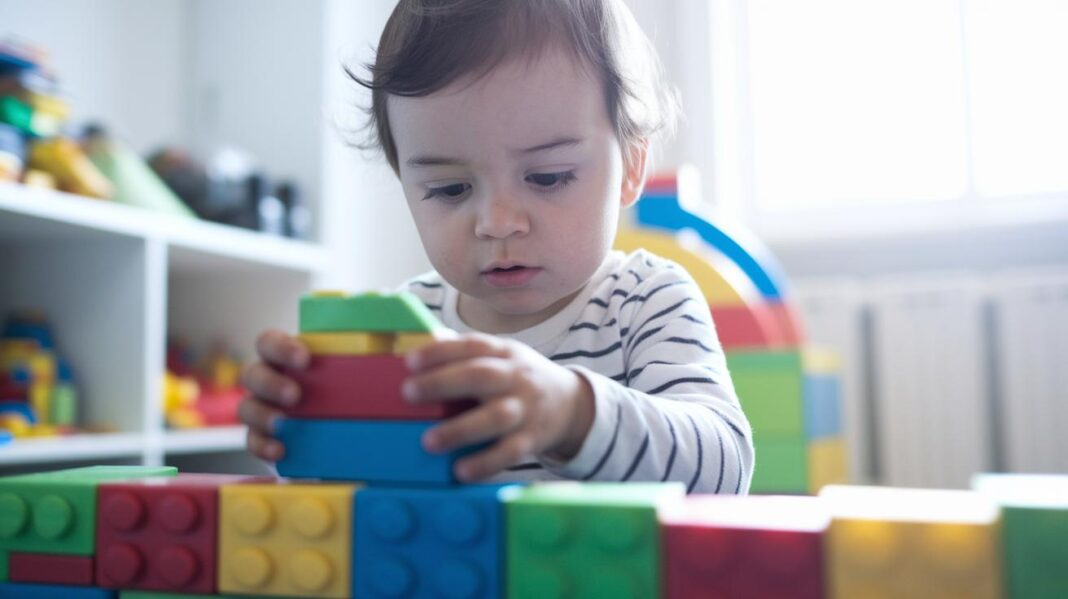
Have you ever noticed how a baby’s gentle hold can be the first step toward learning? Watching those tiny hands open up, ready to grab new things, is like seeing the start of a journey filled with growing confidence and new skills.
In this piece, we explore every little step of how babies learn to grasp. We start with those early, automatic grips that happen in the first few months and move on to the more thoughtful, careful holds as they grow. Each tiny change helps build the skills and creativity that will shape all their future learning.
Comprehensive Timeline of Grasp Development Milestones
This timeline shows how your little one’s way of holding things changes over time. From the very start, babies use an automatic grip (called the palmar reflex) that makes their tiny hands close around objects without any effort. In just a few weeks, you might see their fists begin to open, and by 2 to 3 months, they start to look at their own hands, an early sign of natural curiosity.
It’s really reassuring to know that each little milestone is a step toward better coordination. For example, when your baby swats at a toy between 2 and 4 months, it’s a gentle sign that their hand-eye coordination is beginning to develop. Then, around 4 to 6 months, a full-hand grip shows they are getting better at holding things and exploring them by mouthing. Soon, these early moves will grow into more refined actions like the raking grasp and transferring objects from one hand to the other.
Here are some key moments to watch for:
- 0–4 months: Automatic grip (palmar reflex) when holding a rattle
- 2–4 months: Reaching out and batting at toys
- 4–6 months: Whole-hand grasp, perfect for holding and mouthing objects
- 5–9 months: Raking grasp to pick up small items
- 6–9 months: Using both hands to pass objects between them
- 8–10 months: Grasp with the thumb and index finger (radial digital grasp)
- 9–10 months: Letting go on purpose, showing more control
- 10–12 months: Pincer grasp, which helps with self-feeding using a spoon
- 13–18 months: More precise grasps that allow for crayon scribbling
- 19–24 months: Advanced pincer and in-hand skills that help with turning objects
- 24–36 months: Complex moves like stacking blocks or turning the pages of a book
| Age Range | Grasp Type | Key Activity |
|---|---|---|
| 0–4 months | Palmar reflex | Automatic grip on rattle |
| 2–4 months | Reaching & batting | Swiping at toys |
| 4–6 months | Whole-hand grasp | Holding and mouthing toys |
| 5–9 months | Raking grasp | Scooping small items |
| 6–9 months | Two-hand transfer | Exchanging objects |
| 8–10 months | Radial digital grasp | Picking up items with thumb/index pad |
| 9–10 months | Voluntary release | Intentional object let-go |
| 10–12 months | Pincer grasp | Self-feeding with spoon |
| 13–18 months | Precision grasps | Crayon scribbling |
| 19–24 months | Advanced pincer & in-hand manipulation | Rotating small objects |
| 24–36 months | Complex in-hand manipulation | Stacking blocks, turning pages |
Seeing these stages reminds you that every small step builds your child’s skills and confidence. Enjoy these moments as you watch their abilities grow day by day!
grasp development ignites bright progress
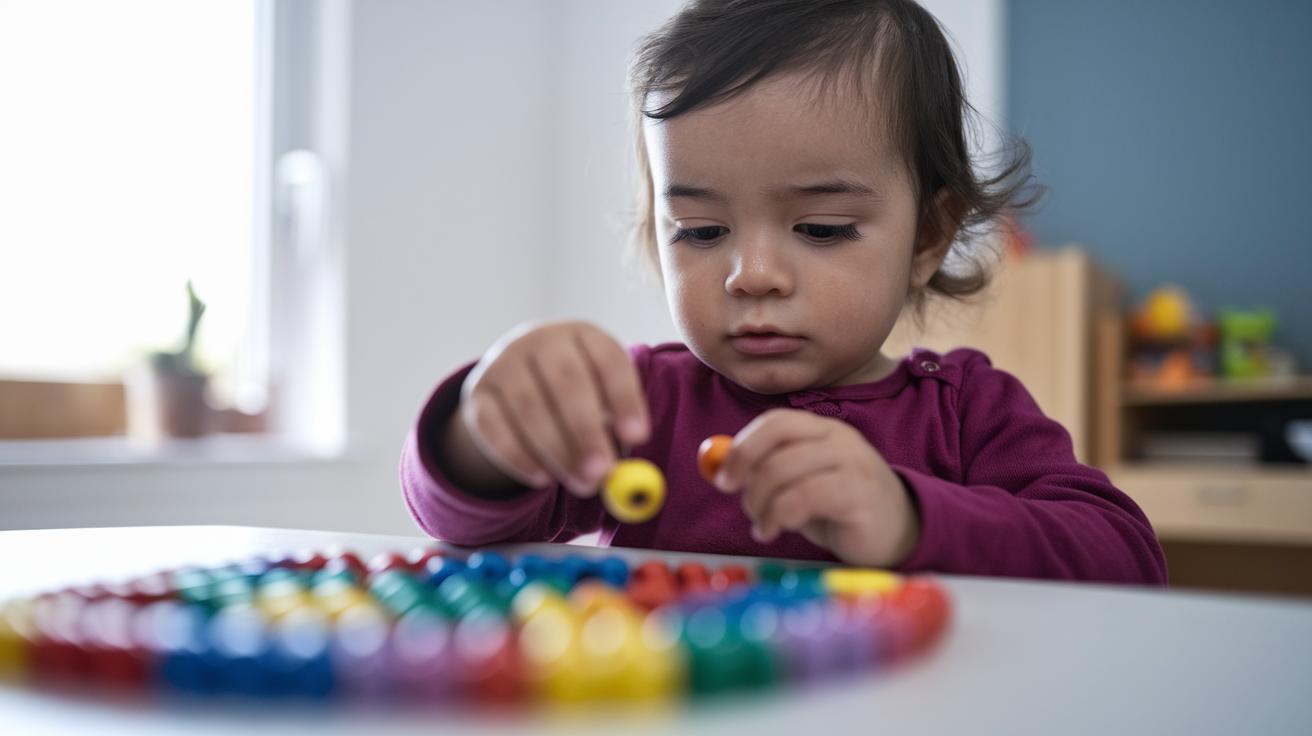
Helping your child grow those fine motor skills can be a joyful adventure for both of you. Playtime becomes a chance to try out new ways of holding and moving objects, all while gently boosting their hand control. It’s amazing how everyday activities can turn learning into fun moments. Simple tasks today help lay the groundwork for those tiny hands to master more detailed moves tomorrow. And you might find yourself smiling as your little one shows off a spark of focus whether it’s during mealtime or a playful game.
- Pick-up activities with Cheerios or beads help perfect the pincer grasp. Imagine your child carefully picking up a bead, their little face lit up with concentration as they master this skill.
- Games with tongs or tweezers offer a fun way to work on thumb and finger precision. Picture a tiny pair of tweezers clutching small treats, making each grasp a mini-victory.
- Rolling play-dough is a great tool for building finger strength and separation. As your baby squishes the dough, they feel every bend and stretch, which is wonderful for hand control.
- Spoon-dipping at around 10–12 months is perfect for boosting self-feeding skills. Think of a baby happily dipping a spoon into a small dish, exploring textures with genuine curiosity.
- Crayon scribbling from 11–18 months gently paves the way for holding a pencil later on. Visualize those little hands making joyful marks on paper as they experiment with their first art.
- Block stacking and pop-beads activities are great for learning balance and careful placement by refining hand coordination.
- Sensory bins filled with rice or beans offer a tactile adventure, improving hand-eye coordination and the careful handling of small items.
- Practicing with a child-sized fork makes everyday meals a playful moment for learning. This helps fine-tune motor skills while turning a regular day into a delightful, interactive experience.
Recognizing Delays in Grasp Development
Watching your child use their hands can be a sweet, everyday way to see how their fine motor skills are growing. Sometimes, those tiny signals mean it might be time to get a little extra help. Here’s a friendly guide to some warning signs you might notice:
- No sign of the palmar reflex or a constant clenched fist after 4 months.
- Limited attempts to reach or bat at objects by 6 months.
- Not being able to rake or pick up small items by 9 months.
- No pincer grasp by 12 months or a weak grip even after 18 months.
- Trouble letting go of objects or swapping them between hands after 10 months.
- Challenges with self-feeding or dressing by 18 months.
If any of these signs catch your eye, it might be a good idea to chat with a pediatric occupational therapist for some extra guidance. Keep an eye on these little milestones and remember, every child grows at their own pace.
Professional Strategies for Supporting Grasp Development
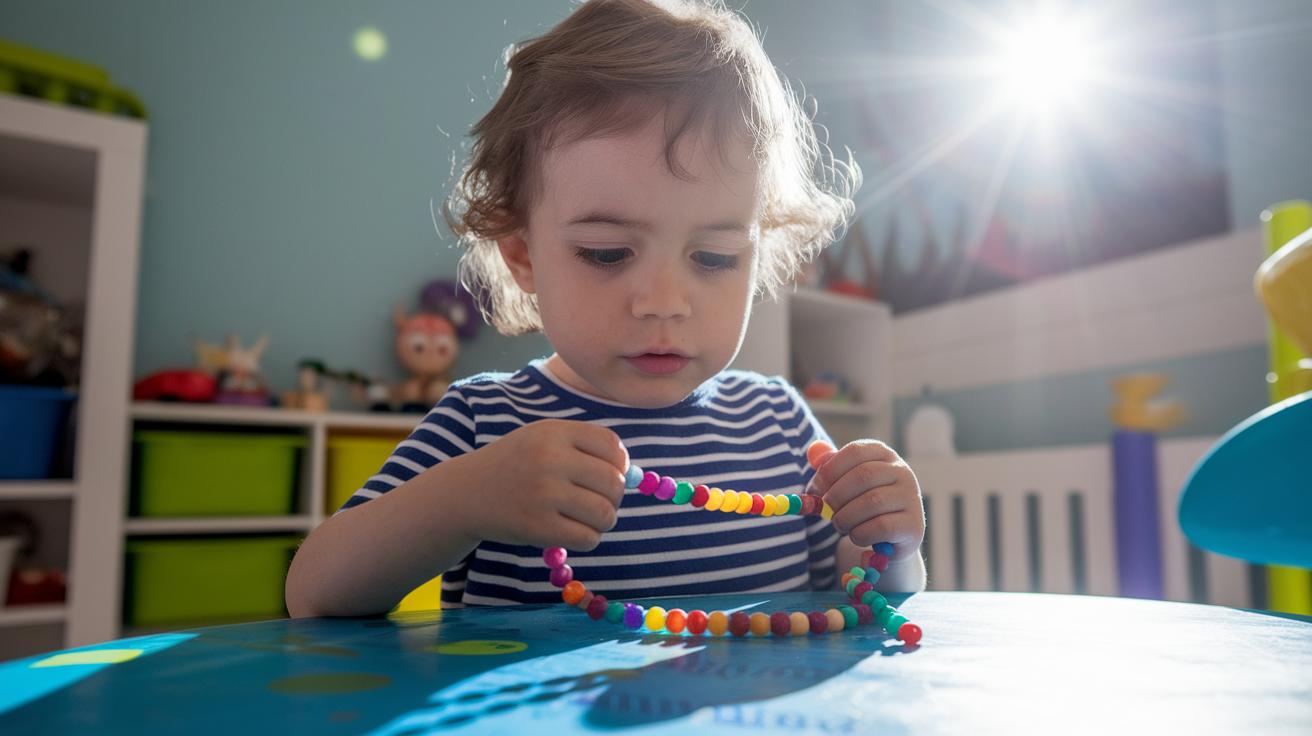
If you notice any worrying signs in your child’s ability to hold things, reaching out to a pediatric occupational therapist can really help. They start with simple, gentle tasks that make practice fun. For example, your therapist might use everyday objects with different textures to help your little one explore with their fingers. These playful exercises build motor planning and hand-eye coordination in a way that feels light and enjoyable.
In sessions, your child may also try exercises that let them change how they hold an object. Picture your child practicing a gentle pincer grasp, almost like learning to pick up a tiny bead, with caring guidance every step of the way. And if you love staying connected, there are motor-skill classes available both live and on-demand. These subscription classes give you new activities each month, keeping practice fun and just a bit more challenging as your child grows.
Steady, fun practice helps improve precision and builds the tripod grip needed for everyday tasks like drawing or using utensils. Pairing expert help with playful routines at home can really speed up your child’s progress. Remember, each little session is a stepping stone toward stronger fine motor skills.
Final Words
In the action of exploring infant milestones, this guide showed how tiny hands move from simple reflexes to refined moves like the pincer grasp. We shared a timeline that charts progress, playful exercises to boost skills, early signs to watch, and professional insights for extra support.
Every bit of practice matters in grasp development, turning everyday play into stepping stones for growth. Embrace these moments with hope and confidence as your child blossoms in their unique way.
FAQ
Q: What is grasp development?
A: Grasp development is the progress of a baby’s hand skills. It shows how infants learn to hold, release, and manipulate objects as their coordination and strength improve over time.
Q: What age do babies develop grasp?
A: Grasp skills start at birth with a palmar reflex and progress through stages. Babies begin reaching and batting by 2–4 months, develop a whole-hand grasp by 4–6 months, and form a pincer grasp around 10–12 months.
Q: What is the order of grasp development?
A: The order starts with the palmar reflex, followed by reaching and batting, whole-hand grasp, raking grasp, and then moves to more refined skills like the radial digital grasp and pincer grasp during the first year.
Q: What types of grasp are seen in child development and therapy?
A: Grasp types include the palmar, radial palmar, digital pronate, radial digital, pincer, and pencil grasps. These steps are used in everyday child play as well as in occupational therapy to support fine motor skills.
Q: What grasp skills typically develop in a 3-year-old?
A: By age 3, children show complex in-hand manipulation skills. They can stack blocks, turn pages, and handle small objects using advanced forms of grasp, reflecting their growing fine motor control.