
Have you ever wondered why prenatal care is so important? It’s much more than just check-ups and tests; it creates a safety net for you and your baby. Think of it as having a caring team by your side, gently watching over your health (especially during pregnancy) and your baby’s growth every step of the way. Simple tests paired with supportive care help catch any issues early, so you can feel at ease and set a strong, healthy foundation for your journey ahead.
Understanding Prenatal Care: Definition and Role
Prenatal care is a set of steps and check-ups that help create a healthy space for both mom and baby. It’s also often called antenatal care (health care during pregnancy). This care isn’t just about your own well-being, it also keeps our community healthier. You usually meet with caring nurses, doctors, or midwives who keep an eye on how you’re doing and check that your baby is growing well. For example, during a routine Prenatal visit, the team will check your vital signs, do some light blood work, and answer any questions you might have, all to make sure your little one gets the best start.
Prenatal care can begin even before you plan to get pregnant or right after you find out you’re expecting. It plays a key part in spotting any issues early so you can catch them before they cause bigger problems. It’s all about building healthy habits, catching concerns early, and stepping in with help when needed. And really, knowing you have these check-ups gives a comforting boost as you take each step on this special journey with your baby.
Core Procedures and Screenings That Define Prenatal Care

Prenatal care is all about regular check-ups and tests that help set the stage for a healthy pregnancy. These visits make sure both you and your baby feel supported and cared for. It’s like having a friendly team of healthcare professionals by your side who check your body, measure your blood pressure and weight, and look out for anything that might need extra attention.
Each time you visit, you might get several tests that keep an eye on both your well-being and your little one’s growth. Some of these tests are very simple, like a quick urine or blood test, while others might include imaging studies that let you see how your baby is developing. Every exam shows a clearer picture of your pregnancy, which helps you get the right care at the right time.
- A physical exam to review your overall health
- Urine tests to check how your kidneys and bladder are working
- Blood tests to monitor important markers
- Vital sign checks, like blood pressure and pulse
- Cervical exams to ensure reproductive health is on track
- Ultrasound imaging to see your baby’s progress
- First-trimester genetic testing for early screening of birth defects
Antenatal Appointment Insights: Timing and Coverage
Prenatal (care during pregnancy) well-being often starts even before you take the leap into planning or right when you find out you're expecting. Getting started early lays down a safe path for both you and your baby from day one. It's a bit like gathering fresh ingredients before whipping up your favorite meal.
Typically, you'll have around a dozen check-ups along with some routine tests during your pregnancy. These visits let your healthcare team keep an eye on you and your little one, catching even small issues before they turn into bigger ones. Think of it as getting regular tune-ups for your car to keep the ride smooth. Early screenings can even help stop problems before they grow, which is why staying consistent with your appointments really matters.
Most of these standard visits and tests are usually covered by your insurance when you're in-network. But if you need specialized genetic tests in the first trimester or extra check-ups for a high-risk situation, there might be a few extra costs. So, it's always a good idea to chat with your insurance provider to know exactly what to expect.
Health Outcomes: Impact of Prenatal Care on Mother and Baby

Prenatal care is a bit like checking your car’s oil before a long drive, it helps catch little issues before they become big problems. When you go to your regular check-ups, your healthcare team carefully watches your vital signs and how your baby is growing. This constant care means that any small changes are noticed quickly and you can fix them before they turn into something more serious.
Early care really makes a difference. It lowers the risk of things like a preterm birth (when the baby arrives too early), which can happen if tiny issues go unnoticed. Studies show that starting prenatal care as soon as you can helps boost the health of both you and your baby. Without these regular visits, small concerns might slip by and become bigger problems later on. Think of it like catching a tiny spark early on, it stops a bigger fire from starting.
Nutritional Strategy and Supplementation in Prenatal Care
When you’re expecting, eating healthy gives you and your baby the very best start. Folic acid in early pregnancy is key, it helps prevent neural tube defects (problems with the baby’s brain and spine). Adding iron to your diet can boost your blood’s oxygen flow and lower the chance of feeling tired from anemia. Imagine cooking your favorite meal knowing each ingredient is there to help you feel well. Folic acid and iron team up with protein, calcium, and vitamin D to create a complete nutritional puzzle.
Doctors and nurses often take time to explain which supplements are safe, cutting through the myths about prenatal vitamins. They guide you on what foods to eat and which supplements to add to your routine. For instance, one might suggest, “Add a daily multivitamin and some extra folic acid to cover any gaps,” much like following a trusted family recipe for health. If you’re curious about finding the right balance of food and vitamins, you can also look at resources like Prenatal care vitamins or Maternal diet and wellness guidelines for more ideas.
Talking with a caring expert about supplements can clear up any confusion and help you feel reassured during this special time. The goal is to keep your energy steady, support your baby’s growth, and keep you strong. By ensuring you get a balanced mix of key nutrients, you’re setting up a healthy foundation for both you and your little one.
Preparing for Your First Prenatal Visit: What to Expect
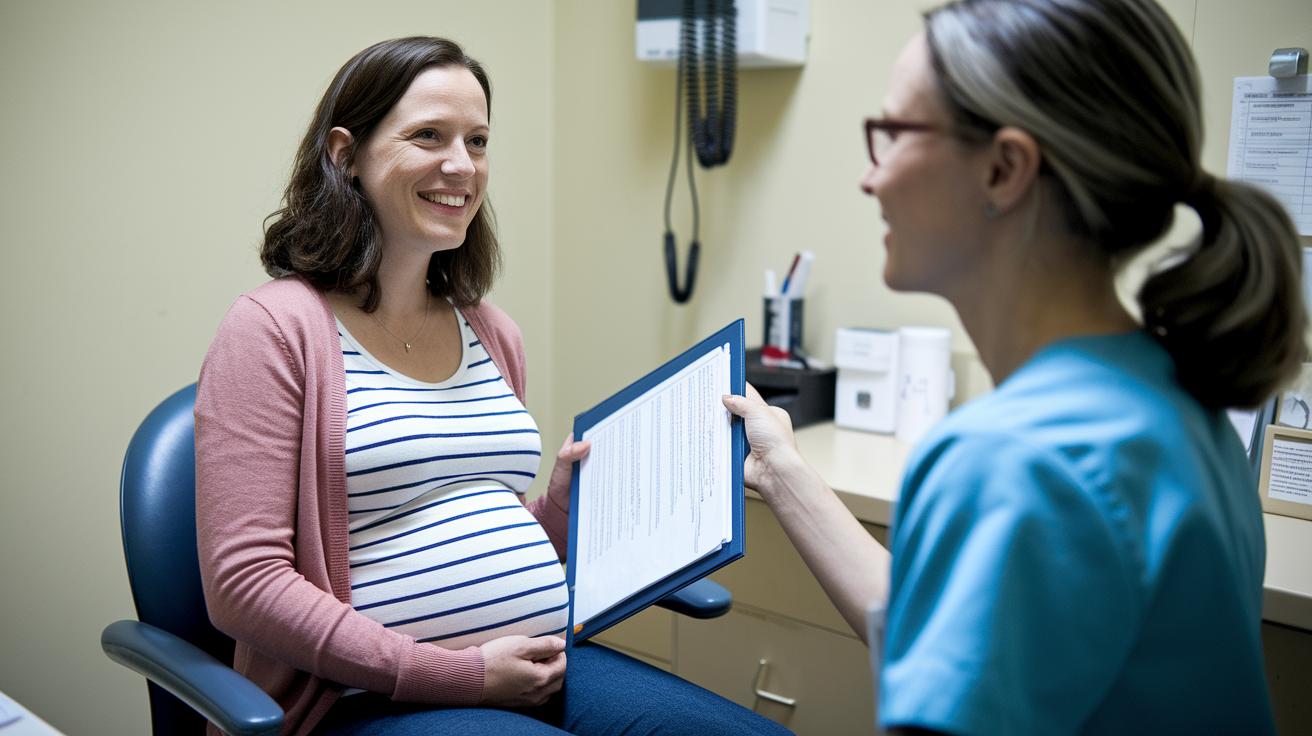
At your first prenatal visit, you'll have a warm conversation with your care team that feels more like catching up with an old friend. They’ll listen to your personal health story, asking about things like earlier pregnancies, any surgeries you’ve had, or health issues you live with, all so they can put together a care plan made just for you. A kind nurse, doctor, or midwife will take a close look at your records, chat about any tests you might need, and explain what your upcoming appointments will look like. It’s a bit like planning a road trip for your pregnancy, where every detail is there to help keep you and your baby safe and sound.
Documents to Prepare
- Photo ID
- Insurance card
- Past medical records
- List of current medications
- Details of any prenatal supplements you’re taking
Questions to Ask
- What screening options do I have?
- When is my estimated due date?
- How often will I need to have follow-up appointments?
Bringing these documents and questions will help you feel prepared and supported by your care team.
Insurance and Public Health Strategies on Prenatal Care
Most of the time, your routine prenatal care is taken care of by your insurance when you stick with in-network providers. This means your regular checkups and basic tests usually cost very little or nothing at all. Sometimes, if you need extra screenings, like genetic tests in the first trimester (when you’re just starting your pregnancy) or special checks for high-risk cases, you might see some extra fees. It’s always a good idea to call your insurance and ask, “Is this test covered in-network?” before you go ahead.
Public health programs are here to help, too. They work hard to remove the financial and location barriers so moms can get the care they need. Local support programs and community health centers can make it easier for you to have timely checkups, even if there might be some additional insurance costs involved.
Here are some simple tips to keep in mind:
- Give your insurance company a call to make sure your provider is in-network.
- Ask whether any test might mean extra payments.
- Look into community programs that support prenatal care.
Double-checking these details helps you make smart decisions and take full advantage of your insurance benefits together with local support.
Final Words
In the action of understanding prenatal care, we've seen how regular checkups, essential screenings, and a balanced diet play key roles in healthy pregnancies. These insights help clarify prenatal care meaning as both a personal health measure and a public benefit.
We've also touched on what to expect at early visits and the importance of verifying insurance coverage. This practical information aims to support mothers in making caring, informed choices for themselves and their little ones. Stay positive and take heart in each step forward!
FAQ
What are the 4 types of prenatal care?
The four types of prenatal care often include routine doctor visits, genetic and ultrasounds screening, nutritional counseling, and high-risk care for moms needing extra support during pregnancy.
What are examples of prenatal care?
Examples of prenatal care include regular physical exams, blood and urine tests, ultrasounds, and discussions about nutrition and lifestyle to keep both mom and baby healthy.
Why is prenatal care important, and what are its key benefits?
Prenatal care is important because it helps spot potential risks early, offers nutritional advice, monitors fetal growth, and supports overall maternal health—all crucial for a safe and healthy pregnancy.
What role do prenatal vitamins play during pregnancy?
Prenatal vitamins help supply essential nutrients like folic acid and iron, which support early development, reduce the risk of birth defects, and boost the overall well-being of mom and baby.
What does postnatal care mean?
Postnatal care refers to the medical support and guidance provided after delivery, focusing on the recovery of the mother and the health and development of the newborn.
What is a prenatal care PowerPoint presentation used for?
A prenatal care PowerPoint presentation is used as a visual guide to explain the screening tests, routine checkups, and nutritional steps to expectant mothers and healthcare providers during pregnancy care.
What defines prenatal care?
Prenatal care is defined by a series of scheduled health visits aimed at monitoring and supporting the health of both the mother and her baby through screenings, exams, and tailored advice.
When should I begin prenatal care?
You should begin prenatal care as soon as pregnancy is confirmed or during pre-pregnancy planning to ensure early monitoring and to build a strong foundation for a healthy pregnancy.
What is the difference between prenatal care and pregnancy care?
The difference is mainly in terminology; prenatal care and pregnancy care both refer to the routine health services provided during pregnancy, with prenatal care being the more commonly used term.