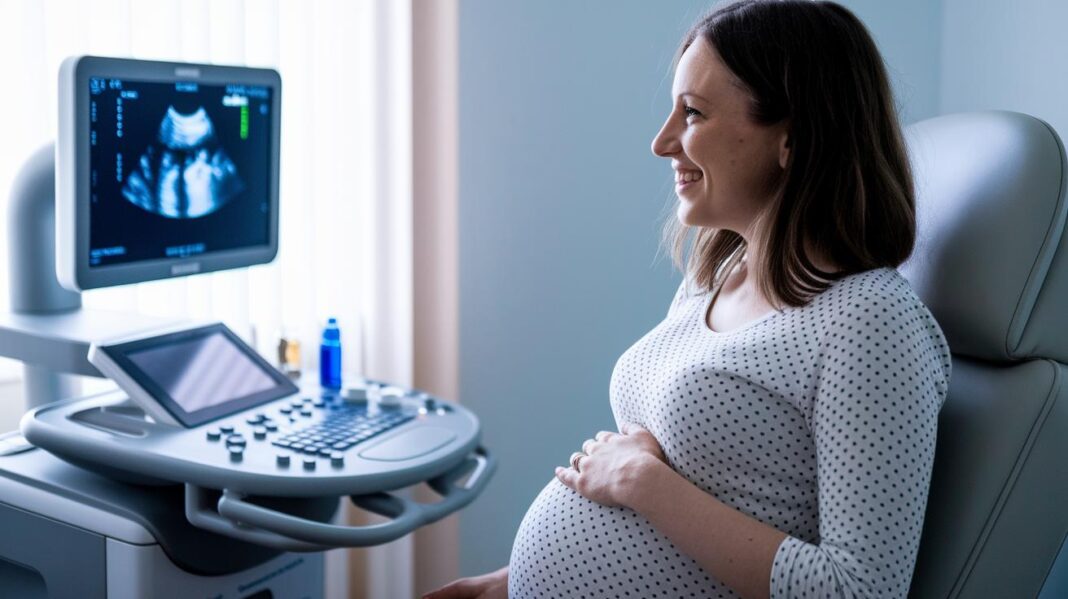
Have you ever thought that a few early tests could set you on the right path in your pregnancy journey? These simple checks work like a map, gently guiding you as you start this special time. They help you and your doctor see how your baby is growing and plan for the best possible care. Starting as early as 10 weeks, you'll have clear steps and friendly follow-up chats to keep you informed and feeling supported. Read on to find out how these tests work, and imagine feeling confident every step of the way.
Step-by-Step Guide to the Prenatal Screening Process

Prenatal screening is a set of tests that help keep an eye on your baby’s growth and see if there might be any concerns, like Down syndrome. The process can start as early as 10 weeks into your pregnancy. At this stage, simple blood tests and ultrasound scans are used to create a clear picture of what’s happening during the first and second trimesters.
These tests are like a map that guides you through the early days of your pregnancy. They give you and your doctor the chance to talk about what might happen next and make a plan for any follow-up steps, whether it’s early on or later in your pregnancy.
- Pre-test talk and finding out your risk
- First-trimester blood test and ultrasound
- Second-trimester ultrasound and a look at blood markers
- Referral for more detailed testing if needed
- Going over your results and planning next steps
At every step, you can expect a caring, one-on-one review. First up, there’s a friendly chat to go over your background and any areas of concern. Then, in the early weeks, blood tests and scans help set a baseline, checking important hormone levels. As you move into the second trimester, more detailed scans and blood work give a fuller picture of your baby’s growth. If anything seems off, you might be referred for even more precise tests, so you have all the information needed to decide on the best care. Together, these steps are meant to give you confidence and clear checkpoints, guiding you from the first screening to thoughtful follow-up planning.
Understanding First Trimester Screening in the Prenatal Screening Process
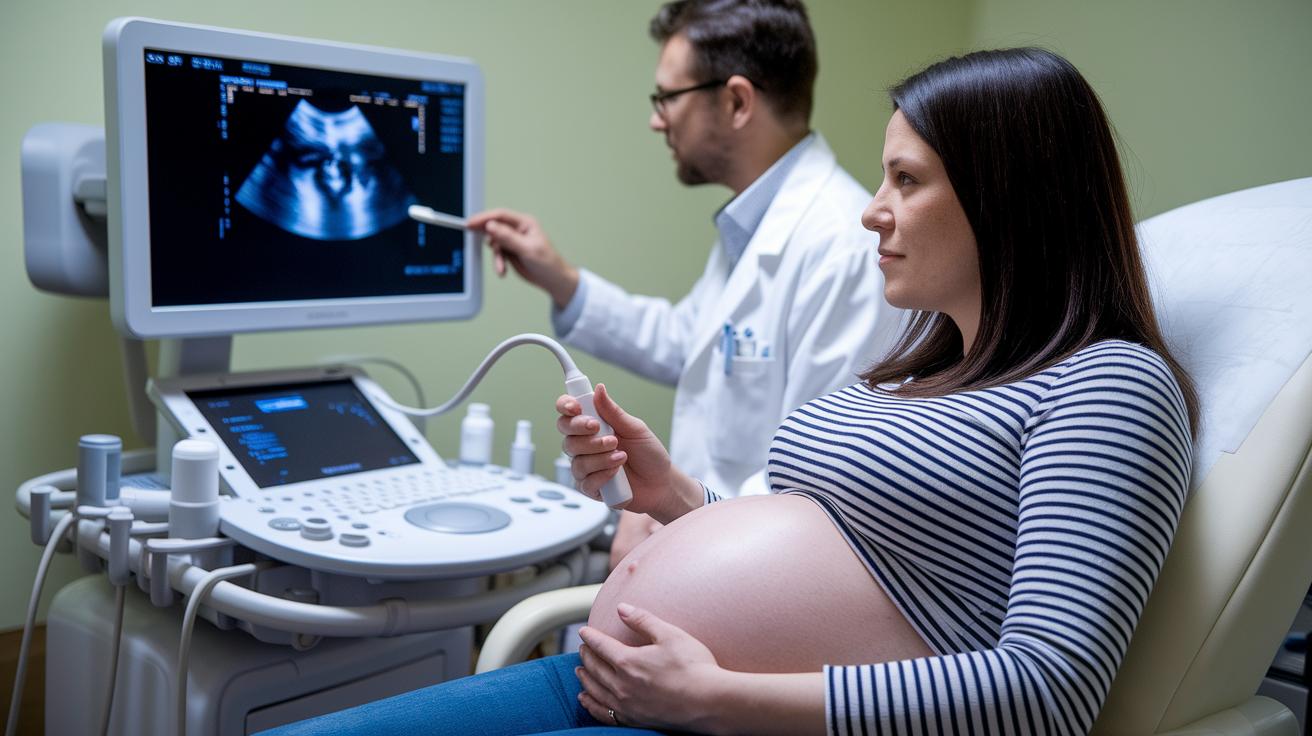
Between 10 and 13 weeks, you have a screening that uses both a blood test and an ultrasound exam to check on your baby's early growth. It’s like gathering little clues to see how well your baby is developing. The blood test looks for specific markers, and the ultrasound gently checks a small area on your baby’s neck. Together, these tests help see if there’s any increased chance of conditions like trisomy 21 (Down syndrome) or trisomy 18.
Sequential and Serum Integrated Blood Tests
A small sample of your blood is taken to measure markers like PAPP-A and free β-hCG. These numbers are used to calculate the risk of chromosomal conditions. One mom mentioned how seeing her results helped her feel more prepared for what might come next. It really is like getting a helpful peek into your baby’s early development.
Nuchal Translucency Ultrasound
During the ultrasound, a sonographer gently measures the thickness of the fluid at the back of your baby’s neck. This extra piece of information adds to the overall picture of your baby's health. It works hand in hand with the blood test results, helping your healthcare provider to offer you clear and personal guidance.
By combining both the blood test and the ultrasound, you get a unique risk score that you can discuss with your healthcare provider, keeping you informed and supported during this special time.
Key Second Trimester Evaluations in the Prenatal Screening Process
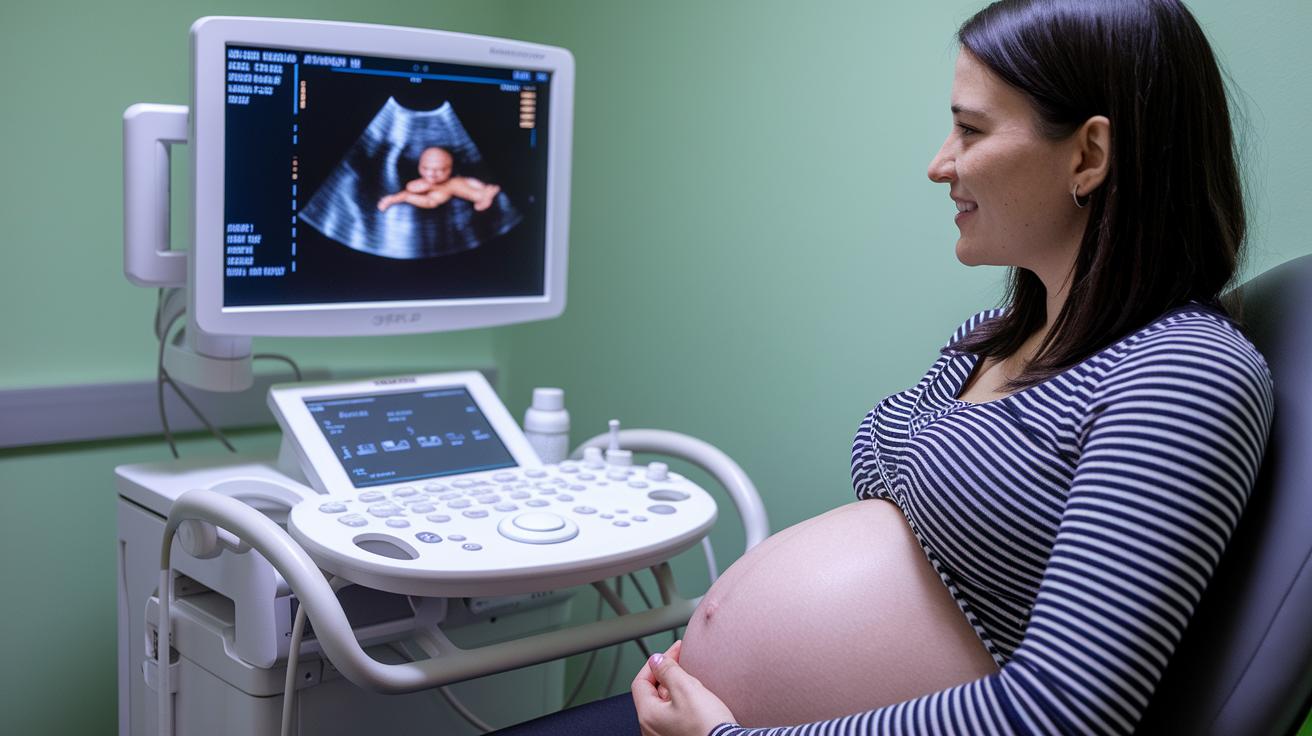
Around 15 to 20 weeks, doctors take a closer look at your baby’s growth. This is when they do a detailed checkup of your baby’s body to see how each part is coming along. It gives both you and your care team a clearer view of the little one’s progress.
During this checkup, a sonographer uses an ultrasound to view your baby from head to toe. They carefully check important details like the brain, heart, spine, and limbs to catch any early differences. One mom even said that every scan felt like discovering another small piece of her baby’s amazing story, reminding her that every part really counts.
Another key test at this stage is the quad marker blood test. This test looks at four markers, AFP, hCG, estriol, and inhibin-A, to help determine the risk of conditions such as Down syndrome, neural tube defects, and abdominal wall issues. Plus, there’s a glucose screening to check for gestational diabetes. Together, these tests offer a complete picture of your baby’s health and your own well-being, guiding your care team as they help plan the next steps.
Exploring Non-Invasive Options in the Prenatal Screening Process

Non-invasive screening is a gentle way to check your baby's health without the risks of more intrusive tests. Thanks to new advances, these tests are now faster and more accurate. For example, improved methods have boosted the performance of cell-free fetal DNA tests (a blood test that checks your baby's DNA) and ultrasound scans, letting you get helpful information without disrupting your daily routine.
Maternal Blood-Based Screening Tests
Blood-based screening tests have come a long way! New techniques now look more closely at cell-free fetal DNA and other blood markers, giving you clearer risk estimates. It’s like upgrading from a basic camera to one that shows every detail of your baby’s health.
Ultrasound Markers
New ultrasound tools check markers such as nasal bone thickness and ductus venosus flow (blood flow in a specific area) with extra clarity. Imagine moving from a rough sketch to a vivid, detailed portrait. This approach lends helpful insights while keeping both you and your baby safe.
Non-invasive methods combine safety with a thorough risk check. They ease your worries while the latest advances promise faster, more accurate results. Just remember, these tests provide estimates rather than a definite diagnosis.
Invasive Diagnostic Procedures in the Prenatal Screening Process

Sometimes, if your earlier tests show a higher risk, your doctor might suggest an invasive test to take a closer look. These tests give you a clear answer when the initial screens aren’t quite clear. If your screening raises any concerns, you might hear about procedures like CVS or amniocentesis. Both tests take a small sample of tissue or fluid that can be checked for chromosomal conditions. One mom even said it felt like taking a second, detailed snapshot when the first photo didn’t capture everything.
| Procedure | Timing | Sample Collected | Risk |
|---|---|---|---|
| CVS | 10-13 weeks | Placental tissue | Slight chance of miscarriage |
| Amniocentesis | 15-20 weeks | Amniotic fluid | Minor risk of complications |
Talking about risks and benefits is a big part of deciding if an invasive test is right for you. Your doctor will go over your screening results and chat about what to expect, much like weighing options when you plan a family meal. This kind of conversation can help you feel more sure about your decisions and guide you gently to the next steps.
Interpreting Results and Next Steps in the Prenatal Screening Process

Your screening tests give you risk estimates instead of confirmed answers. Think of these numbers as gentle hints, if they go above a certain level, your doctor might suggest looking a bit closer to be sure. It’s not a diagnosis, but a soft signal that more detailed check-ups might be needed.
If your doctor recommends extra tests, you'll have a few options. You might be offered tests like amniocentesis or CVS for more precise results, and you could also meet with a genetic counselor who explains what those numbers mean. One mom even shared, "After my risk was explained, my genetic counselor helped me understand every single number." These follow-up tests and the caring advice can help you decide what steps feel right for you.
Your healthcare team is there to guide you, too. They can connect you with helpful resources and support groups, creating a clear plan just for you. Whether you're reviewing your risk estimates or chatting with a counselor, know that you’ll receive warm, understanding advice to help you feel confident during this sensitive time.
Final Words
In the action, we explored step-by-step procedures for screening, breaking down early and mid-pregnancy tests and even the details on invasive options. We talked about the helpful timings and what to expect during screenings. Each phase gives hope and clarity for parents, making the prenatal screening process explained clear and doable. It’s all about understanding and reassurance, helping you feel ready for what comes next with a positive outlook.
FAQ
What are the pros and cons of prenatal screening?
The pros of prenatal screening include early risk detection and informed decision-making, while the cons may involve anxiety over uncertain results and the need for additional tests if risks are high.
How is prenatal screening done?
Prenatal screening is done using maternal blood tests combined with ultrasound exams, starting in the first trimester and often followed by mid-pregnancy evaluations to estimate the risk of genetic conditions.
What types of prenatal testing are available?
Prenatal testing includes non-invasive screenings, such as blood assays and ultrasounds, as well as invasive diagnostic tests like amniocentesis and chorionic villus sampling that offer more definitive genetic information.
What is the difference between prenatal screening and diagnostic tests?
Prenatal screening provides risk estimates using non-invasive methods, while diagnostic tests like amniocentesis or CVS offer definitive results regarding a fetus’s genetic makeup, clarifying potential issues.
What does a prenatal screening blood test involve?
A prenatal screening blood test involves drawing blood from the mother to measure markers like PAPP-A and free β-hCG, which, when combined with ultrasound findings, help estimate genetic risk.
What is the definition of prenatal testing and prenatal genetic testing?
Prenatal testing examines fetal health during pregnancy, and prenatal genetic testing specifically analyzes genetic markers to identify potential chromosomal conditions early in the pregnancy.