
Have you ever thought that a simple test might ease the worries of expecting parents? New trends in prenatal (testing during pregnancy) screening are now giving mommies and daddies faster, clearer answers about their baby's health. Tools like NIPT, a test that gently checks your baby's genes, and other advanced tests offer quick, reliable results that bring a little more hope and calm to your day. This article walks you through how these new tests work together to help you feel safe and comforted during one of the most beautiful times of your life.
Key Developments Shaping Prenatal Screening Today

Prenatal screening is changing fast with new technologies that give quicker and more reliable results. A mix of genetic tests, imaging, and digital tools now works together to offer a clear picture of your baby's health. These new tools help spot potential issues early on, so families can feel ready and hopeful about the future.
One tool that really stands out is called NIPT. It checks for concerns using cell-free fetal DNA (small bits of the baby's DNA found in your blood). With over 99% accuracy for trisomies 13, 18, and 21 and very few false alarms (just 0.09%), this easy blood test offers fast, trustworthy results that let you understand important genetic details early in your pregnancy.
Another big improvement comes from whole-exome and whole-genome sequencing. These tests look at large parts of your baby's genetic code to catch tiny gene deletions, changes in gene copies, or single-gene problems. When combined with clearer ultrasound images and fetal MRI, doctors can notice things like heart issues, spinal problems, or bone differences much sooner, giving a better view of your baby's development.
Lastly, integrated screening is becoming the norm. By blending genetic data, imaging results, and smart AI diagnostics, screenings are becoming even more precise. With experts from different fields working together, findings are reviewed more quickly, helping you and your baby get the very best care and support.
Innovations in Non-Invasive Prenatal Screening Technologies
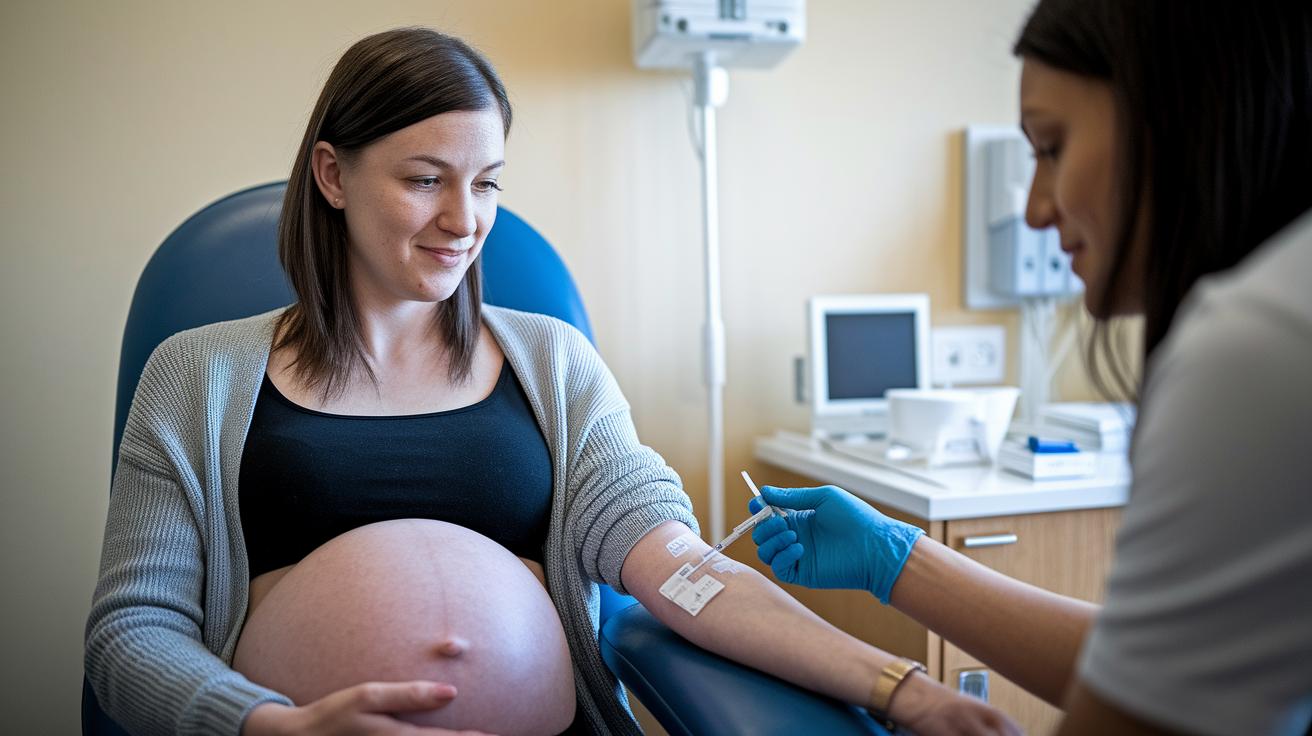
Non-invasive prenatal tests, like the non-invasive prenatal test (https://womensconference.org?p=), are making it easier to check on a baby’s health with just a simple blood draw. These tests look at bits of fetal DNA in the blood to give families quick and friendly insight into genetic details. It’s a bit like receiving a small, reassuring note during a routine checkup, it gently tells you that all is well.
Recent improvements in these tests are really exciting. Detection rates for major trisomies now top 99%, and false-positive results are kept very low at about 0.09%. Rapid aneuploidy assays have cut the waiting time from days to just hours. Imagine getting a quick, clear answer when every minute matters. It’s almost like having a caring friend who instantly helps ease your worries.
New assay designs have also boosted the test’s ability to notice even little amounts of fetal DNA. This means the screening can now pick up on traits like sex-chromosome or microdeletion conditions much earlier. Picture a finely tuned test that pays close attention to the tiniest signals in your blood, ensuring you receive the fastest, clearest updates during such an important time.
Expanding Genetic Screening with Advanced Sequencing Methods

Next generation sequencing has truly changed prenatal care by reading millions of genetic letters all at once. New methods like whole-exome and whole-genome sequencing spot changes, like tiny missing pieces, extra copies, or even issues in a single gene. It’s a bit like reading a long letter carefully, catching every single word that matters.
Fancy computer tools, called bioinformatics pipelines, turn all that gene data into results that are easy to understand. They compare these modern tests with older ones, like karyotyping, and give us answers much faster and in greater detail. Imagine having a smart friend who sorts out a giant puzzle and shows you exactly how it all fits together.
Real-world experience shows that in about 40% of complex fetal cases, this technology offers a clear diagnosis. When there are many small signs in a fetus, it picks up details that traditional tests might miss, like noticing a tiny, unexpected brushstroke in a painting.
In everyday clinical use, these methods help doctors catch potential issues early and precisely. With all the detailed information, care teams can create personalized plans that give families real confidence during a delicate time. It’s like receiving a carefully drawn map that guides you with every important detail in mind.
Imaging Breakthroughs in Prenatal Screening and Diagnostics

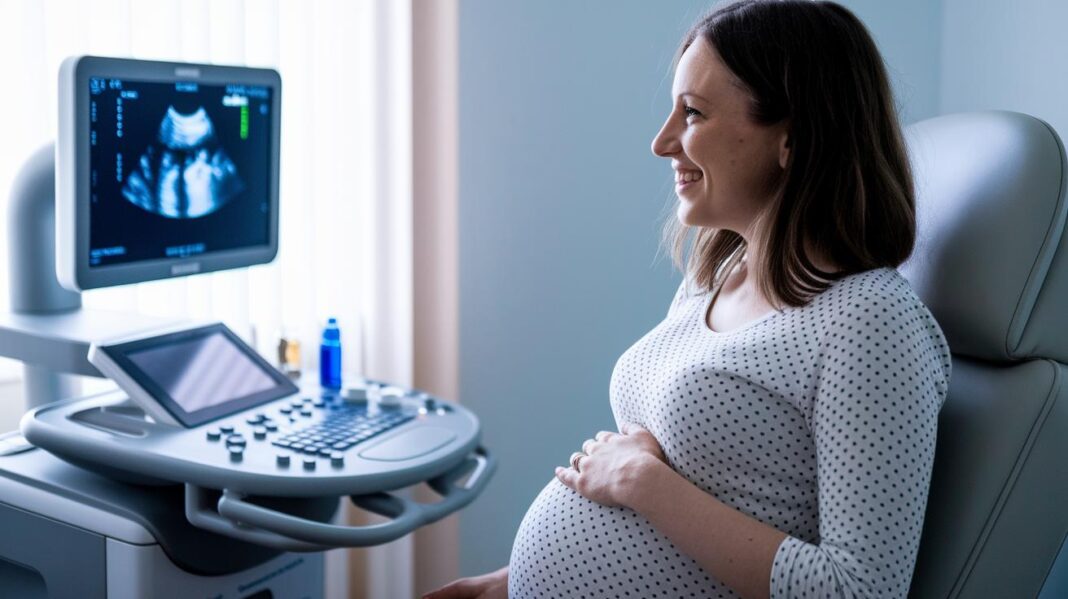
New ultrasound machines have really changed the way we see a baby growing. These high-resolution images let doctors spot heart issues, neural tube problems (that’s the early development of the brain and spine), and bone malformations much earlier. Imagine watching a tiny heart beat steadily on the screen, it feels reassuring and gentle during those nervous moments.
Fetal MRI has also become a key helper in prenatal checks. When an ultrasound shows something unclear, this tool gives extra details about how your baby's organs are forming. It’s like having a caring second opinion that confirms what’s happening, making everyone feel a bit more at ease.
Today, doctors blend these amazing images with genetic information to create one clear view of your baby’s health. This teamwork between visuals and data helps reduce worry and builds a confident plan for care. It’s a bit like having a well-coordinated team looking out for your little one every step of the way.
The Role of AI and Machine Learning in Prenatal Screening

AI is now a friendly helper in prenatal screening. It looks at images and genetic details to catch tiny differences that might easily be overlooked by a human eye. This smart technology speeds up the review process so doctors can show signs early and provide care when it really counts.
Machine learning makes a big difference by automating the detection of small issues. It quickly checks new images against familiar patterns, which means fewer mistakes and a faster interpretation of results. This helps busy care teams lighten their workload and work more smoothly, bringing a bit more ease into an already challenging time.
Imagine a clinic where advanced tools process high-resolution ultrasound pictures and combine them with detailed genetic information. One day, these digital helpers spotted a tiny structural change that regular tests hadn’t seen. Because of this early clue, doctors could quickly adjust treatment plans, ease parents’ worries, and set up extra checks. It’s a clear reminder that these smart systems are reshaping prenatal care with care and compassion, giving hope during such a delicate time.
Ethical, Regulatory, and Accessibility Challenges in Prenatal Screening

Rules and guidelines for prenatal screening are always changing as experts update standards and payment practices. New research and improved technology mean that the tests we use today are clearer and easier for families to understand. This makes it simpler for everyone involved to know what to expect and have a smoother experience.
Health systems are also working hard to cut costs. They are trying new ways to lower expenses without giving up on quality. For example, using more affordable tools, streamlining test methods, and teaming up on studies all help make tests more accessible for families who need them.
Here are some challenges and what is being done to address them:
- Complex informed consent for advanced tests: Clear, simple forms and personal counseling sessions are being introduced so that families can get answers to their questions.
- Concerns about genetic data privacy and storage: New security measures and regular updates to privacy policies help protect sensitive information.
- Insurance gaps for new tests, especially for rare conditions: Efforts are underway to expand insurance coverage and show the value of these new screening methods.
- Differences in screening guidelines and payment rules: Collaboration between experts and officials is key to creating more consistent practices across different regions.
It’s all about making sure that every family feels supported and informed during a very important time.
Future Directions for Prenatal Screening in Clinical Practice

Doctors are trying out new ideas with ongoing studies that check on babies before they're born. They’re testing larger gene panels and fresh biological markers to catch even the tiniest hints about a baby's health. It's a bit like perfecting a favorite recipe, the right touch makes all the difference.
At many clinics, experts from different fields are teaming up. Geneticists, scan specialists, and counselors join forces to create care plans that really fit each mom's unique needs. Imagine a warm get-together where each friend adds a piece to the puzzle. This kind of teamwork makes the whole care experience feel friendly and reassuring.
Researchers are also building simple tools to predict how pregnancies might go. They mix together bits of information from genes to scans, which helps doctors adjust care plans more easily. With these improvements, new guidelines will soon support smarter, quicker screening programs for our community.
| Research Area | Expected Impact | Timeline |
|---|---|---|
| Expanded Genomic Panels | Enhanced early detection | 2-3 years |
| Multidisciplinary Teams | Coordinated care improvement | 1-2 years |
| Predictive Models & Novel Biomarkers | Better outcome forecasts | 3-4 years |
Final Words
In the action, we explored how advanced technologies, like enhanced NIPT and next-generation sequencing, are reshaping prenatal care. We touched on imaging breakthroughs and the growing role of AI to boost early detection. The conversation also looked at ethical and regulatory challenges and painted a picture of a future built on multidisciplinary teamwork and ongoing research. These emerging trends in prenatal screening help provide clearer insights and empower families with better care and hope. Keep embracing these innovations as steps toward a nurturing tomorrow.


