Have you ever thought that a simple test might show important details about your baby's well-being? Early screening tests during pregnancy can give you a clear look at whether extra copies of a certain chromosome are present. These tests help point out signs that might affect your little one’s growth. By understanding both gentle, noninvasive tests and more direct diagnostic options, you can have a more relaxed and open chat with your healthcare team. This article explains everything in simple terms so you feel more confident and informed about your choices.
Overview of Prenatal Screening Tests for Down Syndrome

Prenatal screening tests help spot extra copies of chromosome 21, which can influence a baby's growth and development. Down syndrome often brings both learning differences and some unique physical features, like eyes that tilt upward, a flatter nose bridge, and sometimes even a single crease on the palm. There are two main types of tests: noninvasive screening that doesn't harm your baby and more invasive diagnostic tests.
The noninvasive tests include the combined first-trimester screening, NIPT (noninvasive prenatal testing), and the second-trimester serum screening. The combined first-trimester screening mixes a simple blood test with an ultrasound, usually done between 11 and 14 weeks. This test checks certain markers in your blood and measures the baby’s size to give early clues, all without any danger to your little one. Sometimes, an ultrasound might show a thicker area at the back of the baby’s neck (called increased nuchal translucency), which is a sign doctors look for when checking for chromosomal issues.
NIPT is done using a blood sample from the mother after 10 weeks and looks at tiny pieces of the baby’s DNA that float in the mother’s blood. It’s very reliable, but on rare occasions, it might give a false positive or false negative result. If that happens, doctors may want to do another test to be sure.
The second-trimester serum screening, often known as the quad screen, is usually done between 15 and 20 weeks. It measures different markers in the mother's blood to help decide if further testing is needed, especially if earlier tests weren’t done or if more information is desired.
For a clear-cut diagnosis, more invasive tests like chorionic villus sampling (CVS) or amniocentesis can be done. CVS is typically done between 10 and 13 weeks, while amniocentesis is done between 15 and 20 weeks. Both of these tests are almost 100% accurate, though they do carry a very small risk (less than 1%) of miscarriage.
It’s also important to know that a mother’s age can change the risk level. For example, the chance for Down syndrome is about 1 in 1,400 for mothers under 25, about 1 in 350 at age 35, and around 1 in 100 at age 40.
First Trimester Screening Methods for Trisomy 21 Detection

Early in your pregnancy, doctors use a gentle test to check your baby's health. They combine a simple ultrasound of the baby's neck (this is called nuchal translucency) with a blood test that looks at markers like PAPP-A and hCG during weeks 11 to 14. Imagine a calm ultrasound session where the doctor explains that a small space behind your baby’s neck can offer important insights about your baby’s well-being, it's a reassuring moment that helps you understand what’s happening.
In California’s prenatal screening program, this method is used as part of a step-by-step plan. The test is noninvasive, so there’s no risk to your little one. While Medicare usually covers the blood test, there might be a fee for the ultrasound. This approach gives you clear, early clues that help guide future decisions in a caring and safe way.
Non-Invasive Prenatal Testing (NIPT) Advantages and Considerations
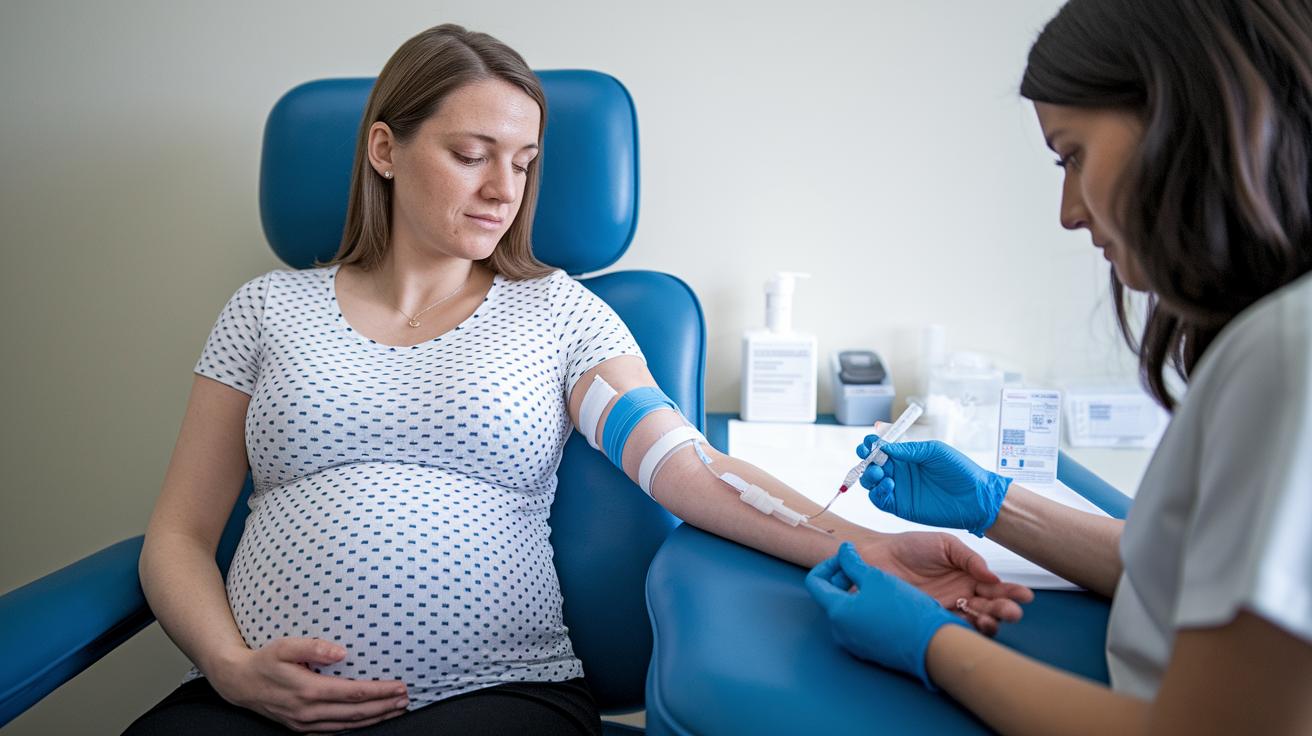
NIPT looks at tiny bits of your baby’s DNA found in your blood after about 10 weeks. It’s easier on you and gives more accurate results compared to older blood tests. Prices can differ from one provider to another, and while some insurance plans cover it, you might still have to pay a bit from your own pocket.
Sometimes, the test might show a result that isn’t quite right, either a false alarm or something it might miss. If that happens, your doctor may recommend another test, like CVS or amniocentesis, just to be extra sure about what’s going on.
Second Trimester Serum Screening Options for Down Syndrome
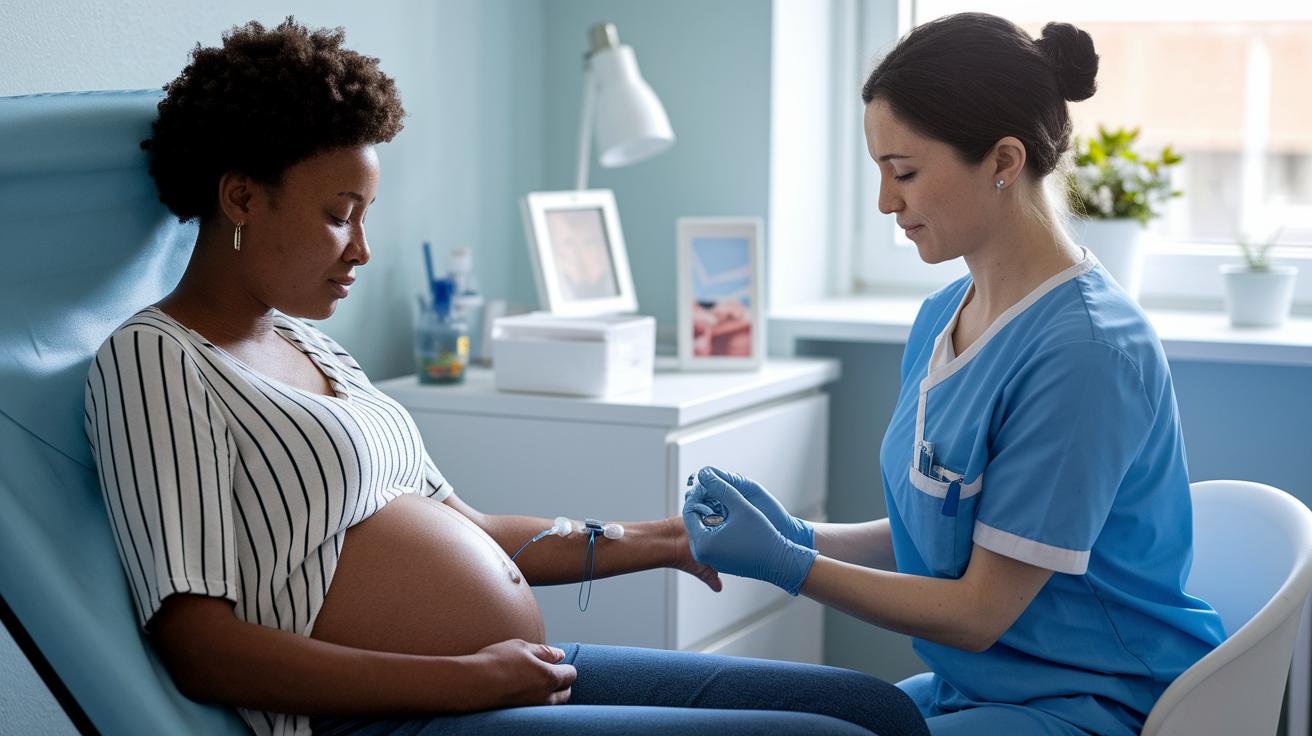
The quad screen is a simple blood test done between 15 and 20 weeks of pregnancy. It checks four key markers, AFP, hCG, estriol, and inhibin-A, to estimate the chance of Down syndrome when the first test wasn’t done.
Picture a calm visit around 17 weeks where one quick blood draw gathers all this important information. It’s like putting together little clues about your baby’s health.
AFP looks at protein levels made by your baby’s liver. Meanwhile, hCG, estriol, and inhibin-A offer extra hints about how the pregnancy is going. The way these markers balance can show if additional testing might be a good idea.
Even though the quad screen isn’t as precise as a combined first-trimester screening or NIPT (Non-Invasive Prenatal Testing), it still gives you useful guidance about your baby’s health.
Diagnostic Tests: Amniocentesis and Chorionic Villus Sampling

If a screening test comes back positive, your doctor might suggest two small procedures to learn more. One of these is called CVS, done between 10 and 13 weeks. It takes a tiny sample of the placenta, giving you early news and a bit of peace of mind. The other test, amniocentesis, happens later, between 15 and 20 weeks, and collects a sample of the amniotic fluid to check the baby's chromosomes.
Some parents choose CVS to know sooner, while others prefer amniocentesis because it fits better with their care plan. Recent feedback shows that some women feel a little discomfort with CVS, and others say that amniocentesis feels like a quick, firm pressure.
| Feature | CVS | Amniocentesis |
|---|---|---|
| Timing | 10–13 weeks | 15–20 weeks |
| Sample | Placental tissue | Amniotic fluid |
| Risk | Less than 1% risk of miscarriage | Less than 1% risk of miscarriage |
Talk with your doctor about these details to help you choose what feels right for you.
Interpreting Prenatal Screening and Diagnostic Results

Screening tests, like blood tests and ultrasounds, work a bit like checking the weather forecast. They give you an idea of what might happen, much like seeing clouds and grabbing an umbrella just in case. The numbers you see show a possibility, not a certainty.
If the test numbers suggest a higher chance of an extra copy of chromosome 21, your doctor will sit down with you and explain what those figures mean. You might also be introduced to a genetic counselor who can help break it down in simple terms and answer any questions you have, both the practical ones and those that tug at your heart.
Sometimes, more detailed tests like amniocentesis or chorionic villus sampling are needed. These tests work to give you clear answers after a few days or weeks.
- The numbers you get are estimates, not a final diagnosis.
- Your doctor will be there to help you understand every part of it.
- Follow-up tests can bring extra peace of mind.
| Screening Test | What It Tells You |
|---|---|
| Blood Test/Ultrasound | Shows a risk estimate for an extra copy of chromosome 21 |
| Diagnostic Tests | Gives you clear answers through steps like amniocentesis |
Counseling, Follow-Up, and Support After Prenatal Screening

After your screening, things might feel overwhelming, but a chat with a genetic counselor can really help clear things up. They'll sit with you like a caring friend and explain what your results mean, discussing the risks and benefits of further tests in a very relatable way.
Imagine having someone gently walk you through each detail, reminding you that a risk number is only an estimate and not a final verdict.
- Genetic counseling helps clear up confusion and shows you a way forward.
- Talking with your doctor and joining support groups gives you real comfort.
- Professional advice helps address your concerns so you can feel more secure in your choices.
Connecting with a genetic counselor and local support groups means you get honest, accurate information along with a caring network to help you through these challenging moments.
Final Words
In the action, we've explored how prenatal screening tests for down syndrome work. We reviewed first trimester screening methods, the benefits of NIPT, second trimester serum options, and diagnostic tests like amniocentesis and CVS. These tests help set the stage for detailed genetic counseling and emotional support. It's a reassuring reminder that being informed provides a solid foundation for making thoughtful choices. Take comfort in knowing that each step is designed to offer clarity and support for your family.
FAQ
What signs of Down syndrome might be seen during pregnancy?
Signs during pregnancy emerge through screening tests. For instance, an increased nuchal translucency on ultrasound or changes in maternal blood markers can suggest a higher risk, prompting more definitive testing.
How accurate is the blood test for Down syndrome and prenatal tests overall?
Blood tests like the combined first-trimester screening and NIPT estimate risk with high sensitivity. While they offer strong risk assessments, they aren’t diagnostic, so positive results lead to confirmatory tests such as CVS or amniocentesis.
What happens if a Down syndrome test comes back positive?
A positive test indicates an increased risk of Down syndrome, not a sure diagnosis. It guides you to further diagnostic procedures and discussions with your healthcare provider to confirm the result.
When during pregnancy are tests for Down syndrome typically done?
Screening tests begin as early as 10 weeks, with first-trimester tests occurring at 11–14 weeks. Diagnostic tests like CVS can start around 10–13 weeks, while amniocentesis is usually performed between 15–20 weeks.
How are Down syndrome blood test results explained?
Blood test results provide a risk estimate for Down syndrome rather than a definitive answer. These percentages indicate the likelihood and help guide discussions about further diagnostic testing.
How is Down syndrome diagnosed after birth?
After birth, diagnosis is made through physical exams and a genetic test that examines the baby’s chromosomes to confirm whether Down syndrome is present.
What prenatal tests are available for detecting Down syndrome?
Prenatal tests include the combined first-trimester screening, NIPT, and the second-trimester quad screen. For a confirmed diagnosis, invasive tests like CVS and amniocentesis are available.
Is the nuchal translucency (NT) measurement or NIPT more accurate?
NIPT is more accurate than NT ultrasound measurements for screening Down syndrome, as it analyzes fetal DNA, offering higher sensitivity and reducing the chance of false positives.
Does the 12-week scan check for Down syndrome?
Yes, the 12-week scan is part of the combined first-trimester screening that measures markers like nuchal translucency to assess the risk of Down syndrome, guiding further testing if needed.