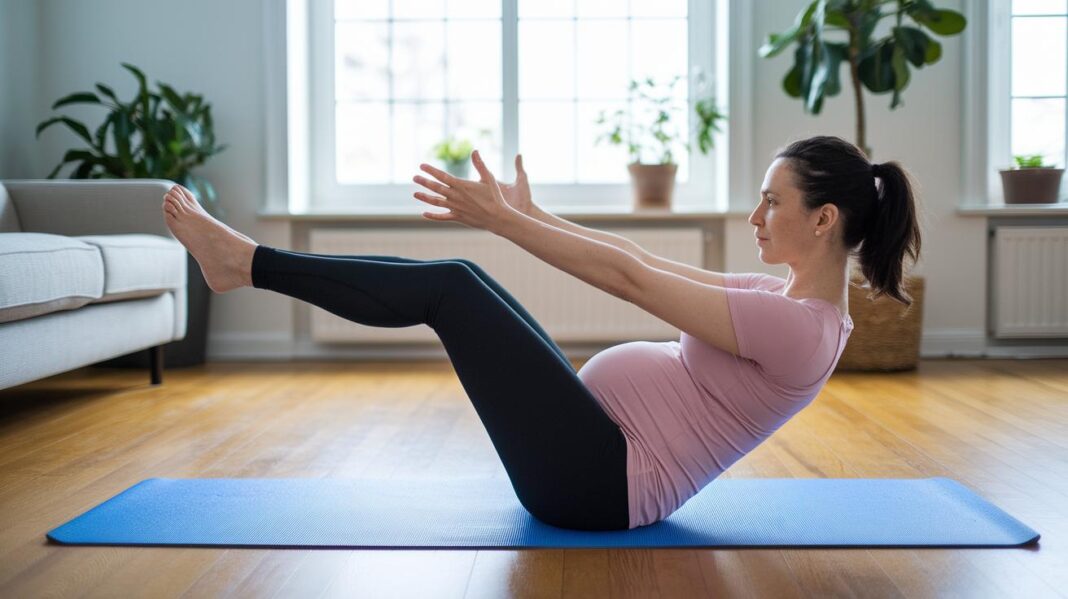
Have you ever wondered if you can find your inner strength again after having a baby? Many new moms feel a bit off balance as their bodies change after pregnancy. A gentle workout made just for the postpartum (after birth) period can help rebuild your muscles and ease everyday discomfort. Imagine stirring a warm bowl of soup, moving slowly and carefully with every stir. This post shares easy, mindful tips to help you safely renew your strength while taking care of your healing body.
Postpartum Core Workout: Renew Your Strength

After having a baby, many moms might notice tummy pressure, some discomfort, or a feeling of lingering weakness. Pregnancy stretches your tummy muscles, thins the skin along the middle of your belly (that faint line known as the linea alba), and makes your pelvic ligaments looser. These changes mean your core needs extra care as you begin to move again. For example, doing too many standard crunches can put extra strain on your tummy muscle, which might worsen diastasis recti. Ever felt a gentle tug during a slow, careful movement? That’s your body reminding you to choose exercises that help rebuild strength thoughtfully.
It’s really important to give yourself time to heal. Many doctors suggest waiting 4 to 8 weeks before jumping back into core workouts, though every mom should listen to her body. Even small, daily actions and light movements can help strengthen your core without causing extra stress. Keep your progress calm and steady, if something doesn’t feel right, it might be time to slow down or try a gentler version.
Here are some easy steps to start with:
| Step | Description |
|---|---|
| Breathe | Start with deep breathing to relax your body and engage your core slowly. |
| Progress Gradually | Begin with simple moves and slowly work up to more challenging ones. |
| Focus on Form | Keep your movements controlled and correct, speed isn’t as important as technique. |
| Avoid Extra Weights | Stick to bodyweight moves until you’re really comfortable with your strength. |
| Engage the Pelvic Floor | Remember to gently tighten your pelvic muscles before each movement. |
Take your time and be kind to yourself. Small, mindful steps can make a big difference in your journey back to strength.
Understanding Postpartum Core Changes

When you're pregnant, your tummy muscles stretch, and the tissue in the middle (called the linea alba) becomes thinner. Even your back muscles change as your body makes room for your growing baby. At the same time, the ligaments in your pelvis become more relaxed to help with childbirth. Think of it like a trusted bridge that needs a gentle tune-up to stay strong. Imagine a soft stretch across your tummy as you slowly breathe out, it feels gentle and caring.
Because of these changes, you may notice a slight gap or a soft bulge when you use your core muscles. This is often a sign of diastasis recti, where the tummy muscles separate a little bit. It can also affect the strength of your pelvic floor. To help, try safe exercises that rebuild both the middle and back muscles. For example, you could do a slow pelvic tilt while sitting on a stability ball, letting your muscles work gently with each controlled move. This way, you focus on care and not on force.
Another tip is to practice deep, mindful breathing with proper posture. Start by taking a slow, careful breath and notice how your tummy contracts softly. This simple step can pave the way for a steady and effective recovery.
Progressive Postnatal Core Rebuilding Plan
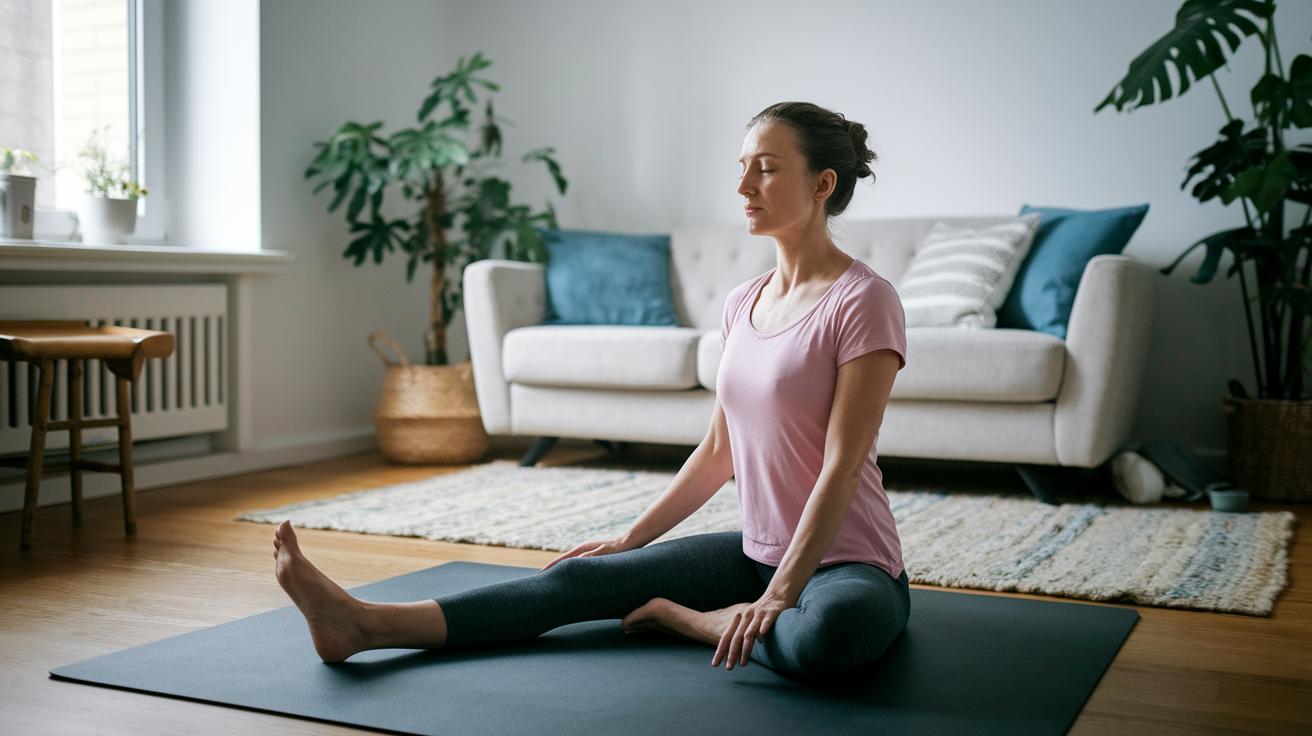
Getting back in shape after having your baby means taking your time and listening to your body. This plan uses gentle, everyday movements that only require your bodyweight so you can keep control and rebuild your core at your own pace. In the beginning, you’ll focus on simple breathing and easy exercises that help you feel your deep tummy muscles working. Once you feel more comfortable, try moves like heel slides, leg extensions, and toe taps (about 10 careful reps per leg) to slowly add a bit more challenge. Later on, you can mix in advanced leg extensions and double leg lowers to keep strengthening your core in a safe way. Each step is set up to help you move smoothly to the next, so you can feel strong and steady.
| Exercise | Phase | Reps/Duration |
|---|---|---|
| Basic Breathing | Phase 1 | 5 breaths |
| Heel Slides | Phase 1 | 8 per leg |
| Leg Extensions | Phase 2 | 8 per leg |
| Toe Taps | Phase 2 | 10 per leg |
| Advanced Leg Extensions | Phase 3 | 8 per leg |
| Double Leg Lowers | Phase 4 | 6 reps |
As you go through each phase, take some time to check in with yourself and see how things are feeling. Move to the next step only when you’re ready, and don’t rush the process. By slowly increasing the challenge, not only will you build a stronger core, but you’ll also develop better posture and smoother movements throughout your day. Every session is a little step toward rebuilding your strength and feeling secure after childbirth.
Postpartum Core Techniques for Diastasis Recti Repair
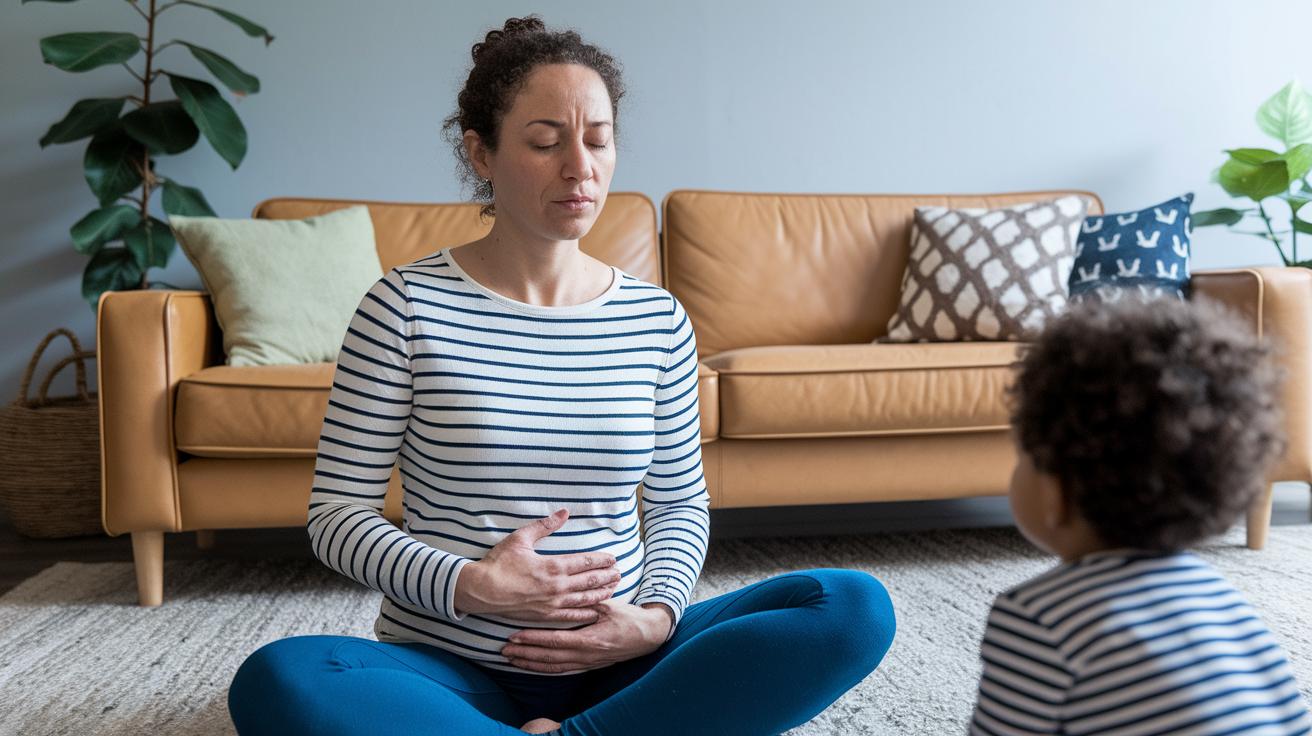
Sometimes, too many crunches can put extra strain on your core, which might hurt more than help. I’ve seen many moms jump right into traditional ab workouts without knowing that these exercises can stress your already sensitive muscles. Imagine doing crunches quickly and feeling a sharp tug in your tummy, your body is asking you to take it slow.
Instead, try focusing on gentle breathing and slowly tightening your belly. Take a deep, slow breath in while letting your tummy rise, and then breathe out fully while gently pulling your muscles inward. It’s like carefully closing a book one page at a time. This mindful approach lets your core heal without extra pressure.
If you’d like to check on how your progress is going, try this simple trick: Lie on your back with your knees bent and lift your head and shoulders just a little off the floor. Run your fingers softly along the middle of your tummy. If you notice a clear gap, it might be time to adjust your routine or talk to a professional for some extra guidance.
Postpartum Core Stabilization Drills for C-Sections

After a C-section, your body needs time to heal, so it’s important to wait until your doctor says it’s okay, usually after about 6 to 8 weeks, before starting any core exercises. This pause helps your incision and the muscles beneath it heal properly. Until you get the green light, steer clear of heavy core movements that could put extra strain on you. Listen to your body and follow your healthcare provider’s advice because every recovery is different, and a slow, gentle approach can really help you feel better.
When you’re ready to begin, start with soft, simple drills to rebuild your strength. Try isometric bracing exercises that work your deep core without putting pressure on your healing area. You can also do gentle pelvic tilts and diaphragmatic breathing exercises (deep breathing from your belly) to help create stability. Take your time with each move, holding them for a few seconds while you breathe steadily. These mindful exercises gently prepare you to move into more active routines as you regain strength and comfort on your recovery journey.
Integrating Pelvic Floor and Core Activation
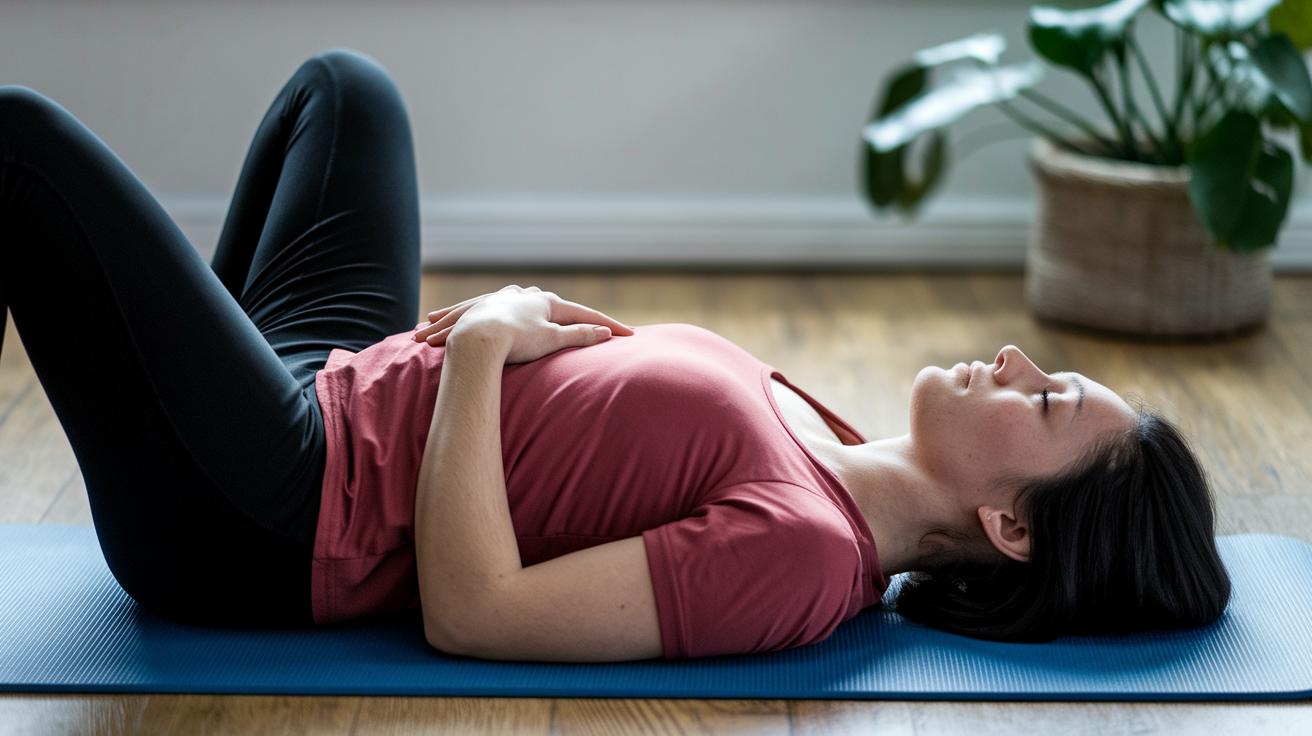
Your pelvic floor is a group of muscles that help support your bladder, uterus, and bowels. They form the foundation of your deep core, working together to keep your midsection steady. When you gently squeeze these muscles, you prepare your core for strength, making everyday movements feel more secure with a little help from your healthcare team and postpartum recovery tips.
Deep abdominal conditioning means pairing slow, all-around breathing with soft muscle exercises. Imagine taking a deep breath to fill your belly, then exhaling while you softly tighten your pelvic muscles, kind of like a gentle Kegel exercise. This mindful way of breathing not only relaxes your body but also helps your posture and overall support feel just right.
For example, try standing tall with relaxed shoulders. Inhale deeply, and as you exhale, gently contract your pelvic floor while lightly engaging your core. It shows how thoughtful breathing and a little muscle work can come together to boost your overall stability.
Designing Home-Based Postpartum Core Sessions
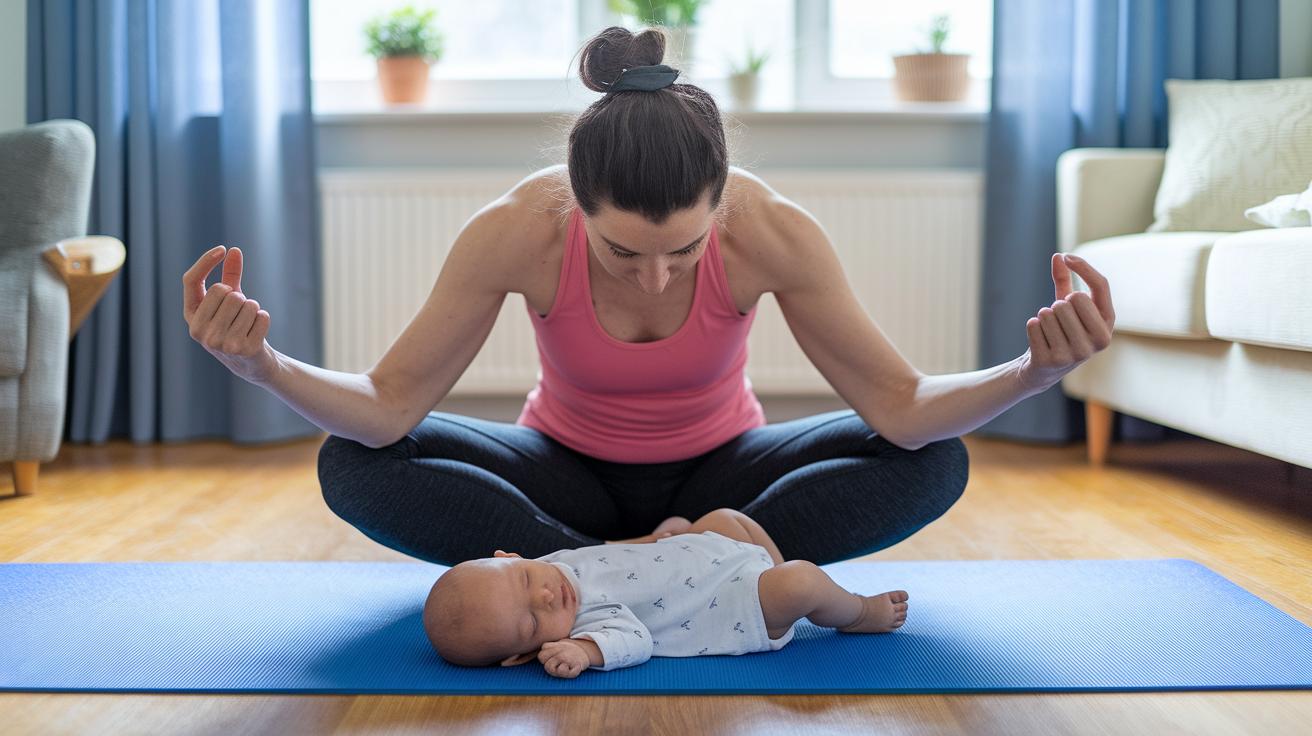
Imagine carving out a little time during the day when your baby is napping or quietly playing, just for yourself. This gentle bodyweight-only routine is a simple way to help your body feel a bit stronger and more in tune with its healing process. With easy moves that focus on muscle awareness and slow, mindful breathing, you can work on strengthening your pelvic area without straining your recovery. It’s all about easing back into movement and feeling confident while you care for your little one.
Let’s walk through the session:
- Bird-dog – Do this move for 30 seconds and repeat 3 times.
- Heel taps – Hold for 30 seconds on each side, doing 3 rounds per side.
- Glute bridge – Keep this move up for 30 seconds and repeat it 3 times.
- Modified side plank – Hold for 30 seconds on each side and do it 3 times per side.
- Rolling plank – Finish with a 30-second hold, repeating 3 times.
Setting aside 15 to 20 minutes during those quiet moments can feel very rewarding. You might adjust the time or number of rounds based on how you feel. These kinds of gentle sessions not only help rebuild your core muscles but also remind you to listen closely to your body’s signals, keeping your recovery paced and safe. Give it a try next time you find a peaceful moment in your busy day.
Postpartum Core Mistakes and Expert Recommendations
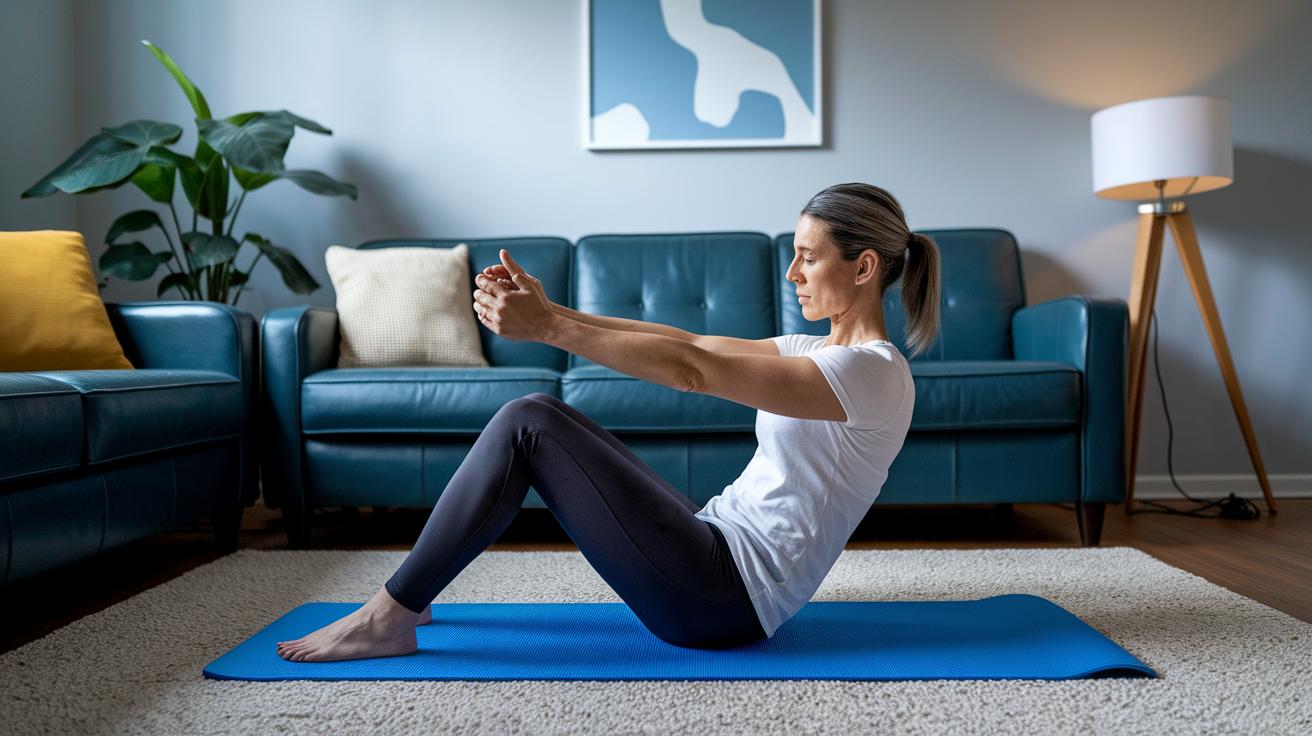
Sometimes, moms jump into their core workouts too quickly, and that can lead to common mistakes that slow down recovery. You might find yourself overdoing crunches, using poor form, or even skipping over little signals like pain or leakage. It might seem like quick fixes help, but rushing can really hold you back instead of bringing stability.
A gentler approach can make all the difference. Start with a simple routine that highlights proper posture and controlled breathing, think of it as savoring one small step at a time. Try basic exercises that let your body steadily adapt, and check in with yourself during and after each move. And if you ever notice pain or leakage, don’t hesitate to stop and reach out to your healthcare provider. This way, every move is a safe step toward renewed strength.
Final Words
In the action, our article showed safe steps for strengthening your midsection after childbirth. We discussed core changes, mindful breathing, a progressive routine, and modifications for recovery.
This piece shared tips for a bodyweight-only plan and gentle techniques to help rebuild stability. Starting with proper care, a steady postpartum core workout can boost strength and support your well-being. Enjoy each small victory and keep moving forward with confidence.
FAQ
What is a postpartum core workout at home?
The postpartum core workout at home offers a gentle routine focused on restoring abdominal strength safely. It uses mindful breathing, controlled movements, and proper alignment to support your recovery process.
What are postpartum core exercises PDFs?
The postpartum core exercises PDF serves as a clear guide that details safe, step-by-step movements. It explains how to rebuild core strength effectively with visuals and simple instructions for new moms.
What are postpartum ab exercises for diastasis recti?
The postpartum ab exercises for diastasis recti target healing your midline by using careful breathing and controlled activation. These moves are designed to help close abdominal gaps while strengthening your core safely.
What are diastasis recti exercises?
The diastasis recti exercises emphasize gentle, controlled movements that support your healing abdominal muscles. They focus on deep breathing and proper form to gradually bring the separated muscles closer together.
What does a diastasis recti exercises PDF provide?
The diastasis recti exercises PDF offers an easy-to-follow guide with illustrations and detailed instructions for modifying movements. It helps you safely work on closing the gap in your core.
What do postpartum ab exercises for C-section recovery involve?
The postpartum ab exercises for C-section recovery include soft isometric moves and diaphragmatic breathing once you get clearance. These exercises help restore strength while protecting your incision and healing tissues.
What are the best postpartum core exercises?
The best postpartum core exercises blend gentle, mindful movements with strategic deep breathing and pelvic floor engagement. They focus on rebuilding strength gradually and safely as your body heals.
How long does it take to regain core strength after pregnancy?
The time to regain core strength after pregnancy differs among women—it may take a few weeks to several months. Your pace depends on your healing progress, fitness level, and gradual improvement efforts.
How do I strengthen my core after pregnancy?
Strengthening your core after pregnancy entails starting with breath-focused exercises, gradually progressing with controlled movements, and maintaining proper form to rebuild midsection stability effectively.
When should I start core exercises after birth?
Starting core exercises after birth is best done after a recovery period of four to eight weeks, following your healthcare provider’s guidance, so that your body has time to heal sufficiently before increasing activity.
How do I flatten my postpartum belly?
Flattening your postpartum belly involves gently engaging in core workouts paired with deep breathing and good posture. These routines help tone your abdominal muscles gradually, supporting a flatter-looking belly.
Can you tone a postpartum belly?
Toning a postpartum belly is achievable by incorporating safe, mindful ab exercises that focus on controlled movements and proper form. This gradual approach helps rebuild strength and tighten the midsection safely.