
Have you ever noticed how a tiny pill can make a big difference for you and your baby? Prenatal vitamins (those taken for a healthy pregnancy) help fill the gaps in your diet with important nutrients like iron, folic acid, vitamin D, calcium, and B vitamins. Even if you start them before getting pregnant, these vitamins work step by step to support your body’s everyday needs and help form strong bones and a healthy neural tube (the early structure that builds your baby’s brain and spine). It’s amazing how a little pill can boost your health as a mom. Let’s take a closer look at how it all works.
Prenatal vitamin mechanism of action Boosts Maternal Health
Prenatal vitamins help fill the gaps in your diet during pregnancy by providing extra folic acid, iron, calcium, vitamin D, and B vitamins. These nutrients work hand-in-hand to support both you and your little one. It’s a good idea to start taking them about a month before you try to conceive, as suggested in prenatal care guidelines, so the neural tube gets all the important building blocks right when they are needed most.
Once you take your vitamin, folic acid begins to change in your gut cells. It first turns into dihydrofolate and then into tetrahydrofolate, which is key for the healthy formation of the neural tube. Iron, which is often included as ferrous sulfate, gets absorbed in the upper part of your small intestine and is stored as ferritin to help with making hemoglobin. Meanwhile, calcium and vitamin D are changed by your body, vitamin D first in the liver and then in the kidneys, to help build strong bones. The B vitamins also jump in to help turn your food into energy and support many everyday reactions during your pregnancy.
And here’s a neat fact: starting prenatal vitamins at least one month before conception can reduce the risk of neural tube defects by up to 70%! By pairing these vitamins with a balanced diet, you’re helping to prevent any gaps in essential nutrients that might lead to complications. Each nutrient follows its own natural path in your body, working together to keep both you and your baby healthy and strong.
Folate Absorption and Mechanism behind Prenatal Vitamin Efficacy
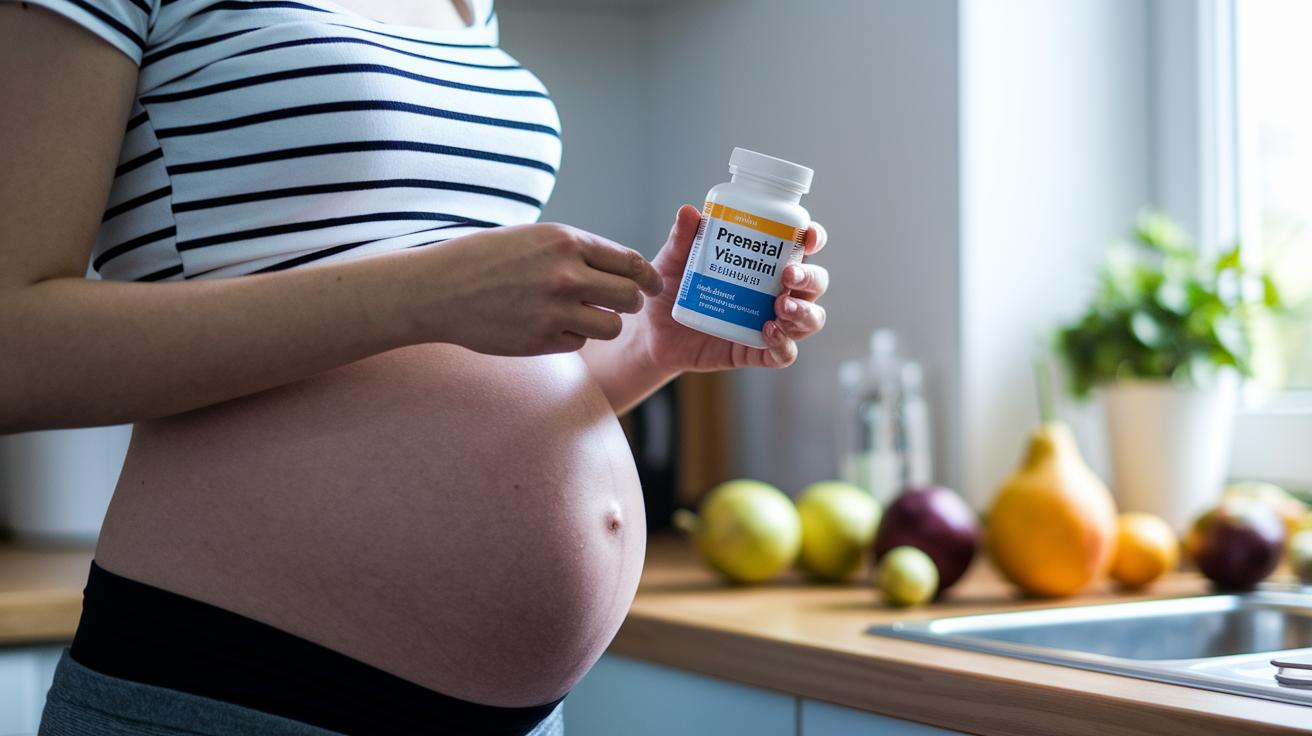
Folic acid is a real game-changer in early pregnancy. It helps the baby’s neural tube form properly by around week 4. Starting folic acid before you even try to get pregnant can cut the risk of neural tube problems by as much as 70%. It’s like setting the stage for a healthy start.
When you take your prenatal vitamin, the folic acid you swallow first turns into dihydrofolate, then into tetrahydrofolate right in your gut cells. Think of these gut cells as a busy relay team that passes the nutrient along, helping it reach where it’s needed most. This smooth conversion happens thanks to a special helper called the proton-coupled folate transporter, which works in the upper part of your small intestine.
Vitamin B12 is a close friend to folate. It helps kick the methylation cycle into gear, which in turn gets folate back into its active form. If your B12 levels are low, folate can’t do its best work, kind of like having an engine that doesn’t run right. The best absorption is in the upper small intestine, but if you take too much folic acid, it’s like trying to pour extra water into a cup that’s already full. The transporter can only do so much, so more isn’t always better.
This careful dance between folate and its helper systems is a key part of making prenatal vitamins work their magic.
Iron Assimilation in Prenatal Vitamins: Action and Absorption
Iron in prenatal vitamins is usually given as ferrous sulfate. In your body, it gets absorbed in a small area called the duodenum with the help of a helper called DMT1 (divalent metal transporter 1). Think of DMT1 as a friendly gatekeeper that lets iron enter your cells so it can be stored as ferritin. This stored iron is then used to build fetal hemoglobin and help prevent mom from getting anemia. Typically, prenatal vitamins have about 27 mg of elemental iron each day.
Vitamin C can really help your body take in more iron. So, mixing your supplement with a glass of orange juice might make a big difference, almost like giving that iron a little extra boost! On the other hand, things like calcium, caffeine, or even some antacids can block iron absorption. This means it’s a good idea to think about the timing of your meals and supplements.
Sometimes, iron in prenatal vitamins might cause side effects like a bit of nausea or constipation. If that happens, you could try adding more fiber to your meals, drinking plenty of water, or splitting your dose into smaller parts throughout the day. Little changes like these can make managing your daily routine and getting all the iron you need much easier.
Calcium and Vitamin D Metabolism in Prenatal Vitamin Regimens

When you're pregnant, your body works in amazing ways to use nutrients well. Your prenatal vitamins help your body take in more calcium to keep your bones strong and healthy.
Taking 1,000 mg of calcium with 600 IU of vitamin D each day not only supports your baby's growing bones but also helps protect your own bone strength. This easy habit also might lower the risk of preeclampsia and low calcium in newborns.
Imagine your body turning into a super-efficient calcium sponge during pregnancy, soaking up the extra calcium needed to build your baby's developing skeleton!
DHA and Omega-3 Mechanism within Prenatal Vitamin Formulas
DHA from prenatal vitamins journeys from you to your baby through special fatty acid transport proteins in the placenta. Your liver plays a big part by moving DHA into your blood, making sure your little one gets the omega-3s needed for growth.
The baby collects most of its DHA during the third trimester, which helps with both brain and eye development. Imagine your baby’s growing brain getting a steady supply of DHA, like adding a secret ingredient to a family recipe, it’s a simple boost that makes a big difference!
If your diet doesn’t include much fish or other omega-3 sources, a supplement of about 200-300 mg each day is a good idea. Also, omega-3s in triglyceride form are easier for your body to use than other types, so they work better in giving you the nutrients you need.
Carefully managing your supplement helps balance your nutrient stores and those of your baby, supporting both your health and theirs as you go through this special journey together.
Clinical Evidence and Safety Profile of Prenatal Vitamin Therapy

Research shows that taking folic acid can reduce the risk of neural tube problems by about 70%. Iron supplements, too, can cut the chance of anemia by 50–60%. It’s comforting to know that these studies back up including these vitamins as part of a balanced care plan during pregnancy.
Meta-analyses even tell us that omega-3s can give your baby a little extra brain boost. It’s like adding a bit of brain food during those important months of growth. This strong science makes it clear that the careful choice of nutrients in prenatal vitamins is well thought out.
Some moms might notice small side effects, like a bit of a stomach upset, nausea, or even a mild rash – this happens for about 20–30% of users. Simply splitting your dose or taking your vitamin with food can often help keep these little issues at bay.
Experts also suggest checking things like your blood counts and vitamin levels every now and then. These regular tests help ensure your balance stays just right, and allow your healthcare provider to make tweaks to your plan if needed.
If you ever feel a tad discomfort after taking your vitamin, try splitting the dose. A small change like that might just smooth out your day and help you stick to your nutrition plan during this special time.
Timing and Dosage Guidelines in Prenatal Vitamin Supplementation
It’s best to start taking your prenatal vitamins about one month before you plan to get pregnant and keep them up every day until around 38 to 40 weeks. This steady routine helps your body get ready and gives your little one a constant supply of important nutrients from the very start. Have you ever thought about how a small change like this can make a big difference early on?
A usual vitamin plan includes folic acid (400 to 800 mcg), iron (27 mg), calcium (1,000 mg), vitamin D (600 IU), and sometimes a B complex just as the package directions say. Some types even offer a steady-release formula that can be gentler on the tummy while still being effective. These formulas work in much the same way as the faster-release ones, but many moms find them easier to handle.
As you move through your pregnancy, your needs might change a little. Health experts often suggest adding more iron in the second and third trimesters because your body needs extra support during these busy months. Regular check-ups with your doctor help make sure your nutrient levels are just right, so both you and your baby get the care you need at every step.
Final Words
In the action, this article unpacked how prenatal vitamins work and support both mom and baby. We explored key nutrients like folic acid for neural tube closure, iron and its absorption quirks, calcium and vitamin D roles, plus DHA’s support for brain growth. The explanation of the prenatal vitamin mechanism of action not only shows how these elements work together but also builds confidence for everyday wellness. Every step in managing your nutrition is a part of a caring approach to healthy motherhood. Keep nurturing your well-being and embrace the positive changes ahead.
FAQ
Frequently Asked Questions
What are common side effects of taking prenatal vitamins?
Taking prenatal vitamins may lead to mild nausea, constipation, and stomach upset. These side effects can affect both pregnant and nonpregnant individuals, and having the supplement with food often helps ease discomfort.
What is the classification of prenatal vitamins?
Prenatal vitamins are classified as dietary supplements designed to fill nutritional gaps. They typically come as tablets or capsules that provide essential nutrients like folic acid, iron, and vitamin D.
What is the recommended dose of prenatal vitamins?
The dose of prenatal vitamins varies by brand. Generally, a daily regimen includes 400–800 mcg of folic acid, 27 mg of iron, 1,000 mg of calcium, and 600 IU of vitamin D to support maternal and fetal health.
What nursing considerations are there for prenatal vitamins?
Nursing considerations include evaluating the mother’s nutritional status, monitoring lab values, and educating on proper use. This helps ensure that prenatal vitamins effectively support both maternal health and fetal development.
What are prenatal tablets for pregnancy?
Prenatal tablets are specially formulated supplements that offer a balanced mix of vitamins and minerals. They provide critical nutrients needed during pregnancy to support both maternal well-being and the growth of the baby.
What are considered the best prenatal vitamins?
The best prenatal vitamins are those that meet your unique nutritional needs and are recommended by your healthcare provider. They usually contain key ingredients such as folic acid, iron, and vitamin D for optimal support.
How does a prenatal vitamin work?
A prenatal vitamin works by supplying essential nutrients that fill dietary gaps. It supports critical functions like neural tube formation, iron balance, and overall metabolism to aid in healthy maternal and fetal development.
What is the mechanism of action of multivitamins?
Multivitamins act by providing various vitamins and minerals needed for multiple metabolic processes. They help maintain proper energy production and support overall cellular function across the body.
What is the mechanism of action of folic acid?
Folic acid is converted into active forms that are crucial for DNA synthesis and cell division. This process is key to neural tube formation and overall maternal-fetal health during early pregnancy.
What happens to your body when you take prenatal vitamins?
When you take prenatal vitamins, they help fill nutritional gaps, support metabolism, and enhance cellular functions. This ensures that essential nutrients like folic acid and iron are available for both maternal health and fetal development.