
Have you ever wondered if your baby is growing just right? Sometimes, little hints can tell you that a check-in might be a good idea. If your baby finds it hard to lift their head or hasn't started crawling, these signals could mean it's time to have a chat with your doctor. By noticing these early signs, you're helping make a loving and safe space for your little one.
Spotting Red Flags in Infant Milestones: Key Warning Signs
Sometimes, you might notice hints that your baby isn’t quite hitting the milestones we expect. These small cues, whether in movement, language, or social play, can be signs that a closer look by a pediatrician might be needed.
For instance, if your baby still has trouble holding their head steady past 4 months or can’t sit on their own by 9 months, take note. It might also be concerning if you see uneven movement or if they aren’t starting to crawl between 7 and 9 months. And by 12 months, if there’s no babbling or if your little one doesn’t even turn when called by name, these could be reasons to get a professional opinion. Another sign to watch for is constant toe-walking after 12 months.
When you spot one or more of these signals, it’s a good time to reach out to your pediatrician. Keeping an eye on your baby’s daily routines helps you build a clear picture of their progress. Early checks mean that if there is something to address, help can come quickly so your child gets the support they need right when they need it.
Age-Specific Red Flags in Infant Milestones

Watching your baby grow is both exciting and sometimes nerve-wracking. It helps to see if their daily activities match what we typically expect. For instance, if your little one doesn’t lift their head during tummy time or hasn’t started to crawl yet, it might be a good idea to have a quick chat with your pediatrician. Imagine a tiny explorer who is meant to be moving around but remains still – it might be a sign that they need a bit of extra support.
| Age Range | Expected Milestones | Red Flags |
|---|---|---|
| 0–3 months | Lifts head during tummy time, pushes up on forearms | Difficulty holding the head up or not lifting it at all |
| 4–6 months | Sits with support, rolls both ways, bears weight on legs | Struggles to sit with help, can’t roll over, weak leg movements |
| 7–9 months | Sits independently, reaches for toys without falling, begins crawling | Needs help sitting, doesn’t reach for objects, no attempts at crawling |
| 10–12 months | Pulls to stand, cruises along furniture, stands briefly, first words appear | Doesn’t pull up to stand, avoids moving along furniture, no early sounds or words |
Keeping an eye on these milestones gives you a clear picture of your child’s development. If you notice your baby isn’t reaching a key step, like sitting with a little help or starting to crawl, it might be a sign to watch more closely or bring it up with your doctor. Regularly checking these little markers not only reassures you when things are on track but also makes it easier to share any concerns with a healthcare professional. Even small changes can matter, so keep noting down what you see as part of your everyday observations.
Domain-Based Red Flags in Infant Milestones
Sometimes, a baby might skip crawling, and that could mean they’re missing out on naturally building strong muscles, coordination, spatial awareness, and hand-eye skills. Around 6 months, babies usually begin to babble, and by 12 months, they try simple words. So if you notice your little one not moving much or not making joyful sounds like "ma-ma," it might be a sign to check in on their motor or speech development.
If your baby isn’t showing a social smile by 6 months or isn’t responding when you call by 12 months, it could be a sign they’re having trouble connecting with others. For instance, if your child is quiet during family playtime or seems unresponsive when you call their name, it might be a cue to watch how they interact during everyday moments.
Babies use their senses to make sense of the world, reacting to what they see, hear, and feel. Even if a baby hits their motor, speech, and social milestones, overreacting or underreacting to sensory input, like not noticing a change in lighting or getting easily overwhelmed by noise, can signal a sensory integration issue. For more tips on understanding this, check out our guide on sensory development in infants (https://womensconference.org?p=11582).
When to Consult a Pediatrician About Infant Milestone Red Flags

When you take your baby for check-ups, the doctor keeps an eye on little milestones. They usually check around 12, 15, and 18 months to see how your baby is growing in moving, talking, and playing. At these visits, the doctor watches for things like late babbling, trouble moving smoothly, or not reacting when you talk to them. They use tools like a free checklist and a handy Developmental Milestone Handbook to note even small concerns early on.
Before your next visit, it can help to jot down what you see in your daily routine. Maybe your baby is trying to stand, saying their first words, or playing in a unique way. For instance, if your little one isn’t as interested in chatting during playtime, you might try fun language games from https://womensconference.org?p=11618. Sharing these simple notes with your doctor gives them a clear picture of how your baby is doing and can help decide if they need extra support.
Support Strategies to Address Infant Milestone Delays
Give tummy time a try every day. It’s a gentle way to help your baby build head and trunk control. Lay your little one on a soft blanket on the floor and stay nearby, chatting and playing. This hands-on play not only helps strengthen muscles but also sparks their natural curiosity. For instance, you might show them a bright toy placed just a bit ahead, turning tummy time into a fun little adventure.
If you want to encourage crawling, set up a small obstacle course at home. Place your baby’s favorite toy just out of reach, inviting them to move toward it. This playful setup turns their efforts into a mini treasure hunt, helping boost coordination and muscle strength as they stretch and roll toward the prize.
Another lovely idea is to nurture babbling. Make story time interactive by reading aloud and mimicking sounds with your baby. This warm, engaging activity not only delights your little one but also gently invites them to make their own sounds. Try talking in a playful tone during story time and see if your baby responds with a little coo or chirp.
Resources for Tracking Red Flags in Infant Milestones
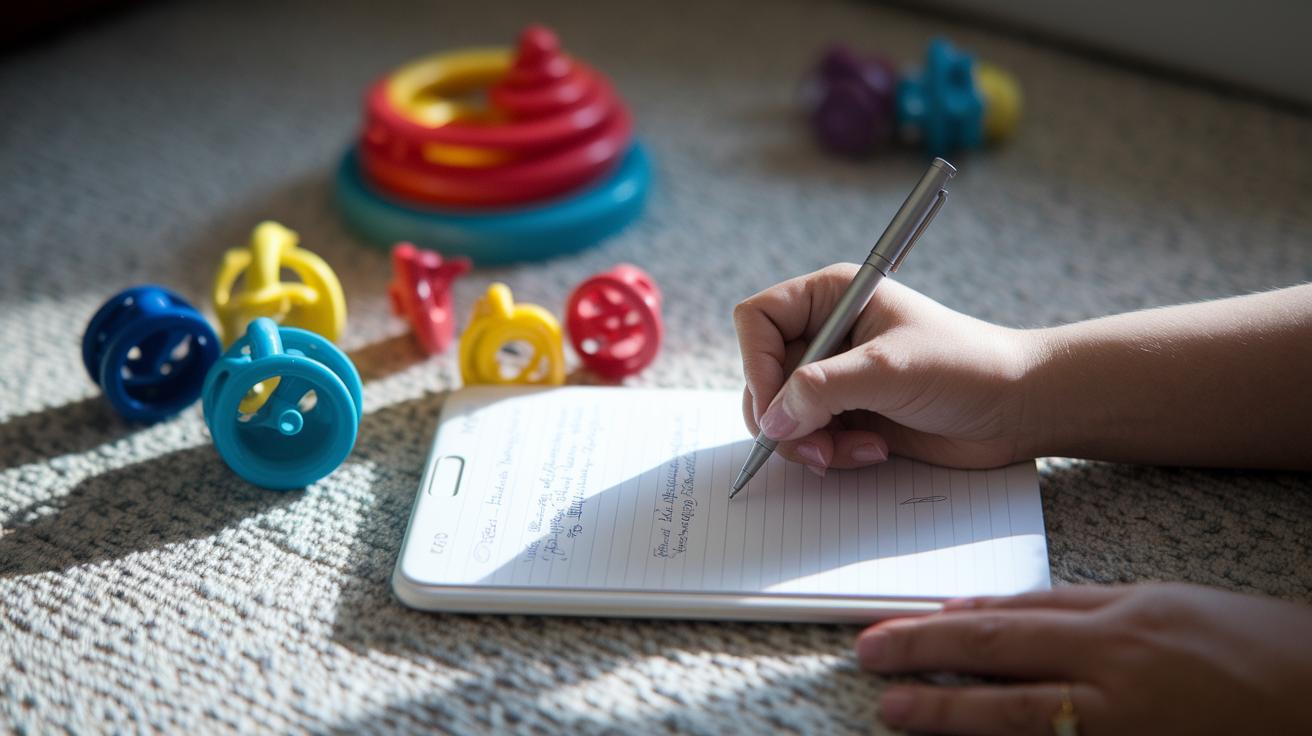
Parents can use a free checklist together with the detailed Developmental Milestone Handbook to keep track of their baby's progress. These easy-to-use printed guides help you record important signs in areas like motor skills, speech, and social interactions. For example, writing down your daily observations can show if your little one isn’t doing things like holding up their head or babbling as expected. This simple record keeps your discussions with healthcare professionals clear and focused.
Additionally, you can get specialized handouts for fine motor, gross motor, sensory, visual, and self-regulation skills. Each handout points out clear things to watch for if your baby might be a bit behind. Using these tools helps you spot small changes in behavior and development, making it easier to catch any concerns early and get the timely help you need.
Long-Term Follow-Up for Infant Milestone Red Flags
As your little one grows and reaches around 18 months to 2 years, it’s really important to keep an eye on their development. You might start to see them trying new things like using both hands to open a container or play with toys in a different way. These little actions are like clues that show how their skills are coming along. If you ever notice that they sometimes only use one hand or seem a bit slower than other kids, it could be a hint that they might need a bit more support or guidance. Keeping a small journal of these everyday moments can help you spot any changes that add up over time.
Regular check-ups not only ease your worries when everything is on track, but they also help catch any tiny delays early. If those warning signs keep showing up, it might be time to chat with a healthcare provider about early intervention services. By staying tuned into your child’s daily progress and discussing any concerns during your visits, you’re creating a kind of safety net that helps them reach all their milestones.
Final Words
In the action of understanding infant development, we reviewed essential signs to look for during those early months. We talked about key signals, from poor head control to muted babbling, and how these clues can guide you to seek professional advice. We also mentioned useful resources like checklists that help you record these moments. Keeping track of red flags in infant milestones can build confidence and support your child’s growth. Stay observant and remember that a caring, informed approach makes all the difference.
FAQ
What are red flag signs in child development and common milestones to watch?
The red flag signs in child development include missing key skills like solid head control after 4 months, not sitting alone by 9 months, and limited babbling or social smile by 12 months. These indicators suggest a review by a pediatrician.
At what ages should I expect certain developmental milestones and look for delays?
The expected milestones vary by age. Early on, babies should lift their head and roll over, then progress to sitting, crawling, and speaking. Missing these steps at specific ages might mean extra attention is needed.
When should I worry about baby milestones and developmental problems?
Worry may arise if a baby consistently misses several key skills such as babbling, moving symmetrically, or responding socially by expected ages. These ongoing delays are signals to discuss with a pediatrician.
What are some autism red flags in an 18-month-old?
Autism red flags in an 18-month-old include limited eye contact, few or no gestures, and not responding to their name. When these behaviors occur along with delayed speech, it’s time to seek a pediatric evaluation.
How can a checklist or presentation help track developmental red flags?
A checklist or presentation offers a simple way to track milestones by outlining age-specific skills. Comparing these benchmarks with your baby’s progress makes it easier to notice delays and consider professional advice.