
Have you ever wondered if your daily vitamins are really giving your body what it needs for your baby's growth? Prenatal vitamins with calcium pack a punch of key nutrients that help both you and your little one flourish.
They work like a safety net, filling in the gaps that everyday meals might miss. That means stronger bones for you and a healthy start for your baby’s developing bones.
This post shows you how adding these vitamins can bring a bit of extra joy and comfort into your pregnancy, making you feel supported and cared for every day.
Choosing Prenatal Vitamins with Calcium for Comprehensive Pregnancy Support
Prenatal vitamins with calcium are special multivitamins that help both you and your baby during pregnancy. They work alongside a balanced diet to fill in the gaps that regular meals might leave. For example, you can check out trusted prenatal care vitamins at this link. These vitamins give you essential minerals like calcium, which not only helps build a strong baby skeleton but also keeps your own bones healthy.
Calcium and vitamin D really work well together to help your body absorb these nutrients and build bone. Experts say you need about 1,000 mg of calcium every day so your baby can get around 30 grams of skeletal calcium in the final weeks of pregnancy, as well as 15 mcg of vitamin D daily to keep calcium and phosphate levels in check. Fun fact: In just one day, your body can take in enough calcium to help lay the foundations of your little one’s growing bones! This duo supports your baby’s healthy development and helps maintain your own bone strength.
Taking prenatal vitamins with calcium is a practical way to meet your increased nutritional needs during pregnancy. They work well with your everyday meals to support both your baby’s early growth and your overall well-being. It’s a simple step that offers you peace of mind, knowing you’re getting the right support during this special time.
Calcium Dosage Recommendations in Prenatal Vitamins

Getting the right amounts of calcium and vitamin D each day is super important for you and your baby's growing needs. The U.S. guidelines suggest that you should have at least 1,000 mg of calcium and 15 mcg (600 IU) of vitamin D daily to help your body make the most of calcium. In your last trimester, an extra 250 mg of calcium every day helps support the building of your baby's tiny bones. These nutrients play a big role in helping your baby develop strong bones and keeping your own bones healthy. Just be careful not to exceed 2,500 mg of calcium each day, as that might increase the chance of getting kidney stones.
| Trimester | Calcium (mg/day) | Vitamin D (mcg/day) |
|---|---|---|
| First Trimester | 1,000 | 15 |
| Second Trimester | 1,000 | 15 |
| Third Trimester | 1,000 | 15 |
A handy tip is to spread out when you take your doses. Taking calcium and vitamin D with a meal can really boost their absorption. And if you’re also taking iron supplements, try to take them at least two hours apart from your calcium dose so they don’t interfere with each other. This small change helps your body get the most out of every dose, ensuring that both you and your baby enjoy all the benefits.
Key Benefits of Prenatal Vitamins with Calcium for Mom and Baby
Prenatal vitamins with calcium do more than support your body, they make you feel cared for throughout your pregnancy. They help you feel steady and confident as your body changes. One mom said, "Every time I take them, I feel like I'm really looking after both myself and my baby, and that makes my day brighter."
- They help your baby’s bones develop.
- They keep your bones strong.
- They support healthy blood pressure.
- They nurture your muscles and nerves.
- They work with vitamin D to boost calcium absorption.
Together, these benefits help your baby grow healthily while keeping you strong. When you feel good on the inside, you’re better prepared for any little bumps along the way.
Safety and Side Effects of Calcium in Prenatal Vitamins
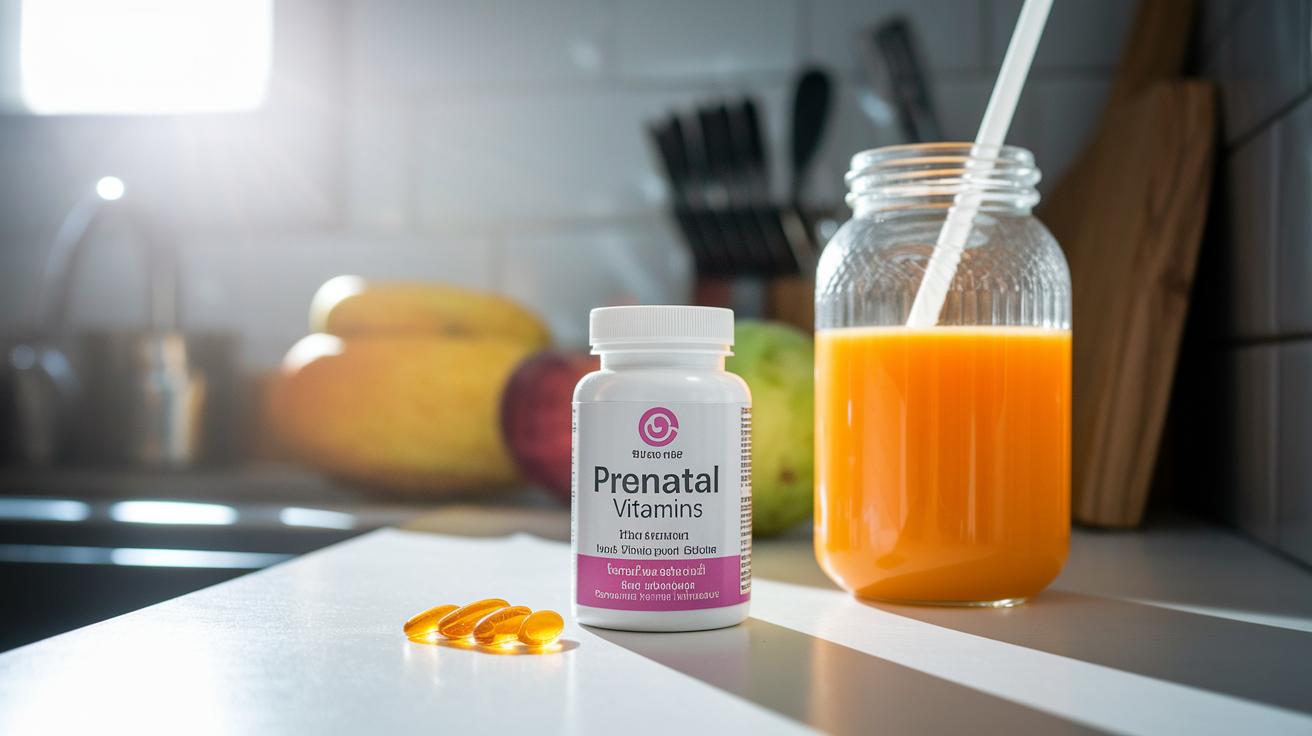
Taking extra calcium with your prenatal vitamins can sometimes lead to a few small issues. For instance, a little extra calcium might give you a bit of constipation, and if you take more than 2,500 mg in one day, there’s a chance of getting kidney stones. Also, you might notice that your urine turns a bright yellow because of the B vitamins, don’t worry, it’s harmless.
High amounts of calcium can also change how your body takes in iron. When you mix calcium and iron, the calcium can lower the amount of iron your body absorbs, which isn’t ideal during pregnancy. So, it’s best to take them at different times, try spacing them out by at least two hours.
A simple way to help with this is to adjust when you take each supplement. Taking calcium with meals makes it easier for your body to use it, and having your iron at a different time keeps it working well. Drinking lots of water and following a balanced diet can also ease any tummy discomfort. Sometimes, just changing your routine can really help you feel better and enjoy the benefits of your vitamins more.
Comparing Calcium-Enriched Prenatal Formulations
When you choose a prenatal supplement with extra calcium, it helps to know what types are available. This way, you can pick one that fits your daily routine and nutritional needs. Each option comes with its own benefits and points to consider.
Calcium carbonate gives you a higher dose of active calcium but works best when you take it with food since it needs a bit of stomach acid. On the flip side, calcium citrate absorbs well even on an empty stomach, which is a nice choice if your tummy is a bit sensitive. These days, many formulas mix these kinds of calcium with trace minerals like magnesium and zinc, adding even more support to your overall mineral balance.
Gummy supplements can be a fun and convenient choice, but they usually offer lower amounts of calcium and might have extra sugars that don’t work for everyone. Tablets and capsules are more traditional and typically provide around 300–500 mg per serving, helping you keep track of your intake. If you’re looking for a well-rounded option, multi-mineral complexes that include extra nutrients for maternal health might be the way to go.
In the end, think about your daily habits and preferences. If you like knowing exactly how much you're taking, tablets or capsules could be your best bet. But if you prefer something easier and tastier, make sure to check the gummy labels so they match your nutritional goals.
Dietary Calcium Sources Versus Prenatal Supplements

Natural foods can build a strong base for a healthy pregnancy. For example, a cup of milk usually gives you about 300 mg of calcium, while a cup of yogurt offers roughly 250 mg. Fortified plant milks can provide between 200 and 300 mg per serving, and leafy greens add around 100 to 200 mg per cup, though keep in mind that spinach isn’t absorbed as well as other greens. Even canned fish with bones, like salmon, gives you about 180 mg in a 3 oz serving. Remember, your body may absorb about 30% of the calcium from dairy, but only 20 to 25% from plant sources.
Sometimes, everyday meals might not give you all the calcium you need, especially if you have dietary restrictions. In those cases, prenatal supplements with calcium can offer a reliable boost during your pregnancy. If your diet falls short of the increased daily needs, these supplements help you maintain a steady intake. For a well-rounded plan, consider blending your meals with supplements; you can check out the maternal diet and wellness guidelines to support both you and your baby.
Final Words
In the action, this article laid out how prenatal vitamins with calcium support maternal and fetal health. It explained daily calcium targets, the benefits of vitamin D synergy, and the need for mindful dosing during pregnancy. The post compared supplement types and natural dietary sources with clarity. It also shared careful reminders about proper timing and potential side effects. Each tip aims to help you feel confident while meeting your nutritional needs. Stay positive and keep moving forward with support and guidance for a healthier, happier pregnancy.
FAQ
What are some trusted and top-rated prenatal vitamin brands including reviews of Ritual, One a Day, Nature Made, Organic options, and Enfamom?
Trusted prenatal vitamins include Ritual, One a Day, Nature Made, Organic, and Enfamom. These brands offer balanced nutrients and often include calcium for bone health, receiving positive reviews for consistent support.
What vitamins cannot be taken with calcium?
Calcium can interfere with the absorption of iron. It’s best to take iron and calcium at different times, spacing them a couple of hours apart for maximum benefit during pregnancy.
Should my prenatal vitamin have calcium?
Prenatal vitamins with calcium can help support both mom and baby by filling dietary gaps. When your diet may fall short, these vitamins add essential minerals for maintaining healthy bones during pregnancy.
Which vitamin is most important for calcium absorption during pregnancy?
Vitamin D is crucial for calcium absorption during pregnancy, as it helps regulate calcium and phosphate levels, ensuring that both mom and baby’s bones develop efficiently.