Have you ever noticed how your baby's first senses might unlock big surprises in their growth? Right from the start, those tiny eyes love to look at bold, simple shapes, and even little ears perk up when they hear a familiar voice.
As the weeks go by, every new sense builds a gentle foundation for more joyful moments. It’s really amazing how daily sights, sounds, and even tastes fill your baby’s world with wonder.
This guide shares those early milestones, showing how small achievements lead to bigger discoveries in your child’s journey.
Timeline of Infant Sensory Milestones by Age and Sense
In that very first month, your little one starts showing the early signs of growth. Newborns naturally have a strong startle reflex and a baby grasp that pops up on its own. Their eyes can only see clearly about 8 to 15 inches away, which is why bright, high-contrast shapes catch their attention. They easily notice loud sounds, can tell the difference between sweet and bitter (think of it as their first taste test), and they already recognize their mommy's familiar scent. It's like watching their world light up when they see a simple black-and-white pattern!
By the time they're two to three months old, your baby's neck has grown stronger. This extra strength allows them to track slow-moving toys from side to side. They also start to turn their head when they hear voices that sound familiar, and they enjoy exploring by mouthing their toys. It’s a sweet phase, almost like watching a tiny detective gathering clues about their surroundings.
Around four to six months, you might notice your baby sitting up with a bit of support. They begin to hold onto objects more deliberately using their whole hand, a move known as the palmar grasp. Their color vision gets better too, and they start to react when they hear their name. Imagine a soft, cuddly toy that not only looks appealing but also offers a new texture with every touch.
Between six and nine months, things start to really take shape. Their vision sharpens to almost adult-like clarity, and you’ll see them move from a random grasp to a more coordinated raking grasp. Their babbling begins to sound like a gentle back-and-forth conversation, and sitting steadily hints that crawling might be on its way pretty soon.
From nine to twelve months, a neat pincer grasp starts to appear. Your baby gets better at picking up small objects with precision, showing signs that they understand object permanence – knowing a toy still exists even if it’s hidden. Their taste preferences become more defined as they begin to avoid sour or bitter flavors. All these developing senses lay a wonderful foundation for future skills.
| Age Range | Visual | Auditory | Tactile | Taste/Smell |
|---|---|---|---|---|
| 0–1 month | Limited to 8–15 inches, high-contrast focus | Strong startle reflex | Natural grasp reflex | Notices sweet vs bitter, detects mommy’s scent |
| 2–3 months | Tracks slow-moving objects | Turns toward familiar voices | Explores by mouthing toys | Early taste responses |
| 4–6 months | Sharper color vision | Listens for its name | Uses palmar grasp | Shows early flavor preferences |
| 6–9 months | Vision near-adult clarity | Starts rhythmic babbling | Develops a coordinated raking grasp | Establishes stable taste responses |
| 9–12 months | Focuses on details | Begins early word recognition | Utilizes a fine pincer grasp | Avoids sour and bitter flavors |
Infant Visual Tracking and Perceptual Milestones
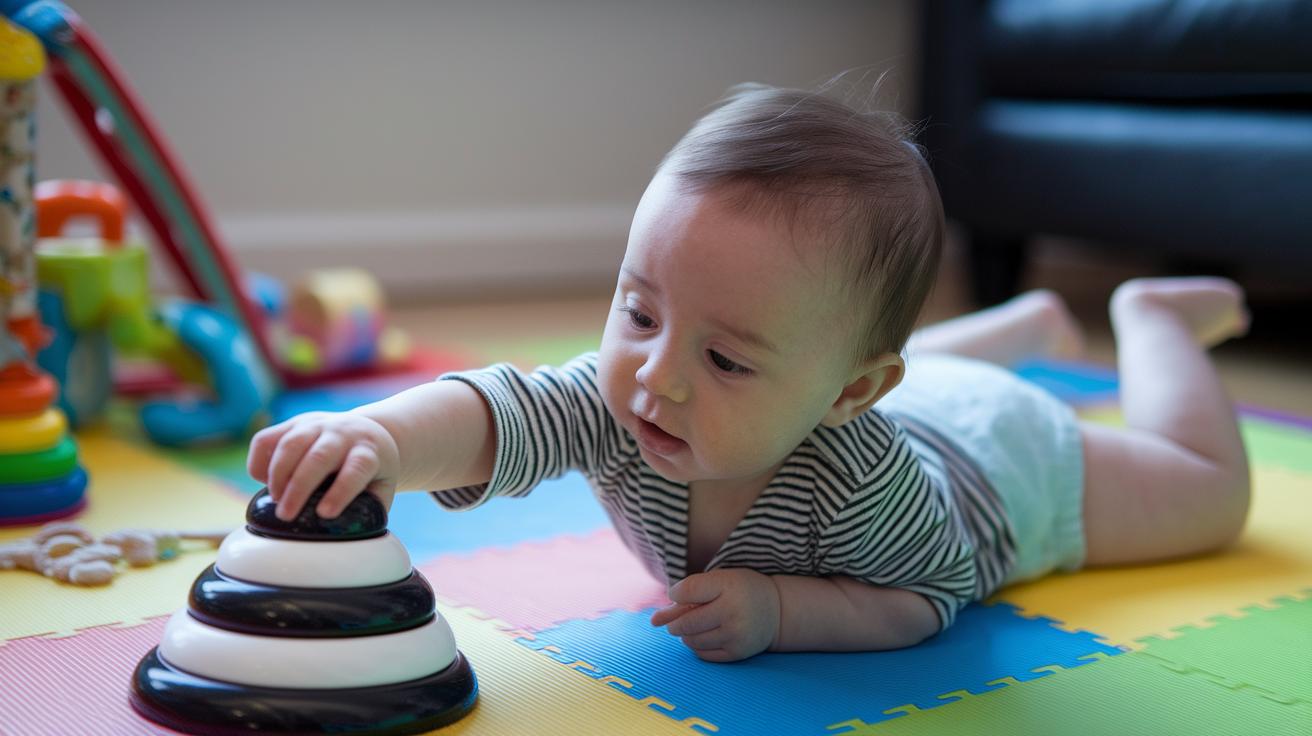
This timeline serves as a gentle guide, mixing important milestones with simple, fun tips for helping your baby explore the world through their eyes. Every stage brings new visual skills and easy activities to share a little bit of joy and discovery with your little one.
| Age | Milestones | Stimulation Activities |
|---|---|---|
| Birth | Your baby can focus on things just 8–15 inches away and is very attracted to high-contrast patterns. | Hold up a playful black and white mobile to catch their eye. |
| 2 months | They start following slow-moving objects and even make eye contact. | Introduce simple, slow-moving toys and watch them track with delight. |
| 3–4 months | Better hand-eye coordination develops, making smooth tracking of objects easier. | Try a little mirror play – see that adorable smile reflected back? |
| 5–6 months | There’s a boost in color recognition while depth perception starts to form. | Encourage tummy time with colorful toys that invite exploration. |
| 7–9 months | Their vision improves a lot, almost like an adult’s, and they can notice small details. | Play interactive visual games to keep them engaged and curious. |
Infant Auditory Perception Progress
Keep an eye out for these helpful sound milestones during your baby's first year:
- Newborn: Your little one may startle at sudden, loud noises but quickly settles when they hear a familiar, soothing voice. For example, a surprising clap might briefly widen their eyes before a gentle voice helps them relax.
- 1–3 months: Your baby often begins to coo and turns toward soft, repeated sounds. When you hum a light tune, it might seem like they're saying, "I know that sound!"
- 4–6 months: During playtime, your baby starts to actively look toward interesting sounds and may even babble in a rhythmic way that feels like a tiny conversation.
- 7–9 months: At this stage, your baby may respond to their own name and start to tell apart simple words.
- 10–12 months: They begin to understand basic words like "no" and experiment with different sounds, showing early signs of language development.
Keep watching these cues, they add a personal touch to understanding your baby’s journey with sound.
Tactile and Touch Sensitivity Milestones in Infants
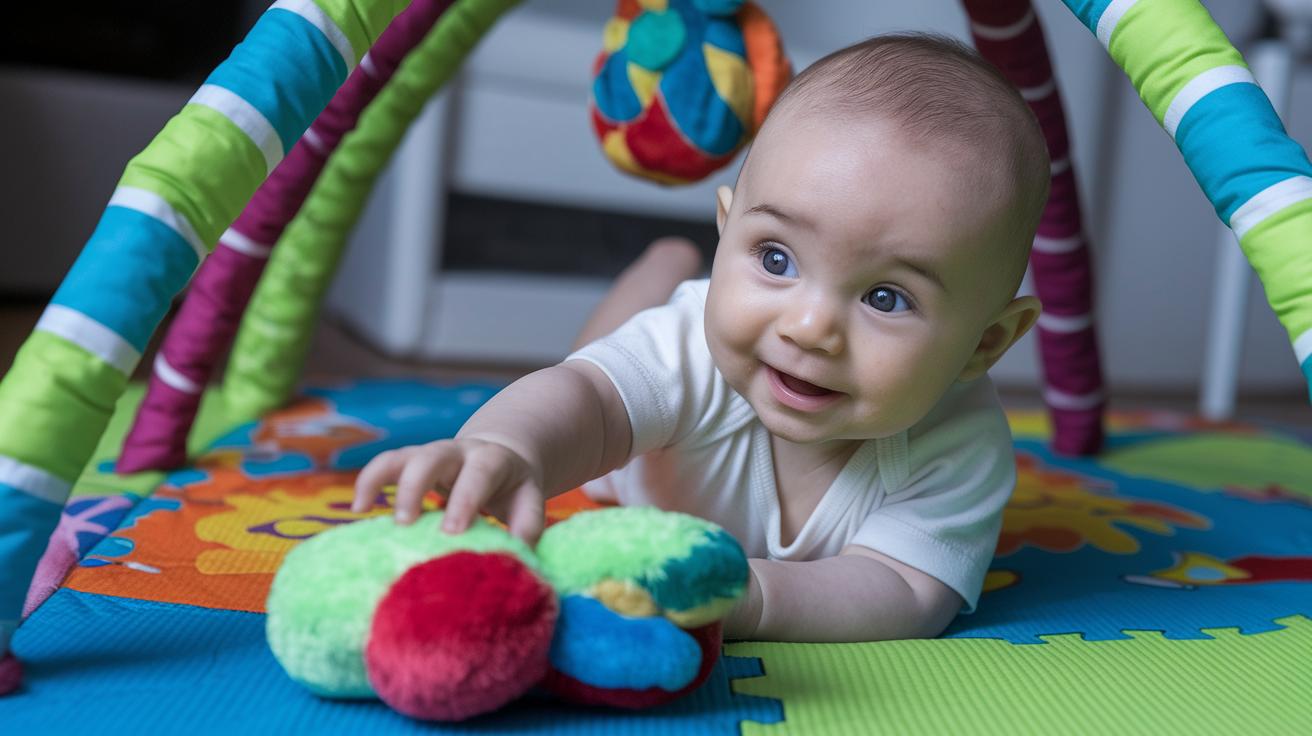
At birth, your baby shows a strong grasp with their hands. This early reflex is more than just adorable, it helps their brain learn that gentle touches make them feel safe. When your newborn grabs your finger, it's like they're saying, "I'm exactly where I belong!"
Between 1 and 3 months, your little one starts reaching for soft objects and brings their hands to their mouth. Each time they touch a plush toy, they're building important connections between feeling and learning. It's simple, yet so full of wonder.
From 4 to 6 months, babies begin to pass items from one hand to the other and explore different textures. Watching your baby feel a soft scarf or a smooth toy is like seeing their brain grow with every little touch.
By 7 to 9 months, the way your baby grasps things starts to change. They might poke at a soft ball or feel a bumpy surface, showing that they're learning how different textures make them feel. This is a big step in their growing awareness.
At 10 to 12 months, your baby develops a careful pinch grasp. Imagine them delicately picking up small pieces of food, each pinch shows how their touch and fine-motor skills are getting stronger. It's a delightful sign of progress.
Ever notice how gentle exploration can light up those little eyes with wonder?
Developing Taste and Smell Recognition in Infants
Newborns react naturally to different flavors. Sweet tastes tend to calm them, and they quickly learn to recognize their mom's scent.
When your baby is about 4–6 months old and starts trying solid foods, you might want to include fun taste tests. For instance, a small spoonful of mashed banana can be a delightful new experience for them, watch for a bright little smile if they enjoy it.
By 7–9 months, offering a mix of tastes and textures helps your baby start to figure out what they like. Then, at 10–12 months, their growing sense of smell even helps them recognize familiar foods and loving faces.
Sensory Play Strategies to Support Infant Milestone Achievement
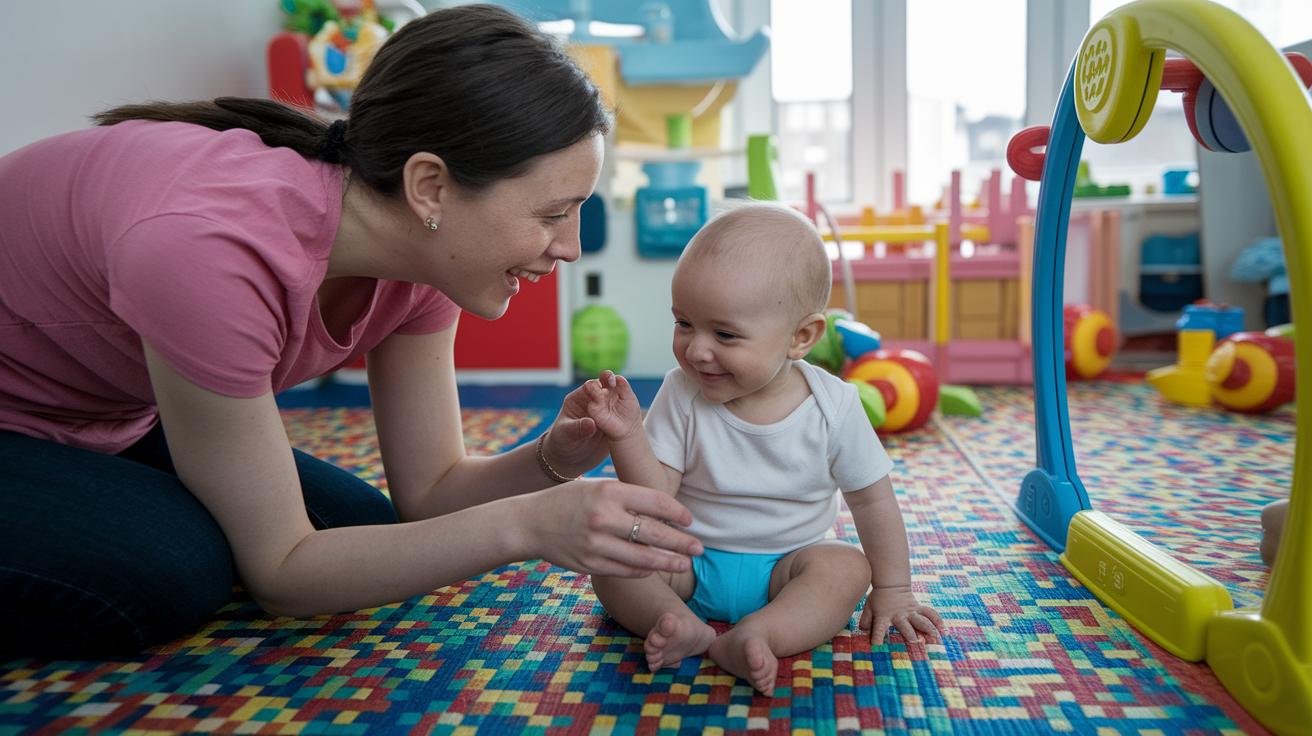
Playing with your baby isn’t just a fun way to spend time, it’s also a chance to help them grow every day. When you lay your little one on a patterned mat for tummy time, they get to see new, bright designs that help their eyes and muscles work together. It’s like a gentle surprise every time they notice something new, and watching their smile in a mirror can make those moments even more special.
A softly rattled toy can do wonders, too. When you move a rattle around, it calls your baby’s attention almost like a friendly invitation. They learn that when you shake it, something happens, a simple lesson in cause and effect that feels like magic the first time they follow the sound.
For a bit of tactile fun, try using fabrics with different textures. Let your baby feel how a smooth piece of satin compares to a cozy bit of cotton. This little discovery time sharpens their sense of touch. And when you offer a small spoonful of pureed fruit under supervision, it opens up a safe and tasty adventure that might just bring a surprised smile.
Here are some activity ideas to try:
- Tummy time on a patterned mat
- Mirror play sessions
- Rattle and bell games for sound tracking
- Soft fabric exploration
- Supervised pureed tasting sessions
Every playful moment is a sweet chance to help your baby learn and grow, making everyday interactions both fun and full of little wins.
Tracking Infant Sensory Progress with Checklists and Charts
Keeping an eye on your baby's progress can be made easier with simple charts and logs. Many parents love using age-based checklists because they celebrate those small wins, like when your little one first makes eye contact or turns toward a familiar voice. Start by noting when your baby hits milestones in sight, sound, touch, taste, and smell. For instance, jot down the day they grasp a favorite toy, it’s a tiny celebration!
You might choose printed charts or digital logs to track these moments each week or month. Over time, you'll begin to notice patterns. And if anything seems off, it can be a helpful note to mention to your doctor or a professional.
Here are some starting ideas:
- Write down days when your baby smiles or follows moving objects with their eyes.
- Record when they turn toward soft sounds or a gentle tune.
- Track moments of tactile discovery, like reaching for a small blanket.
- Note when they show taste preferences during mealtime.
Consider using a printable chart that combines both motor and sensory milestones, it can serve as a simple guide as you watch your baby grow.
Recognizing Atypical Sensory Development in Infants
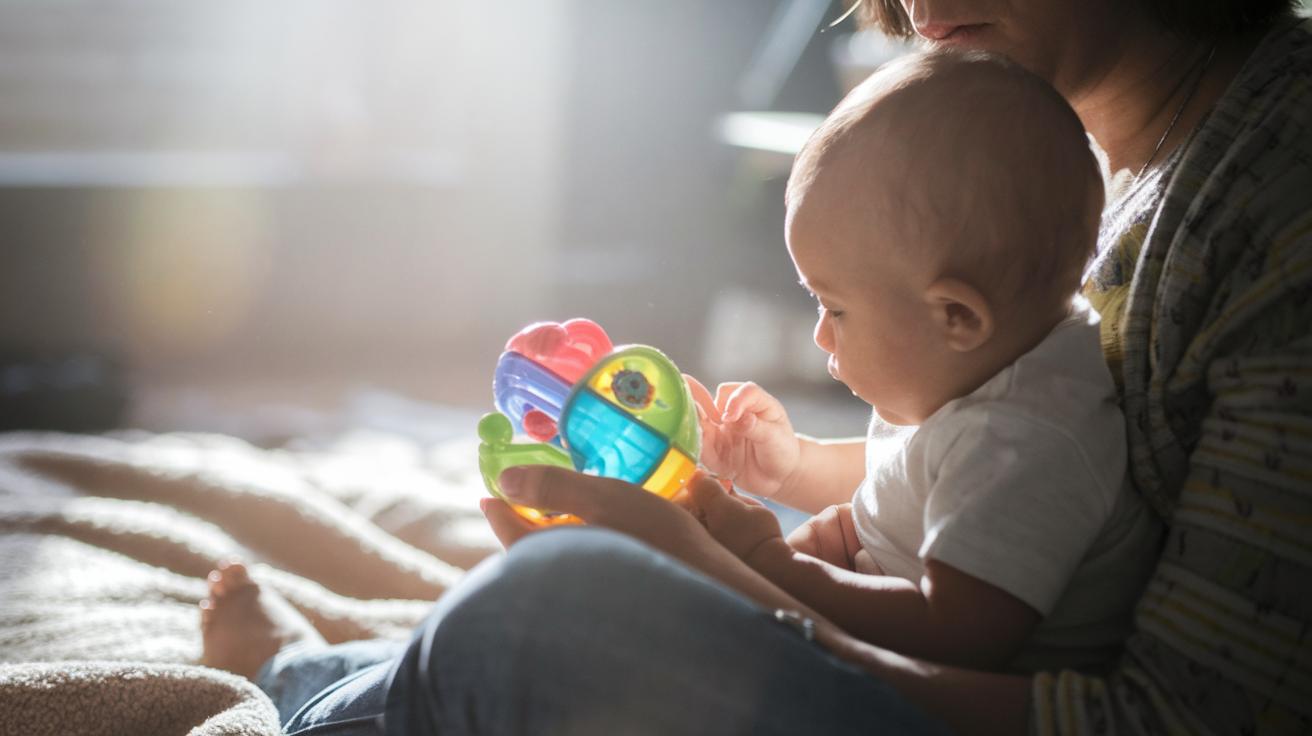
Watching your little one grow is full of special moments. Sometimes, you might notice signs that their senses are developing differently than expected. For example, if your baby isn’t making eye contact or following moving objects by 3 months, it might be a gentle cue to take note. And if they don’t turn their head when you speak by 4 months, that's another sign to watch.
Here are some key things to look for:
| Age | Indicator |
|---|---|
| 3 months | Lack of clear eye contact or poor focus on moving objects |
| 4 months | Not turning their head when sounds are made |
| 6 months | A weak or absent grasp, like not holding onto a caregiver’s finger |
| 6 to 9 months | No babbling or playful sounds |
| 12 months | Not using a refined pincer grasp to pick up small items |
Sometimes you may see your baby react very strongly, or not react at all, to different textures or sounds. Imagine a soft blanket suddenly sparking a big reaction, or a favorite toy going unnoticed. These moments are little hints that their sensory processing might be taking its own unique path.
It can really help to jot down what you see. Keep a simple log noting when eye contact improves or when those first babbles start. And if you notice several of these signs, it might be a good idea to chat with your pediatrician or a trusted expert. Early check-ups can guide you on whether any extra support might be beneficial for your baby’s sensory development.
Environmental Influences on Early Sensory Growth
The world around us shapes our brain development right from the start. Studies suggest that a mix of experiences, feeling different textures, hearing soft sounds, noticing light scents, and observing various details, can build a strong foundation for our thinking skills. One study even found that babies who explore lively environments early on perform better when it comes to recognizing patterns later.
Imagine taking a short nature walk with your little one. They enjoy the fresh air, listen to the gentle sound of rustling leaves, and feel the soft grass under their tiny feet. Every little moment like this adds to a sharper, more agile mind.
Simple caregiver activities, like reading aloud or spending time with textured toys, bring diverse sensory experiences together. By mixing these everyday moments, we support both sensory growth and future cognitive abilities.
Infant Sensory Milestones: Spark Joyful Development
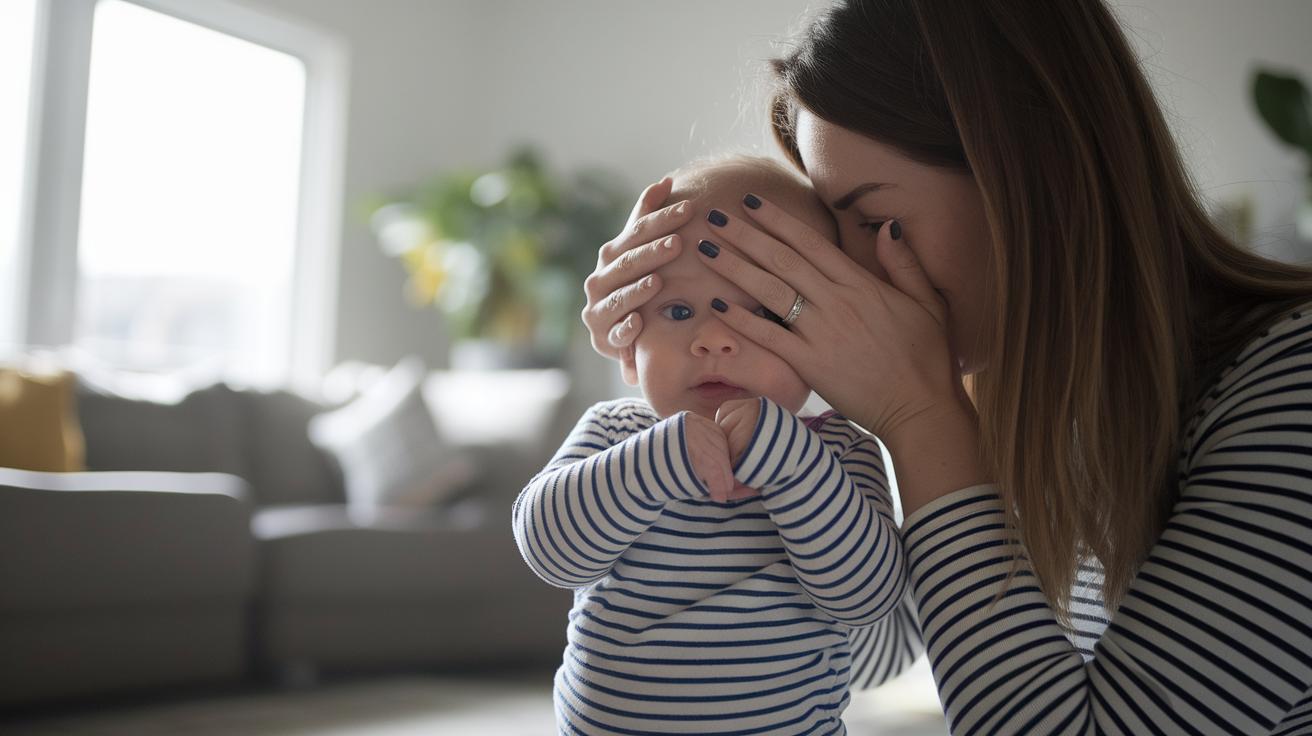
Peekaboo Games for Visual and Social Engagement
Playing peekaboo is a fun way to help your baby practice following moving objects with their eyes and to spark those precious social smiles. When you cover your face with your hands or a light scarf and then reveal it, your little one learns to focus on surprises while sharing a warm, joyful moment with you. I once played peekaboo with my baby, and his eyes lit up like he was greeting a long-lost friend.
Texture Boards for Tactile Exploration
Try making a simple texture board using everyday fabrics like soft cotton, smooth silk, a bit of crinkly paper, or firm felt. This little setup lets your baby explore different surfaces, helping them learn about touch and improve their grip. Imagine your little explorer gently feeling each texture, learning about the world one fabric at a time.
Rattle and Bell Play for Auditory Tracking
Gently move a rattle or bell around your baby to help them follow sounds with their ears. This playful activity encourages your baby to turn toward the noise, honing their ability to track moving sounds. I remember moving a small bell near my baby's ear and she turned with pure delight as it rang.
Edible Finger Painting and Scented Book Activities for Taste and Smell
Mix up a fun, safe mess with edible finger painting using plain yogurt and a few drops of food coloring. Pair this with a fabric book that has scented pages to make storytime even more exciting. Picture your baby playfully dabbing at the yogurt paint and then turning the page on a scented fabric book, enjoying a mix of delightful tastes and smells.
Final Words
We jumped right into the action, highlighting key moments for your little one. The post mapped out each stage, from early high-contrast vision to gentle touches and first tastes, showing how these infant sensory milestones grow day by day.
Simple home activities, from peekaboo to textured play, help you keep track of progress. Every parent can feel encouraged knowing that small, daily moments add up to big wins. Stay positive and celebrate each new step along the way!
FAQ
What does an infant sensory milestones chart show?
The chart shows age-based markers for vision, hearing, touch, and taste/smell from birth to 12 months, helping you track your baby’s progress and spot early signs of delays.
How can I use an infant sensory milestones checklist?
An infant sensory milestones checklist lets you quickly note when your child meets key developmental markers, like eye contact or grasping, making it easier to discuss progress with professionals if needed.
What are the key sensory development milestones in infants from 0 to 3 months?
In the first three months, babies focus on high-contrast patterns, react to loud sounds, show grasp reflexes, and start recognizing their mother’s scent, laying the groundwork for later sensory growth.
What are the five stages of sensory processing in infants?
The five stages involve receiving sensory input, integrating signals, organizing responses, reacting appropriately, and adapting to changes, each phase helping your baby better interpret their world.
What sensory development milestones occur between 1 and 2 years old?
Between 1 and 2 years, toddlers refine their vision, improve sound recognition, explore textures with greater control, and develop more stable taste and smell preferences through active interaction.