

Have you ever thought that a few calm yoga moves might help you get the sleep you truly need while you're expecting? When your body is busy changing and your mind races at night, prenatal yoga (yoga during pregnancy) can be a gentle way to unwind, just like taking a peaceful walk in a quiet park.
It’s all about simple poses and mindful breathing that help ease the day's tension. These easy techniques let you wind down and quiet your thoughts, imagine setting up a little bedtime ritual that gently guides you toward a deep, refreshing sleep. Have you ever noticed how a small change can make a big difference in your day? Try it and see if your nights turn a little calmer.
How Prenatal Yoga for Insomnia Provides Natural Sleep Relief for Expectant Mothers
Pregnancy insomnia can really be a challenge, especially when your body is changing and your thoughts are all over the place. Prenatal yoga offers a gentle, drug-free way to help you relax and fall asleep more easily, kind of like taking a peaceful stroll through a sunlit park.
This soothing routine mixes easy yoga moves, mindful breathing, and even a few tweaks to your sleep space. Imagine starting your evening with a series of deep, slow breaths and soft yoga stretches, then settling into a cozy room lit by warm, gentle light with calming sounds playing in the background. It’s a little ritual that eases your body and quiets your mind, so stress doesn’t keep you awake.
Your safety and comfort are always front and center. You can easily adjust these poses as your pregnancy progresses by using props like bolsters, firm pillows, or folded blankets for extra support. For example, if you’re doing a gentle side stretch, you might tuck a pillow under your tummy to keep things comfy and secure. These little adjustments help keep both you and your baby safe while naturally easing those sleepless nights.
Top Prenatal Yoga Sleep Poses to Ease Insomnia
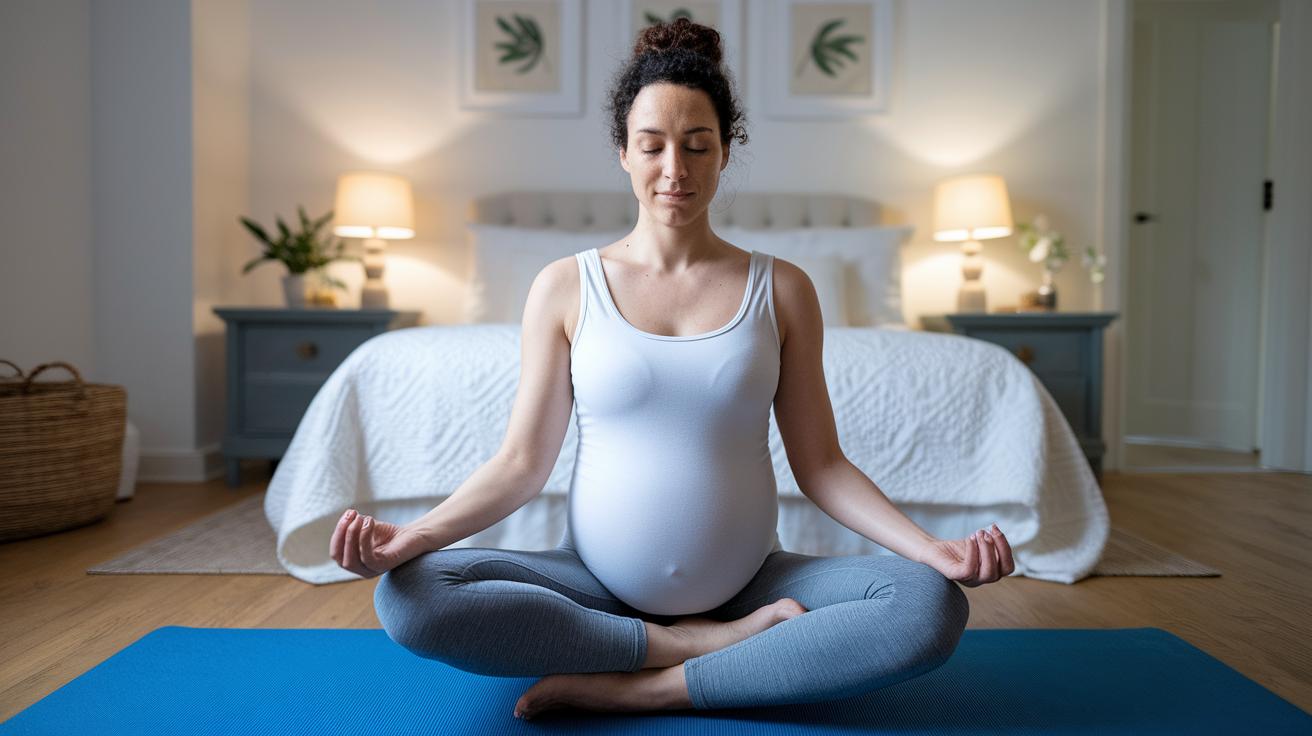
Sometimes, a little gentle yoga before bed can make a big difference. These simple poses help stretch your body, ease away tightness, and quiet your mind so you can drift off to a peaceful sleep. They work by boosting circulation and relaxing both your muscles and thoughts, a perfect way to prepare for rest.
- Standing forward fold: Stand tall, then slowly bend forward to relax your hamstrings, hips, and calves. Take it easy and watch your posture so you don’t put extra pressure on your back.
- Cat-Cow pose: Move between rounding and arching your back, like a friendly wave to your spine. This helps warm up and let go of tension in your back and neck. If something feels off, pause for a moment.
- Goddess pose: Stand with your feet wide apart and bend your knees gently. This pose opens up your hips and strengthens your legs and pelvic area. Go slow so you feel balanced and safe.
- Pigeon pose: Focus on opening your hips with care. This move can ease discomfort from sciatica, just remember to use extra support after the second trimester to keep your lower body protected.
- Figure-Four pose: Sit comfortably and cross one ankle over the opposite knee for a gentle stretch in your hips, lower back, and glutes, allowing stress to melt away.
- Bound angle pose: Sit with your feet together and gently press your knees down. This simple pose boosts blood flow and calms your nerves by stretching your inner thighs.
- Child’s pose: Let yourself sink into a soft, cradled stretch that slows your breathing. This comforting pose eases stress and takes care of your lower back.
Moving through these poses slowly and mindfully can help you set a calm tone for the night. Have you ever noticed how a few slow, intentional moves can clear your mind? By gently embracing these yoga practices, you create a peaceful space for a restorative night’s sleep.
Safe Prenatal Yoga Modifications for Insomnia Relief
When you settle into gentle yoga before bed, props can really help. Think of using a bolster, a firm pillow, or even folded blankets under your head, belly, or lower back. They turn a simple routine into one that supports you safely. For example, try sliding a bolster under your back during a reclined butterfly pose so your spine stays comfy and lined up. Little supports like these help ease any tension that might keep you from relaxing.
It’s important to adjust your posture as your pregnancy progresses. You can add yoga blocks, rolled towels, or cushions to change your angles, especially in comfy poses like reclined butterfly or legs-up. The distance from a chair or wall should feel just right for your body. So, take a moment to experiment until you find a setup that works perfectly for you, your body will thank you.
Above all, always listen to your body. If you notice any signs of stretching too much or feeling uncomfortable, it’s time to take it easy. Poses that open your hips, like the pigeon pose, need extra care after the second trimester. If your hips or lower back feel strained, that’s a good sign to back off and choose a gentler alternative.
Designing a Prenatal Yoga Nighttime Routine to Combat Insomnia
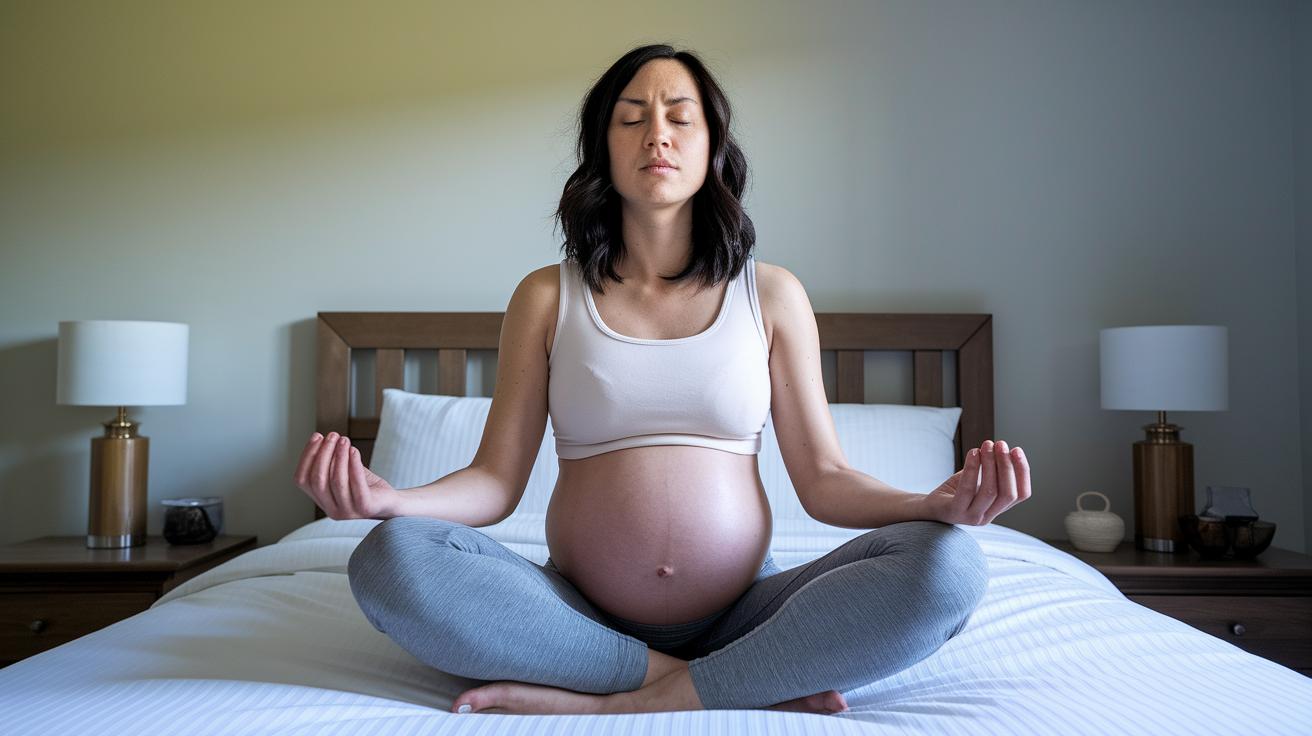
Developing a simple bedtime yoga ritual is a sweet way to hint to your body that it's time to relax. When you follow a familiar pattern of slow breathing, gentle stretches, and supported poses, you let your mind settle and help your body ease out of the day's tension. This kind of routine can steady your natural rhythm and lower evening worries so that falling asleep feels more natural.
| Sequence Step | Duration | Purpose |
|---|---|---|
| Diaphragmatic breathing | 3 min | Soothes your nerves |
| Gentle Cat-Cow flow | 5 min | Warms and loosens your spine |
| Supported butterfly pose | 4 min | Softly opens your hips |
| Legs up the wall | 3 min | Helps your blood flow |
| Guided Yoga Nidra | 10–15 min | Brings deep calm to your mind |
Carve out about 15–20 minutes each evening for your yoga practice, and try to set up a quiet space with dim lights away from screens at least half an hour before bed. Maybe put on some soft music or nature sounds to create an even cozier atmosphere. Sticking to this gentle routine each night helps build a habit that tells your body it's time for rest. Little adjustments like using a bolster or a folded blanket for extra comfort can really make a difference. Enjoy this special moment with yourself, it might just become the sweetest part of your day.
Prenatal Breathing and Meditation Techniques for Better Sleep
Taking slow, soothing breaths can help calm your body. Start by breathing in gently through your nose, hold the breath for three counts, and then let it out slowly through your mouth. Picture each breath easing the tension, like sinking into a soft, warm bed. You might even say to yourself, "Take a slow, deep breath and feel the calm washing over you." This simple way of breathing helps relax your body and quiets racing thoughts, making it easier to settle down for sleep.
Guided Yoga Nidra meditation is another great way to soothe your mind and ease anxiety. Find a quiet, comfy spot and turn off screens at least 30 minutes before bed. Let gentle sounds, like light rainfall, fill the space around you. Imagine a soft voice inviting you to relax completely, as if you were drifting on a calm lake. Blending mindful breathing with this kind of meditation helps create a peaceful, screen-free space that readies you perfectly for sleep.
prenatal yoga for insomnia: Embrace Restful Nights
Taking a gentle 15–20 minute walk in the fresh air can really help melt away your stress and set you up for a good night’s sleep. As you stroll, notice the cool breeze and feel how it eases the day's tension. At home, a few changes can make your sleep space cozier, try adding supportive pregnancy pillows and playing soft sounds like the gentle patter of rain or some light music. These little touches can turn your bedroom into a comfy retreat for both your body and mind.
Cutting down on screen time in the evening is also a smart move. Switching off your TV, computer, and phone about 30 minutes before bed helps your body stick to its natural sleep rhythm. Instead of scrolling, why not curl up with a simple book or enjoy a quiet hobby? This way, your mind stays relaxed without that constant buzz from digital screens.
Remember, if you’re having a few rough nights, it’s likely just a temporary phase. As you continue through your pregnancy and get closer to welcoming your little one, most moms notice that their sleep starts to get better. So hang in there, brighter, more peaceful nights are ahead.
prenatal yoga for insomnia: Embrace Restful Nights
Expecting moms have found that a calming, gentle yoga practice really helps them sleep better. Many share that a few mindful stretches and deep breaths not only quiet unruly nights but also clear their minds and ease the worries that can build as the due date nears.
One mom, Jessica, explained, “Before I started doing my nightly yoga, I would lie awake for hours. Now, after just a few weeks of simple stretches and focused breathing, I fall asleep quicker and wake up feeling more relaxed and ready for labor.” Her experience shows how a little consistency can pave the way for a smoother bedtime and overall well-being.
Another mom, Angela, mentioned, “Adding a slow, soothing yoga routine to my evenings helped calm my mind and ease some of the physical discomfort. I felt more connected with my body and better prepared for labor without as much anxiety about the future.” Her story underlines yoga’s gentle role in supporting prenatal care and reducing stress during pregnancy.
While more studies are needed to fully explain these benefits, many moms’ real-life experiences remind us that a nurturing, yoga-based practice can really support restful sleep and overall prenatal wellness.
Final Words
In the action of our conversation, we explored natural strategies for easing sleep challenges during pregnancy. We shared safe, gentle yoga poses, breathing techniques, and tips for a calming sleep routine that fits every trimester perfectly.
The discussion broke down key poses and modifications, helping illustrate how simple environment tweaks can make a big difference.
Let these suggestions remind you that prenatal yoga for insomnia can offer a soothing approach, bringing more peaceful nights and brighter days ahead.
FAQ
Where can I find prenatal yoga for insomnia guidance on YouTube?
The prenatal yoga for insomnia guidance on YouTube features videos that show gentle poses and breathing techniques, making it easier for expectant mothers to ease sleeplessness naturally.
What makes the best prenatal yoga for insomnia effective?
The best prenatal yoga for insomnia combines gentle stretches, mindful breathing, and safe modifications, helping to reduce stress and promote natural, restful sleep for expectant mothers.
How does prenatal bedtime yoga in the third trimester help ease insomnia?
The prenatal bedtime yoga in the third trimester uses calming poses and deep breathing, which relax the mind and body, resulting in improved sleep as physical changes are considered and addressed.
What pregnancy stretches before bed or during the third trimester can ease insomnia?
The pregnancy stretches before bed or in the third trimester help relax tight muscles and reduce tension, thereby preparing the body for a night of more comfortable and restorative sleep.


