

Have you ever thought that healing after a C-section could be a little easier and more comfortable? Taking care of your incision and handling any pain early on really makes a big difference. When you gently clean the area and keep an eye on any changes, you create a safe space for your recovery. That means you can focus more on healing and enjoying those precious moments with your new baby.
In this post, I'll share some simple, practical tips to help you care for your body so you can have a gentle, flourishing recovery.
Incision Care and Infection Prevention After a C-Section
After your C-section, you'll notice a horizontal cut just below the bikini line that’s usually about 10 to 20 centimeters long. In the hospital, they’ll keep a close eye on it during your two- or three-day stay. It’s normal to see a bit of redness, light bleeding, or some clear fluid at first, but watch out for any changes that might mean an infection is brewing.
Caring for your incision is all about gentle cleaning and checking it every day. Keep the area clean and dry. A mild soap mixed with water works best, just gently pat your skin dry instead of rubbing it. This little step helps avoid irritation and keeps germs at bay.
- Clean the incision with a mild soap and water, taking care with every touch.
- Follow the dressing instructions your provider gave you.
- Keep the area dry to prevent extra moisture around the incision.
- Remember to wash your hands lightly but regularly when near the area.
- Keep an eye out for increased redness, swelling, or any bad smells.
- Give your provider a call if you notice a rising fever, more pain, or other changes.
- Have essential supplies like mild soap, clean gauze, and a soft towel ready to use.
If you start seeing persistent swelling, notice a big change in color, or your temperature goes up, it’s important to reach out to your healthcare provider right away. Acting quickly helps your body heal and ensures you can keep caring for your new little one with peace of mind.
postpartum c-section healing tips: Flourishing recovery

Taking charge of your pain after a C-section really makes a difference in how comfy you feel while healing. When you start easing your discomfort right away, it helps you relax and sets up a smoother road to recovery.
Lots of moms say that sticking to a regular medication schedule can really help keep cut pain in check. For instance, you might try switching between ibuprofen and acetaminophen every three hours to keep your pain levels steady. And if you ever feel you need a little extra relief, your provider might suggest a low-dose opioid to help out.
Besides medications, using some physical supports can be a game changer. Ever try hugging a pillow when you sneeze, laugh, or get that extra bout of coughing? It cushions your abdomen and makes the sudden moves a bit gentler. You can also ease discomfort by tweaking your sleep setup, try propping up your upper body and hips with extra pillows. This little trick helps boost blood flow and supports your incision while you rest. It’s a bit like creating a cozy nest, much like wrapping yourself up in a warm blanket on a cold day. These simple adjustments can really help lower your discomfort and help you feel better overall.
Before you start or change any pain routine, it’s always a good idea to chat with your healthcare provider to make sure it fits your specific needs.
Gentle Exercise and Mobility After a Postpartum C-Section
Starting gentle movement right away can really help boost your blood flow, ease your tummy's work, and lower your risk of clots, all while slowly rebuilding your strength after a C-section. Even a simple 5-minute walk in the hospital corridor can give you the confidence to start moving more and make your healing smoother.
Log Roll Method
When it's time to get up, try the log roll method. First, roll gently onto one side while bending both knees. Then, push up slowly with your arms, keeping your tummy relaxed. Imagine wrapping yourself up like you do with your favorite cozy blanket. It’s a careful way to move that doesn’t put too much pressure on your incision.
Safe Ambulation Guidelines
Give yourself permission to start with a short walk, about 5 minutes. As you get more comfortable, you can add a few more minutes or increase your distance. If your healthcare provider suggests using a walker or compression stockings, go for it. Make sure you take it slow and steady, avoiding any quick, rushed moves that might interrupt your recovery.
Suture-Conscious Flexibility Routine
Mix in some gentle stretches that keep you flexible without stressing the area where you had surgery. Simple stretching exercises, whether you’re sitting or standing, can help keep your body limber. These light moves let you stretch softly while protecting your sutures and soft tissue as you heal.
Before you know it, you’ll be able to add longer walks and gentle stretches into your day. Each small step builds your strength and supports a safe, steady healing process.
Nutritional Support for Postpartum C-Section Healing
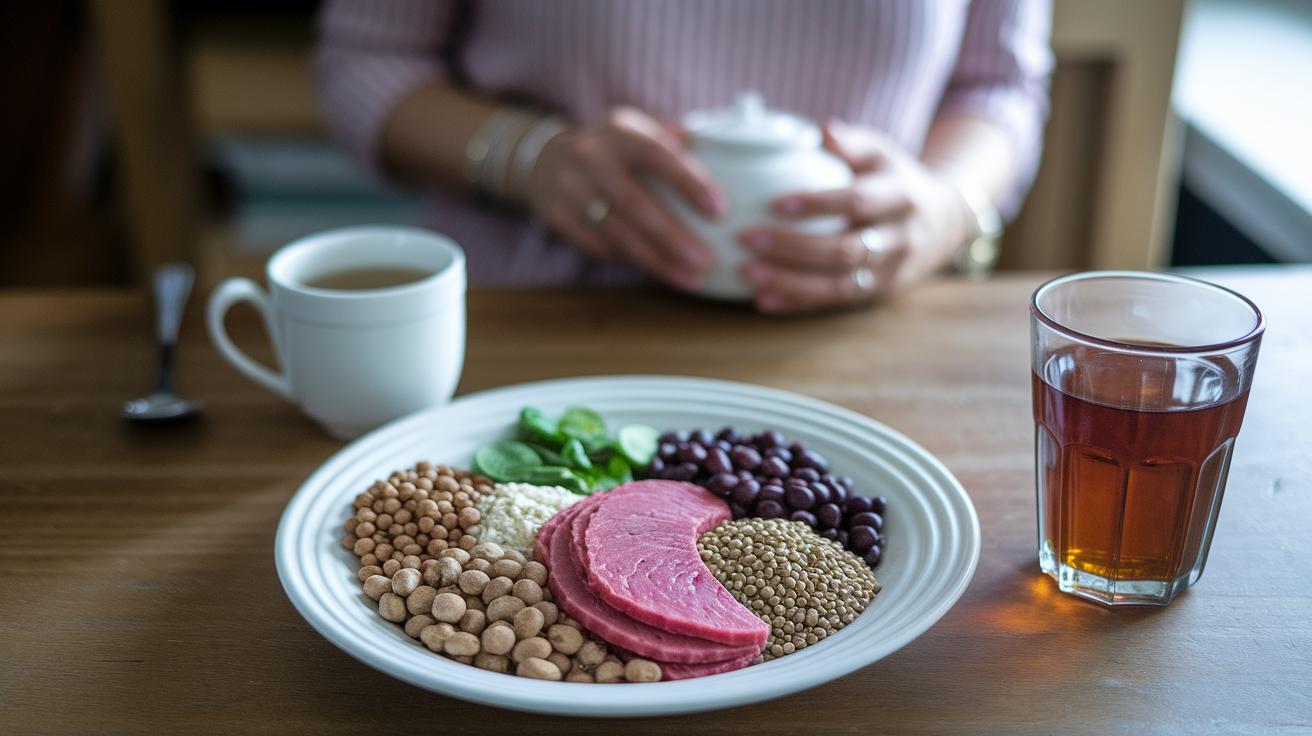
After a C-section, taking care of yourself with the right foods can make a big difference in how you feel. Good nutrition helps your body heal the incision and supports your digestion, which can be really helpful since many new moms deal with constipation.
Try to include these in your meals:
- Fiber-rich whole grains – aim for one serving with every meal.
- Legumes like beans or lentils – about a half-cup each time.
- Lean proteins such as chicken or fish – roughly 3 to 4 ounces per meal.
- Omega-3 rich options like salmon – enjoy once or twice a week.
- Nuts such as walnuts – a small handful each day works well.
- Warm beverages like clear broths or herbal tea – one cup between meals can be soothing.
Snacks are a great way to keep your energy up between meals. Fresh fruits, a serving of yogurt, or even a small handful of nuts can be just the thing when hunger strikes. Some moms might also find that supplements like vitamin D or iron can help, so it’s a smart idea to check in with your doctor about what you might need. And remember to keep yourself well-hydrated, sipping water throughout the day (aim for about 8 to 12 glasses) can really help ease digestion and keep constipation at bay. Warm drinks not only hydrate but can also feel comforting during your recovery.
Isn’t it amazing how small choices like a warm cup of herbal tea or a handful of nuts can bring a bit of comfort during a busy healing time?
Emotional Wellness and Support After a Postpartum C-Section
Many moms find that recovering from a C-section (a surgery to help bring your baby into the world) means dealing with both physical healing and a mix of emotions. Every year, over one million C-sections happen in the U.S., and it's completely normal to feel a little unprepared for all the feelings that follow. During weeks 2 to 4, you might feel stressed, alone, or suddenly overwhelmed while you care for your little one. Have you ever been in a quiet moment and felt a rush of worry or sadness? Even though these feelings are part of the healing process, remember that you're never truly alone in this.
Recognizing Emotional Distress and When to Seek Help
Keep an eye on your feelings and notice if they go beyond the normal ups and downs of change. For example, if you feel very sad for a long time, experience strong anxiety, have trouble sleeping, or lose interest in things you usually enjoy, these might be signs to get extra help. If these feelings stick around for more than a couple of weeks or start making daily care tougher, it might be time to talk to a mental health professional. You might consider chatting with an online postpartum wellness coach or exploring local resources made for new moms.
A helpful step in feeling better is to build a personal support plan. Talk with your partner, family, or close friends about setting up a daily check-in routine, complete with little moments for self-care and reflection. Sometimes, joining community groups or even attending counseling sessions can offer that extra boost to keep your spirits high as you heal.
Final Words
In the action of caring for your healing self, this post outlined incision attention, pain relief strategies, safe mobility routines, balanced nutrition, and emotional support during recovery. Each section offered simple steps and practical suggestions to guide you through sensitive postpartum care.
Taking things one step at a time can make managing your healing process feel more natural. Keep these postpartum c-section healing tips in mind as you move forward with confidence and care.
FAQ
What to eat after a C-section for fast recovery?
What to eat after a C-section for fast recovery involves choosing nutrient-dense foods like lean proteins, whole grains, fruits, vegetables, and omega-3-rich items to support tissue repair and overall healing.
When can I start bending after a C-section?
When can I start bending after a C-section is determined by your body’s healing pace; light bending is usually safe after a few days, but follow your provider’s advice to avoid straining.
What does C-section recovery week by week look like?
C-section recovery week by week begins with rest and wound care, then gradually introduces gentle exercises and increasing mobility as your comfort and healing improve over time.
What should I know about internal healing and stitches after a C-section?
What should I know about internal healing includes that internal stitches repair slowly over several weeks; monitor for increased pain, unusual discharge, or infection signs and contact your healthcare provider if needed.
How can I manage internal pain, including incision pain, at home after a C-section?
How can I manage internal pain at home by following prescribed medication schedules, using abdominal support during movement, and resting in comfortable positions, while checking with your provider if pain worsens.
What helps a C-section heal faster?
What helps a C-section heal faster is a combination of proper nutrition, consistent incision care, light movement, and closely following your provider’s guidance for a gradual, strong recovery.
What is the 5 5 5 rule postpartum C-section?
What is the 5 5 5 rule postpartum C-section means avoiding heavy lifting and intense activities for five days to give your body a safe period to settle and begin the healing process.
What are the hardest days of C-section recovery?
What are the hardest days of C-section recovery often occur in the first week and between the second and fourth weeks when discomfort peaks, making gradual activity resumption and patience essential.
What should be avoided after a C-section?
What should be avoided after a C-section includes strenuous activities, heavy lifting, and any movements that strain the core, ensuring your incision remains undisturbed as you heal.


