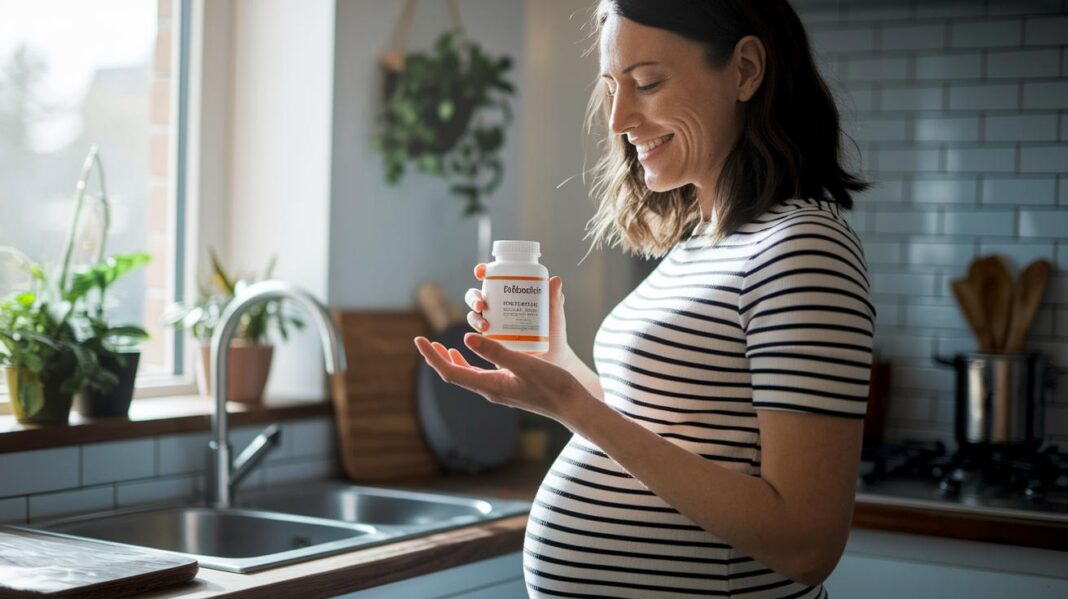
Have you ever thought that one little vitamin could truly change your pregnancy journey? Riboflavin, also known as vitamin B2, helps turn everyday food into energy for both you and your baby. It quietly powers up your cells, backs up your immune system, and keeps your skin, hair, and eyes looking healthy. In this piece, we chat about how adding more riboflavin to your meals can support you during your pregnancy (care during pregnancy) and help you feel strong as you embrace all the wonderful changes.
Riboflavin and pregnancy: Radiant Health Rising
Riboflavin, or vitamin B2, helps turn the carbohydrates, fats, and proteins you eat into energy for both you and your baby. When your energy stays steady, every little cell, yours and your baby’s, gets the boost it needs to work well.
Besides giving you that much-needed energy, vitamin B2 helps keep lots of other important parts of your body running smoothly. It supports a strong immune system, helps form red blood cells, and even contributes to healthy skin, hair, and eyes. It’s like a little helper as you navigate all the changes pregnancy brings.
- Helps produce energy and supports metabolism
- Strengthens your immune system
- Keeps your skin, hair, and eyes healthy
- Aids in your baby’s bone and muscle growth
- Supports the growth of your placenta and your baby’s vision
Adding riboflavin to your daily routine can be a real game-changer. Its role in energizing and supporting cell function makes it a cornerstone nutrient during your pregnancy. Whether you’re focused on staying strong and healthy or want to help your baby develop properly, vitamin B2 is there to lend a hand. This advice ties right in with what many moms find helpful in overall prenatal nutrition.
Prenatal Riboflavin Intake Recommendations and Dosage Guidelines

During pregnancy and while breastfeeding, your body needs a boost of riboflavin to keep up with extra energy demands and to help your baby grow strong. This vitamin is key to making sure you both get the right nutrition at this special time.
| Life Stage | Recommended Riboflavin Intake (mg/day) |
|---|---|
| Non-pregnant women | 1.0 |
| Pregnant individuals | 1.4 |
| Breastfeeding individuals | 1.6 |
Research shows that even very high doses of riboflavin haven't caused any harm. Some studies have seen people taking up to 400 mg a day for several months without any issues. Still, it's a good idea to chat with your healthcare provider about your riboflavin needs. They can help you decide if your current diet or prenatal vitamins are providing the right support for you and your little one.
Dietary Sources of Riboflavin for Expectant Mothers
Hey there, mama-to-be! Taking care of your body is such a loving way to support both yourself and your little one. Riboflavin (that’s vitamin B2) is one of those nutrients that helps turn your food into energy, keeps your skin, hair, and eyes glowing, and gives your baby the fuel they need as they grow. It’s a simple idea: when you include these riboflavin-rich foods in your meals, you’re giving both of you a little extra boost!
We all know that every bite counts, so here’s a handy guide to some foods that are bursting with riboflavin:
| Food | Riboflavin per Serving |
|---|---|
| Milk | 0.34 mg per cup |
| Yogurt | 0.57 mg per cup |
| Eggs | 0.26 mg per large egg |
| Lean beef & poultry | 0.2–0.4 mg per 3 oz |
| Fortified breakfast cereals | 1.0–1.3 mg per serving |
| Fortified oats | 1.1 mg per half-cup |
| Almonds | 0.3 mg per ounce |
| Spinach & mushrooms | ~0.2 mg per half-cup cooked |
If you’re following a vegetarian or vegan lifestyle or dealing with lactose intolerance, don’t worry, you’ve still got plenty of options. Fortified cereals and oats are excellent plant-based choices, and adding a handful of nuts or a serving of leafy greens can round out your riboflavin needs nicely. Mixing in dairy alternatives and fortified products means you can keep enjoying your favorite foods while staying true to your lifestyle.
Every little step counts, and by choosing nutrient-rich options, you’re nurturing both your well-being and your baby’s development. Remember, sometimes a small, thoughtful change in your diet can make a big difference. Take care of yourself and trust that you’re doing an amazing job!
Risks of Riboflavin Deficiency During Pregnancy
Not getting enough riboflavin (vitamin B2) during pregnancy can slow the production of red blood cells and drain your energy. You might find yourself feeling unexpectedly tired or weak, and even notice your skin and eyes becoming dry or irritated – clear signs that your body needs more support right now.
For your baby, insufficient riboflavin can mean challenges in getting the proper fuel for healthy growth. Some studies have linked low B2 levels to lower birth weight, shorter length at birth, and even some skin or eye problems after delivery. Plus, a lack of riboflavin might raise the risk of complications like preeclampsia, which can affect your blood pressure and be dangerous for both you and your little one.
While a full riboflavin deficiency is pretty rare in areas with enriched foods, some groups need to be especially mindful. If you’re vegetarian, vegan, lactose-intolerant, or have trouble absorbing nutrients, it might be a good idea to talk with your healthcare provider about checking your vitamin B2 levels.
Safe Riboflavin Supplementation Guidelines During Pregnancy
Most prenatal vitamins already offer about 1.4 mg of vitamin B2, which is just what you need. But if you follow a plant-based diet or have other food restrictions, extra riboflavin might be a good idea.
Who Should Consider Riboflavin Supplements?
If you’re on a vegetarian or vegan diet or have trouble with lactose, you might feel more tired or just off. Maybe you’ve noticed that even after a full night’s sleep, you're still feeling worn out. In those moments, try asking your doctor if a little extra vitamin B2 could be the boost you need. It’s always best to chat with your healthcare provider about how you’re feeling.
Safety and Excess Intake in Pregnancy
Good news: Your body gets rid of extra vitamin B2 quickly through your urine, so taking a bit more is usually safe. Since most prenatal vitamins already have the right amount, only add more if your doctor suggests it.
Remember, a healthy balance, eating nutrient-rich foods and using supplements when you really need them, helps keep your body happy during pregnancy. Always check in with your healthcare provider about your supplement routine to make sure it fits your diet and how you’re feeling.
Monitoring Riboflavin Status and Professional Guidance

Watching what you eat every day and noticing little changes in your body can help you check your riboflavin levels without needing pricey lab tests. It’s as simple as keeping track of your meals and paying attention to small hints like feeling a bit more tired than usual or seeing changes in your skin or eyes. This gentle self-check is a handy way to make sure you're getting enough nutrients throughout your pregnancy.
It also helps to talk about your vitamin B2 intake at your regular prenatal visits, especially if you’ve got issues like malabsorption (trouble absorbing nutrients) or other health concerns. Your doctor might take a closer look at your eating habits or even run a few tests if it seems like you’re not getting enough riboflavin. They can then tweak your vitamin recommendations to fit your unique needs, making sure you and your little one continue to feel your best during this special time.
Final Words
In the action, riboflavin powers both energy metabolism and healthy growth for mom and baby. We explored how this nutrient supports immune function, skin health, and promotes fetal muscle and bone development. We also looked at proper dosage and ways to include this key vitamin naturally in meals. Monitoring intake and safe supplementation can give you extra confidence as you care for your family.
Together, the insights on riboflavin and pregnancy help brighten the path toward a healthy future.
FAQ
Is riboflavin safe in pregnancy?
The riboflavin safety in pregnancy is supported by research. Its use at recommended doses is considered safe, and studies have found that even higher doses, when needed, do not pose risks when supervised by a healthcare provider.
How much vitamin B2 should I take during pregnancy?
The vitamin B2 dose for pregnant individuals typically follows a recommended daily allowance of 1.4 mg per day, while breastfeeding women need about 1.6 mg per day. Higher doses used for conditions like migraines should be taken only under medical advice.
What does high-dose riboflavin do during pregnancy and for migraines?
High-dose riboflavin, such as 400 mg used for migraines, supports energy metabolism and may help reduce migraine frequency. It is generally safe in short-term use during pregnancy when recommended by a healthcare provider.
What are the signs and symptoms of riboflavin deficiency during pregnancy?
The signs of riboflavin deficiency include skin issues, fatigue, and eye problems. In pregnant individuals, a lack of riboflavin can also impair energy production and immune function, affecting both mother and fetus.
Which foods provide ample riboflavin to support a healthy pregnancy?
Riboflavin-rich foods include dairy products, lean meats, eggs, and fortified cereals, among others. These foods help support energy levels, healthy skin, and proper fetal development.
Which vitamin should be avoided during pregnancy?
The focus during pregnancy is on safe vitamins like riboflavin. While most vitamins are beneficial when taken correctly, excessive amounts of certain supplements can be harmful, so it’s best to follow a provider’s guidance.
Does riboflavin affect fetal growth?
Riboflavin contributes to fetal growth by aiding in bone, muscle, and nerve development as well as placental formation. Its role in energy metabolism supports healthy fetal development throughout pregnancy.