Have you ever wondered if your baby’s smile might be a clue to how they learn? In those first few months, every little wiggle, gaze, and of course that sweet smile is sending you a message about their growing skills.
As you watch your little one explore their world, you might pick up on tiny hints that signal big changes ahead. It’s like each giggle or curious look is a gentle nudge telling you that even small steps can lead to wonderful milestones.
Next time you’re with your baby, take a moment to notice these small signals. They’re part of the amazing journey of growing and learning, and isn’t that something truly special?
Infant behavioral milestones: Bright Start Ahead
Watching your baby grow is like noticing little miracles every day. In the first year, babies change in many ways, from how they move to how they smile and even how they follow things with their eyes. These milestones are hints that your little one is learning to move, connect with others, and understand their world a bit better. When you see these signs, like the first time your baby tracks a toy or shows a sweet smile, it feels truly special.
Below is a simple table that gives you an idea of what to look for in each month. Remember, every baby is different, so these milestones are just gentle pointers rather than strict rules.
| Age (months) | Motor Skill | Social/Emotional | Cognitive |
|---|---|---|---|
| 1 | Moves with basic reflexes; lifts head just a bit | Shows calm alert moments and early bonding cues | Starts to follow things with their eyes |
| 2 | Begins to control arm movements | Gives a social smile | Becomes more interested in what’s around |
| 3 | Better head control and ability to reach for things | Likes looking at familiar faces | Starts to notice simple patterns |
| 6 | Reaches for objects and may roll over | Responds when called by name and enjoys playful interactions | Begins to understand that objects exist even when out of sight |
| 9 | Makes crawling motions and moves more smoothly | May feel shy or uneasy around strangers | Solves small problems by exploring |
| 12 | Might take a few steps; becomes more active | Uses gestures to show wants and needs | Understands simple cause and effect |
Keep in mind, babies develop at their own pace. Maybe your little one will smile a bit later than others, and that's okay. These milestones are here to guide you and celebrate the unique journey of your baby.
Motor and sensory behavioral milestone progression
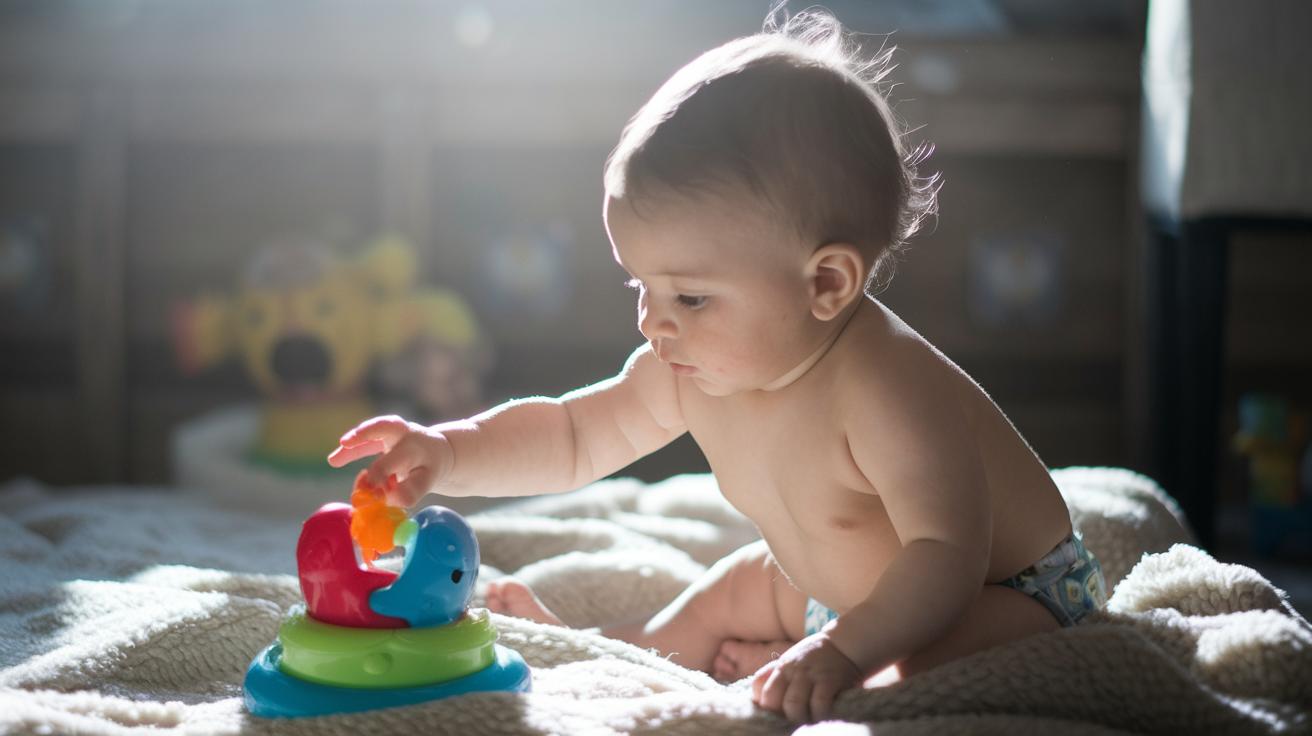
From the very start, little ones show natural reflexes that help set up later movement skills. At birth, babies rely on instinct alone, and by about 3 months, many can hold up their heads a bit better. This early head control is a clear sign that their senses and muscles are starting to work together, a gentle glimpse of all the progress they’re making, as noted on domains of development.
Between 4 and 6 months, you might see your baby reaching for a toy or grasping objects with growing confidence. It’s such a sweet moment when they excitedly try to grab a softly jingling toy, showing the start of controlled movement. Around the same time, many babies begin to roll over, exploring their little world in new ways. It’s amazing to watch how a simple roll builds on their early reflexes and helps them become more independent.
As they grow a bit older, typically between 6 and 8 months, babies start to sit more steadily, inviting more playful moments. Then, around 8 to 9 months, you might notice signs they’re ready to crawl as they shift their weight and move their limbs. On the sensory side, many babies begin to respond when called by 6 months and start turning toward sounds by around 9 months. This mix of motor and sensory skills sets the stage for more exciting interactions with their surroundings.
Early social and emotional behavioral milestones for infants
Babies begin showing their very first social smiles as early as 6 to 8 weeks. It’s such a sweet moment when you see that little grin, it’s their way of reaching out and saying hello, building a gentle bond with you. Then, soon after, around 2 to 4 months, these precious moments grow even more special as your baby starts to create their own little rituals during everyday interactions.
By the time they reach 3 to 4 months, you might catch them imitating your smile or the way you talk during a playful moment. It’s as if they’re joining in on a quiet conversation without any words at all, showing you just how connected they are with you.
As your baby’s world expands between 6 and 9 months, you may notice the beginnings of stranger anxiety. They start to show that familiar faces feel safe and comforting, while new faces can feel a bit overwhelming. And then, between 9 and 12 months, you'll see those first hints of peer interaction, like when your child watches another baby play, which is another wonderful step in their growing social world.
Cognitive and communication behavioral milestone emergence
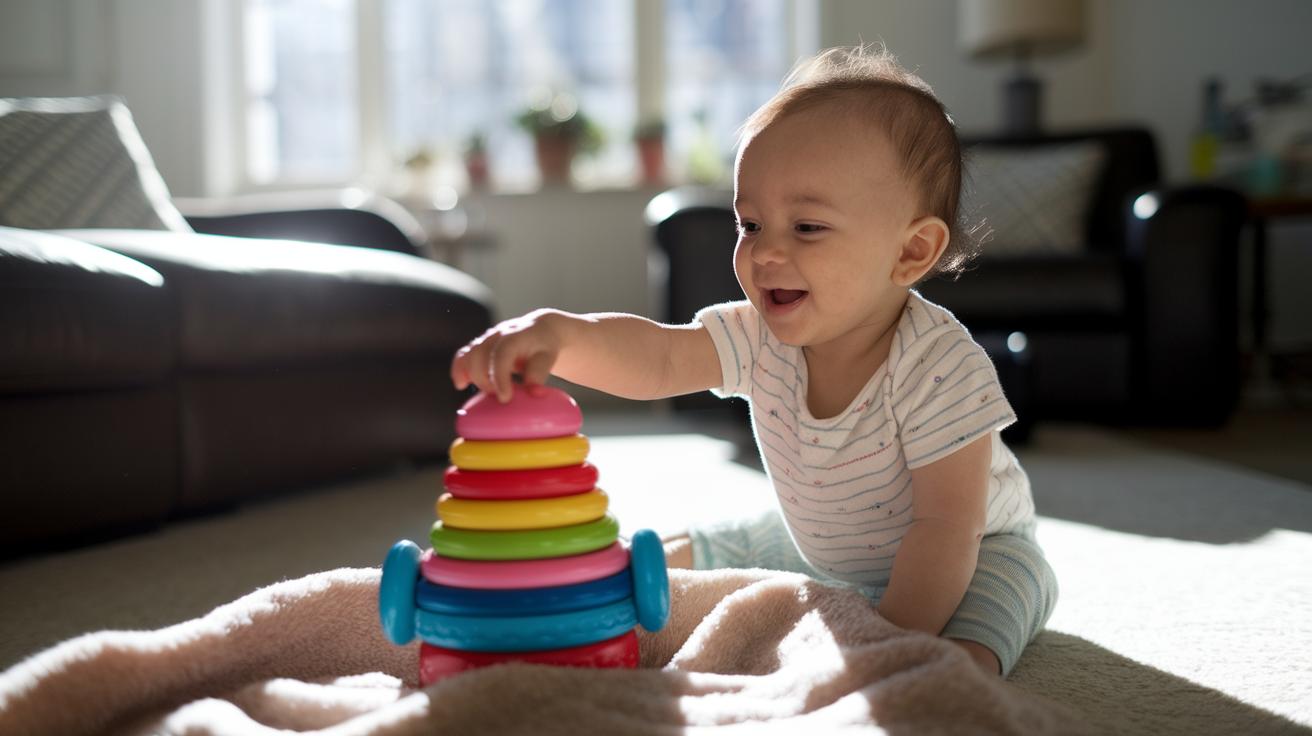
Infants show amazing growth in how they think and communicate right from the start. Around 8 months, many little ones begin to understand that even if you hide an object, it still exists. This idea, known as object permanence, is a big step in their growing minds. By 9 to 12 months, you might notice them trying different ways to reach a favorite toy. Imagine a tiny tot figuring out that pulling a cloth brings the toy closer, it's their way of trying out simple solutions and learning that actions have results.
Language skills also start blooming during these months. As early as 2 months, babies might begin to coo, those gentle sounds that are like soft little whispers in a quiet room. Then, around 4 months, you can witness moments where they seem to chat back and forth with you through sustained gazes and smiles, as if they’re having a secret conversation. By 6 months, many start babbling, producing rhythmic sounds that hint at their first words.
At this stage, thinking and talking blend together beautifully. Babies use deep eye contact and take turns in vocal exchanges, even before they speak actual words. By 9 to 12 months, they might start pointing at interesting things, like when your baby excitedly points at a fluttering butterfly. It’s a sweet mix of curiosity and the early art of communication, showing just how much they’re learning about the world every day.
Monitoring infant behavioral milestones with checklists and tools
Watching your baby grow is such a heartwarming experience. Every little step, like that first roll or an early, joyful smile, feels like a big celebration. Not only do these moments brighten your day, but they can also help you notice when it might be time to check in with your pediatrician.
Here are some easy tools to capture these special milestones:
- A monthly checklist to track new skills and changes
- A digital app with reminders to log everyday milestones
- A simple diary to jot down those sweet daily moments
- Regular professional checkups at 2, 4, 6, 9, and 12 months
- A calendar dedicated to noting first rolls, first words, and emerging social cues
Choosing the right tool really comes down to what fits best with your routine and comfort. Keeping these records and sharing them during routine visits can be so helpful. It may even highlight any areas of delay, like if a baby isn’t smiling by 3 months or missing out on babbling by 7 months, so that you and your doctor can have a thoughtful chat about the best steps forward.
When infant behavioral milestones diverge: identifying concerns
If you start noticing that your baby isn’t showing some early reflexes or meeting little milestones, it might be time to take a closer look. Some infants may not have a startle reflex right after birth or might not make strong eye contact by 3 months. Others might struggle with head control by 4 months or not babble around 8 months. These delays can be little clues that you may want to keep an eye on your baby’s development. Sometimes, you might see that your little one isn’t reacting to sounds or familiar faces as you’d expect, or they might seem less engaged during everyday moments.
It’s good to remember that missing a few motor skills, like sitting by 9 months, or not showing early smiles and social gestures could be reasons to watch closely. Think about how your baby reaches out during family time or responds to a gentle touch; these everyday interactions give important hints about their progress. While these changes don’t automatically mean extra help is needed, they are signals that it might be wise to notice patterns over time.
When you spot these kinds of concerns, consider booking a visit with your pediatrician. Often, early screenings and intervention services can shed light on what’s happening. Working together with healthcare experts and possibly therapists can help you set up a caring, supportive plan that fits your child’s unique needs.
Final Words
In the action, we explored infant behavioral milestones and watched each stage unfold, from early smiles and head control to rolling and first gestures. We looked at motor and sensory growth, early social signals, and even simple steps in cognitive development. We also shared useful tips for tracking these changes, helping you know when to seek extra guidance. Each baby’s progress brings hope and joy. Remember, every little milestone is a step forward, and you’re not alone on this amazing path.
FAQ
Frequently Asked Questions
What are the key infant behavioral milestones in the first year?
The key infant milestones start at 1 month with visual tracking, show a social smile at 2 months, develop head control and grasp by 3 months, and reach object permanence and simple gestures by 12 months.
How do infants develop motor and sensory skills?
The infant’s motor progression begins with reflex actions at birth, moves to head control by 3 months, includes reaching and rolling over by 5-6 months, and improves sitting balance and crawling readiness by 8-9 months.
What early social and emotional behaviors should parents expect?
The infant shows early social behaviors, beginning with a gentle social smile around 6–8 weeks, followed by facial mimicry by 3–4 months, and experiences stranger anxiety between 6–9 months.
Which cognitive and communication milestones are important for early development?
The infant’s cognitive skills are evident with cooing at 2 months, progressing to babbling around 6 months, developing object permanence by 8 months, and starting simple gesture communication like pointing by 9–12 months.
How can parents monitor their infant’s behavioral milestones?
The infant landmarks are tracked using monthly checklists, digital apps, parent diaries, and professional screenings, making it easier to note first roll, first word, and early social cues.
When should parents be concerned about potential developmental delays?
The infant’s progress may need attention if there’s no social smile by 3 months, a lack of babbling by 7 months, or missed head control by 4 months, all of which warrant a prompt professional evaluation.