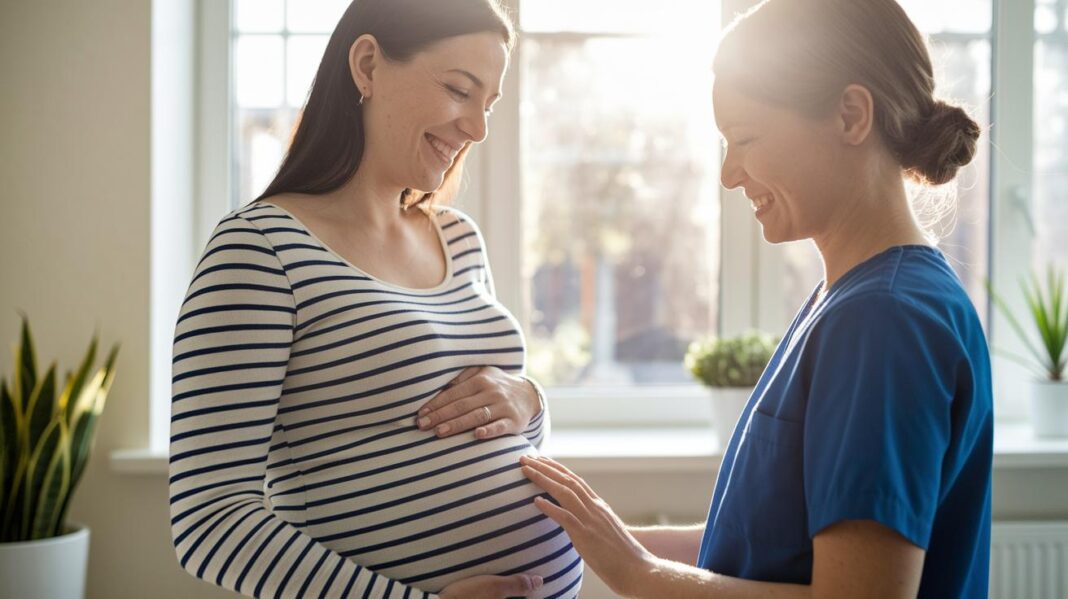
Have you ever noticed that some new moms feel more than just a little down? Changes in hormones and daily stress can sometimes tip feelings into deeper sadness. In this article, we look at signs that may mean a mom is at higher risk for postpartum depression. We share helpful ideas to show what might be causing these lasting feelings. Catching these signs early can help moms and their families get the support they need.
Core Risk Determinants in Postpartum Depression Among New Mothers
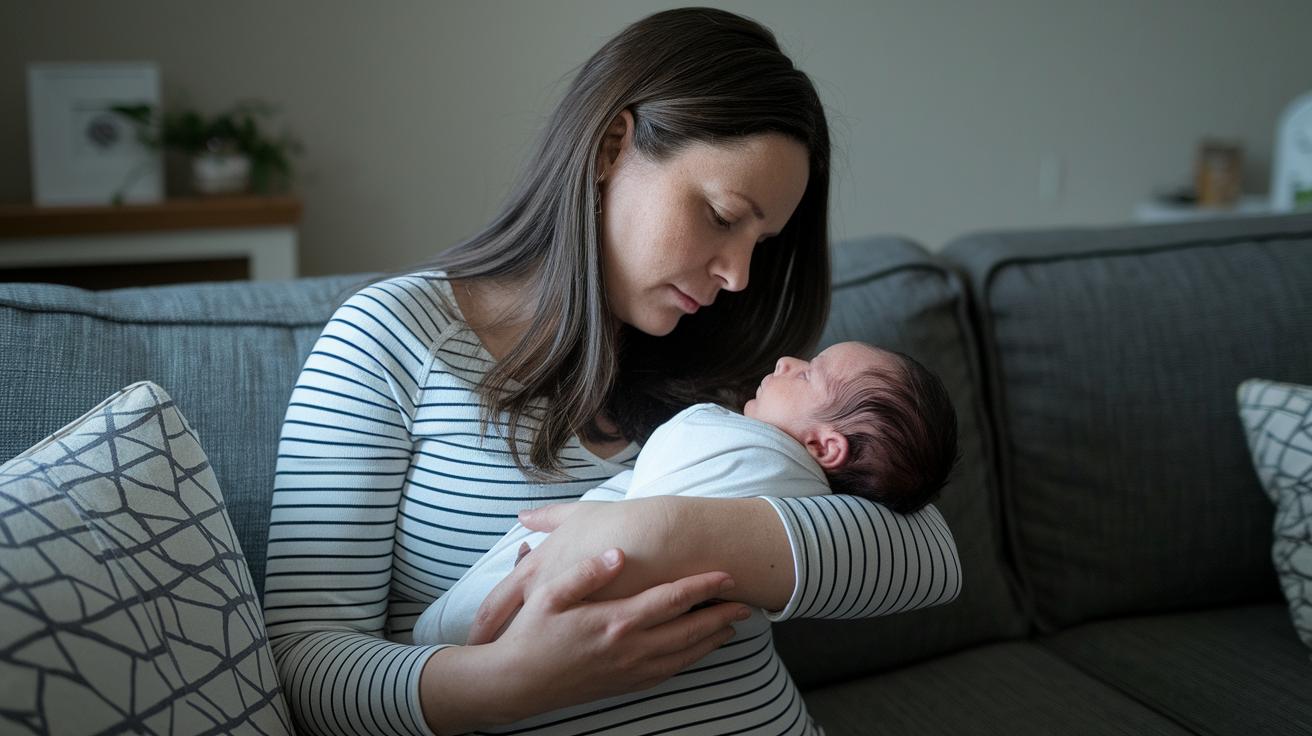
Most new moms, about 50% to 85%, sometimes feel a bit tearful and nervous after giving birth. This is often called the "maternity blues." But for about 10% to 15% of moms, these feelings stick around and become more intense, leading to what we know as postpartum depression. Women are twice as likely as men to feel depressed during their childbearing years, and the time after having a baby can bring some really unique challenges.
It’s important to know what might put moms at risk because these mood changes affect not just the mom’s well-being but also her child’s health and development. Think about it, just a small shift in how you feel can change the whole atmosphere of your day.
We now understand postpartum depression as a clear condition, and a big sign of that was when the FDA approved Zuranolone in 2019. This shows us that changes in hormones and feelings after birth are serious. It reminds us that postpartum depression isn’t just a normal part of being a new mom, it’s something that can be treated with proper care from a doctor.
If you’d like to learn more about the warning signs, check out this link for more details on postpartum depression symptoms: "postpartum depression symptoms" (https://womensconference.org?p=16660).
Spotting these risk factors early means moms can get the help they need right away, making a big difference for both them and their families.
Hormonal Aftermath Triggers in Postpartum Depression Risk
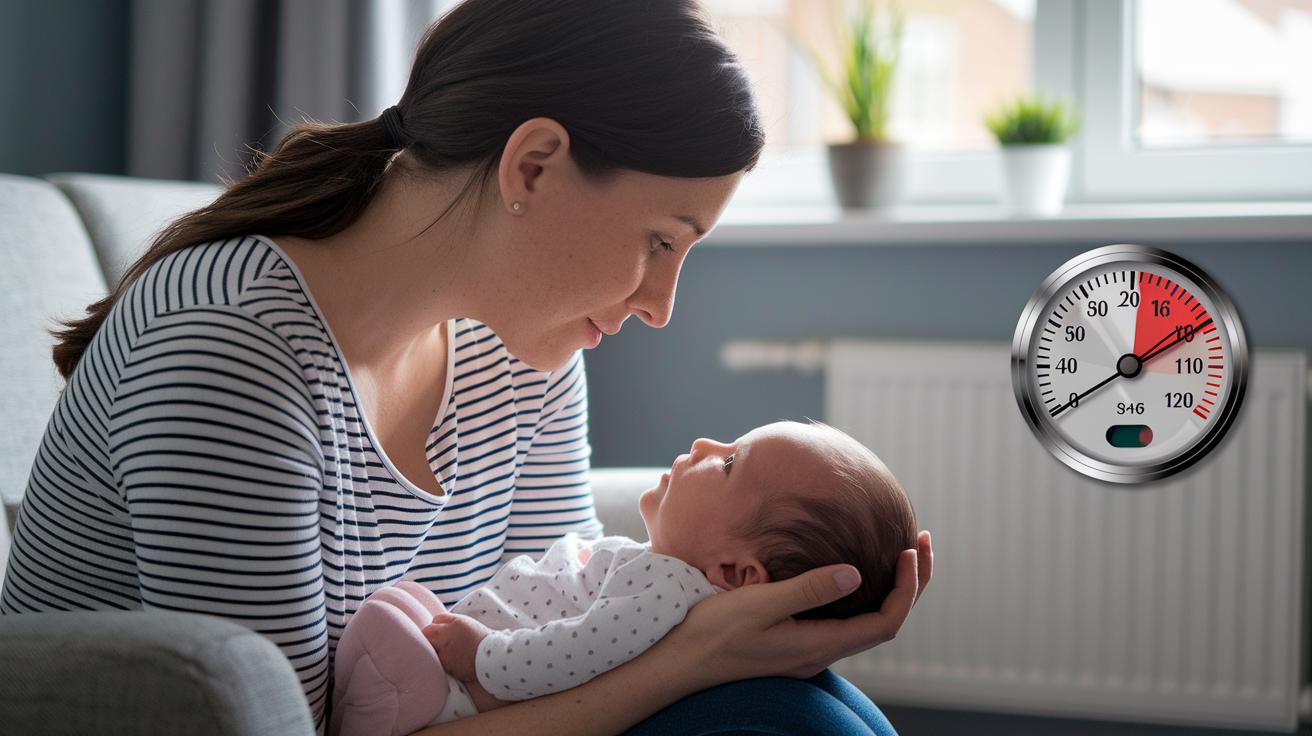
When a baby is born, a mom's body changes very quickly, and these changes can throw off her feelings. Experts in women's health have found that the shifts in hormone levels aren’t just physical; they can really affect how a mom feels. In fact, the FDA approved a medicine specifically for postpartum depression because these hormone changes have such a big impact. Research in trusted journals has shown us that these sudden shifts can be at the heart of postpartum depression.
Think of your body like a thermostat on a cold day, when it adjusts too quickly, things can get unbalanced. Changes in hormone levels can gently alter the brain's chemistry, setting off reactions that change your mood. Here are five key hormone shifts that can cause unease:
| Hormone Change | Effect |
|---|---|
| Quick drop in estrogen and progesterone | This rapid change can upset your emotional balance. |
| Higher levels of cortisol | Extra stress hormones can make you feel more anxious. |
| Fluctuating neuroactive steroids (like GABA-A) | These shifts may impact mood regulation directly. |
| Thyroid hormone disruptions | Changes here can affect energy and overall mood. |
| Altered sleep hormone cycles | Disrupted sleep often leads to feeling off balance. |
Each of these shifts can add to the mix of feelings that come with new motherhood, explaining why understanding these changes is so important.
Psychological History and Genetic Predisposition for Postpartum Depression

Sometimes, if you’ve felt down before or struggled with your mood, becoming a new mom might feel even tougher. Studies tell us that women often go through low moods during their childbearing years, so looking back on your mental health is really important, kind of like checking the weather before you head out.
Family history can play a big role too. If close family members have had depression or anxiety, you might have a genetic tendency that makes mood swings after childbirth more likely. Think of it like knowing a dear friend who has faced similar challenges and realizing those experiences might run in the family. It’s a clear reminder to keep an eye on how you’re feeling.
Talking with your healthcare provider about any past mood challenges, both personal and in your family, can help you get the right support as you begin this new chapter. This simple step can guide you through those early days of motherhood, making sure you feel cared for every step of the way.
Socioeconomic Pressures and Social Support Deficits in Postpartum Depression

When money is tight, every little unexpected cost feels huge. Moms can feel overwhelmed, as if they're trying to balance while holding their baby close. Studies show that when jobs are uncertain and finances are strained, it can really affect a mom's feelings.
In Massachusetts, lawmakers are starting to talk about how financial stress can impact mental health. More focus on postpartum mental health care shows that hard times at home can make feelings of sadness deeper. Imagine a mom sitting quietly, feeling alone without someone to lean on, it can turn every day into a real struggle.
Social isolation makes things even harder. When a mom doesn’t get a friendly chat or enough support at home, that loneliness can grow quickly. Without those little moments of connection, feeling down can sneak up on her and turn into something more serious.
Both money worries and missing that emotional backup can pave the way for postpartum depression. It’s a reminder that new moms need understanding, gentle caring, and community support now more than ever.
Obstetric Complications and Traumatic Birth Experiences in Postpartum Depression
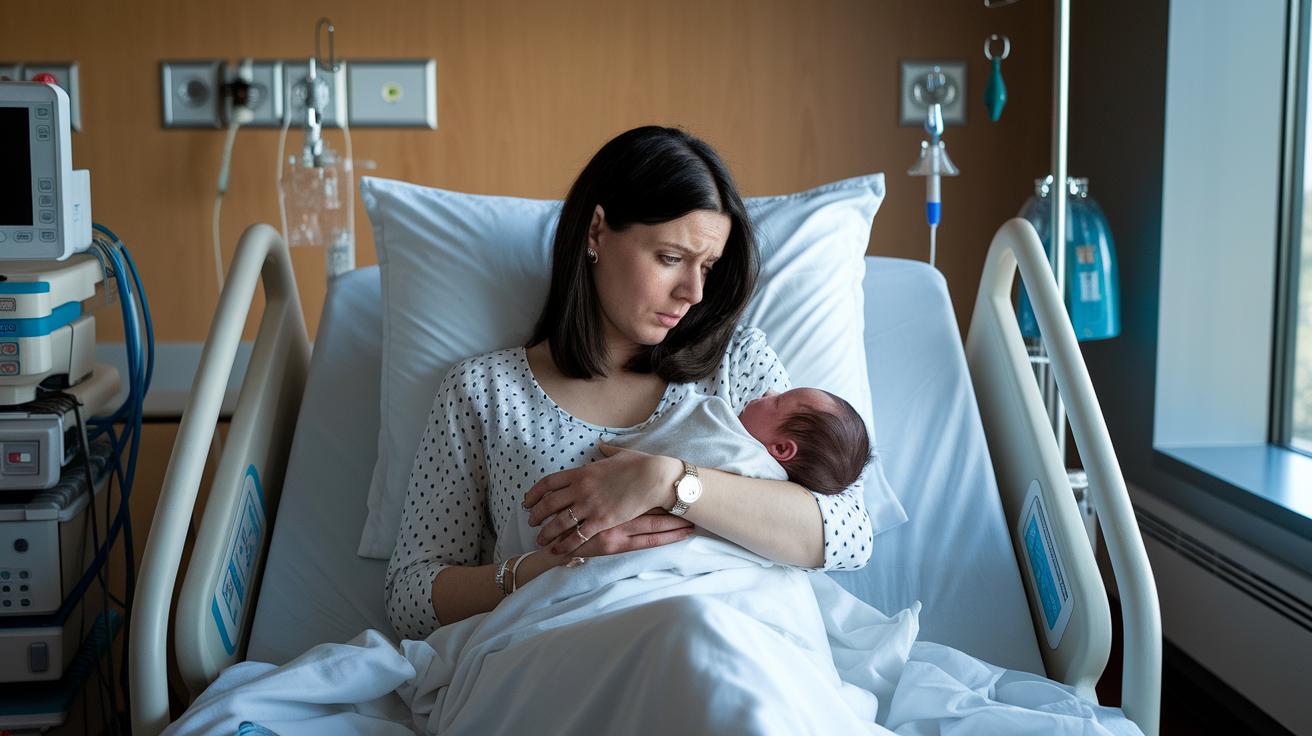
When a birth doesn't go as planned, it can truly affect a new mom’s feelings. A global survey of over 1.1 million moms, published in the Journal of Affective Disorders, tells us that tough labors and unexpected birth emergencies can raise the risk of postpartum depression. Imagine facing a sudden medical crisis during labor, what was meant to be a routine delivery can quickly feel overwhelming.
These challenges during birth can include:
- Labor difficulties that cause long-lasting physical stress.
- Emergency procedures that force a sudden change in the birth plan.
- Loss during the perinatal period (for example, losing a baby around the time of birth), which can deeply affect a mom.
- Traumatic delivery experiences that leave strong, lasting memories.
- Unexpected complications that leave a mom feeling especially vulnerable.
Think of it like getting caught in a rainstorm without an umbrella, each sudden change can leave you feeling soaked in uncertainty. Such experiences can intensify distress, making it harder for a mom to heal emotionally after childbirth. Knowing these factors helps healthcare providers offer caring, personalized support to moms facing these challenges.
High-Risk Demographics in Postpartum Depression Based on Major Studies
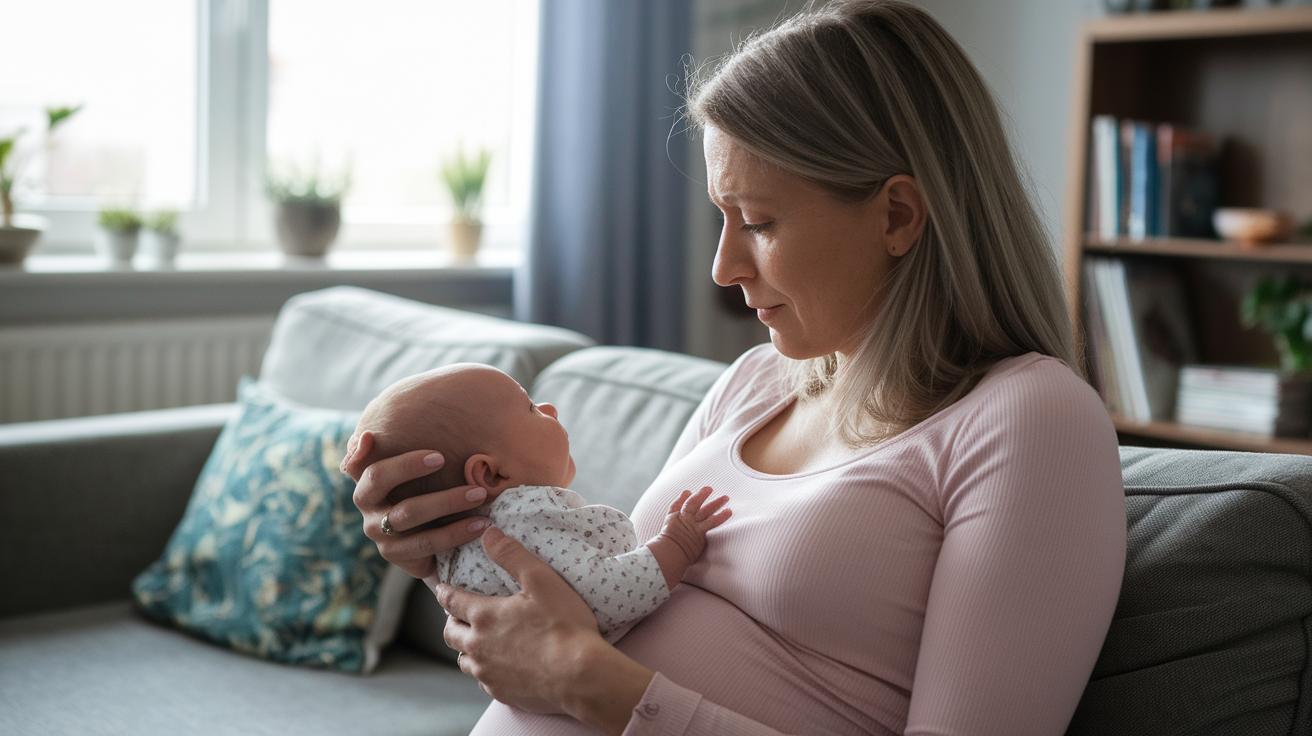
Studies show that a new mom's background can really affect how she feels after giving birth. A huge study that looked at over 1.1 million moms around the world, shared in the Journal of Affective Disorders, found that some groups are more at risk. First-time moms are especially vulnerable, and being under 25 or caring for twins can also increase the chance of feeling really low.
It’s important to spot these risks early so we can offer the right kind of help when a mom might be struggling. Think about it, it's not only about feeling sad. Sometimes, extra challenges like being very young or managing twins can make everything feel even heavier. Imagine a young first-time mom with twins, trying to balance every little thing. It shows why checking in on moms and giving tailored support is so important.
| Risk Group | Study Size | Risk Level |
|---|---|---|
| First-time mothers | 1.1 million | Highest |
| Mothers under 25 | 1.1 million | Elevated |
| Mothers of twins | 1.1 million | Elevated |
These research insights remind us just how essential it is to look out for moms early on and provide the kind of care that meets their unique needs.
Final Words
In the action of examining postpartum mental health, we highlighted key points from research and real-life experiences. We reviewed how hormonal shifts, emotional history, and everyday stresses may contribute to mood challenges after childbirth. We also looked at how complications during labor can add extra strain. Our discussion has shone a light on risk factors for postpartum depression, offering practical insights that matter. Stay strong, keep informed, and know that support is always available. Every small step builds confidence and well-being.
FAQ
Which factors put a patient at risk for postpartum depression?
The factors include rapid hormonal shifts after childbirth, a history of mood challenges, stressful social and economic conditions, and complicated or traumatic birth events that raise a mother’s vulnerability.
What causes postpartum depression?
The causes of postpartum depression stem from changes in hormone levels after birth, past mental health struggles, persistent stress, and difficult birth experiences that can affect a mother’s mood.
Who is most at risk for postpartum depression?
Research shows that first-time mothers, mothers under 25, and mothers with twins or multiples are most at risk due to the combined pressures of hormonal shifts, emotional vulnerability, and less personal experience.
What are four risk factors for postpartum depression?
Four key risk factors include sudden hormonal changes after delivery, a history of depression or anxiety, a lack of strong social support, and challenging or traumatic birth experiences.