

Have you ever wondered if it’s safe to exercise while you’re expecting? Many moms worry about finding the right ways to care for both themselves and their little one. A peaceful walk or a few gentle stretches can feel like a warm hug from nature, giving you a burst of energy and a sense of control. With your OB-GYN (your doctor who guides you during pregnancy) alongside you, these simple activities can make you feel strong and confident. Today, we’re sharing some tried-and-true ways to move safely, so you can enjoy the benefits of exercise and feel great during this special time.
Essential Medical Guidelines for Prenatal Fitness

Your OB-GYN may suggest that you aim for about 150 minutes of gentle exercise every week. That could mean taking a comfortable walk or joining a low-impact prenatal aerobics class (a light exercise routine designed for pregnancy). Think of it like setting a steady heartbeat for your week, a routine that supports you and your baby. For instance, you might decide to fit in a brisk walk five days a week, easily reaching that goal in no time!
Brisk walking is a wonderful way to start if you're new to exercise. In early pregnancy, a quicker pace can boost circulation and energy. But as you move into later stages, you might find that slowing down helps keep you comfortable. Picture yourself stepping outside for a morning walk, feeling the cool air, reminding you of a gentle hug from nature.
It’s also important to skip hot exercise classes like hot Pilates or hot yoga. These can raise your body temperature too much, which isn’t safe when you’re pregnant. Instead, choose a space that is cool and well-ventilated, so you feel at ease while working out.
Before you try any new workout, make sure to get a quick check-up first. Your doctor will want to check for things like high blood pressure or placenta previa (a condition affecting the placenta), just to be sure that any activity you choose is safe for both you and your baby.
Regular exercise can work wonders, it might lower your risk of gestational diabetes by about 50% and reduce the chance of pre-eclampsia by around 40%. This isn’t just advice; it’s a way to boost the well-being of both you and your little one every day.
Low-Impact Cardiovascular Routines for Expectant Mothers

Walking is a gentle and effective way to get your heart working. When you're in the early days of pregnancy, keeping a brisk pace can help boost your blood flow and energy. Later on, you might switch to a slower, more relaxed walk to feel comfortable yet still active. Picture yourself on a quiet morning stroll, the sun just beginning to rise and a refreshing breeze nudging you forward.
Swimming is another lovely choice. The water supports your body in just the right way, easing the pressure on your joints. It helps strengthen your back, arms, and legs while wrapping you in a calming, almost hug-like environment.
Using a stationary bike or an elliptical machine gives you the chance to enjoy aerobic exercise safely. By setting a moderate resistance, you can work out without worrying too much about balance.
Online prenatal aerobics classes offer routines made specifically for moms-to-be. These classes can feel just like joining a friendly group, even if you're at home. It’s like having a little community right there with you.
Each exercise is gentle enough to change with your body, helping you feel strong and active through every stage of your pregnancy.
Strength Training and Core Stabilization for Pregnant Women

Strength training can help you feel strong and supported as you go through every trimester. Squats, for example, do wonders for building lower-body strength and keeping your posture in check. You can simply use your body weight or try light hand weights if you're up for it. Imagine slowly lowering into a squat like you’re about to sit on a low bench, finding that natural, comfy rhythm.
Wall pushups offer another gentle option. Stand a step away from a wall and slowly lower yourself as if you’re giving the wall a warm hug. This move helps ease pressure on your back and core, making it a friendly alternative for a safe exercise.
A stability ball can be a really helpful tool, too. Using the ball, try arm curls or tricep curls that support your pelvis while working your upper body. You can also do pelvic tilts and even march on the ball to engage your deep core and pelvic-floor muscles in a controlled way.
Planks are a safe choice during the first trimester. As your bump grows, consider widening your stance or switching to a plank on your knees to ease the load on your tummy. It’s best to skip crunches or sit-ups after 12 weeks since they might press on a major vein. These small tweaks help keep your workout both safe and effective.
Trimester-Specific Modifications and Precautions in Prenatal Exercise
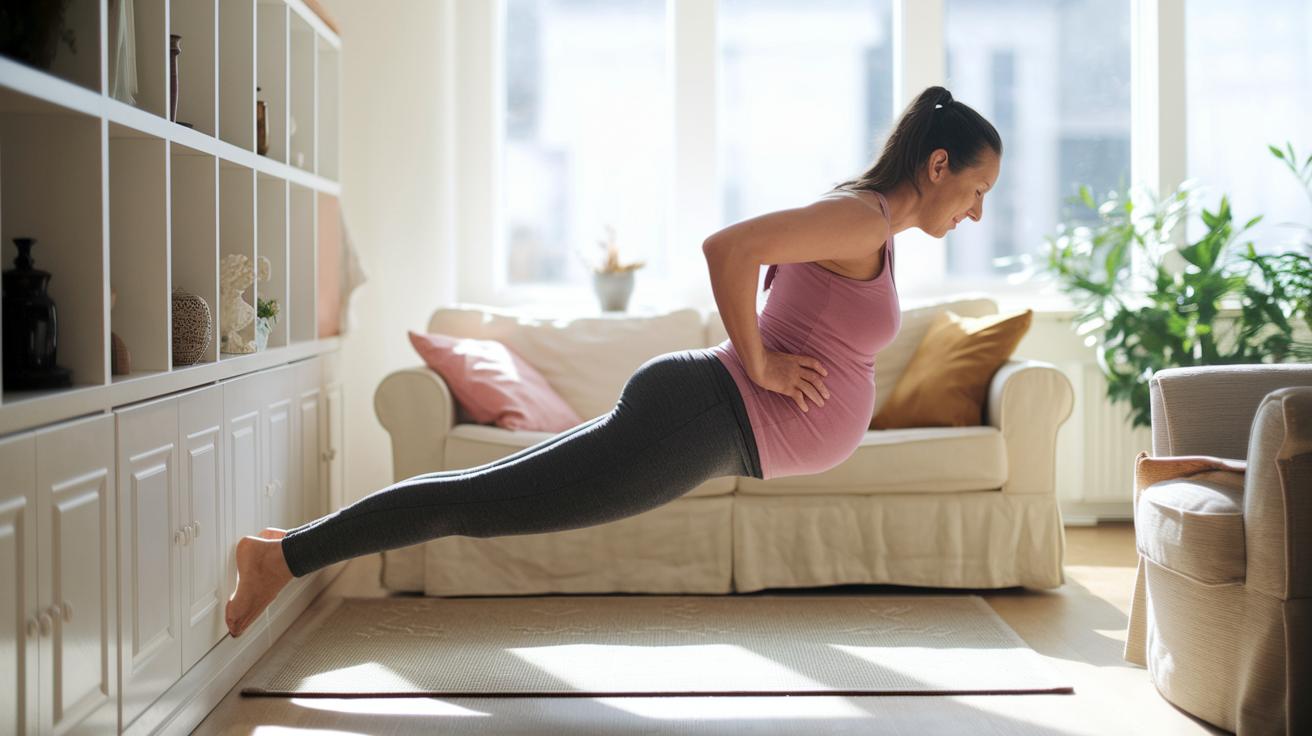
When you're starting out in early pregnancy, take it slow with gentle workouts. Go for a light walk or try some easy stretching. For example, you might begin with a simple 10-minute walk and then add a few extra minutes as you go. This helps your body adjust comfortably.
As you reach mid-pregnancy (weeks 14–28), your body might need a little extra care. Try swapping standard pushups for wall pushups; it's like giving the wall a warm, friendly greeting while easing pressure on your back and tummy. Around week 16, steer clear of lying flat on your back to keep things comfy. You can still enjoy moderate cardio, like a relaxed session on a stationary bike or low-impact aerobics, simple, steady, and safe routines that feel just right.
In the third trimester (weeks 29–40), focus on keeping your balance and stability. Stick to exercises that have a smaller range of motion and add in some pelvic-floor work. If you ever feel dizzy or sense some pelvic pain, it’s perfectly okay to take a break. Even gentle squats and soft stretches can help you stay strong while you adjust to the changes in your body.
Remember, every little change in your workout routine is a way of saying, “I care for you,” to your body. Enjoy these moments of gentle care at every stage.
Exercises to Avoid and Risk Management during Pregnancy Workouts
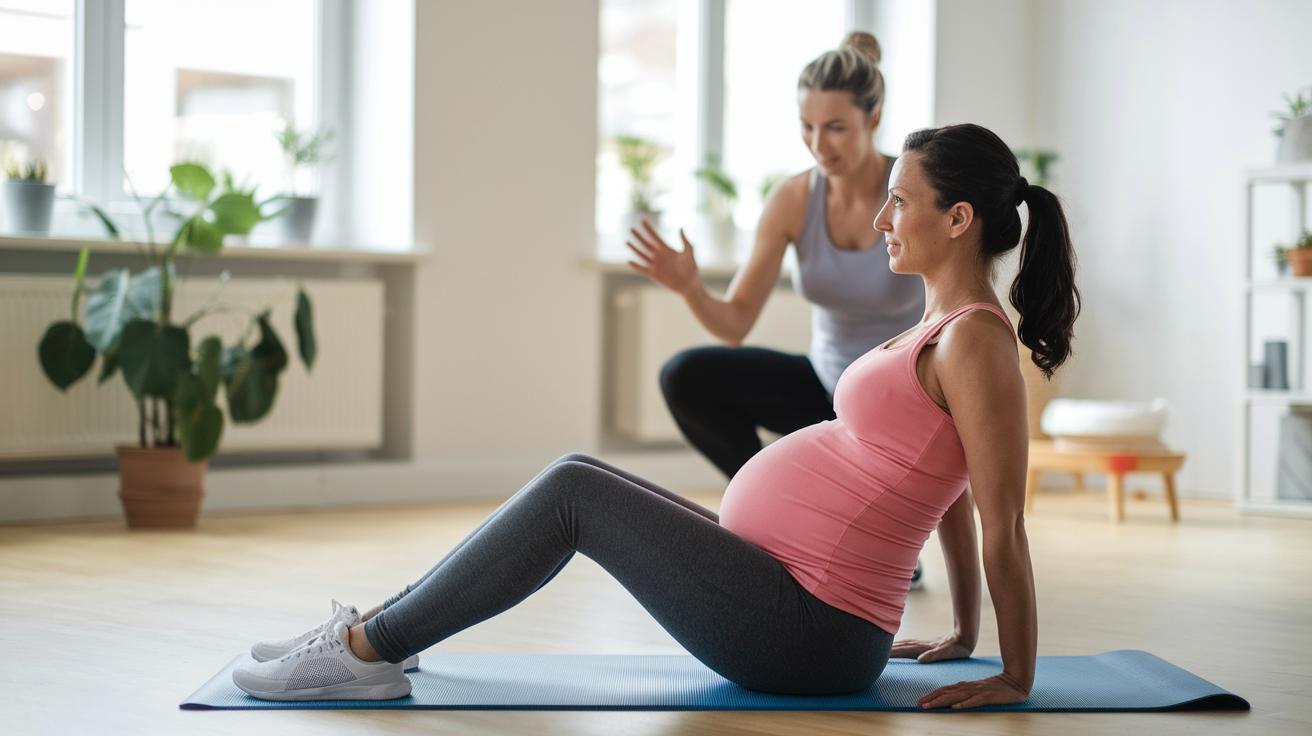
When you're expecting, it’s best to skip activities that could be risky for you or your little one. Sports like contact games, skydiving, and scuba diving might look exciting, but they can pose dangers during pregnancy. Also, exercises in very warm settings, like hot yoga or heated Pilates, might not be a good idea because the heat can affect your body. And those movements that could lead to falls? It's safer to leave them out of your workout.
After your first trimester, it’s important not to do exercises that have you lying on your back. This helps avoid pressure on a major vein, much like keeping a steady pace on a long walk so that every step feels safe. If you ever feel dizzy, short of breath, or notice any pain in your pelvic area or back, take that as your cue to stop for a moment and check in with how you're feeling. For instance, if a wall pushup suddenly feels off because your balance seems uneven, it’s okay to pause and assess.
Listening to your body is key. By taking a little extra care in your exercise routine, you help create a safe and gentle space for both you and your baby.
Evidence-Based Benefits of Maintaining Prenatal Exercise Routines

Staying active while you’re pregnant can really help. It can cut your chances of getting gestational diabetes by about half and lower the chance of developing high blood pressure problems by nearly 40%. Simple activities like a brisk walk, a swim, or some gentle prenatal yoga can lift your mood and take the edge off stress. Imagine a quiet 30-minute walk that leaves you feeling calm and refreshed.
Moving regularly can also keep your heart strong, ease back pain, and even help you sleep better at night. Many studies show that safe exercises may make labor a bit smoother and help you bounce back faster after birth. Each stage of pregnancy can enjoy its own benefits, like clearer thinking and less discomfort, when you follow a routine that fits your needs.
Before you dive into any new exercise plan, have a chat with your OB-GYN to make sure it works well with the changes in your body.
Final Words
In the action, the article walked through how to keep active safely while pregnant. We covered the basics of low-intensity workouts, strength-building moves, and tailored adjustments for each trimester. It highlighted the need for medical clearance before starting and offered advice on what moves to avoid. All the tips work together to support a healthy pregnancy for mom and baby. Remember, embracing safe exercises during pregnancy can bring you added confidence and comfort every step of the way.
FAQ
What are safe exercises during pregnancy in the third trimester?
Safe exercises during the third trimester include low-impact activities like walking, water aerobics, and gentle stretching. These moves help improve balance and flexibility without overexertion.
What are pregnancy exercises during the first trimester?
Pregnancy exercises during the first trimester can be gentle routines such as brisk walking, light stretching, or modified strength training. Start slowly and listen to your body while you adjust to pregnancy.
Which month should I start exercising during pregnancy?
The month to start exercising during pregnancy varies by individual. Many mothers begin with low-impact activities early after getting a doctor’s go-ahead during the first trimester and progress gradually.
What are safe exercises during the second trimester?
Safe exercises during the second trimester include brisk walking, light strength training with modifications, swimming, and pelvic floor routines. These activities help maintain fitness while keeping discomfort and strain minimal.
What exercises should be avoided during the first trimester?
Exercises to avoid in the first trimester are those that are very high-impact or overly strenuous without proper modifications. It’s best to steer clear of moves that might strain the body as you adjust to pregnancy.
Which month should I start exercising for a normal delivery?
The timing to begin exercising for a normal delivery can differ, but many mothers start low-impact routines early. It is wise to consult your doctor so that the plan suits your personal health needs.
What exercises should be avoided at 4 weeks pregnant?
At 4 weeks pregnant, it is best to avoid overly strenuous activities and high-risk exercises. Keep your routine gentle until you receive personalized guidance from your healthcare provider.
What is available in a safe exercises during pregnancy PDF?
A safe exercises during pregnancy PDF typically outlines routines, duration, intensity, and trimester-based modifications. It offers medically backed guidance to help expectant mothers maintain safe and effective workouts.
What exercises should be avoided during pregnancy overall?
Exercises to avoid during pregnancy include high fall-risk activities, routines that cause overheating like hot yoga, and moves that put too much strain on the core. Always check with your doctor if you’re unsure.
What kind of exercise is safe while pregnant?
Safe exercises while pregnant typically involve low-impact activities such as walking, swimming, stationary cycling, and gentle strength training. These help maintain fitness without causing undue strain.
Can I do squats while pregnant?
You can do squats while pregnant if you make modifications, like using a wall for support or limiting the range of motion. They help build lower body strength but require clearance from your doctor.
How can I target back fat while pregnant?
Targeting back fat while pregnant is best approached with gentle core exercises, posture routines, and light strength training. These moves support overall fitness without stressing your body, and a doctor-approved plan is ideal.


