

Have you ever noticed that your heart can feel heavy long after a miscarriage? Losing a baby can bring a deep sadness that goes far beyond a few tears. It might feel like a shadow dims even your happiest moments. Many moms share that they struggle with constant low mood, tiring feelings that seem to come out of nowhere, and a quiet ache in their hearts. In this article, we talk about the signs that make postpartum depression different from normal grief and offer some kind and practical steps toward hope and healing. Let's chat about these feelings together so you know you're not alone.
Recognizing Postpartum Depression After Miscarriage: Key Symptoms and Risk Factors

Postpartum depression after a miscarriage isn’t just about feeling sad for a day, it’s a deep, lasting heaviness that can seep into every part of your day. It might feel like you’re quietly carrying a weight that makes even small joys seem distant. Many moms describe it as that nagging feeling that nothing is quite right.
A lot of women notice these signs, and that makes sense when you think about it, around one in five pregnancies end in miscarriage, and the emotional toll can be big. Hormonal changes after a loss can make you feel similarly drained as after childbirth, where activities that once felt fun now seem empty, almost like hearing your favorite song without its usual warmth.
There are different reasons why someone might feel this way. A sudden drop in hormones like estrogen and progesterone can work with feelings of guilt, self-blame, and uncertainty about the future to create a tough mix of emotions. And when you don’t have a strong support system around you, those feelings can grow even heavier.
These symptoms are serious because they can affect your emotional well-being and even take a toll on your physical health if left unaddressed. Recognizing even the small shifts, like noticing a dim light gradually fading, can be a helpful sign to reach out for the caring support you deserve.
Distinguishing Postpartum Depression After Miscarriage from Normal Grief

After a miscarriage, it’s completely normal to feel a mix of sadness, guilt, anger, and confusion. Grief usually comes and goes like gentle waves, softening bit by bit over time. You might notice that sometimes the pain feels strong, then it eases up, making room for healing. But if you experience clinical postpartum depression, the sadness sticks around in a heavy, unyielding way. It’s like a constant cloud of hopelessness and tiredness that makes even simple daily tasks feel overwhelming. Moms dealing with both grief and depression can find it really hard to gather the energy for things they once loved doing.
Here are some key differences to watch for:
| Normal Grief | Clinical Depression |
|---|---|
| Usually eases within 6-12 months | Can linger much longer |
| Emotions come in waves, with ups and downs | Feels like a constant, dull pain |
| Moms can often keep up with daily routines | Struggling day-to-day and may feel isolated |
| Feelings of sorrow come and go | Overwhelming inability to enjoy even small pleasures |
Knowing these differences can make it easier to find the right support for how you're feeling. And remember, don’t hesitate to reach out to a mental health professional for extra care and comfort.
Biological and Psychological Contributors to Postpartum Depression After Miscarriage

After a miscarriage, your body experiences a fast drop in estrogen and progesterone. This quick change is a bit like a sunny day suddenly turning stormy, affecting your mood in ways you might not expect.
At the same time, you might also feel strong emotions like guilt, anxiety, and even self-blame. Perhaps you’ve caught yourself wondering, "Could I have done something differently?" These thoughts can make it hard to find calm when you really need it.
Social factors can add even more weight to your feelings. If you don’t have a close group of friends or family, if you have dealt with mood issues before, or if you feel isolated, everyday tasks might seem extra challenging.
Understanding these contributors can remind you that your feelings, as hard as they are, are part of your body’s natural response to loss. Taking small steps toward support can help you navigate this difficult time.
Emotional Distress Post Pregnancy Loss: Personal Narratives and Healing Validation

Sharing our stories can help lift the heavy cloud of grief. Many moms have discovered that chatting honestly about the loss of a pregnancy, and the future they once dreamed of, can ease the burden. One mom shared, "I used to feel endless guilt until I realized that the loss wasn’t my fault, I learned my body does what it needs to do." Her words remind us that sometimes, things happen even when we do nothing wrong.
Talking openly about deep feelings has brought relief to many moms. They’ve found that letting out their sadness, anger, or confusion creates a safe space for healing. When you listen to others who have walked the same path, it can make the loneliness feel a little less overwhelming. I remember one mom saying at a small support group, "When I heard how someone else navigated her grief, I began to see a way forward even in my darkest times." It’s moments like these that show we’re not alone.
Here are a few simple strategies that some moms have found helpful:
- Open up to a trusted friend or loved one
- Join a support group where sharing stories is encouraged
- Show yourself kindness and let yourself grieve without judgment
These heartfelt stories and gentle tips remind us that healing may be slow, but every shared experience helps validate our pain and supports us on the path to emotional recovery.
Postpartum Depression After Miscarriage: Hope and Healing

Sometimes it can feel like you're caught in a storm when dealing with postpartum depression after a miscarriage. Finding someone who truly gets what you’re going through is so important. Professionals who specialize in mood changes during and after pregnancy can offer treatments that help you gently move from darkness toward a place of hope.
When you try therapy, you might explore cognitive behavioral therapy, a friendly approach that helps shift the way you think and react to tough emotions. It guides you to set small, kind goals for yourself. Imagine replacing feelings of deep sadness with little steps that bring a bit of light into your day, maybe starting with a quiet, peaceful walk after a good night’s rest.
Cognitive Behavioral Therapy
These sessions help you notice negative thoughts and kindly challenge them. By setting simple, personal goals and swapping out harsh thinking for more caring thoughts, you gradually build a clearer, steadier path back to feeling better.
Medication Options
At times, medications play an important role alongside therapy. Your doctor might suggest antidepressants to help ease those persistent, draining feelings. They’ll carefully monitor your treatment to ensure the right dosage supports your recovery without causing extra worries.
Intensive Outpatient Programs
If you feel you need a little extra care, an Intensive Outpatient Program might be a good option. These programs mix one-on-one therapy, group sessions, and professional guidance over several weeks. This supportive environment gives you a safe space to work through your feelings, build new coping skills, and find balance again.
Community Support Networks and Self-Care Methods to Support Post-Miscarriage Recovery

Sometimes healing after a miscarriage feels like trying to find little sparks of light during a very dark moment. You know, talking with others who understand can make a huge difference. Joining a support group or chatting online with moms who have felt the same kind of pain reminds you that you're not alone, kind of like getting a warm hug on a rough day.
Taking gentle care of yourself can soothe both your mind and body. For example, practicing mindfulness meditation or a soft yoga session can give you a quiet corner to catch your breath when emotions are overwhelming. Even simple moments, a short stretch in the morning or a few mindful deep breaths, can lift your spirits, much like enjoying a comforting cup of tea when it’s chilly outside.
Eating a balanced diet also plays an important part in letting your body heal while keeping your mind clear. Choosing foods with omega-3s and B-vitamins is like giving your brain the steady fuel it needs during tough times. Plus, setting a regular sleep schedule and using methods to relax can help you feel stronger every day.
Here are some self-care ideas that might help:
Long-Term Mental Well-Being After Fetal Loss: Recovery Journey and Follow-Up Care
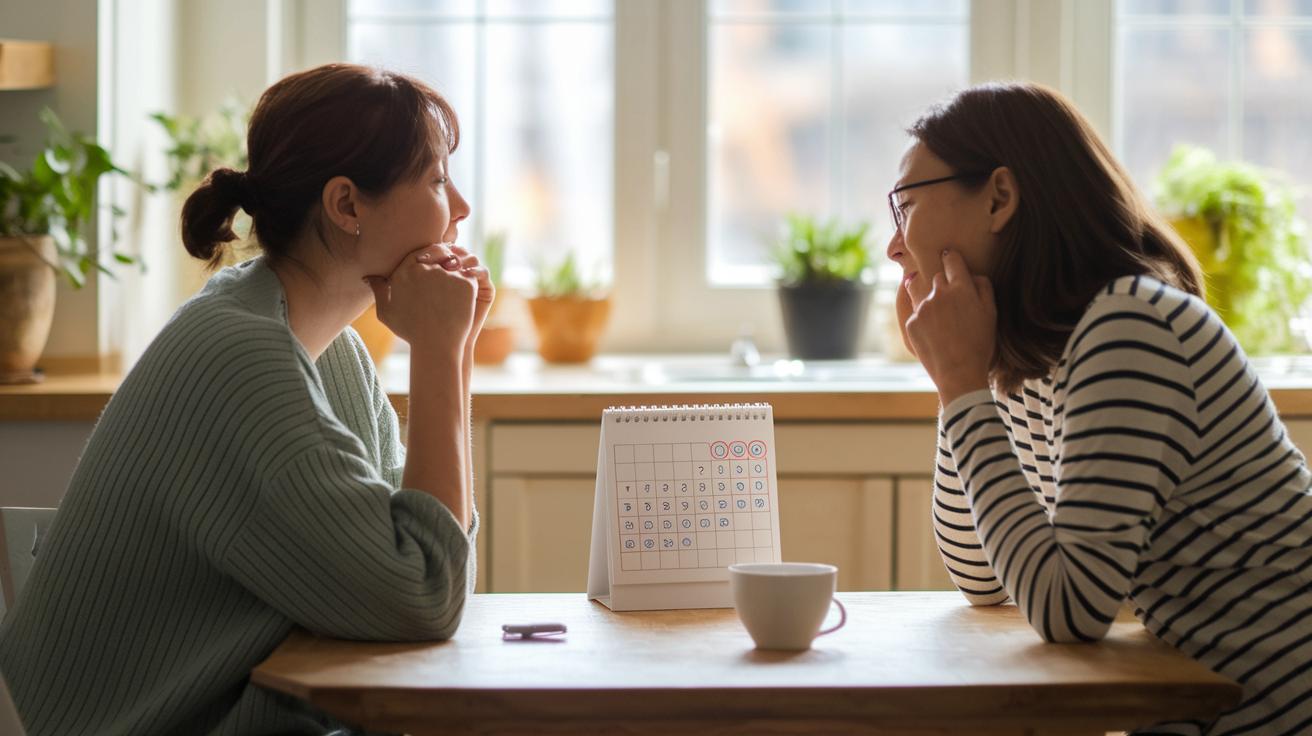
When postpartum depression isn't treated, it can quietly impact your relationships, your work, and even how you feel physically. Recovering from a pregnancy loss is a very personal journey, and keeping an eye on how you feel each day can really help you see the little steps you’re taking forward.
Sometimes, figuring out if you're truly making progress or if you've hit a bump can feel confusing. Your healing journey doesn't follow a strict schedule, it’s unique to you. It might remind you of checking the weather each morning to decide whether you need an umbrella for your mood.
A good idea is to have regular chats with a mental health professional. These check-ins can help spot any returning symptoms early on, almost like a friendly reminder that your well-being matters. Simple practices, like jotting down your feelings or rating your mood at the end of the day, can offer gentle clues about your progress.
Another way to see how you’re healing is by setting small goals. It could be as simple as taking a quiet walk or catching up with a caring friend. Each little act is a sign that recovery is happening, step by step. And even if there are setbacks, remember that it’s perfectly okay. Being kind to yourself and knowing you have support can really help you keep steady as you move forward.
Final Words
In the action, we unpack key signs and symptoms of postpartum depression after miscarriage and note how hormonal shifts play a big role. We talked about finding the line between normal grief and deep-seated sadness. We also reviewed practical ways to seek expert help, from therapy to community support, and self-care tips that bring comfort. Each part of the piece reminds us that support is close by and every step toward healing counts. Stay hopeful and kind to yourself.
FAQ
Can you get postpartum depression from a miscarriage?
The question shows that a miscarriage can trigger postpartum depression. Hormonal shifts and deep emotional stress may lead to lingering depressive symptoms, making it important to seek support if you experience persistent sadness after loss.
How long can depression last after a miscarriage?
The question suggests that depression after a miscarriage can linger from several months to even longer if not addressed. Persistent symptoms may indicate the need for professional help to manage and overcome this emotional challenge.
Is it normal to feel depressed after an abortion?
The question reveals that experiencing depression after an abortion is a common emotional response. While many feel temporary grief, ongoing depressive symptoms might require counseling or professional support for better recovery.
How long after a miscarriage do hormones go back to normal?
The question explains that hormone levels usually begin stabilizing within a few weeks after a miscarriage, though complete normalization may take a month or longer, with individual experiences varying widely.


