
Have you ever wished a check-up was as simple as getting your car tuned up? Second trimester prenatal screening works a bit like that. It gives you trusted insights into you and your baby's health, helping your pregnancy run smoothly. Typically, these tests are done between 15 and 22 weeks, and they can show early signs of any issues.
Think of these screenings as gentle reminders to pause and make sure everything is working as it should. In this post, we’ll chat about how these tests work and why they’re an important part of your journey toward a safe, healthy pregnancy.
second trimester prenatal screening: Trusted Insights
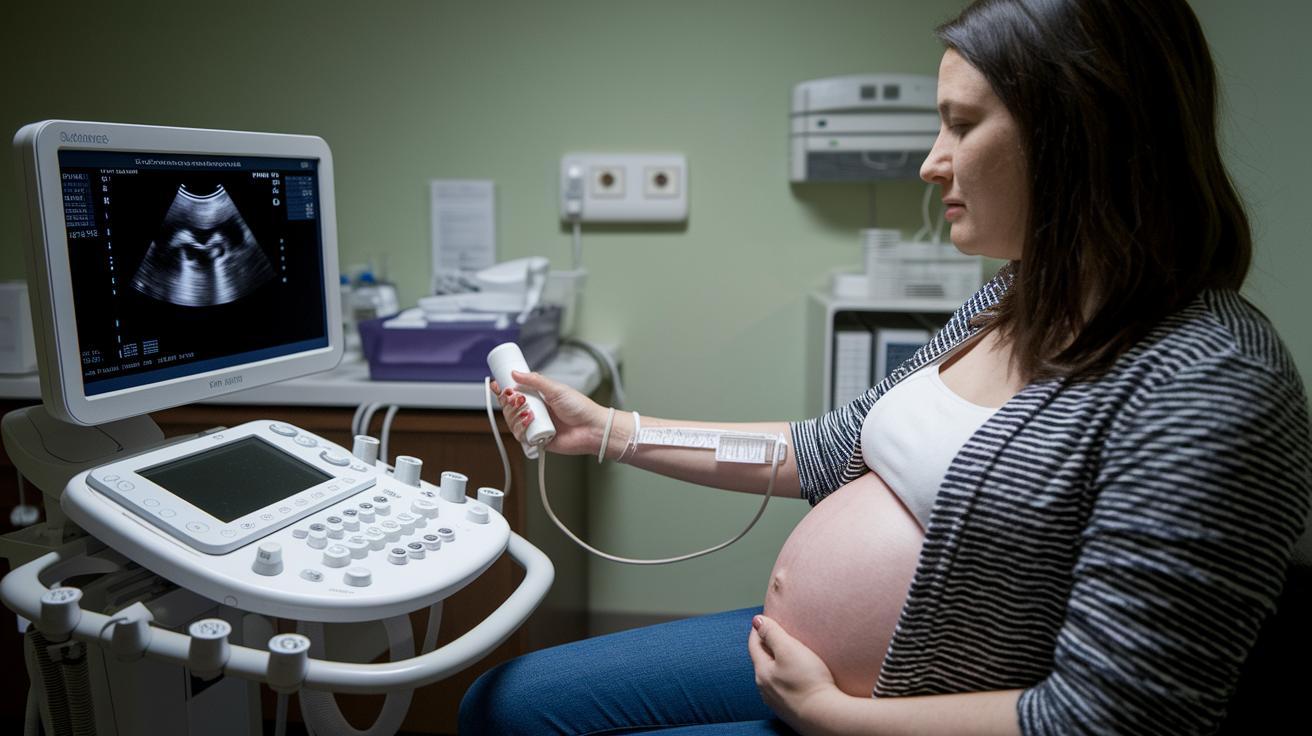
During your second trimester, you'll have a set of tests that include blood work and ultrasounds to check on both your health and your baby's. These screenings usually take place between 15 and 22 weeks. They help your healthcare team spot any signs of chromosomal differences, neural tube issues (problems with the baby's spine or brain), or other conditions early on. Think of it like giving your car a tune-up, making sure everything is working smoothly so you can avoid surprises later.
The blood tests, such as maternal serum screening, look at specific proteins and hormones to estimate risks for things like Down syndrome and neural tube defects. There’s also a test called PreTRM, done between 18 and 20 weeks, which checks protein levels to see if there might be a chance of an early delivery. Remember, an abnormal result isn’t a definite diagnosis; it just means your doctor might recommend more detailed tests, like amniocentesis, to get a clearer picture.
Ultrasounds are another important part of the screening. During the mid-pregnancy anatomy scan, usually done between 18 and 22 weeks, the technician will look closely at your baby's brain, spine, heart, and limbs to make sure everything is developing properly. This visual check works hand in hand with the blood tests to give you both a detailed and reassuring overview of your baby’s health.
If any test results cause concern, you might be advised to speak with a prenatal genetic counselor. These experts help you understand the risk scores and discuss any additional tests that might be needed. It’s like having a caring guide to help navigate the next steps.
Imagine receiving a test result that acts like a friendly traffic light, signaling you to slow down and check in. It’s not a sign of a problem but an opportunity to take proactive steps for a safe, healthy pregnancy.
Understanding Maternal Serum Screening in Second Trimester Prenatal Screening

Maternal serum screening usually happens between 15 and 20 weeks of pregnancy. Your doctor checks levels of AFP, hCG, and unconjugated estriol in your blood. High AFP might hint at a neural tube defect, while unusual hCG or estriol levels could mean there’s a higher chance for conditions like trisomy 21 or trisomy 18. Think of the screening panel as a report card, it shows areas that might need a closer look, not a final diagnosis.
For example, if your test shows a high AFP level, your doctor may suggest doing more tests to understand what’s going on. Rh-negative moms get extra screening to check for any signs of Rh incompatibility, which tells us if a shot of Rh immunoglobulin is needed. You can usually expect your results in one or two weeks. If something isn’t normal, a prenatal genetic counselor will sit down with you to explain the numbers and talk about what to do next.
This careful look at your numbers helps set your mind at ease and guides your doctor on the best way to care for you and your baby.
Role of Screening Ultrasound in Second Trimester Prenatal Screening
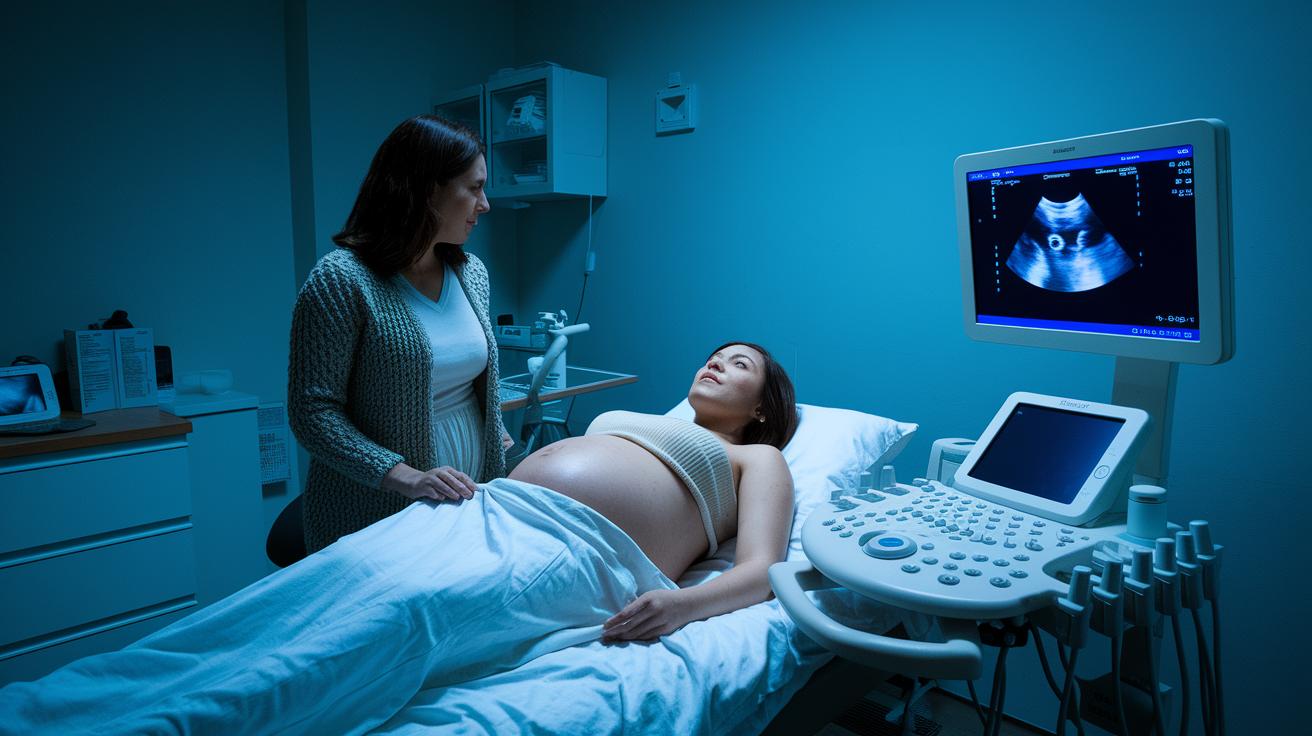
When you're between 18 and 22 weeks pregnant, you’ll have a special ultrasound to see how your baby is growing. This scan gives you a clear view of your little one, letting you see the brain, spine, heart, arms, legs, and tummy organs in action. Imagine catching a tiny detail in the spine that might need extra checking, it's like getting a sneak peek to ensure everything is on track.
Technicians also take some simple measurements to see how fast your baby is growing and check the amniotic fluid (that protective liquid around your baby). These details help your care team know that everything is going well. And if something seems a bit off, your healthcare provider might suggest another scan or test so that any issue is looked at right away.
Genetic Screening Options During Second Trimester Prenatal Screening

Non-invasive prenatal testing (NIPT) is a key part of care during your second trimester. It checks the little bits of fetal DNA in your blood as early as week 10 to screen for extra chromosomes like 21, 18, and 13. Unlike tests that only measure proteins in your blood, NIPT gives a clearer picture with fewer false alarms. Imagine it like wiping away fog from a window so you can see your baby’s health more clearly.
Maternal serum screening still plays an important role, but it only offers a probability, not a definite answer. NIPT, with its extra sensitivity, is often the preferred choice when risks need a closer look. Some advanced versions can even check for issues with sex chromosomes, offering even more insight.
If NIPT shows a higher risk, your healthcare provider will likely suggest follow-up tests like amniocentesis or chorionic villus sampling (CVS). These tests are done to confirm if there really is a chromosomal difference. Alongside these tests, genetic counseling is there to help you understand each step and what the results mean for you.
In the end, genetic screening during the second trimester is all about giving you trusted insights. Each test is a step toward a clearer understanding of both your baby's well-being and your own health.
Key Conditions Identified by Second Trimester Prenatal Screening

During the second trimester, carrier screening panels check for genetic conditions like cystic fibrosis and other recessive illnesses. For example, a lab report might give you a small clue about cystic fibrosis risk, like a gentle hint that more detailed genetic information is ready to be explored.
Your blood tests during this time also offer important clues for your health. They can show signs of gestational diabetes, anemia, or thyroid issues. If your blood sugar level is a bit higher than normal, it’s an early alert that extra care might be needed to keep gestational diabetes in check.
The screening even takes a closer look at your risk for chromosomal issues. By using several biomarkers, it creates a more detailed picture than a single test could offer. In short, the results from different markers can work together to give you a clearer overall risk score.
| Condition | Screening Indicator | Description |
|---|---|---|
| Cystic Fibrosis | Genetic panels | Identifies risk for recessive disorders |
| Gestational Diabetes | Blood sugar levels | Signals need for closer blood sugar monitoring |
| Anemia/Thyroid Dysfunction | Blood tests | Detects alterations in key blood markers |
| Aneuploidy Risk Analysis | Multiple serological markers | Provides a refined risk score for chromosomal anomalies |
Accuracy, Limitations, and Follow-Up in Second Trimester Prenatal Screening

Screening tests in the second trimester give you a probability score rather than a definite answer. They’re more like an early hint that more tests might be needed, not a final diagnosis. Factors such as slightly off due dates, maternal obesity, or carrying more than one baby can sometimes lead to results that seem higher risk than they truly are. For example, while the quad screen might sometimes show a higher risk, non-invasive prenatal testing usually has fewer false alarms.
If either the blood screening or the ultrasound shows something unusual, your doctor might suggest follow-up tests like amniocentesis or chorionic villus sampling. These tests dig deeper into your baby’s genetic details, helping to confirm or rule out any concerns and give you a clearer picture.
Throughout this process, genetic counseling is there for you both before and after the tests. Think of it as having a caring guide by your side, explaining what each result means and discussing the next steps in a way that's easy to understand. It’s like a friendly chat about your baby's care during such an important time.
Remember, these screenings are just one step along the way. They provide clues that help you and your healthcare team decide if further checks are needed, ensuring you feel supported and informed every step of the way.
Scheduling and Preparation for Second Trimester Prenatal Screening

Most mothers have their blood tests between 15 and 20 weeks, while the detailed scan is done between 18 and 22 weeks. The PreTRM test, which helps spot risks for preterm birth, is scheduled between 18 and 20 weeks. It’s really important to get your pregnancy dates right, think of it like setting your clock for a special event. If your dates are off, the test might not be as trustworthy.
Good news is you don’t need to fast for most of these tests, which makes things a little easier. It can also be really helpful to have a pre-test chat with your healthcare provider. This talk will cover the benefits and limits of each test and explain what might happen next if there’s anything unusual. Once you’ve had your tests, you can usually expect the results in one to two weeks, and if anything seems off, you’ll get a chance to talk more with a prenatal genetic counselor.
Final Words
In the action, you’ve seen how tests like the maternal serum screening, ultrasound, and genetic counseling work together to check on both mom and baby. We covered what these tests examine and the next steps if something unexpected shows up. Understanding this process makes the whole experience a bit less overwhelming, giving you a clearer path forward in your care. Embracing second trimester prenatal screening can bring comfort and practical guidance as you continue this special time with confidence.
FAQ
Q: What does a 2nd trimester screening test for?
A: The second trimester screening assesses risks for chromosomal conditions such as Down syndrome and checks for neural tube defects by evaluating blood markers and ultrasound findings.
Q: How does second trimester screening differ from NIPT?
A: The second trimester screening uses blood tests and ultrasounds to estimate risks, while NIPT analyzes fetal DNA from your blood for a more sensitive and accurate screening.
Q: What blood tests are done during the 2nd trimester?
A: The blood tests measure proteins like AFP, hCG, and estriol, which help estimate the risk of neural tube defects and chromosomal abnormalities based on your pregnancy’s progress.
Q: What do normal values mean in second trimester screening?
A: Normal values mean that the levels of blood markers match expected ranges for your gestational age, suggesting a lower risk of certain chromosomal and neural tube issues.
Q: What can I expect during the second trimester ultrasound scan?
A: The ultrasound scan clearly visualizes your baby’s organs, brain, spine, and limbs to check for structural anomalies and ensure healthy development during the detailed anatomy evaluation.
Q: When is second trimester screening performed and how should I prepare?
A: The screening is usually done between 15–20 weeks with the anatomy scan between 18–22 weeks. Preparation involves accurate dating and a pre-test session, with no fasting required.
Q: What happens at a second trimester prenatal visit?
A: At this visit, you’ll have blood tests and an anatomy ultrasound, and you’ll discuss the results and any necessary follow-up steps with your healthcare provider for your prenatal care.
Q: What is the 5-month pregnancy test called?
A: The test performed around 5 months is part of the second trimester screening, combining comprehensive blood tests and an anatomy ultrasound to assess fetal health and development.