
Have you ever noticed that when your baby comes home, sleep just seems to vanish? Many new parents find it surprising that a few small changes can make a big difference. Today, let’s chat about how you can share the night shifts with your partner, sneak in a refreshing nap, and set up a calming bedtime routine for both you and your little one. Imagine a night where you both rest easier, just a few adjustments can help make that a reality. Let's explore these simple tips together, so your nights feel a bit lighter and your days a bit brighter.
Core Strategies for Postpartum Sleep Support: Bright Nights
One way to help everyone get better rest is to stick to a regular sleep schedule using proven tips. You might try having one partner take charge from 10 p.m. to 2 a.m., and the other from 2 a.m. to 6 a.m. That way, each of you can enjoy about four solid hours of sleep. Imagine getting a full block of sleep that lets you flow through the sleep stages without interruption. It’s a small change that can really help your recovery.
Another friendly tip is to take naps when your baby naps, even if it’s just a quick 20–30 minute break. Those short naps can really add up over time. One mom once said, “That 20-minute nap felt like a mini reset that got me through the next feeding.” Simple rest breaks like these can work wonders for your overall recovery, as you can see in more tips on postpartum care at womensconference.org.
Another idea is to pump during the day. When one partner handles at least one bottle feed, it gives the breastfeeding mom a chance to catch some extra sleep. And if you’re lying awake for more than 20 minutes, try getting up for a quiet activity like reading or a bit of stretching. This helps keep your bed a place for sleep, avoiding any negative sleep habits.
Using these gentle strategies can help create a caring space where both you and your baby can enjoy more peaceful nights.
Aligning Infant Slumber Patterns with Maternal Rest
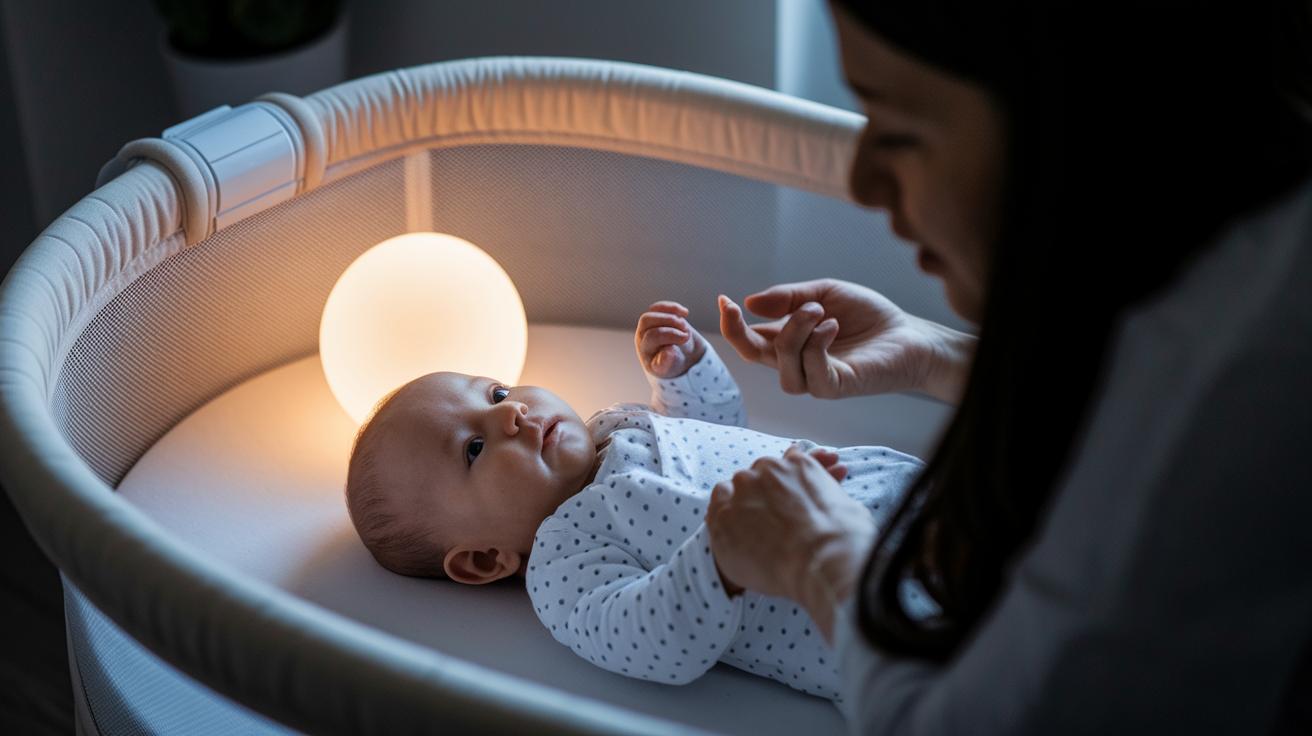
Creating a calming bedtime routine can make a world of difference for both you and your baby. Try starting with a warm bath, a gentle massage, and a soft lullaby to let your little one know it’s time to wind down. It’s a simple, loving routine that can help guide your baby into a deeper, more peaceful sleep.
When it comes to nighttime feeds or diaper changes, consider using ultra-dim lighting. Keeping a night-light or a softly lit hallway can help both of you stay relaxed without getting overly awake. Picture the soft glow gently keeping the night calm so that everyone remains in a comfortable, drowsy state.
Choosing between room-sharing and having a separate nursery can also impact sleep quality. A bedside bassinet, for example, offers that close feeling of security for your baby. But if you find that a separate space helps you sleep more soundly without frequent awakenings, that might be a better option for your family.
It might be helpful to slowly adjust feed times by about 15 minutes every couple of nights. These tiny shifts can gradually extend sleep stretches, giving both you and your baby a chance to enjoy a longer, uninterrupted rest. Sometimes, even a small change can mean a big improvement for both of you.
Optimizing the Postpartum Sleep Environment
When you're ready to create a cozy space for sleep, think of it like setting up a snug room just for you and your baby. Adjust the temperature so it's between 68°F and 72°F, perfect for everyone to relax and fall asleep easier.
A gentle sound in the background can be like a soft hug at night. Try using a white-noise machine or a soothing lullaby app to help cover up those unexpected household sounds. It’s like having nature’s own lullaby guiding you into a calm sleep.
Another neat tip is to use blackout curtains or even a comfy eye mask. This helps set your body’s clock to night mode, making it easier to unwind. A warm-light bulb or a salt lamp can add that extra touch of calm when you’re getting ready for bed. And don’t forget, switching off screens at least 30 minutes before bed can really help your body relax.
Sometimes, a few simple tweaks can make a big difference in how peaceful your nights feel.
Maternal Self-Care and Stress-Reduction Techniques

Before bed, try taking 5 to 10 minutes for deep belly breathing or a guided muscle relaxation session. This simple routine tells your body it’s time to unwind. Imagine closing your eyes, taking slow, deep breaths, and feeling the tension of the day gently fade away.
If your mind is buzzing, jot down your worries or even record a quick voice memo before sleep. One mom mentioned that writing down just a few thoughts helped clear her head and made it easier to drift off. Research even shows that putting your worries on paper can cut the time it takes to fall asleep by about 20%.
You might also try a short guided meditation or add a drop of lavender oil for a bit of aromatherapy. A few mindful moments can really help settle nighttime anxiety. And let’s be honest, many new moms face mood and anxiety challenges, so taking this time for yourself is a wonderful way to care for your own well-being.
For more ideas on building a peaceful routine, check out maternal self-care tips for busy moms at https://womensconference.org?p=10988. These simple practices can add a touch of calm to your evening and help set the stage for a truly restorative sleep.
Partner Collaboration and Shared Nighttime Responsibilities
Sharing nighttime duties means both of you get more and better sleep. One simple idea is to split up the tasks clearly. For example, one of you might handle baby feeding and diaper changes while the other catches a quick nap. Setting up a cozy feed area in advance, with pre-warmed bottles, clean pump parts ready, and a diaper caddy nearby, can really cut down on stress and make the changeover smoother. A quiet handoff works wonders; a gentle text or soft whisper can let your partner know it's time to swap without fully waking both of you. This kind of teamwork creates a warm, shared rhythm that feels like a family lullaby.
Talking about what works is key, too. Try setting aside a little time each week to discuss how your nighttime routine is working and tweak the plan if needed. Even small changes, like sometimes swapping roles on extra challenging nights, can offer a refreshing break and boost everyone's energy. When you plan things clearly and use gentle signals, you'll both enjoy more peaceful, uninterrupted sleep and a happier, more balanced family life.
When to Seek Professional Support for Sleep Challenges

If your baby's sleep stays unpredictable after about 4–6 weeks, it might be time to reach out to a pediatrician or a sleep consultant. Sometimes, even after trying different ideas, those night-time wake-ups just won't settle down. A fresh set of eyes can help spot something you might have missed.
If you've been struggling with sleepless nights for over three months, it’s a good idea to talk with your doctor about how you're feeling. It could be more than just a bad night here or there, sometimes underlying issues like postpartum depression or anxiety might be at play. Catching these challenges early can open the door to better, more focused help.
And if those feeding times are keeping you up at night, consider a lactation consultation. Even a small change to feeding schedules can mean more rest for both you and your baby. Plus, options like postpartum doulas or sleep coaches offer personalized plans that help create nights filled with more calm and better sleep for the whole family.
Final Words
In the action, we explored core strategies for postpartum sleep support through simple, clear practices. We looked at setting a calming sleep environment, crafting healthy rest frameworks, and using evidence‐based sleep techniques for both mom and baby. We shared tips on encouraging partner collaboration, engaging in maternal self-care, and using postpartum rest techniques like designated sleep blocks and relaxing bedtime routines. Embracing these parental sleep enhancement ideas can lead to better nights and brighter days. The shared guidance and practical advice highlight real, effective steps for better sleep and well-being.
FAQ
Q: What is treatment for postpartum insomnia?
A: The treatment for postpartum insomnia includes scheduling naps when the baby sleeps, creating a sleep-friendly environment with dim lighting and white noise, and sharing nighttime responsibilities with a partner.
Q: How long does postpartum insomnia last?
A: The duration of postpartum insomnia can vary; many moms face sleep challenges for weeks to months, and some may experience it for up to a year if stress or anxiety continues.
Q: How do moms on Reddit describe postpartum insomnia?
A: On Reddit, moms often describe postpartum insomnia as a common struggle and share tips like napping when the baby naps, establishing bedtime rituals, and sharing nighttime duties to manage sleep loss.
Q: How should a new mom position herself for sleep postpartum?
A: Postpartum sleep positions often involve resting on the side with supportive pillows and gentle stretching, which can help ease discomfort and promote a more restful sleep.
Q: What should be done if postpartum insomnia lasts four months?
A: If postpartum insomnia persists for four months, rethinking sleep routines, consulting healthcare professionals, and trying calming pre-bed practices can help improve sleep quality.
Q: What are common symptoms of postpartum sleep deprivation?
A: Common signs of postpartum sleep deprivation include feeling very tired, having trouble focusing, mood swings, and irritability, which signal the need for more rest and self-care.
Q: What does postpartum insomnia look like after one year?
A: Postpartum insomnia after one year may appear as ongoing difficulty falling or staying asleep, which might suggest underlying stress or anxiety and could benefit from professional advice.
Q: What sleep aid works postpartum?
A: Postpartum sleep aid may include natural methods such as taking a warm bath, using white noise machines, and practicing guided relaxation or meditation to calm the mind before sleep.
Q: What will help me sleep postpartum?
A: Effective ways to sleep postpartum include taking naps when the baby naps, sharing nighttime duties with a partner, and setting up a calm, dark sleeping space to encourage longer, restorative sleep.
Q: What is the 5-5-5 rule postpartum?
A: The 5-5-5 rule postpartum is a guideline where a mom spends five minutes doing deep breathing, observes five brief self-care activities, and takes five minutes to relax before sleep.
Q: How many hours of sleep should a postpartum mom get?
A: A postpartum mom should aim for about seven to eight hours of sleep each night, with additional short naps to help meet her body’s need for restorative rest.
Q: How do new moms handle sleep deprivation?
A: New moms often handle sleep deprivation by napping when the baby naps, sharing nighttime responsibilities with their partner, and using relaxation techniques like deep breathing to ease tiredness.