Ever feel like you're carrying a weight around all day? Sometimes, stress makes simple tasks feel extra hard, almost like your body and mind are all tangled up. Imagine if a few small, gentle habits could ease that tension and bring a bit more calm into your day. Today, we're sharing easy stress management tips to help you trade worry for focus and discover peaceful moments. You might be surprised how simply changing the way you speak to yourself can make a real difference.
Essential Stress Management Skills for Daily Coping

Sometimes stress shows up as a mix of physical, mental, and emotional tension when life throws challenges our way. Our bodies are built to react when we feel pressure, so when that familiar rush hits, pause for a moment. Take a deep breath and remind yourself, "I’m calm and in control, I’ve got this!" That little shift in how you talk to yourself can make all the difference.
When we learn to change our inner dialogue, we start to turn tough moments into something more manageable. For example, if you catch yourself thinking, "I’m so stupid," try swapping that thought for, "I can do this." It might feel a bit strange at first, but giving yourself that positive boost can lessen stress almost immediately.
Another gentle way to ease stress is by sharing your feelings with a friend or family member you trust. Instead of carrying a heavy load on your own, imagine telling someone, "I feel overwhelmed right now and need a minute to collect my thoughts." It’s a simple step that shows you value your feelings and helps release some of that tension.
In truth, building healthy stress habits takes a little practice each day. Whether it’s taking a quiet minute for deep breathing or having a brief chat with someone who makes you smile, every small step adds up. With each positive change, you build the strength to handle whatever comes your way, leading you toward a more centered and peaceful life.
Adaptive Stress Reduction Methods to Ease Daily Tension

Sometimes, days can feel really heavy. When that happens, it’s a good idea to try simple ways to ease stress that fit right into your daily routine. For example, spending a quiet moment with a friendly pet, imagine a dog with soft eyes and a warm presence, can help calm you down quickly. It’s a gentle way to feel centered even when life feels chaotic.
Another great idea is to try art or aromatherapy. Ever notice how a little doodle or the scent of your favorite essential oil can lift your mood? These activities let your body relax naturally. You might sit down with a simple craft project or light a diffuser with a soothing scent, creating a little pause that makes your day feel brighter.
Sometimes, a short getaway or a relaxing full-body massage can offer comfort, too. When you step away from your usual stress, it gives your body a chance to reset. And if you mix a few techniques together, like visiting a pet and enjoying a calming scent, you might find even more peace. Try different methods until you discover what works best for you, turning daily tension into small moments of calm and focus.
stress management skills: Embrace Peace & Focus
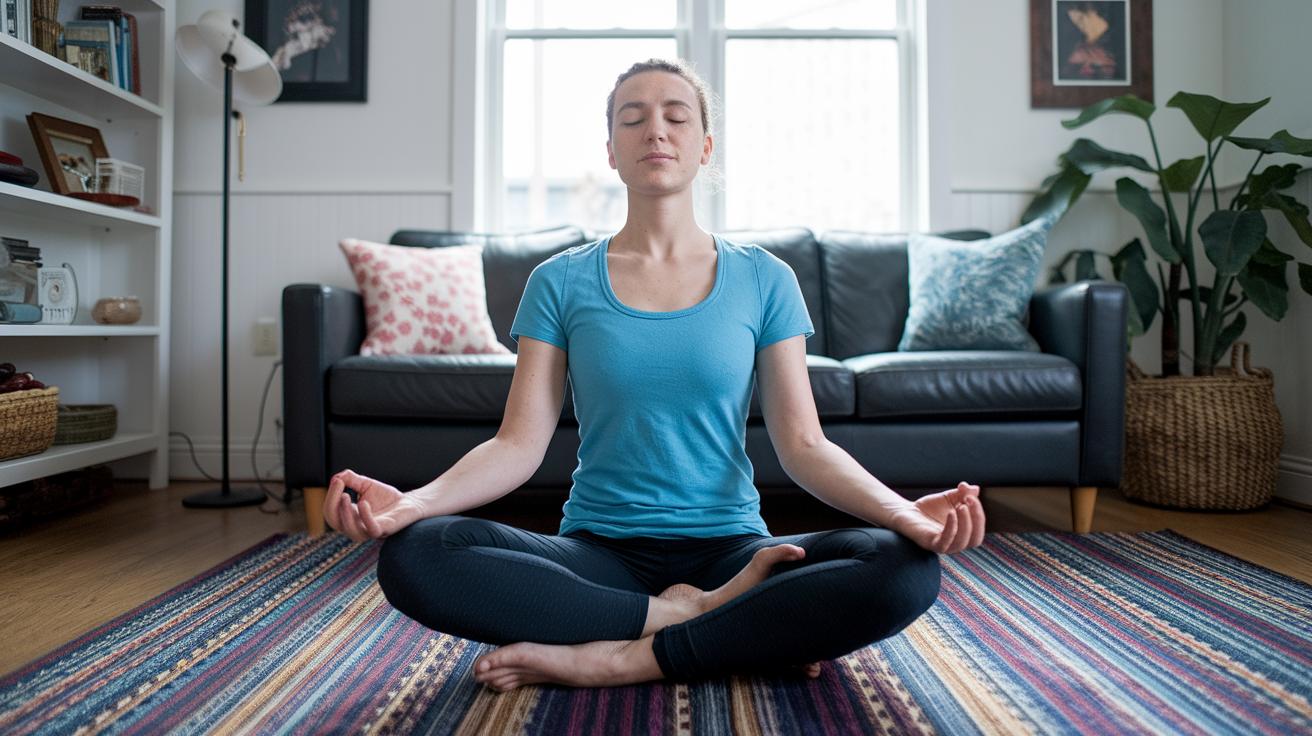
Mindfulness meditation helps you settle into the moment, lowering stress hormones (cortisol) and easing tension in your body and mind. It shifts your focus away from racing thoughts so you can find calm even on hectic days. For example, try the 4-7-8 breathing exercise: breathe in slowly for 4 seconds, hold your breath for 7 seconds, and then exhale gently for 8 seconds. Picture yourself counting softly: “1, 2, 3, 4 – hold… 1, 2, 3, 4, 5, 6, 7 – now exhale,” and feel that wave of relaxation spread over you.
There are several easy mindfulness techniques you can use right away. Here are some practical ideas:
- 4-7-8 breathing to help calm your nerves
- Guided visualization to untie mental knots
- Body scan meditation to spot and relax tight spots in your body
- Walking meditation where you pay attention to each step
- Yoga or tai chi that combine gentle movement and deep breathing
- Prayer or a quiet spiritual moment to nurture inner calm
- Mindful eating to keep you present while enjoying a meal
Deep, steady breathing signals your body to slow down by activating the part of your nervous system that brings calm. When stress starts to build, try one or two of these practices for a few minutes in the present moment. Small mindful breaks like these can set the stage for a quieter, more balanced day.
Emotional Regulation Tactics for Stress Resilience

When you feel that trigger, try pausing for a moment before you react. It’s a simple step that can really help you keep your cool. Imagine being startled by an unexpected comment and taking a deep breath before responding, that small pause can make a big difference, letting you choose a calm reply instead of letting stress take over.
Journaling is another friendly strategy that might work wonders for you. By writing down your thoughts, you might notice patterns in what stresses you out and learn a lot about how you handle your feelings. For instance, you could jot down something like, "Today, I got overwhelmed when plans changed, but I calmed down by taking a few deep breaths." It sounds simple, but these little notes can help build awareness and strengthen your resilience.
There are tiny challenges you can embrace each day, too. Ever tried a quick dip of cold water on your face? It may sound odd, but these small actions gently train your body and mind to handle stress better over time. And don’t forget about practicing assertiveness. When you calmly state what you need, it stops tension from building up and shifts your focus toward respectful communication.
Lastly, consider giving progressive muscle relaxation a try. This involves tensing and then relaxing different muscle groups, one at a time. It not only eases built-up tension but also helps you build stronger self-control for those unexpected moments life throws at you.
Self-Care Routines and Holistic Coping Mechanisms for Stress Relief
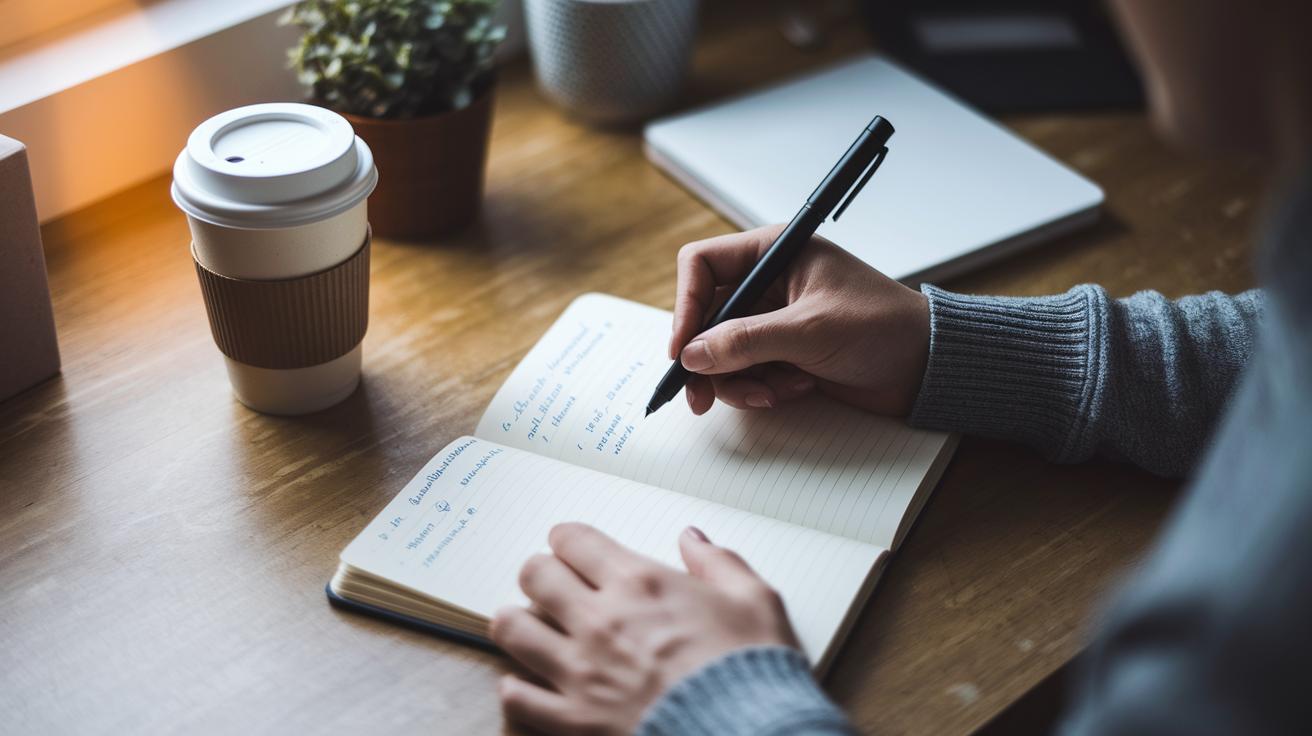
Start by keeping a daily mood log to spot any stress patterns over time. For example, you might write, "This morning felt off, but a quick walk at noon lifted my mood." This simple log can help you see how your sleep, meals, or even water breaks connect with your feelings, so you know what changes might lead to a calmer day.
Mix in good sleep, healthy meals, and enough water with little mindful pauses, like a short art or music break. Try writing down if a good night's rest or a filling meal makes you feel stronger. Maybe note, "After a hearty dinner and a full night's sleep, my stress really dropped."
Also, use your log to track how small breaks work for you. Write something like, "A 10-minute walk in nature refreshed my mind during a busy day." It's amazing how these tiny moments add up over time.
Stress-Reducing Time Management and Work-Life Balance Strategies
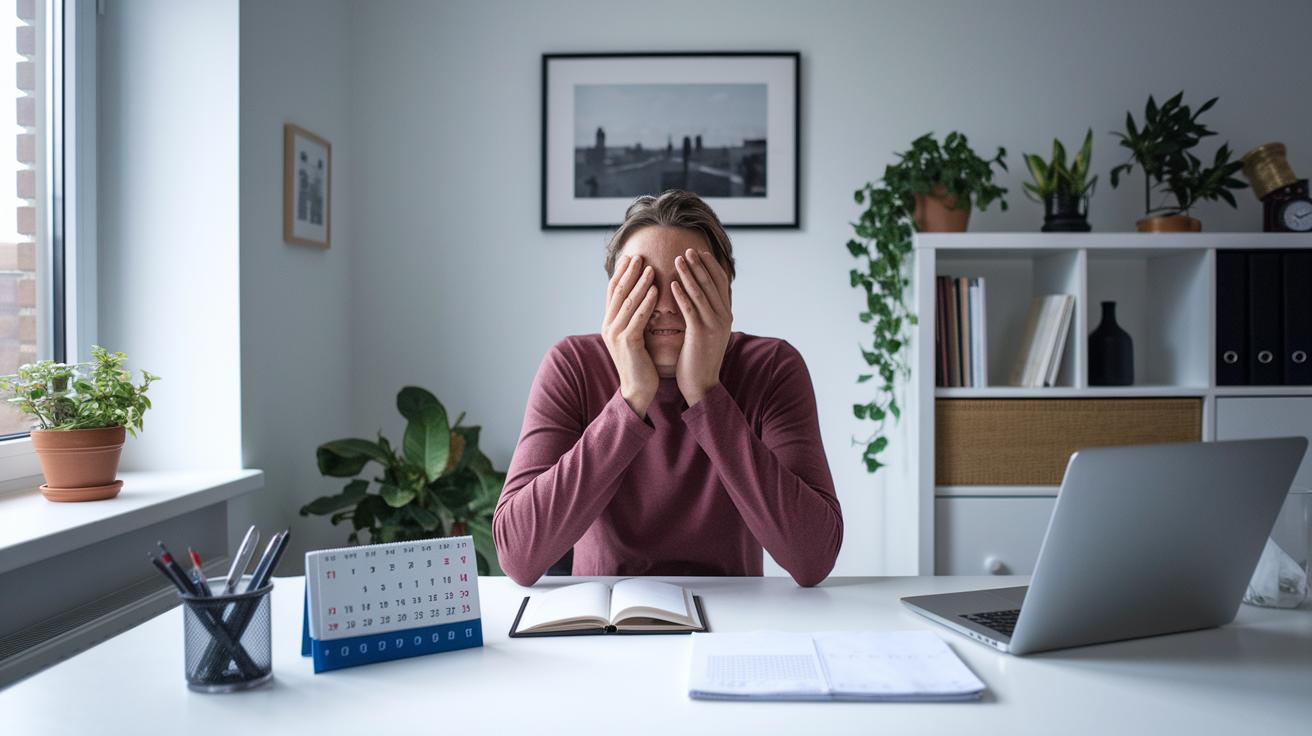
Managing daily tasks can sometimes feel like too much. You might try simple time management tricks like time-blocking apps, which help you set clear work periods and avoid endless decision making. Taking regular breaks is also a great way to support your stress relief and bring a sense of calm.
Letting others help with tasks and setting firm start and stop times are really effective ways to balance work and home. These habits keep work separate from your personal time and help lower anxiety by giving you a steady routine.
Try creating a shutdown routine, like an end-of-day checklist, to let your brain know it’s time to unwind. This small gesture builds clear boundaries and gets you ready for a peaceful evening.
The table below shows different methods to help you get started:
| Technique | Action | Benefit |
|---|---|---|
| Time-Blocking | Assign set hours to tasks | Enhanced focus |
| Priority Matrix | Rank tasks by urgency | Less overwhelm |
| Shutdown Ritual | End-of-day checklist | Clear separation |
| Weekly Review | Plan upcoming week | Proactive readiness |
When you blend these work-life balance tips with easy-to-use tools, you boost your daily time management for wellness. Regular check-ins or a daily mental wellness routine help you keep progressing steadily. Creating a balanced schedule with clear boundaries not only cuts down stress but also fills your day with a relaxed calm. Truly.
Cognitive Behavioral Approaches and Positive Thinking Techniques for Stress Management

Imagine CBT as a gentle helper that spots those pesky negative thoughts and turns them into kind, useful ones. When you start thinking, "I can’t handle this," try saying, "I can do this." It might feel small at first, but it can really boost your confidence and help ease your worries.
One really useful trick is keeping a thought journal. When you're facing a tough moment, grab a pen and jot down the quick thoughts that pop into your head. Then, note how strong your feelings are and rewrite the thought in a friendlier way. For instance, you might write, "Today was hard when plans changed. But I can adjust and find a way forward." These little notes help you learn your patterns and slowly build a more positive outlook.
Daily affirmations are another great idea. Think about starting your day by reminding yourself, "I am capable and ready for what comes." Or whisper, "I choose peace over worry," to set a calm tone for your day. These short phrases can make a big difference in keeping you positive.
Another tip is to spend a few quiet minutes doing mental rehearsal. Picture yourself succeeding at a task or handling a stressful situation with ease. This little exercise can prepare your mind to face challenges with a positive spin.
Using these techniques a little bit at a time can help you build a toolkit for managing stress. Give one a try each day and notice how shifting your inner dialogue leads to calmer, clearer thoughts.
Final Words
In the action of managing daily challenges, this article has shown simple ways to build stress management skills that work in everyday life. We explored techniques like mindful breathing, art therapy, and journaling to reshape negative thoughts. Positive methods such as pet visits and clear work-life boundaries also boost calm and balance. These tips, based on trusted sources, remind us that small everyday changes make a big difference. Remember: trying out one new approach could brighten your day and help you feel more confident and at peace.
FAQ
What is stress management?
Stress management means using practical skills to keep your mind and body calm when challenges arise. It involves techniques that help you stay composed and feel more in control.
What are examples of stress management skills?
Examples of stress management skills include deep breathing, mindfulness, journaling, assertive communication, and regular exercise. These skills help you reduce stress and build resilience in everyday life.
How can I manage stress in life?
Managing stress in life is about balancing tasks, taking breaks, and practicing self-care. It means applying practical techniques like time blocking, mindful breathing, and connecting with loved ones.
How can I relieve stress quickly?
Relieving stress quickly can be done with fast techniques like deep breathing exercises, a short walk, or even a quick meditation session. These simple steps help calm your mind right away.
What stress management tools can help cope with daily pressure?
Stress management tools range from mobile apps for mindfulness and time scheduling to simple practices like journaling and short relaxation breaks. They help create routines that ease daily pressure.
What are the five stress management techniques?
The five stress management techniques often include mindfulness meditation, deep breathing, physical activity, positive self-talk, and time management. These methods help lower stress and boost well-being.
What are the 5 C’s of stress management?
The 5 C’s of stress management can refer to concepts like Calm, Control, Confidence, Commitment, and Challenge. These ideas encourage a positive mindset to handle stressful moments effectively.
What are the 5 R’s of stress management?
The 5 R’s of stress management usually include Recognize, Reframe, Relax, Refocus, and Rejuvenate. This approach helps you swiftly shift focus and regain balance when stress builds up.