Are you feeling overwhelmed by stress? You’re not alone. Many of us feel anxious and wonder if relief is within reach. Sometimes, simple actions like taking a slow, deep breath or moving gently can bring a little hope, even on hard days.
Studies show that mixing a few everyday methods, like easing your muscles, spending a few minutes in quiet meditation, or jotting down your thoughts, can help bring a sense of calm back to your day. This guide is filled with real ideas designed to help you ease stress quickly and create a plan to keep anxiety in check.
Let’s dive in and explore these steps together. Who knows? A small change might be just what you need to find the balance you truly deserve.
Top Evidence-Based Stress Management Techniques to Ease Anxiety
When you're overwhelmed by stress, it can lead to problems like anxiety, depression, high blood pressure, a weak immune system, or even burnout. The good news is that proven techniques can help ease your anxiety and boost your overall health. Research shows that small changes to your lifestyle and a few mindful practices can quickly lessen the harmful side effects of stress.
Using these tried-and-true methods gives you fast relief and helps keep your mind healthy for the long run. Techniques like taking deep breaths and doing aerobic exercise can calm you in a pinch, while practices like progressive muscle relaxation and mindfulness work to soothe anxiety right where it starts.
- Deep breathing exercises
- Progressive muscle relaxation
- Guided imagery meditation
- Brief meditation sessions
- Aerobic exercise
- Restorative yoga practice
- Journaling for self-awareness
- Setting healthy boundaries
Mixing a few different approaches lets you build a calm plan that fits right into your everyday life. Even if one method feels easier than others, slowly adding a variety of practices can spark hope and help you feel more in control of your anxiety. By combining quick relief techniques with regular self-care, you create a space where stress doesn’t have the chance to take over your body or your feelings. This blend of easy calming methods and steady lifestyle changes gives you a strong foundation to fight anxiety and bring balance back to your day.
Deep Breathing and Progressive Muscle Relaxation Practices for Anxiety

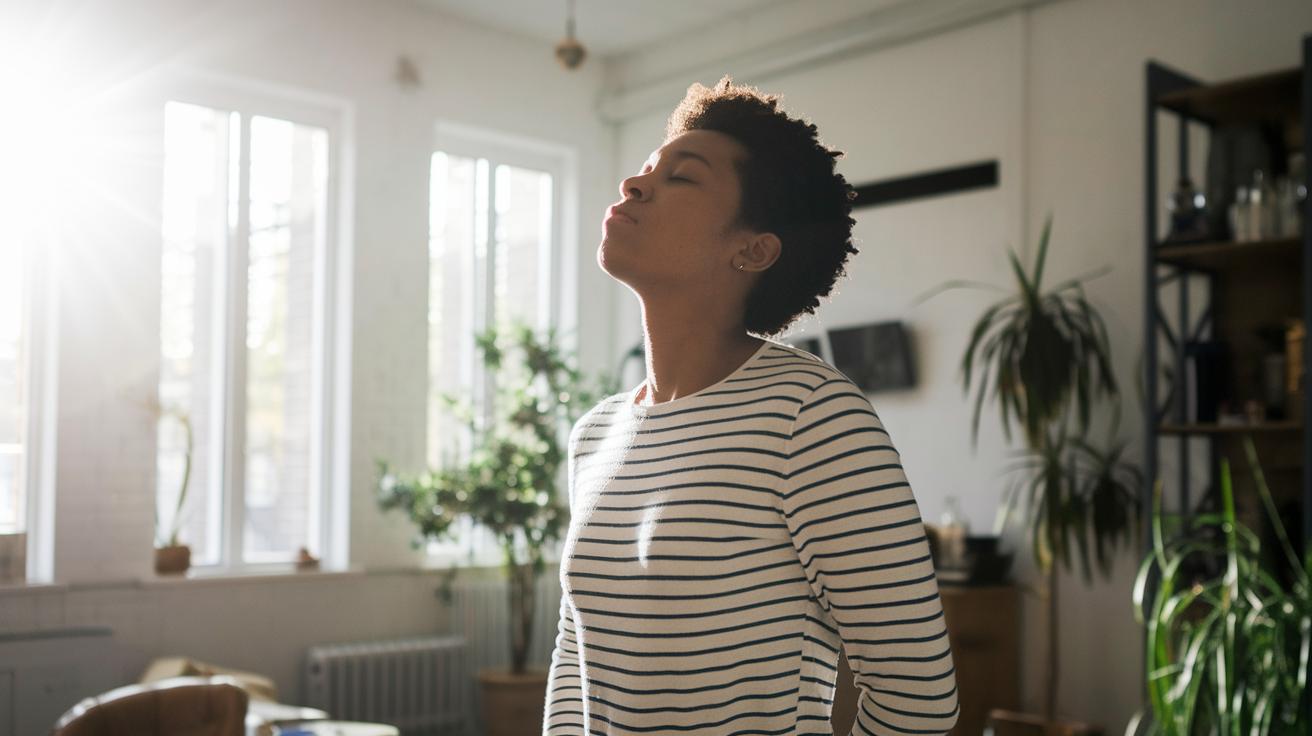
When you’re feeling anxious, taking a few mindful moments to focus on your breath and relax your muscles can work wonders. Deep breathing helps tell your body to slow down, and easing muscle tension gently dissolves stress. Experts and many friends in our community agree that these simple practices can really lower stress levels.
-
Deep Breathing Steps
- Sit comfortably with your back straight.
- Breathe in slowly through your nose, filling your lungs with calm air.
- Hold that breath for a count of three (letting the oxygen do its magic).
- Now, exhale slowly through your mouth and feel the tension melt away.
-
Progressive Muscle Relaxation Steps
- Start by gently tensing the muscles in your toes for a few seconds.
- Next, move to your leg muscles, squeezing them briefly before letting go.
- Tighten your tummy muscles to notice the tension building, then relax.
- Clench your hand and forearm, then allow the tightness to fade.
- Squeeze your shoulders gently, and then let them drop as the tension releases.
- Lastly, tense your jaw muscles for a moment and then relax to feel the difference.
Even spending just five to ten minutes each day on these practices can quickly bring calm and boost your confidence to manage stress. Have you ever felt a little more at ease just by taking a deep, mindful breath?
Mindful Stress Reduction Through Meditation and Guided Imagery

Taking a little time each day to practice mindfulness can really help ease your worries and build up a sense of hope. Even a few minutes of meditation or guided imagery invites a calm, quiet space where your mind can breathe and reset. These gentle techniques can become a powerful way to lower anxiety and bring a soothing sense of balance.
Brief Meditation Sessions
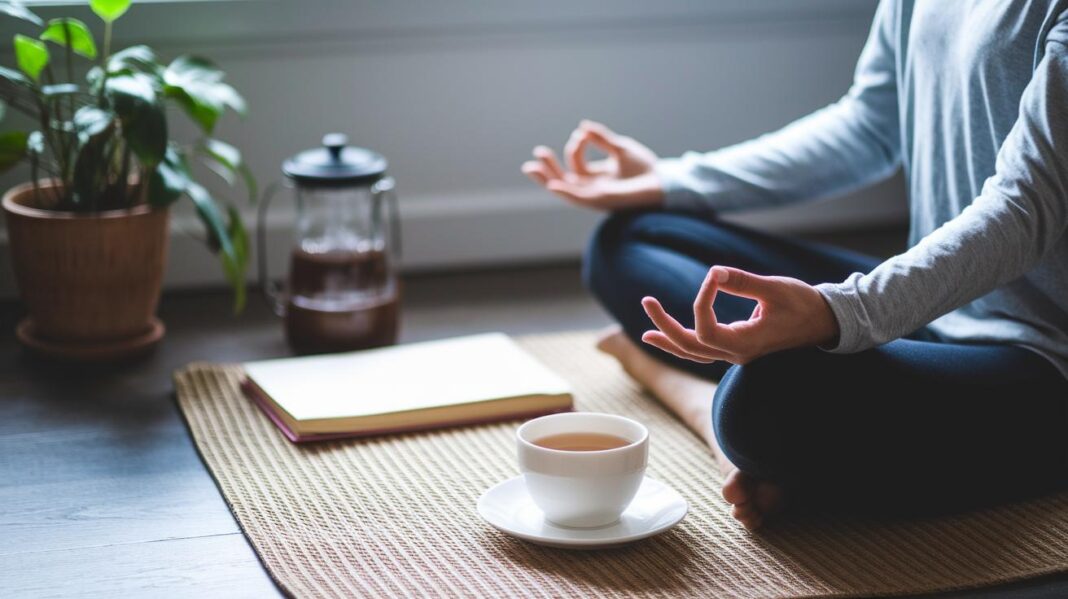
Try setting aside just five minutes each day for a quiet moment. Find a cozy spot, close your eyes, and focus on your breathing. You might even repeat a simple word like "peace" to help steady your thoughts. Over time, this small daily routine can help quiet your mind and nurture a calm inner strength.
Guided Imagery Meditation
Consider trying a guided imagery exercise called “Leaves on a Stream.” Picture each thought as a little leaf floating gently down a stream, drifting away with the current. If you need a bit of extra help, there are plenty of mental wellness apps available that guide you through calming, visual meditations. This exercise can help you let go of tension and invite clear, fresh thoughts.
Body Scan Mindful Awareness Drill
Start by noticing sensations in your feet and move slowly upward. As you check in with your legs, waist, chest, and head, take a moment to relax each area. This simple body scan helps you see where you might be holding stress and teaches you to treat your body with kindness and care.
Mixing these mindful practices into your daily routine can become a gentle source of comfort and help ease anxiety, making each day a bit lighter and more hopeful.
Movement and Tension Release Workouts to Reduce Anxiety

Moving your body often can really help lower stress and ease anxious feelings. A study with college students found that just two aerobic workouts a week can reduce stress and worry. Yoga is well-loved for its calming benefits because it gently eases tension and helps you relax. Even a quick, 10-minute walk in nature can lift your mood and clear your mind.
- Quick 10-minute nature walk
- 20-minute home yoga routine
- 15-minute tension-release stretching series
- Moderate cardio session
- Short guided movement flow
Taking small movement breaks throughout the day helps keep stress hormones in check and makes you feel more balanced. Setting aside a little time for these workouts not only boosts your physical health but lightens the mental load of anxiety. By planning moments to move, you give your body a chance to reset and lower stress levels. Whether you're at home, outside, or in a nearby park, these simple exercises can become part of your daily routine and help keep anxiety at bay.
Lifestyle Adjustments and Self-Care Routines for Sustained Anxiety Control

Having a daily routine can truly help ease anxiety and keep your mind calm. Even small shifts , like choosing healthier foods, cutting down on screen time, or setting limits on work and social activities , make a big difference over time. These little changes support both your body and mind, paving the way for long-term comfort.
| Adjustment | Impact | Recommendation |
|---|---|---|
| Diet | Too many processed foods can boost stress | Opt for whole, healthy meals |
| Screen Time | Can disturb your sleep | Limit use 1–2 hours before bedtime |
| Caffeine | May cause sleep issues | Keep it under 200 mg per day |
| Boundaries | Overcommitting adds stress | Learn to say no when needed |
| Procrastination | Can lead to more worry | Try using timed work sessions, like the Pomodoro method |
| Social Support | Helps create a stress buffer | Plan weekly catch-ups with friends |
Building a peaceful life is all about those small, steady steps. Every time you choose a nourishing meal, give yourself a break from screens, or check in with a friend, you’re strengthening your ability to handle anxiety. Over time, these habits work like a team to push stress into the background, offering a gentle reminder that growth and balance are within reach every day.
Cognitive Anxiety Regulation and Acceptance Commitment Techniques

Sometimes our thoughts spark stress faster than we expect. When we let negative ideas take over, the stress can feel overwhelming. But remember, you don't have to battle every thought. Accepting feelings that are out of your control and focusing on what truly matters can help ease that anxiety and allow you to grow.
One approach is to try ACT exercises. Think about what really matters to you, your core values, and then plan small actions that match those values. It’s a gentle way to shift your energy from fighting inner battles to moving toward meaningful goals.
Another method is using DBT radical acceptance steps. Instead of trying to control every outcome, give yourself permission to let go. Recognizing that some things are simply beyond your grasp can help ease that constant pressure.
You might also find cognitive reframing tools helpful. When you catch yourself in a loop of negative self-talk, pause and ask if there’s another way to see the situation. By gently challenging those unhelpful thoughts, you can shift toward a more balanced and positive view.
If you ever feel stuck, consider reaching out to a professional, or mix these techniques with some physical activity or mindfulness. A little expert guidance paired with everyday exercises can build a strong, well-rounded plan to care for your overall well-being.
Final Words
In the action, we covered a range of tactics, from calming deep breathing and muscle relaxation to mindful meditation and movement exercises, that truly support both body and mind. We looked at healthy lifestyle adjustments and cognitive approaches that gently shift how we handle stress. Trying these stress management techniques for anxiety can help bring a sense of balance and peace to your day. Step forward with hope, trust in these practical ideas, and embrace a calmer, more confident way of living.
FAQ
Q: What are the five stress management techniques?
A: The five stress management techniques often include deep breathing exercises, progressive muscle relaxation, guided imagery, brief meditation sessions, and aerobic activity to help ease anxiety.
Q: How do I relieve stress quickly?
A: The method relieving stress quickly often involves a brief deep breathing practice, a moment of mindfulness, or a short walk that can help lower stress right away.
Q: What are 10 ways to cope with stress and how can I manage stress in life?
A: The ways to cope with stress and manage life include practicing relaxation techniques, scheduling movement breaks, journaling, setting healthy boundaries, using mindfulness drills, and building a supportive routine.
Q: How can a woman relieve stress effectively?
A: The strategy relieving stress for women often centers on self-care routines like gentle yoga, structured relaxation methods, and setting clear boundaries that support mental and emotional balance.
Q: What are effective relaxation techniques and quick relaxation techniques for anxiety?
A: The best relaxation techniques for stress and anxiety include deep breathing, progressive muscle relaxation, guided imagery meditation, brief meditation sessions, and light stretching or movement exercises.
Q: How do I deal with extreme stress and anxiety?
A: The approach dealing with extreme stress and anxiety often combines immediate calming techniques, such as controlled breathing and mindfulness, with longer-term strategies like journaling and support from loved ones.
Q: What is the 3-3-3 rule for managing anxiety and what is the 555 rule for anxiety?
A: The 3-3-3 rule and the 555 rule for anxiety both involve grounding techniques; one uses three elements from sight, sound, and touch while the other uses five elements from each sense to bring focus and reduce anxious feelings.
Q: What are the 5 A’s of stress management?
A: The 5 A’s of stress management refer to a framework that includes Awareness, Assessment, Adjustment, Action, and Aftercare to guide effective and mindful stress handling.