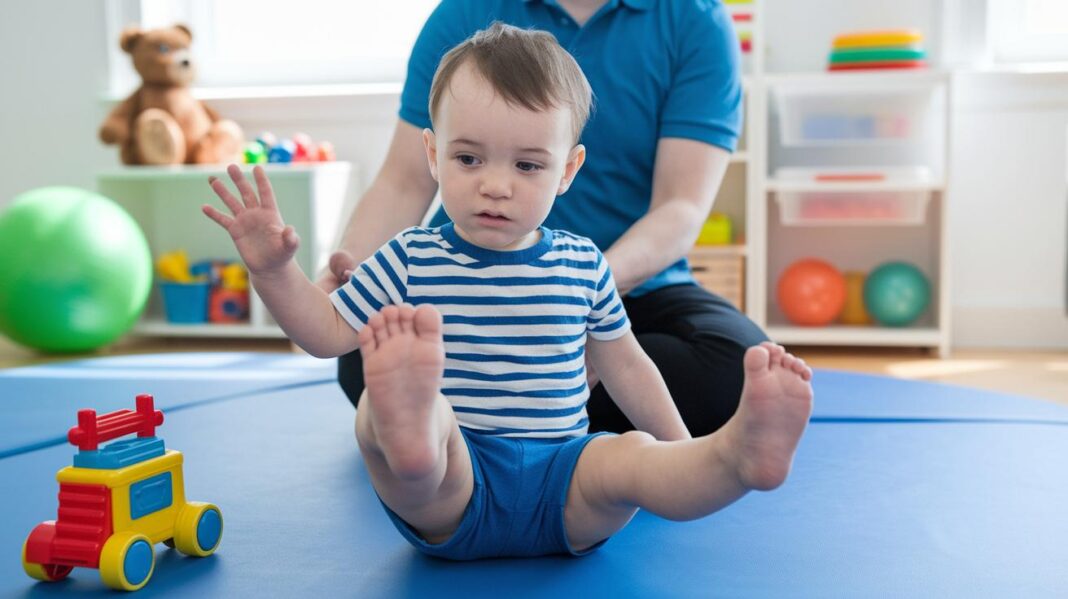
Have you ever noticed how a little change can bring such big benefits? Early help for motor delays can really brighten a child’s world. When little ones under three get gentle support to roll, crawl, and walk, they often make great progress. It’s like giving their little brains a friendly tune-up. This early support builds strong muscles, balance, and confidence for everyday tasks, setting them up for a smoother journey through childhood.
Understanding the Impact of Early Intervention on Motor Development Delays

Early intervention is all about helping little ones who may be having trouble with their movements. This gentle support is for kids under age 3 who need a little extra boost in building skills like rolling, crawling, and walking. It feels a bit like giving a friendly nudge toward more independence in daily life.
Imagine the young brain as a very flexible sponge that’s ready to learn when cared for properly. With the right kind of playful therapy, it can form the right connections for moving smoothly. It's like tuning up a musical instrument that’s still being built. Even small signs of delay can be met with warm, timely help, allowing children to enjoy better coordination and strength as they grow.
Here’s a look at what early intervention can do:
| Benefit | Description |
|---|---|
| Muscle Strength & Tone | Helps build sturdy muscles that support movement |
| Balance & Coordination | Makes everyday activities like crawling or walking feel safer |
| Posture & Range of Motion | Encourages a healthy way to sit, stand, and move |
| Motor Milestones | Supports key steps in growth such as rolling, crawling, and walking |
| Long-Term Independence | Reduces future challenges and builds confidence |
Starting this gentle care before age 3 lays a strong foundation for ongoing development. Quick, thoughtful action can make all the difference, setting your child on a smoother path to everyday independence.
Detecting Motor Development Delays with Screening Assessments

Regular checkups help us notice if a child is having trouble with motor skills. During these visits, simple tests compare a child's progress to common milestones. For instance, if a 9-month-old still can’t sit without support, parents and professionals might spot this early on. Parents fill out checklists while experts watch how the child moves, making it easier to find and address any issues early.
| Tool Name | Target Age Range | Purpose |
|---|---|---|
| Ages and Stages Questionnaires | 0 – 5 years | Assess overall developmental progress |
| Denver Developmental Screening Test II | 0 – 6 years | Detect delays in fine and gross motor skills |
| Peabody Developmental Motor Scales | 0 – 5 years | Evaluate motor skill milestones |
| Bayley Scales of Infant Development | 1 – 42 months | Measure cognitive, motor, and language abilities |
If screenings show a child isn’t meeting motor milestones, extra steps are taken. When a child consistently struggles with skills like balance or coordination, professionals will suggest more tests and a detailed review of their development.
Pediatric Physical Therapy Strategies for Motor Development Delays

Physical therapy can really help little ones improve their movements when they face delays. We use fun, proven exercises that help build strength, coordination, and fine motor skills. Therapists create routines with activities that match each child’s needs. This caring approach not only focuses on big moves like crawling and walking but also includes fun activities for everyday tasks that boost independence.
Building strength is a major part of pediatric physical therapy. Age-appropriate exercises help strengthen the core and leg muscles, which are important for standing, crawling, and walking. For instance, a therapist might lead a playful push-up game on a soft mat, making exercise feel like a fun game of mimic-and-move.
Coordination drills are another key area in therapy sessions. Simple balance exercises, like standing on one foot or walking along a short line, help smooth out movements and lower the chance of falls. Imagine a child practicing a little dance routine, where each step builds confidence and better balance.
Therapy also pays close attention to fine motor skills. Sessions may include activities that improve a child’s ability to grasp small objects and coordinate their hands and eyes. Therapists provide clear, easy routines that families can enjoy together at home. This makes everyday practice a fun way to build on the progress made during clinic sessions.
Multidisciplinary Care Approaches in Motor Delay Intervention

A caring team of experts, like physical and occupational therapists, speech-language pathologists, and pediatric neurologists, come together to create one clear plan for each child. They use simple, trusted tests to check a child's progress and make sure every part of their motor skills gets attention. This child-first approach brings different strengths together to focus on each little challenge.
One of the key ideas is to mix sensory activities with movement tasks. These activities help the child learn to plan and control their movements in a fun but organized way. Each team member shares their unique skills, making sure every activity helps the child move more smoothly and confidently.
When everyone works toward the same goals, the child often makes quick progress. It’s wonderful how clear, steady steps can really change everyday life. Families see the benefits when home and clinic techniques fit together so nicely. This friendly, team effort not only helps children reach important motor milestones, but it also builds a strong base for lasting independence and natural, healthy growth.
Home-Based Activities and Caregiver Support for Motor Skill Development

Caregiver training is key in early care. Hands-on workshops and guidance sessions help families pick up fun techniques to boost motor planning. This practical approach shows parents how to weave simple balance drills and gentle stretching into everyday activities. For example, a caregiver might roll a ball gently to help a child move more smoothly. Imagine setting aside a few minutes each day for a fun game that doubles as exercise for your little one. These ideas build confidence and make you a true partner in your child's progress.
Therapeutic play sparks creativity. Parents can set up a small obstacle course with cushions, have a rolling game with a soft ball, or create a little pretend-play routine that gets your child moving from one spot to another. These fun activities really work wonders in boosting both big movements and fine motor skills. Think about a lively course in the living room that turns an ordinary day into a mini adventure of balance and movement, filling the room with joy and natural progress.
Using simple adaptive equipment at home offers even more support. Tools like foam wedges, therapy balls, or adaptive seating create a safe way to improve posture and coordination. One great tip is to use a therapy ball as a playful seat. Picture your child giggling while trying to keep balance on a bright, bouncy ball. These handy tools help reinforce small wins in daily movement, making home a nurturing place for growth.
Monitoring Outcomes and Long-Term Benefits of Early Motor Intervention

We keep track of a child’s motor skills using simple checklists along with easy outcome measures. Therapists note important milestones like how long it takes a child to stand, how many steps they take, and how well they handle fine motor tasks such as holding small objects. Assessments happen every 3 to 6 months, comparing a child’s progress to well-known growth benchmarks. For instance, a therapist might observe when a child begins to stand on their own, then use that insight to adjust the therapy plan.
Standard tests and observation checklists work hand in hand to show just how much a child is improving. These evaluations look at changes in balance, coordination, and muscle strength over time. This way, both families and professionals can clearly see progress and make adjustments if a child needs extra help at any step. It really cuts down on guesswork and creates a clear record of every little mobility milestone.
Kids who get early help often end up needing fewer intensive services as they grow. They become more independent and gain confidence when taking part in everyday activities. When it’s time to start school, many of these children find it easier to adjust in class and with their friends. The early progress really sets a strong foundation for a smooth journey through the different stages of growing up.
Final Words
In the action of supporting early intervention for motor development delays, this article explored how physical therapy, screening assessments, and a collaborative approach can create strong support for growing children. We discussed practical caregiver ideas and hands-on activities that make a real difference. Tracking milestones and using evidence-based strategies highlights how each step matters. Every small improvement builds confidence, enriching both the child’s and the family’s daily life. Positive progress in these early stages paves the way for brighter, more enjoyable future outcomes.
FAQ
How to help a child with developmental delay, including at home?
Helping a child with developmental delay involves using early intervention steps like physical therapy sessions and simple home‐based activities. This supports motor and social skills while building confidence through daily play and routine observations.
What are examples and types of developmental delays and conditions, including motor delay?
Examples of developmental delays include motor delays (affecting movement), language delays, and social delays. These conditions can present in various forms, each influencing how a child learns and explores their world.
What are some of the causes of developmental delays?
The causes of developmental delays often include genetic factors, prenatal conditions, and complications during birth. Environmental factors and early health issues may also influence a child’s developmental progress.
How is developmental delay diagnosed?
Developmental delay diagnosis involves using milestone checklists and professional evaluations during routine pediatric visits. Experts compare a child’s progress with age‐specific benchmarks to determine if further intervention is needed.