
Have you ever felt like you were stuck in a shadow when your baby's arrival should be a time of joy? Many new moms sometimes feel a deep sadness that lingers longer than the usual baby blues. It can be hard to shake off, and you might wonder if things will ever feel better.
There are support groups for postpartum depression (a deep, lasting sadness new moms may feel after childbirth) where you can share your struggles and feel truly heard. These groups offer gentle, caring guidance along with a warm, friendly community.
Imagine sitting down with other moms, sharing your day, and realizing a listening ear can make all the difference. When you come together, the load might feel a little lighter and you may find the hope you need to move forward.
Support groups for postpartum depression: Empowering Hope
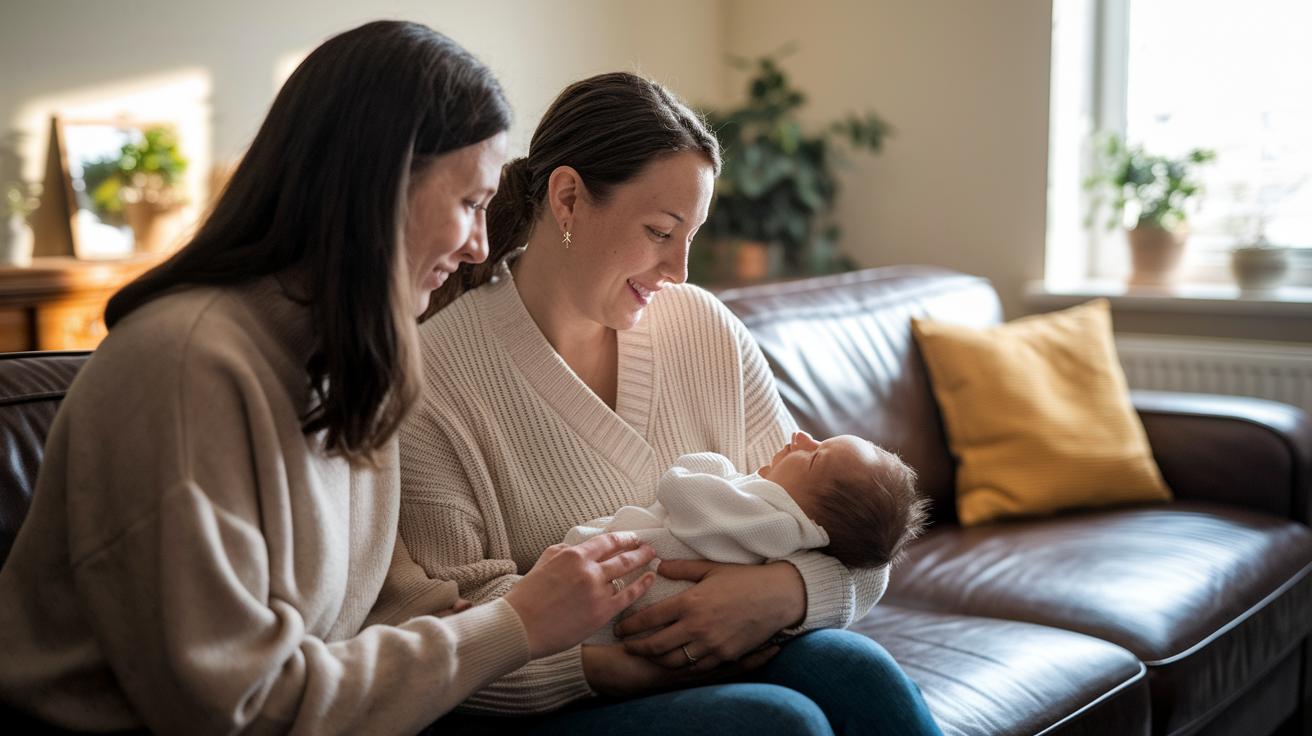
Many new parents notice that a few days after birth, feelings of baby blues can appear and then fade within two weeks. But sometimes, these feelings linger and grow into something more challenging, like postpartum depression. It can be really hard. Have you ever felt like you were in a deep, confusing fog with no clear way out?
In these warm support groups, you'll meet people who truly understand the rollercoaster ride of early parenthood. They’re there with open hearts, ready to share advice and kind words. National resources, such as the National Maternal Mental Health Hotline, offer free and confidential help any time of day, while Postpartum Support International provides guidance if you’re feeling overwhelmed. This list of helpful options, from quick phone calls to friendly, face-to-face sessions, is a reminder that asking for help shows strength, not weakness.
Local and community-based options add even more comfort. For instance, Community Behavioral Health helps Medicaid recipients connect with caring friends and professionals who truly listen. Centers like the Postpartum Stress Center and Penn Center for Women’s Behavioral Wellness offer group and one-on-one sessions with caring experts. If you’re searching for a community that respects cultural experiences, Maternal Wellness Village provides peer support especially for Black women. And if you prefer virtual meetings, The Motherhood Center hosts weekly online groups led by licensed perinatal therapists, including a free initial screening to help you find your best fit.
| Organization | Format | Eligibility | Facilitator Credentials | Meeting Times |
|---|---|---|---|---|
| National Maternal Mental Health Hotline | Phone Hotline | Anyone seeking support | Crisis support trained | 24/7 |
| Postpartum Support International | Helpline/Virtual | New parents with PPD | Perinatal mental health experts | Varies |
| Community Behavioral Health | In-person groups | Medicaid recipients | Licensed therapists | Local sessions |
| Postpartum Stress Center | In-person & Virtual Therapy | Individuals with PPD symptoms | Trained mental health providers | Appointment-based |
| Penn Center for Women’s Behavioral Wellness | Group and Individual Therapy | Pregnant and postpartum individuals | Specialists and researchers | Scheduled sessions |
| Maternal Wellness Village | Peer Support Groups | Black women, all incomes | Peer facilitators with clinical oversight | Weekly sessions |
Comparing Online and In-Person Support Groups for Postpartum Depression

Online support groups can be a gentle and flexible choice, especially when you’re busy or prefer the comfort of your home. For example, The Motherhood Center hosts virtual sessions every week in Eastern Time, led by caring, licensed perinatal therapists (experts who help new moms feel supported during and after pregnancy). Imagine joining a warm conversation from your living room, where your voice is heard quietly and privately, almost like chatting with a close friend over a cozy cup of tea. This online approach makes it easy to connect, no matter where you are, and helps ease the loneliness that sometimes comes with new motherhood.
On the other hand, in-person meetings, often run by community resources like Community Behavioral Health, provide the kind of face-to-face interaction that can feel more personal and nurturing. When moms meet in a room, it’s like gathering around a table with friends, sharing laughs and heartfelt hugs. There’s something really comforting about that direct connection that online groups just can’t always capture.
Both types of support have their own special benefits. Online groups offer flexible times and a safe space to share your feelings without any interruptions, while in-person meetings give you the chance to build deeper, more tangible bonds with other moms. Each setting usually also provides helpful tips and links to extra support, like 24/7 crisis hotlines or resources for Mental Health First Aid training, so you can choose the kind of help that feels best for you.
What to Expect in Support Groups for Postpartum Depression

At the start of a session, you’ll join a warm check-in with other moms and birthing parents. Everyone shares how they’re feeling, mentions any challenges they’ve faced, or celebrates small wins, like saying, “This morning, I managed a short walk even when I felt overwhelmed.” This sharing sets an inviting, caring tone right away.
Next comes a light talk where a friendly facilitator introduces simple tips on coping, self-care, and noticing signs of mood changes (for example, mood swings that can happen after childbirth). It feels less like a lecture and more like a helpful workshop, giving you easy ideas to try throughout your week.
After that, the group spends time in a relaxed discussion. Everyone has a chance to share their experiences and offer supportive advice, brainstorming small, practical ways to handle difficult moments.
The session usually wraps up with sharing useful resources, such as hotline numbers or details about local programs, along with a short, comforting closing ritual. This final moment helps everyone feel connected and leaves your heart a little lighter.
Facilitator Credentials in Support Groups for Postpartum Depression
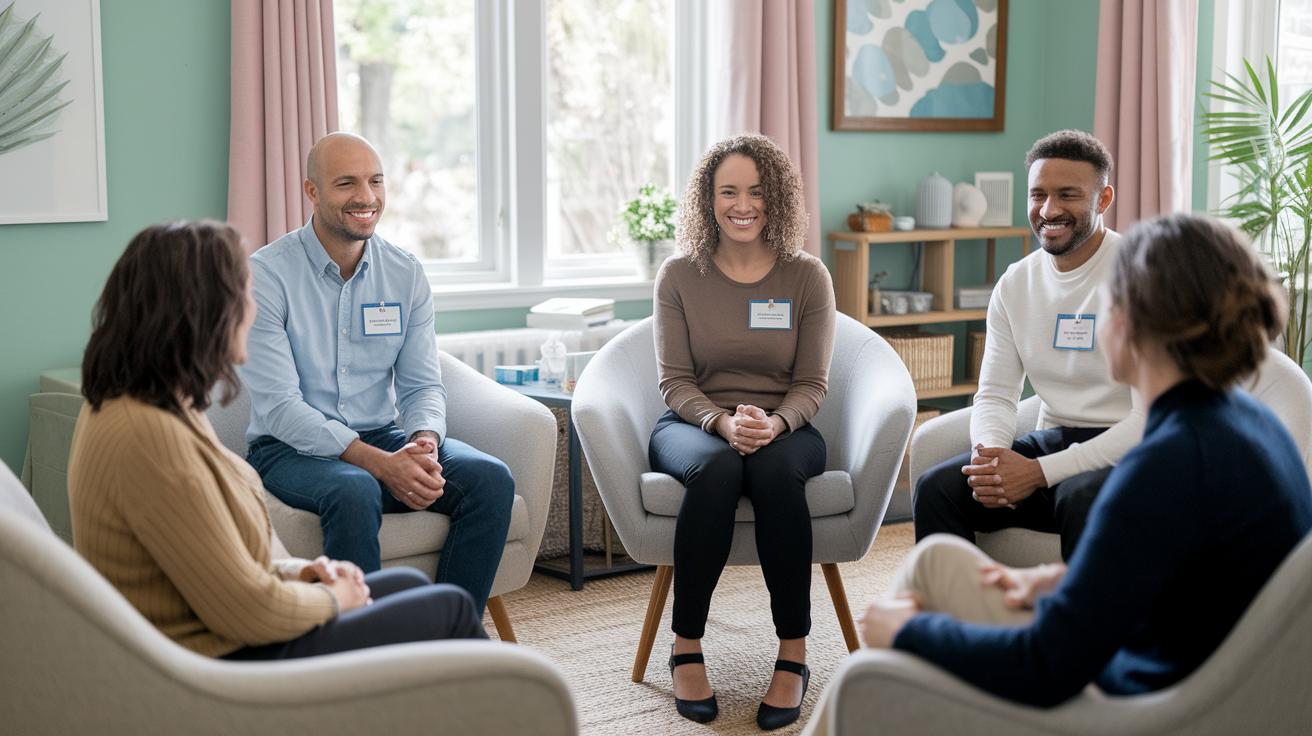
When you join these groups, you'll find that the facilitators are both skilled and kind. Many of the groups are led by caring professionals like LCSWs, LMSWs, and PMH-Cs. For example, friendly experts such as Grace Burke, Leah Gooen, Paige Bellenbaum, and Mia Nalic often lead sessions at The Motherhood Center. They use proven, evidence-based methods to create a safe and supportive space for all parents. Imagine sitting in a circle where a knowledgeable yet warm facilitator checks in with everyone, sharing both helpful advice and a genuine listening ear.
In other settings, places like the Penn Center for Women’s Behavioral Wellness and the Postpartum Stress Center have therapists trained in trauma-informed perinatal (care during pregnancy) support. This means they really know how to help you feel secure and understood. And sometimes, you'll see peer-led groups like Maternal Wellness Village where the blend of personal experience and professional guidance makes empathy a central part of the conversation.
How to Access and Join Support Groups for Postpartum Depression

If you’ve been feeling down for a long time, worried, or noticing changes in your sleep and eating habits, try these simple steps to find support:
- Chat with your doctor or nurse about how you are feeling.
- Sign up for a free screening at The Motherhood Center to see which group might be the best fit for you.
- Look into local community services for in-person meetings that have sliding payments, so there’s an option for everyone.
- Listen to the stories of other moms. One mom said, "After my free screening, I joined a group and finally felt understood."
Following these steps can help you find a support group that feels just right and meets your needs.
Final Words
In the action, we covered ways to join support groups for postpartum depression. We explored national and community options, compared online and in-person meetings, and highlighted what to expect during sessions.
We also shared how expert-led groups work and offered simple steps to get started. With clear advice and caring tips, every mom can take a small step toward feeling supported and hopeful.
FAQ
Are there support groups for postpartum depression?
The existence of support groups for postpartum depression means moms can join a caring community. These groups offer both professional guidance and peer support, available as in-person or online sessions.
How to support postpartum depression?
Supporting postpartum depression involves offering empathy, listening, and helping connect those in need to support groups and healthcare professionals. This approach focuses on care, understanding, and practical help.
How long can postpartum depression last after having a baby?
The duration of postpartum depression varies. While the baby blues typically fade within two weeks, postpartum depression may last several months and, in some cases, extend throughout the baby’s first year.
What is the 5 5 5 rule for new moms?
The 5 5 5 rule for new moms provides a simple self-care method. It encourages breaking tasks into five-minute steps and taking short breaks, helping moms feel less overwhelmed while caring for themselves.