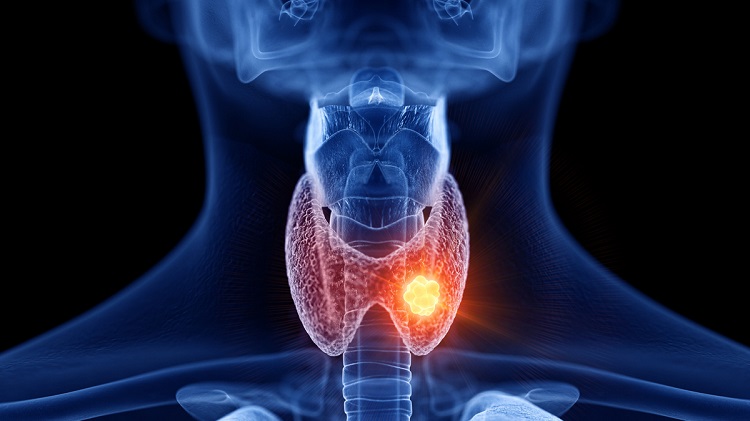
Your thyroid is a small gland with a powerful role. It regulates metabolism, energy, growth, and overall hormonal balance. To work efficiently, it relies on specific nutrients, especially key minerals. Without these building blocks, the thyroid cannot produce or regulate hormones properly, leading to fatigue, weight changes, and other health issues. Understanding the most important minerals for thyroid health can help you support this vital gland naturally.
Iodine
Iodine is the cornerstone of thyroid health. Your thyroid gland uses iodine to produce the hormones thyroxine (T4) and triiodothyronine (T3), which control how your body uses energy. When iodine intake is too low, the thyroid struggles to make enough hormones, potentially leading to goiter or hypothyroidism.
The body does not produce iodine on its own, so it must come from your diet. Natural food sources include seaweed, fish, dairy, and iodized salt. However, balance is important: too much iodine can be as harmful as too little, sometimes triggering thyroid dysfunction. Regular but moderate intake is the safest way to keep your thyroid working at its best.
Selenium
Selenium may not be as well-known as iodine, but it plays a critical supporting role. It is a key component of enzymes that convert T4 into the active form T3, which your body can actually use. Without selenium, this conversion is inefficient, and thyroid function slows down.
In addition, selenium acts as a powerful antioxidant. In other words, it keeps the thyroid gland safe from oxidative stress, which can hurt tissue and cause inflammatory diseases like Hashimoto’s thyroiditis. Of all the foods that are high in selenium, Brazil nuts are one of the best. You can also find it in tuna, eggs, and sunflower seeds. Eating foods that are high in selenium can help protect your thyroid and keep your hormones in order.
Zinc
Zinc is another vital mineral that influences the thyroid at multiple levels. It helps regulate the production of thyroid-stimulating hormone (TSH), which signals the gland to release thyroid hormones. Without adequate zinc, the thyroid may not respond effectively, leading to sluggish hormone production.
Beyond hormone regulation, zinc supports the immune system and cellular repair. Low zinc levels have been linked to symptoms such as hair loss, fatigue, and impaired concentration—all common in thyroid disorders. Foods like oysters, pumpkin seeds, legumes, and lean meats can help restore zinc levels naturally. Ensuring adequate zinc intake strengthens both your thyroid and your body’s resilience.
Iron
Hemoglobin, the protein that moves oxygen through your blood, is made with iron. However, it is equally important for thyroid health. Iron is required for the enzyme thyroid peroxidase (TPO), which helps produce T3 and T4. Without enough iron, your body cannot make sufficient thyroid hormones, even if iodine levels are adequate.
Iron deficiency is common, particularly in women, and can worsen symptoms of hypothyroidism, including weakness, pale skin, and difficulty concentrating. To improve iron intake, include foods such as red meat, lentils, spinach, and fortified cereals in your diet. Pairing iron-rich foods with vitamin C sources like citrus fruits enhances absorption and ensures your thyroid gets what it needs.
Bringing It All Together
Your thyroid is a small but mighty organ, and its performance depends heavily on the right nutrients. Iodine, selenium, zinc, and iron are the four essential minerals for thyroid health, each with a unique role in hormone production, conversion, and protection. Deficiencies in any one of these can disrupt the delicate balance of your thyroid, leading to widespread effects on your health and energy.
By choosing a diet that incorporates a balance of these minerals, you support not only your thyroid but also your overall well-being. If you suspect a deficiency or struggle with thyroid symptoms, it is wise to consult a healthcare provider for testing and guidance. A healthy thyroid starts with giving your body the minerals it needs to thrive.