Have you ever noticed that playful moments can help your toddler go from wobbly steps to confident strides? Some moms might think motor skills just develop on their own, but a bit of fun and movement can really boost your little one’s coordination and strength. Mixing simple hand activities with active play creates a safe space where your child can explore and grow. These everyday ideas show how fun actions help raise motor skills while letting your child feel more independent. Every move is a chance for a little adventure.
Core Strategies to Boost Toddlers’ Motor Development
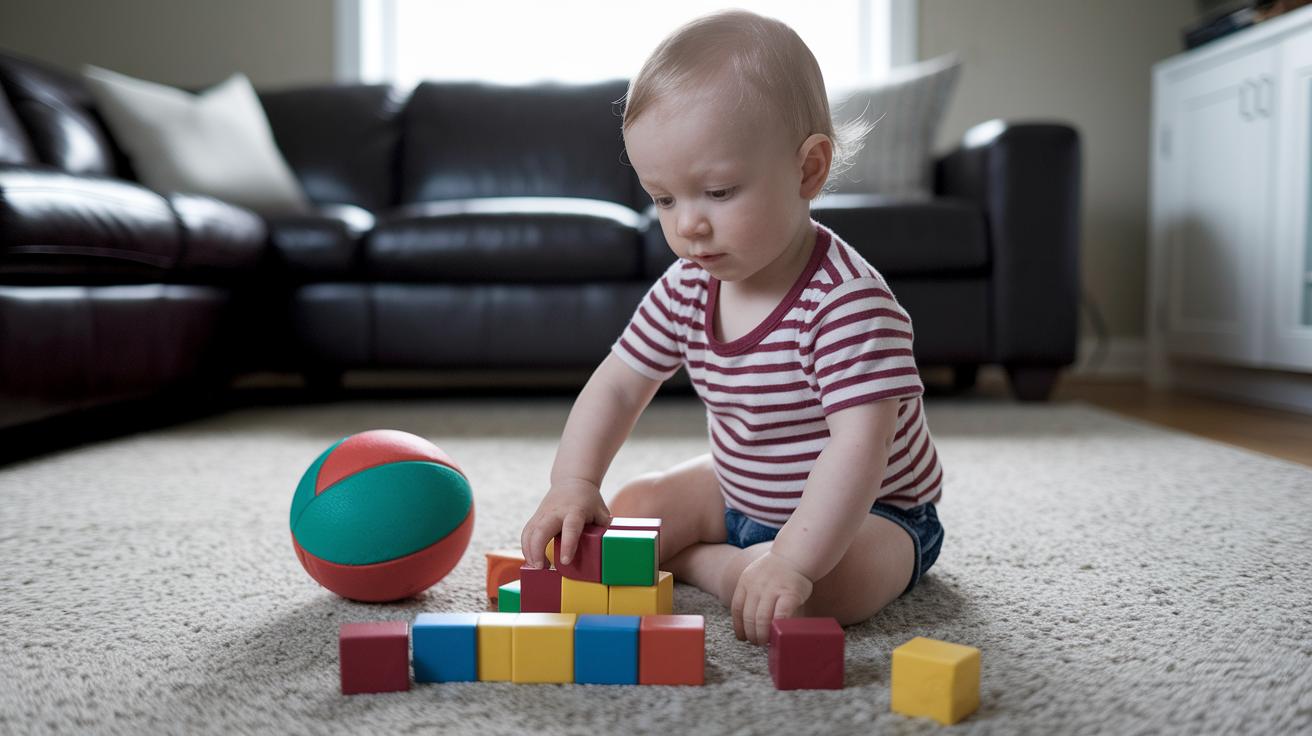
When you mix fun, little hand tasks with big body moves at home, it creates a great start for toddlers to learn how to move and explore. These playful activities, whether with colorful blocks or soft, textured balls, help kids grow both physically and in their thinking. Imagine your little one reaching out to explore a new toy, it's like their very own adventure right at home.
By blending simple art projects like coloring and playing with playdough with more active games such as playing catch, you create a loving space where your toddler feels safe to try new things. They learn to grip a crayon and also run or jump around, building up both hand strength and body coordination. It’s really all about balancing fun and learning in a routine that builds confidence.
- Let them explore with sensory toys like textured blocks and soft balls to spark curiosity and movement.
- Enjoy creative time with activities like drawing, coloring, or playing with playdough to boost hand-eye coordination.
- Have round after round of a gentle catch game with a soft ball to practice hand-to-eye focus.
- Encourage balancing on one foot to develop spatial awareness and better coordination.
- Create a little obstacle course at home where they can move, stretch, and safely navigate little challenges.
These simple activities work together, letting your toddler move freely while gently guiding them through more planned exercises. This mix of spontaneous play and little lessons teaches them to use both their tiny hands and growing bodies, helping them gain independence and everyday physical confidence.
Indoor Active Play Ideas for Gross Motor Growth in Toddlers
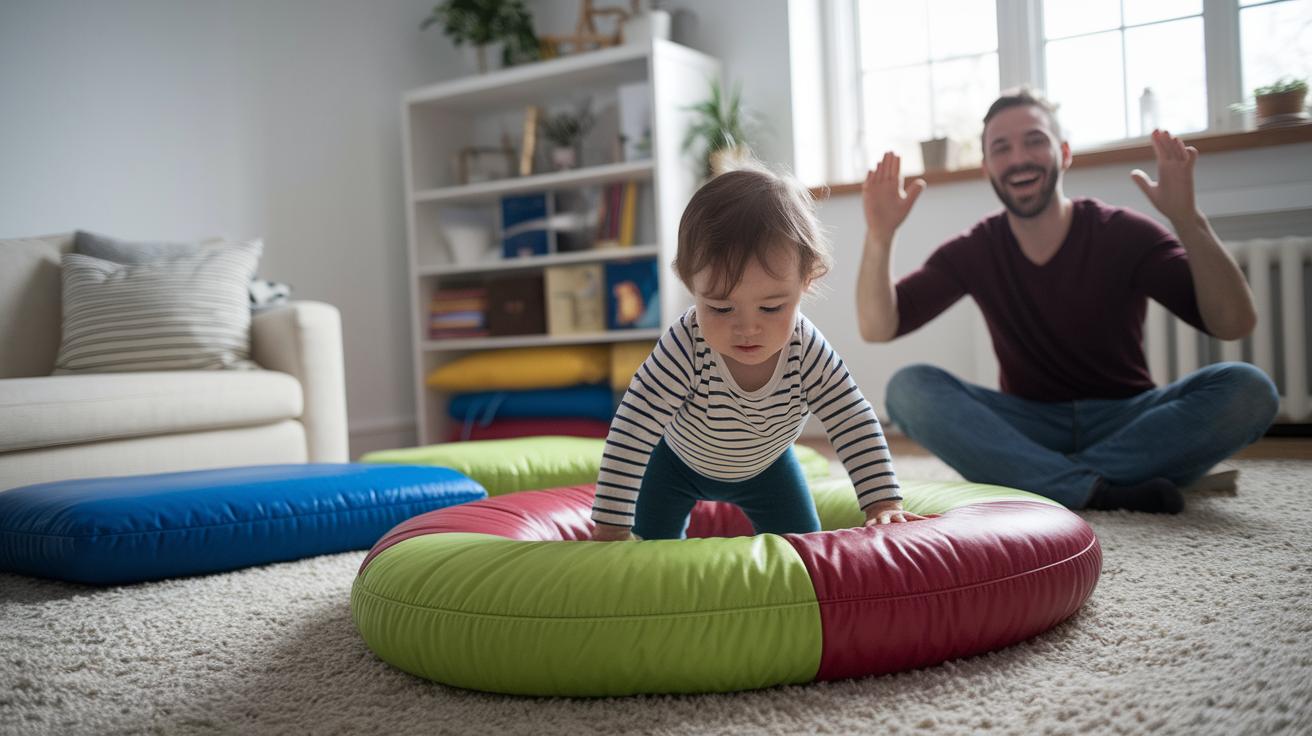
Active play at home is a fantastic way to help your toddler build strength and coordination while having fun together. These ideas are safe and easy to set up, turning everyday spaces into playful adventures.
Try a homemade obstacle course by arranging soft cushions, blankets, and other toddler-safe objects in a clear space. Imagine laying out a mini-slalom made of pillows that your little one can weave through as you cheer them on. Just be sure the path is free from any sharp edges.
For a fun twist, play a gentle ball toss game. Using a soft ball, gently roll it back and forth to help improve hand-eye coordination. You can adjust the distance as your child grows, making it a little more challenging over time.
Another idea is a tape path balance challenge. Use a piece of tape to draw a wide, simple line on a smooth floor and invite your child to walk along it. Picture it like a fun, safe tightrope walk, perfect for boosting balance and concentration.
You can also set up a block-stacking race. Provide building blocks with smooth, rounded edges and challenge each other to see who can stack them the fastest. Once they're built, carefully knock them down together to spark a sense of friendly competition and teamwork.
A sensory bin crawl is another creative option. Fill a shallow box with different fabric scraps or safe toys that offer varied textures. Encourage your toddler to explore the bin while you comment on the interesting textures they're feeling, it turns playtime into a sensory adventure.
Lastly, try a puzzle relay. Place a small puzzle at one end of the room and have your child run to add a piece, then dash back for the next one. This activity not only makes puzzling fun but also gets them moving, and you can change up the challenge as they improve.
These indoor activities are a gentle way to build your toddler’s coordination and confidence, all while turning your home into a safe and exciting play space.
Techniques to Stimulate Toddlers’ Fine Motor Skills
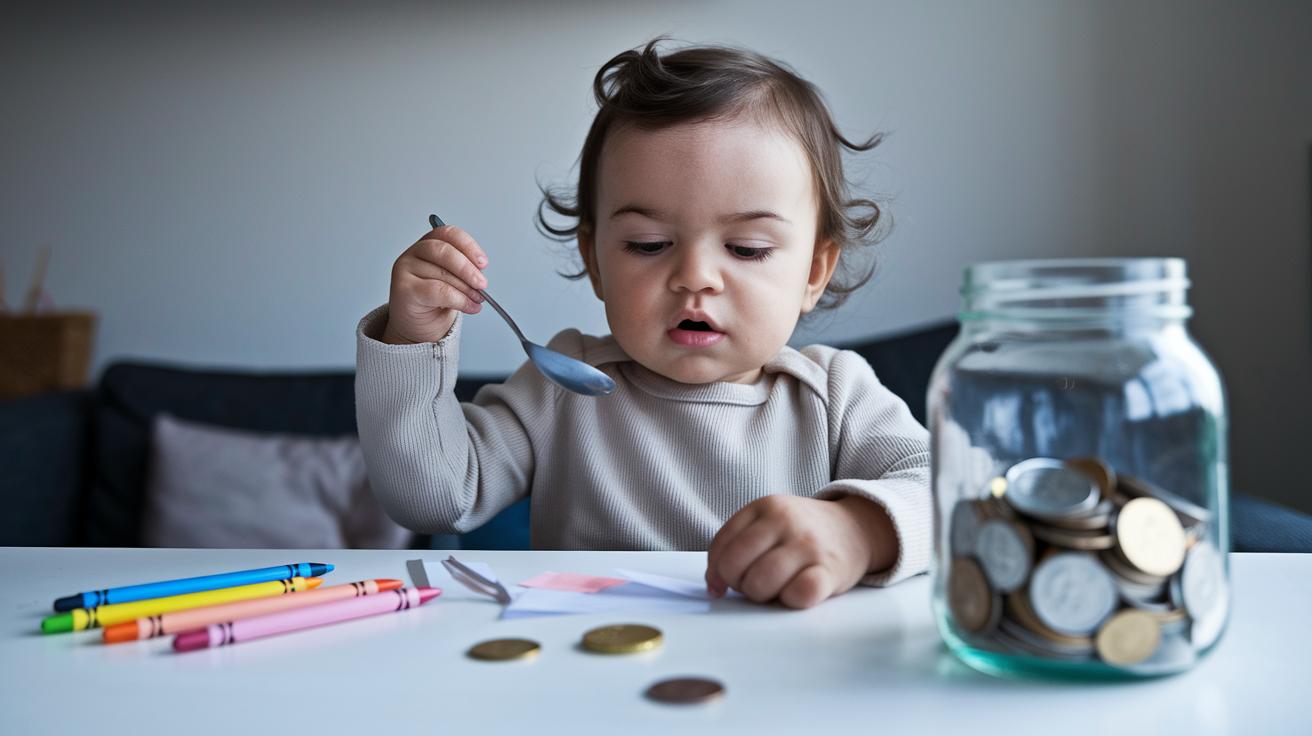
Fine motor skills help little ones work with small objects like spoons, crayons, and toys. These small movements build the confidence kids need to become more independent every day. Think about how exciting it is when your toddler finally masters holding a crayon or using a fork on their own.
Peeling stickers is a super fun way to boost a child’s pincer grasp and improve hand-eye coordination. Ripping paper helps too by strengthening tiny hand muscles and teaching both hands to work together. Imagine your child slowly peeling a sticker of their favorite cartoon character, it's like revealing a little secret!
Placing coins into a piggy bank can also be a fun game that teaches precision and helps them see details better. Playing with clothespins, on the other hand, helps develop a firmer pencil grip and a better sense of body awareness. These simple games not only keep your toddler entertained but also help them gain more control over their hand movements.
Everyday tasks can be turned into great practice sessions. Buttoning a shirt, zipping up a jacket, or using a fork at mealtime all help build these skills. It’s all about creating those little moments of practice that slowly build their independence in a caring, playful way.
Designing Structured Movement Routines for Toddlers’ Physical Development
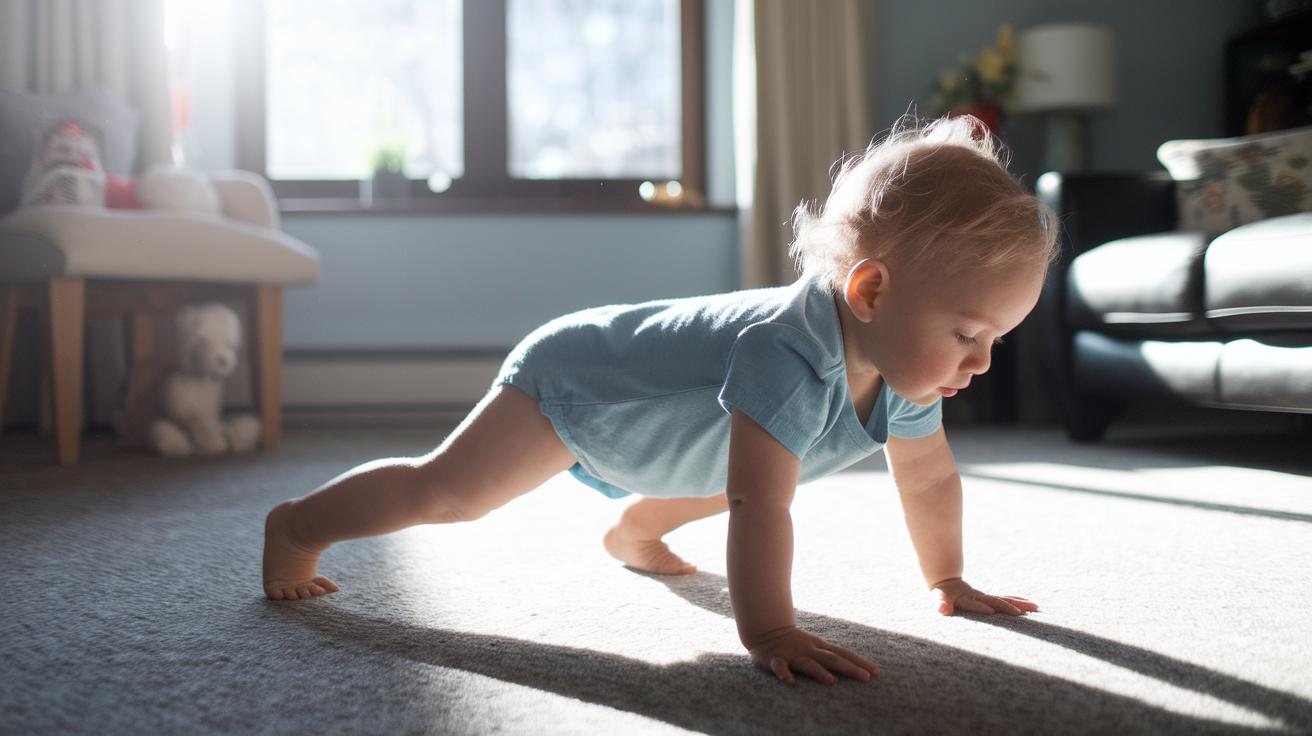
Creating a steady routine for your little one builds trust and helps them learn new movements one step at a time. Regular, planned play not only boosts your toddler’s energy but also improves balance and coordination. Keeping a simple diary or chart to track these routines lets you notice all the small, wonderful improvements.
Try this idea: plan for three 10-minute sessions spread throughout the day, each with a fun theme. In the morning, start with a joyful dance and movement warm-up. Think of it like a playful toddler yoga session with easy stretches and simple animal walks , just imagine your child pretending to be a cuddly bear as they crawl gently on the floor. Then, around midday, take a walk outside where you can add a tiny treasure hunt. Let your toddler march and step over small, safe obstacles while exploring nature. As the day slows down, set up an indoor session focused on balance with activities like standing on one leg or doing little stretches.
As your child gets used to these sessions, you can mix things up by introducing new activities or slightly increasing the time. For example, after a week of toddler yoga, add another minute to the session or swap one familiar move for a mini animal parade , picture your toddler mimicking different animals, from hopping like a bunny to waddling like a duck. Jot down these changes to see their progress and figure out when it’s time to adjust the plan.
Blending indoor exercises with outdoor adventure gives your toddler both steady practice and the chance to explore. A mix of gentle floor movements, fun stretches, and interactive walks creates a balanced workout that builds strong motor skills and boosts their confidence in every little step.
Monitoring Milestones and Ensuring Safety During Motor Development
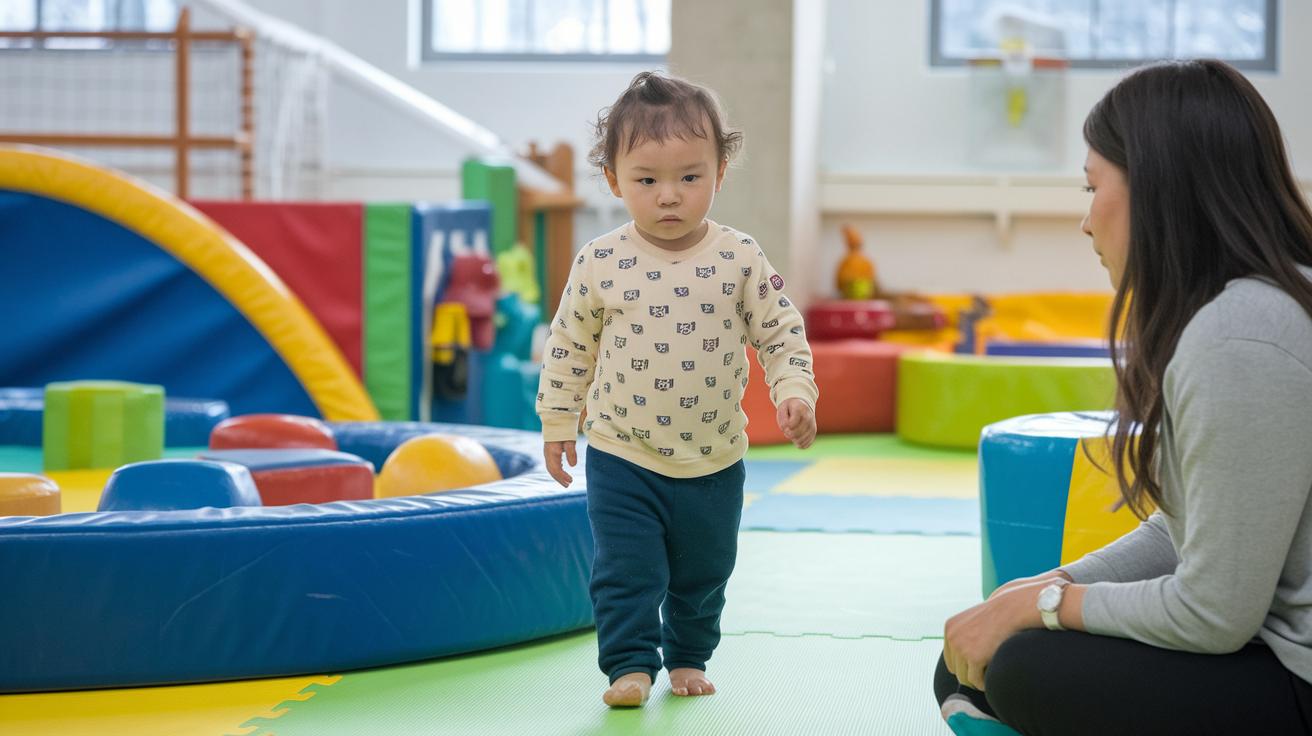
For children aged 1 to 2, little movement milestones feel both exciting and comforting. By around 12 to 15 months, many toddlers walk steadily. Then by 18 to 24 months, you might see them run, kick a ball, or even start to jump with both feet by age 2. Their fine motor skills shine too, think of stacking four blocks by 15 months, scribbling around 18 months, and using utensils on their own by their second birthday. These steps are not only fun to watch but also build a strong base for more growing and learning.
Creating a safe space for your little one to explore is so important. You can set up play areas with soft surfaces, clear paths, and plenty of room to move around. Adding sensory touches like textured mats or foam tiles not only gives them extra stimulation but also helps reduce the chances of falls. This kind of setup invites curious play while keeping safety front and center.
Keeping an eye on these milestones can be as simple as using a checklist and noting daily changes. Have you noticed when your child starts walking confidently, kicking a ball with joy, or even trying a little jump? Remember those small wins too, like better spoon use or a new scribble. Writing down these moments can help you pick fun activities that match their pace, mixing play with purposeful growth.
When safety and confidence go hand in hand, every new step feels like a real victory.
Encouraging Through Parent-Led Active Play and Positive Reinforcement
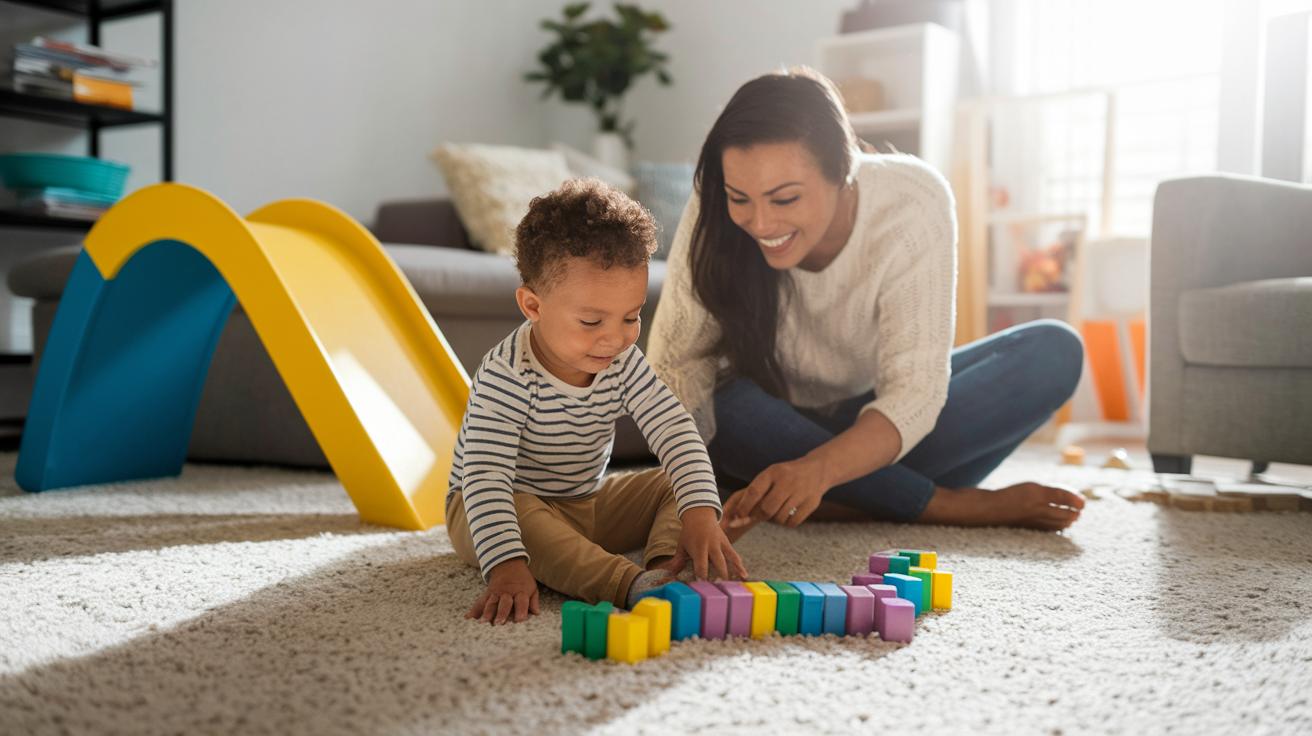
When you make time for daily play, your toddler feels safe and supported to try new movements. Simple tasks like picking up toys or helping with little chores can boost their motor skills and build confidence. Imagine telling them, "Look how nicely you lined up your blocks!" and seeing their proud smile, it’s these small words of cheer that slowly build independence.
Family challenges can turn playtime into a fun adventure for everyone. For example, you might set up a short obstacle course in the living room or have a quick race in the backyard. These playful activities help improve balance and coordination, all while sparking giggles and warm moments of joy. Picture your loved ones clapping as your little one dashes ahead, a memory you’ll cherish together.
Every bit of positive praise fuels your toddler’s enthusiasm. After a fun movement game, a gentle "Great job moving so fast!" encourages them to try even more new things. This kind of kind, steady reinforcement makes each play session a joyful and exciting time for you both.
Final Words
In the action, the post broke down playful ideas and routines that mix fun exercises for both fine and gross motor skills. It covered hands-on activities at home, practical indoor play ideas, and routines that help build muscle control and confidence.
These tips to improve motor development in toddlers remind us that everyday play can boost coordination and self-assurance. Each simple exercise builds on another, paving the way for joyful and confident little ones.
FAQ
What are gross motor skills and can you give examples?
Gross motor skills involve large muscle movements like crawling, walking, and jumping. They help build strength and body coordination in infants and young children.
What are fine motor skills and can you give some examples?
Fine motor skills involve small muscle movements such as using the fingers for drawing, buttoning, and grasping objects. These skills support detailed hand-eye coordination and everyday tasks.
What are fine motor skills activities for 1-2 year olds versus 3-4 year olds?
Fine motor activities differ by age; for 1-2 year olds, simple tasks like peeling stickers and using spoons work well, while for 3-4 year olds, coloring and playdough sculpting help improve precision.
What are the stages of motor development in childhood, including the seven stages?
The stages of motor development track progress from basic reflex movements to more controlled, complex actions. The seven stages outline this growth, charting early to later coordinated skills.
How can I help toddler motor development and improve poor motor skills?
Helping toddler motor development involves playful, structured exercises that mix both fine and gross motor tasks. With consistent practice and a supportive environment, challenging motor skills can improve.
What are the five motor skills for kids?
The five motor skills for kids include running, jumping, balance, hand-eye coordination, and fine manipulation. These skills form a solid base for physical growth and everyday activity.