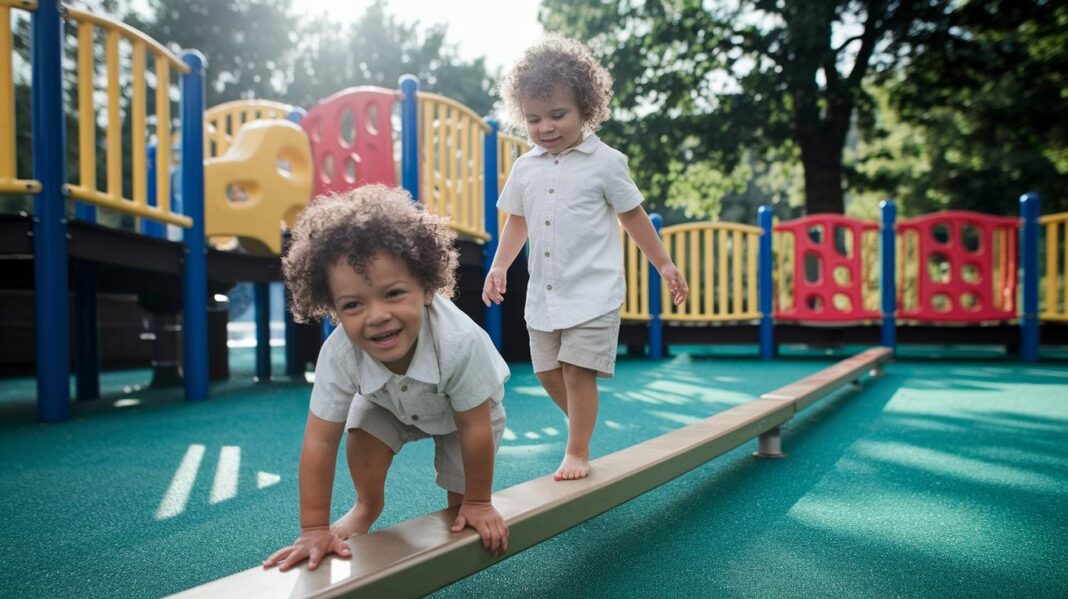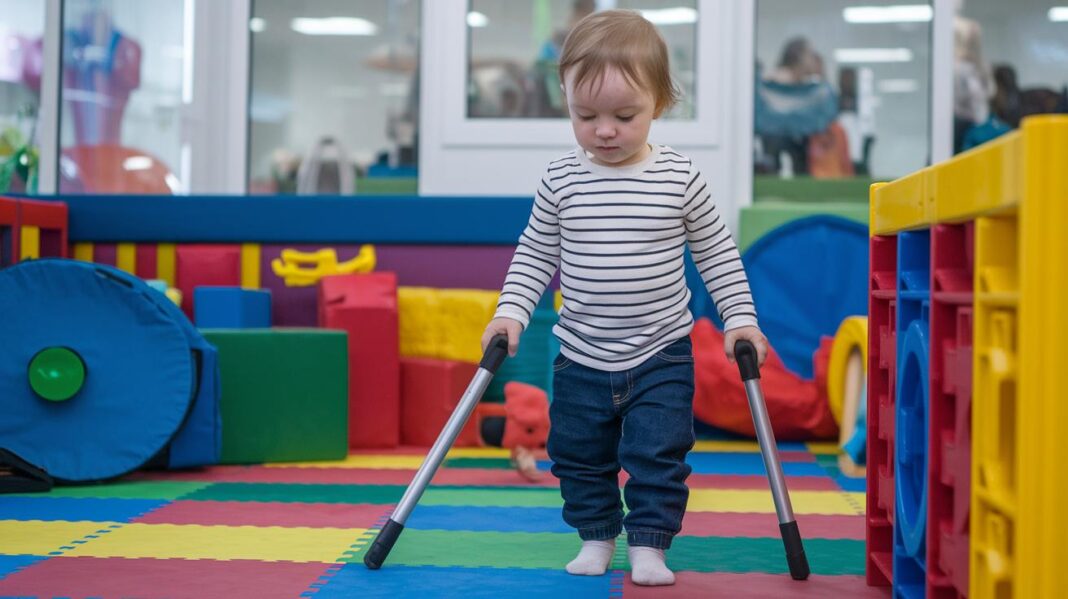
Have you ever seen your toddler wobble and wondered if it means big things are coming? Every tiny step, like a first step or a gentle grasp, is a sign of growth. It’s amazing to watch, whether it's a cute crawl or a brave new walk.
Each little move builds confidence and independence. It’s like laying down stepping stones that lead to fun learning and new adventures. Have you ever noticed how a small change can unlock a whole world of movement and joy?
toddler motor development milestones: Bright steps ahead
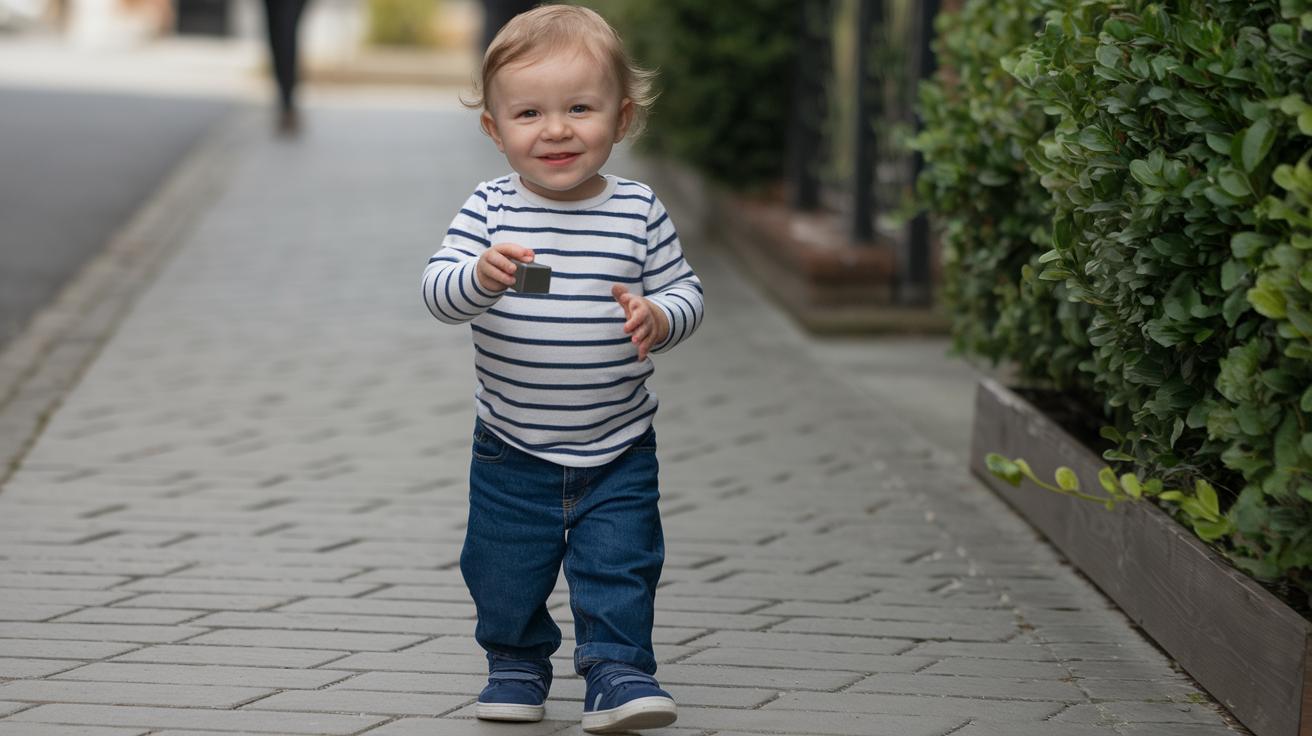
By around 12 to 14 months, most little ones start walking on their own. They might even use a cute bear crawl to creep up stairs. Their tiny fingers are becoming stronger too, letting them use a pincer grasp to pick up small objects like utensils. It’s amazing how a first step can fill a home with as much joy as a baby’s first smile!
Between 15 and 18 months, toddlers may try walking backwards and even stack two or three cubes. They also get excited about exploring with crayons or markers, holding them in an overhand grip. Every little movement builds a path to greater skills, one small step at a time.
Around 19 to 24 months, many toddlers begin to run and use a step-to pattern when they go up or down stairs. They might turn three pages at once in a board book, stack four to six cubes, or try drawing a simple vertical line. These moments show just how much their big movements and hand-eye coordination are growing.
From two to three years, kids often enjoy balancing on one leg for a few seconds and climbing stairs with an alternating step pattern. They might stack eight to ten cubes, draw circles and horizontal lines, unbutton large buttons, or even use safety scissors. Then by three to four years, many children can balance on one foot for a few seconds, run smoothly, kick a ball, jump forward, lace shoes with three holes, hold a pencil with a tripod grip, and cut straight lines with scissors.
By four to five years, toddlers are usually hopping on one foot, skipping, drawing squares, and cutting out simple shapes. They might even show a clear hand preference. It’s important to watch for any concerns though, like if a child isn’t walking by 18 months, keeps toe-walking, struggles to develop a pincer grasp by 14 months, or hasn’t started scribbling by age two.
Distinguishing Gross Versus Fine Motor Skills in Toddler Milestones
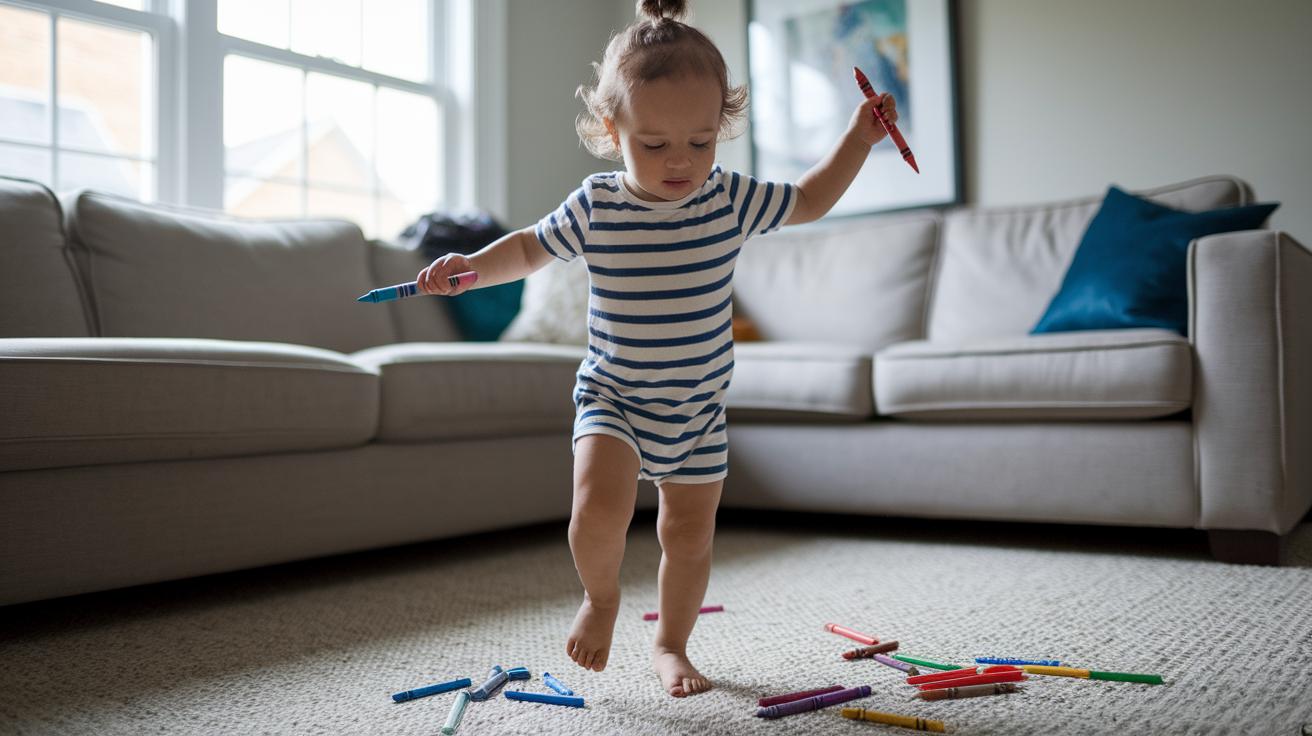
Gross motor skills help little ones use the big muscles in their bodies to move around. When a toddler crawls, walks, runs, climbs, or jumps, they’re not just playing, they’re building strong muscles and learning balance. Imagine a tiny tot trying little hops in the living room; it's a fun way to show they're getting steadier and stronger.
On the flip side, fine motor skills are all about the small muscles in the hands and fingers. These skills come into play when your child picks up toys, uses a spoon (or fork) at mealtime, draws simple shapes, or even buttons up a shirt. Think about that first time your toddler held a crayon and scribbled on paper, it's a small step that helps build better hand control.
Every day, toddlers practice both sets of skills. Playing with a toy car or climbing a few steps strengthens their big muscles, while stacking blocks or turning the pages of a book works on those tiny muscles in their hands. This blend of activities supports overall growth and prepares your child for even more complex tasks as they explore and learn.
Age-Specific Toddler Milestone Chart for Motor Development
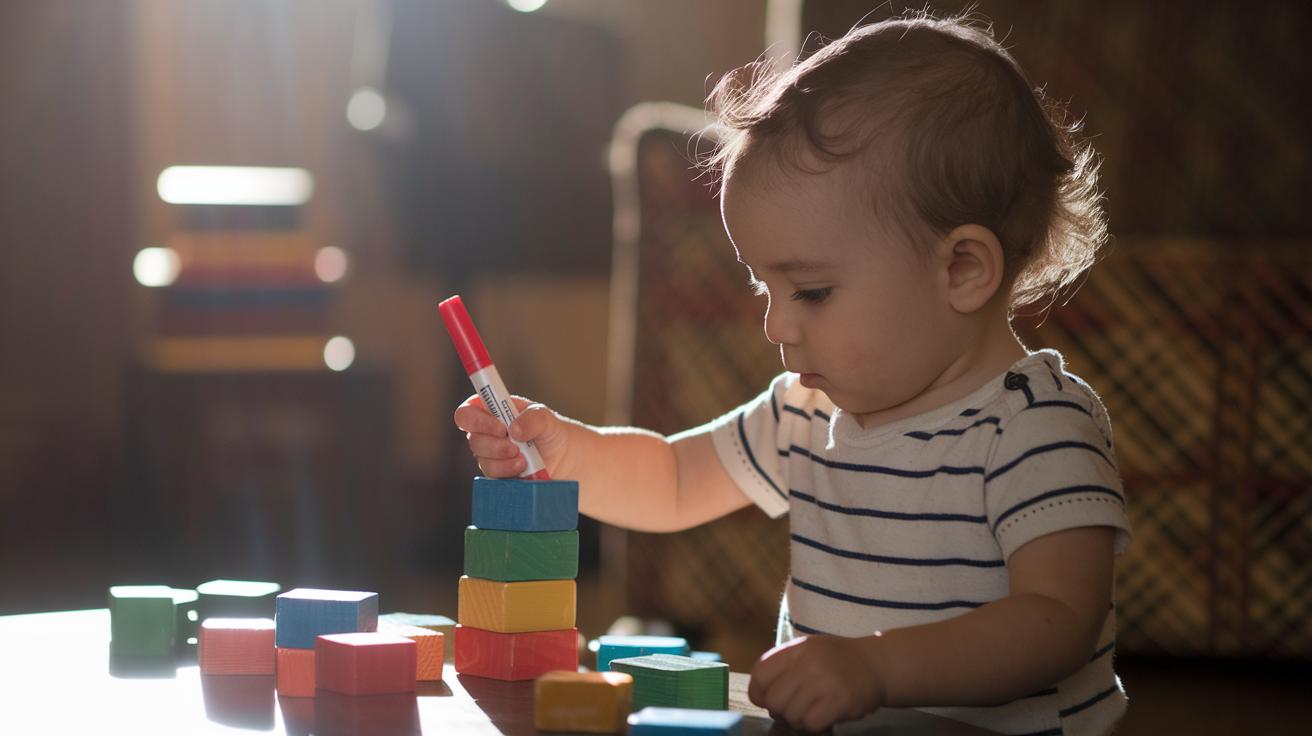
Watching your toddler grow is such a delightful journey. Around 12 to 14 months, your little one starts walking on their own, and you might even see them trying a playful bear crawl up a few steps. Their hands begin to work together, too, they start picking up small things like a spoon or match shapes on a pegboard.
Around 15 to 18 months, things get even more exciting. Your child might take a few backward steps and stand on tiptoes for a moment. They also begin stacking a couple of cubes and may even hold a marker with a basic overhand grip as they start their first drawings.
By 19 to 24 months, running becomes a fun part of their play. They might use a simple step-to way of going up or down stairs. Meanwhile, their fine motor skills let them flip through three pages at a time in a book, stack four to six cubes, and draw simple vertical lines.
As they reach 2 to 3 years, toddlers start to stand on one leg for a few seconds and alternate steps when climbing stairs. Their hand skills continue to grow, so they can stack 8 to 10 cubes, draw circles or horizontal lines, unbutton their clothes, and use utensils like forks or spoons.
For those between 3 and 4 years, you may notice your child balancing on one foot for 3 to 4 seconds, jumping, and even kicking a ball. Their hand abilities become more refined as they learn to lace through three holes, hold crayons with a tripod grip, and cut along straight lines with scissors.
| Age Range | Gross Motor Milestones | Fine Motor Milestones |
|---|---|---|
| 12–14 months | Walks independently, playful bear crawl upstairs | Develops a pincer grasp, holds a spoon, matches pegboard shapes |
| 15–18 months | Takes backward steps, stands briefly on tiptoes | Stacks 2–3 cubes, holds marker with an overhand grip |
| 19–24 months | Begins running, uses a step-to pattern on stairs | Flips 3 pages at a time, stacks 4–6 cubes, draws vertical lines |
| 2–3 years | Balances on one leg briefly, takes alternating stair steps | Stacks 8–10 cubes, draws circles and horizontal lines, unbuttons, uses forks/spoons |
| 3–4 years | Balances for 3–4 seconds on one foot, jumps, kicks a ball | Laces through three holes, uses a tripod grip for crayons, cuts straight lines with scissors |
Practical Activities to Boost Toddler Gross and Fine Motor Milestones
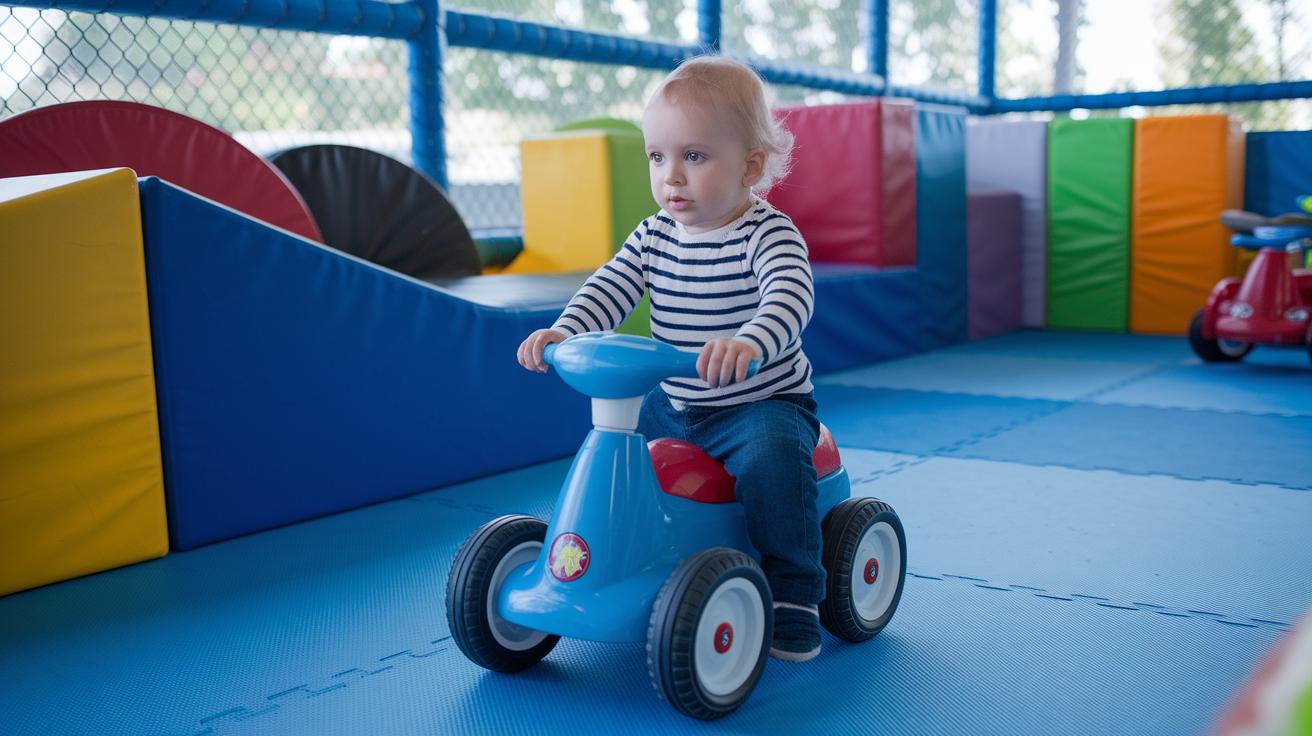
Creating a safe and playful space can really spark your toddler’s love for exploring new moves. Here are eight friendly ideas to boost both big movements and those delicate hand skills:
-
Find a clear space with soft mats or low blocks where your little one can crawl, walk, or even climb gentle steps. Imagine spreading a blanket and watching them discover their new favorite way to move around.
-
Give them push-toys or ride-on toys. A small ride-on car can transform a simple stroll into a mini-adventure.
-
Set up a little obstacle course using pillows, tunnels, or couch cushions. It’s like a fun game where your child learns to balance as they move around everyday items.
-
Offer stacking blocks or a shape sorter to help them practice grasping and simple problem-solving. Picture them carefully lining up colorful cubes while building their hand-eye coordination.
-
Provide crayons and sidewalk chalk to let their creativity flow as they draw simple lines, circles, or shapes.
-
Encourage stringing large beads or pasta pieces to build their fine motor skills and dexterity.
-
Let them play with child-safe scissors and play-dough. These hands-on tools are great for strengthening those tiny muscles.
-
Try playful spoon-feeding games that help practice the pincer grasp and self-feeding skills.
Each activity is a warm, caring way to mix fun with learning, turning daily moments into memorable milestones for your toddler.
Tracking Motor Development: Signs of Progress and Potential Delays
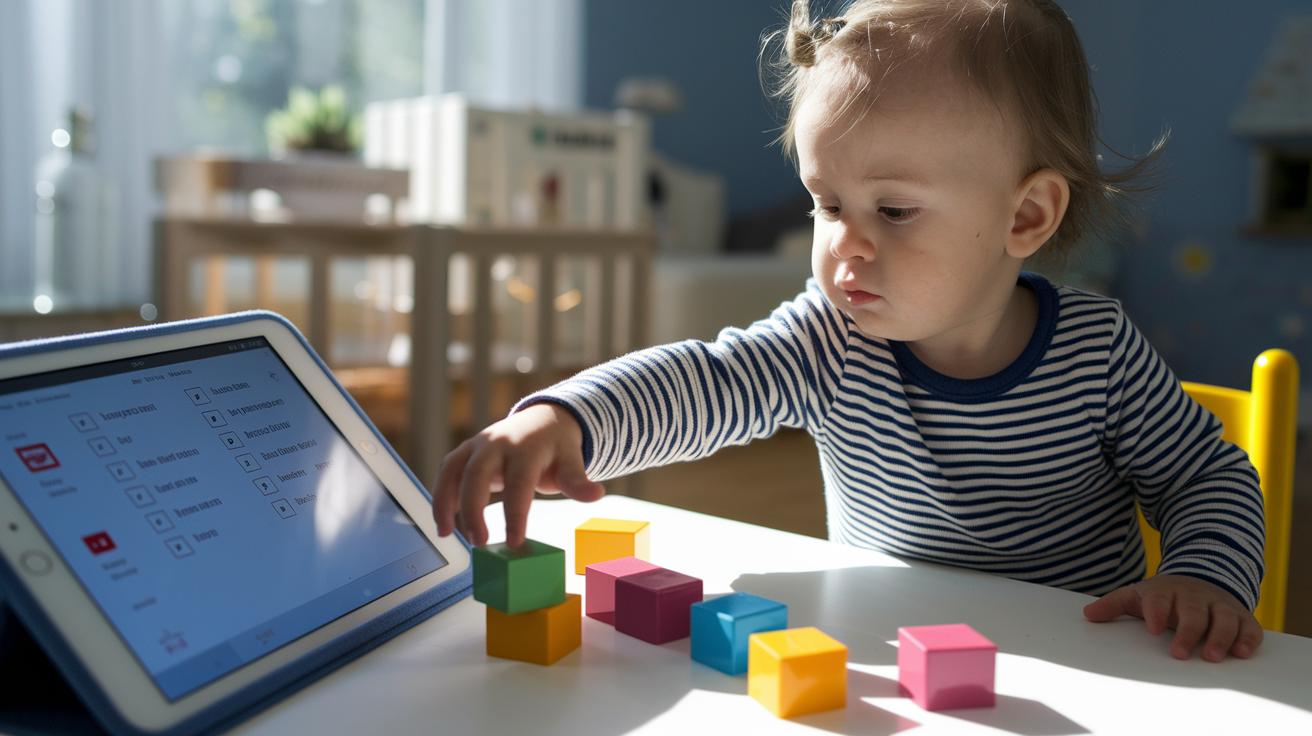
Instead of just listing well-known milestones, try making a special tracking system just for your little one. You might use a digital checklist or a simple app that lets you record daily moments. For instance, you could note how your toddler reaches for a toy or how their grip changes on a snack. One week you might write, "I noticed a steadier reach when picking up blocks, what a lovely sign of growing motor control!"
Here are some ideas to get you started:
- Try using a digital tool or a notebook to jot down small changes like reaching, grasping, or balancing.
- Look for patterns over several days or weeks instead of only checking off age milestones.
- Set up a simple chart where you record each tiny win or change, even if it seems small.
- Notice little improvements in coordination, like smoother hand movements or steadier balance when standing.
Sometimes, even a brief pause before reaching for a favorite toy can tell you more than any chart. And if you start seeing some unexpected changes in your child’s motor skills, have a chat with your pediatrician. They’re there to help and can guide you with caring advice.
Safe Motor Exploration Strategies to Support Toddler Milestones
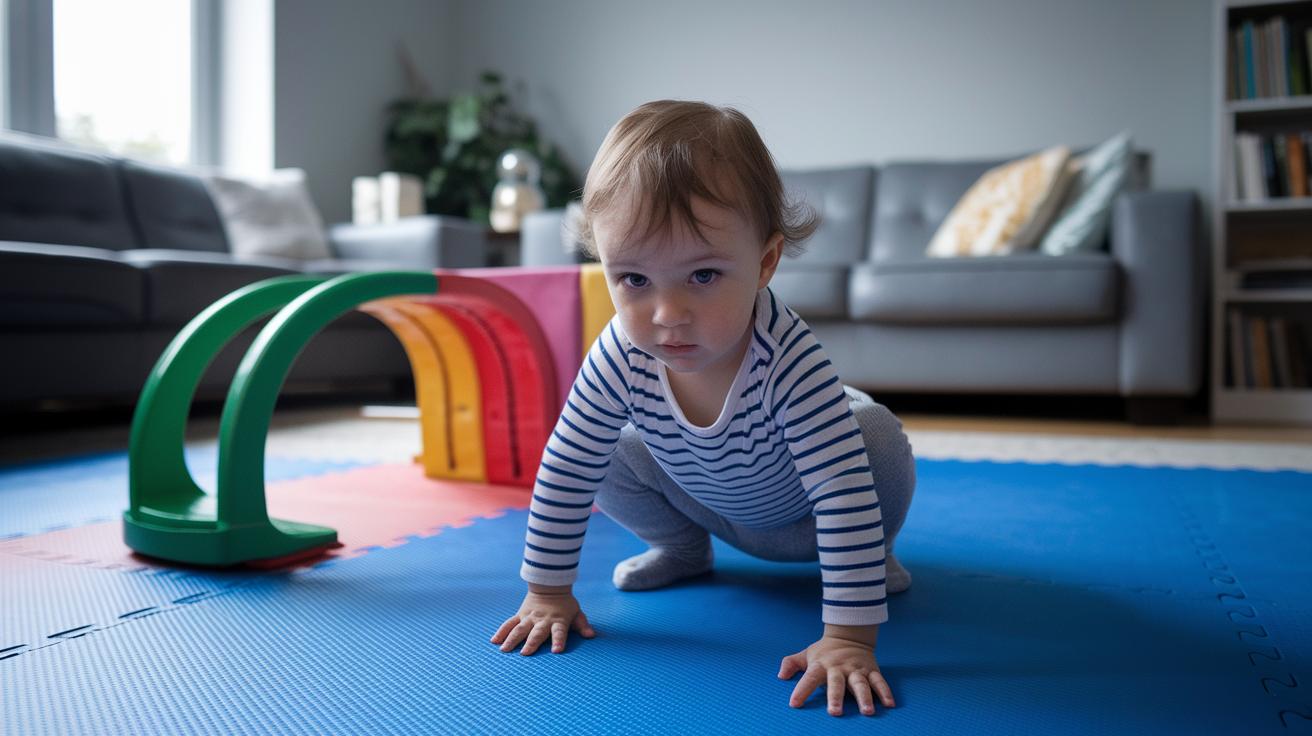
Toddlers need plenty of room to move and explore. Try giving your little one at least an hour of free play each day along with about half an hour of guided play, all in a safe, open space. Adding a soft mat or carpet can help ease any falls, and it’s a good idea to secure furniture to the wall, cover sharp corners, and clear away any small objects that could be swallowed.
When your toddler starts climbing or running, stay nearby to gently guide them through little obstacle courses. Keep things interesting by rotating their toys and play props. This not only makes playtime fun but also gets different muscles working. Ever notice how a new toy can turn a simple game into an exciting adventure?
These simple, safe play methods help build your child's confidence in moving around. Think of it as a nurturing, secure environment where they can build strength and coordination while you watch over them with care.
Resources and Tools for Parents to Track Toddler Motor Development Milestones
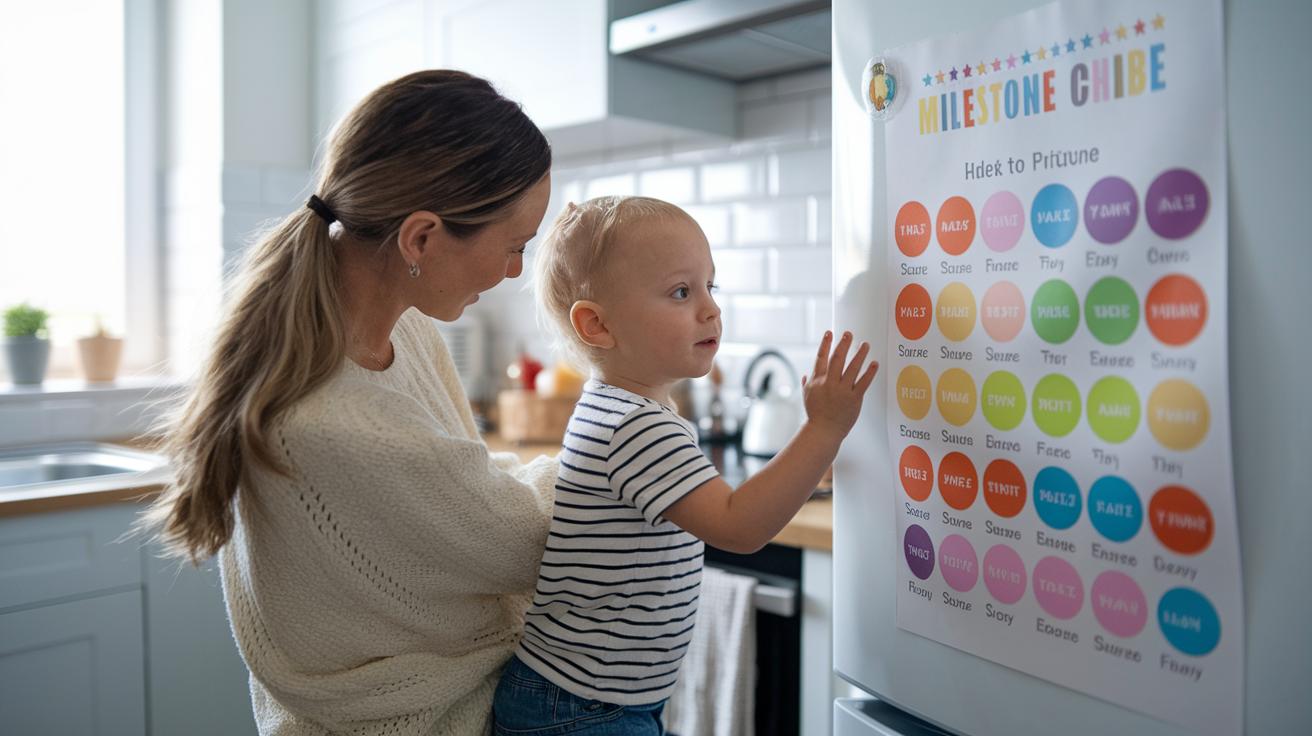
Downloadable milestone infographics make it easy to see your toddler's growth from birth to five years. Imagine a cheerful chart hanging in your kitchen, showing every little step your child takes, from those first wobbly steps to running and jumping. These printable progress charts, arranged by age and skill, let you mark each new achievement and celebrate even the smallest wins.
You can stick a milestone calendar on your fridge or keep one on your digital device to track daily progress. And if you ever need a bit more help, the maternal and child health nurse helpline is there for you at 1800 882 436 from 7 am to midnight AET. Many parents also use developmental screening questionnaires at home to keep an eye on their child's motor skills.
It’s comforting to have these handy tools right at your fingertips, helping you cheer on every little step your toddler takes. Have you noticed how each small win adds up to a brighter day?
Final Words
In the action, we explored how little ones grow through playful movement and safe exploration. We touched on everything from independent steps and scribbling to mastering fine and gross motor skills. Our quick guide showed how each age brings new milestones, offering hands-on activities and tips to track those toddler motor development milestones. Every small win adds up to big progress, creating a joyful experience for families. Remember, every step matters, and it's wonderful to see your child growing stronger each day.
FAQ
What are fine motor skills in young children?
Fine motor skills refer to small muscle movements in the hands and fingers that help children grasp objects, draw shapes, and manage utensils during everyday tasks.
What does gross motor development in infants involve?
Gross motor development in infants involves large muscle movements like crawling, standing, and eventually walking, all of which lay the groundwork for balanced and coordinated physical growth.
What are the key stages of motor development in childhood?
The key stages range from early movements in infancy, such as crawling and first steps, to enhanced balance and coordination in later years, including running, jumping, and playing various active games.
What gross motor skills should toddlers work on?
Toddlers should work on skills like walking steadily, running, climbing small steps, and balancing, which build their physical strength and coordination as they grow more active.
What are examples of fine motor skills for toddlers?
Examples include developing a pincer grasp for picking up small objects, stacking cubes, drawing simple lines or shapes, and using child-safe scissors during play.
Where can I find a reference for gross motor developmental milestones?
A PDF reference for gross motor developmental milestones typically provides a visual checklist organized by age, helping parents track expected physical skills from infancy through early childhood.
Why are gross motor skills important for child development?
Gross motor skills are crucial because they build physical strength, coordination, and confidence, allowing children to engage in active play while supporting overall cognitive and social growth.