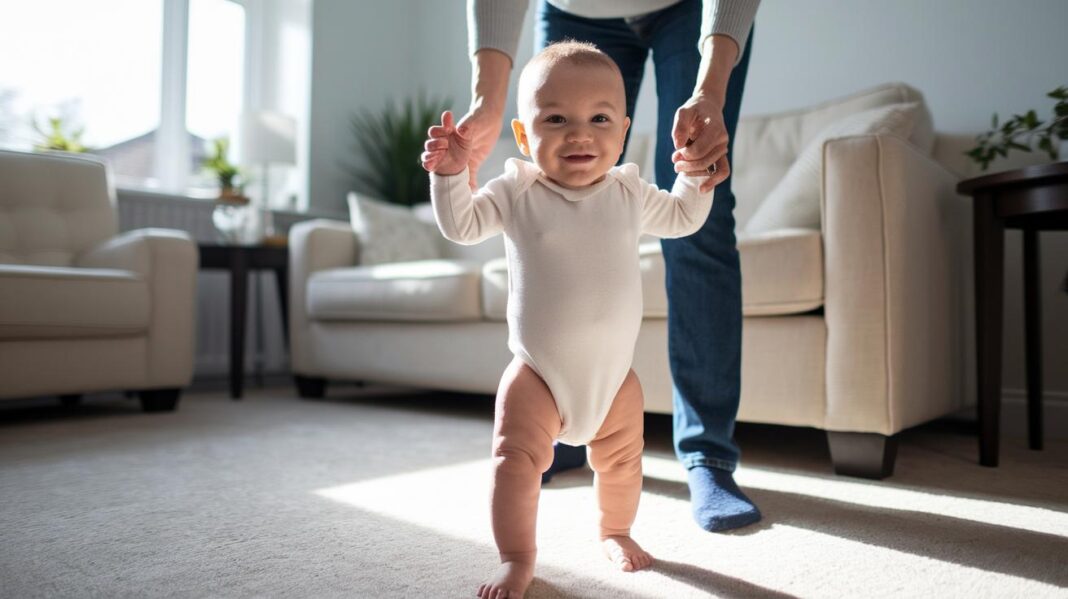
Have you ever wondered how your little one figures out all the new things around them? At 11 months old, babies start to show off their growing skills by crawling, standing, and even taking a little confident step. They love to explore objects with their tiny hands and babble in their own unique way, bringing smiles with every little movement. In this post, I'll walk you through the key milestones of this special age, offering a peek at the joyful moments that lie ahead in your baby’s everyday adventures.
11 month infant milestones: Cheerful Steps Ahead
At 11 months, your little one is busy exploring everything around them. They might be crawling on their hands and knees, scooting on their belly or bottom, or even pulling themselves up to stand by grabbing onto furniture. Some babies may even take a tiny, independent step, like a small adventurer saying, "I took a brave step today!"
At this stage, your baby loves to play with objects. They shake, throw, drop, push, and bang things to see what happens. It’s their way of learning how cause and effect works, kind of like discovering that a rattle makes a fun noise when you move it.
Your baby’s way of talking is growing, too. They use gestures like pointing, nodding, or waving, and some even say simple words like "mama" or "dada." It’s the start of a lovely conversation that blooms a little more each day.
Socially, your baby shows a strong preference for you, their primary caregiver. It’s normal to see some separation anxiety when you step away, and they might feel a bit shy around new people. These feelings usually grow calmer by 18 months.
Every day follows its own little routine. Your baby usually sleeps about 13.5 hours in total, most of that at night with a couple of naps adding up to 2 or 3 hours during the day. They stay awake for around 3 to 3.75 hours between naps, enjoy roughly 24 oz of milk, and have 2 to 3 solid meals plus 3 to 5 nursing or bottle feedings. All these little steps help build a strong foundation for their growing world.
Physical Coordination and Growth Milestones at 11 Months
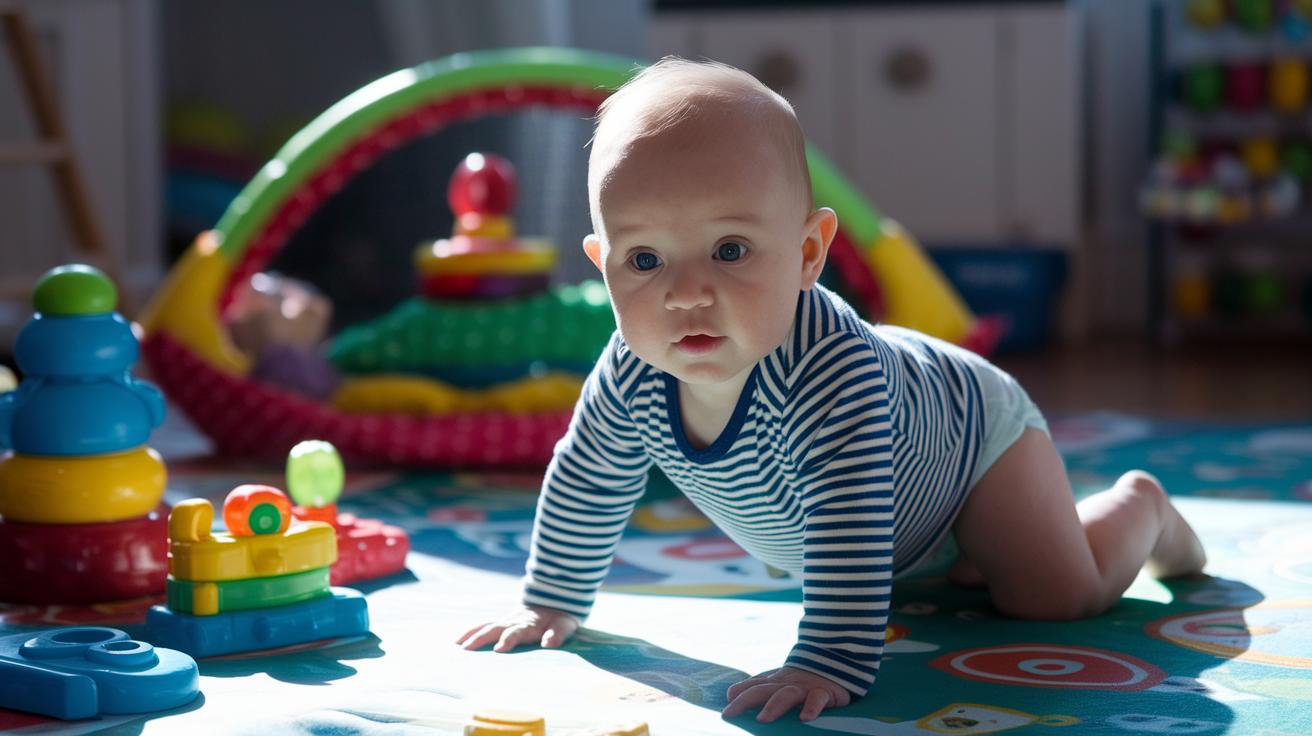
At 11 months, babies are getting more coordinated. They crawl in different ways, pull themselves up to stand, and cruise along furniture. Sometimes, you might even see a little one take a brave, independent step!
Their hand skills are growing too. They love to bang objects together, drop things into little containers, or make scribbles that look like early drawing. It’s amazing to watch these small changes happen every day.
You might notice that babies usually gain about 13 ounces each month. They also tend to grow about half an inch in both length and head size every month. By the time they turn one, they can grow around 10 inches taller and their head might be 5 inches larger.
| Metric | Average Monthly Gain | Total Increase by 12 Months |
|---|---|---|
| Weight | ~13 oz | N/A |
| Length | ~0.5 in | ~10 in |
| Head Circumference | ~0.5 in | ~5 in |
If you’re looking for more ideas on helping your little one refine these skills, check out our page on gross motor skill development.
Cognitive and Sensory Milestones in 11-Month-Olds
At 11 months, little ones are busy exploring and discovering how their actions can bring about a response. They shake their toys, drop objects from their hands, and even bang things together, all of which help them learn about cause and effect. It’s almost like a little adventure where they learn that every action has a reaction. You might say, "Hey, did you know that banging your toy makes a fun noise?" and watch as they brighten up with curiosity.
Around this time, they also start showing signs of object permanence. That means if you hide a toy, they might search for it because they remember it exists, even when they can't see it. They use their fingers to explore by moving blocks around, sorting shapes, and feeling different surfaces. Their eyes catch every little movement, and they seem to soak up the varied textures and sounds around them.
It’s really delightful to see such sparkles of curiosity in every gesture. Babies reach out eagerly for things that move and examine every corner of the room. As a parent, you can support their growth by offering a range of safe, interesting objects to explore. This playful discovery not only sharpens their sensory skills but also lays the groundwork for more advanced learning in the future.
Language Milestones and First Words for 11-Month-Old Infants
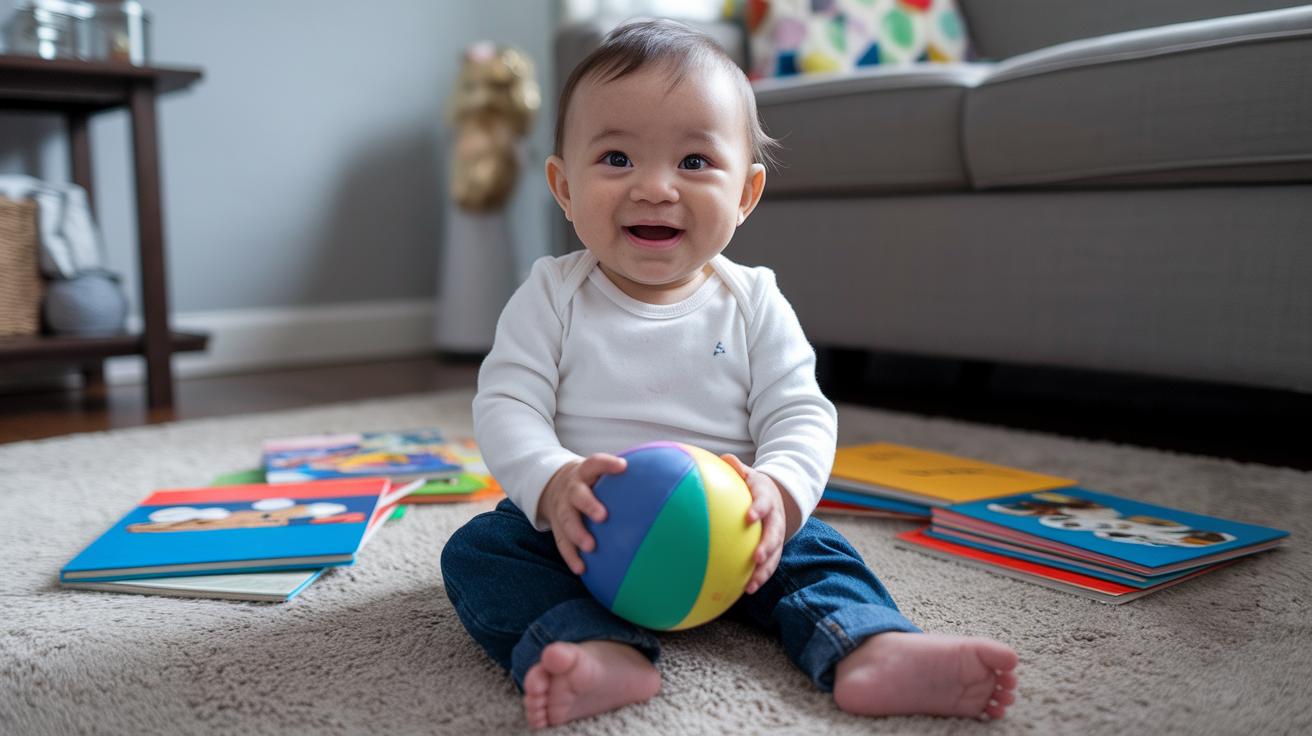
At 11 months, your little one starts finding delightful ways to express themselves. They use sweet gestures like pointing, waving, and nodding to let you know what they need or find interesting. You might even catch them saying simple words like mama or dada as they play with sounds.
Having a little chat during daily playtime really helps build their language skills. For instance, you could say, "Look, the ball is rolling!" when you roll it back and forth. Chat about everyday things like making breakfast, getting dressed, or reading a favorite book. These natural moments encourage your baby to join in the conversation.
Singing simple songs, reading picture books, and using lots of friendly gestures can boost their ability to understand and use language. These everyday interactions make learning feel fun and relaxed. Remember, every baby is unique and grows at their own pace, so enjoy each little step forward. If you're looking for more tips to help nurture these early language milestones, check out our language development milestones for extra support.
Social and Emotional Milestones at 11 Months
At 11 months, your little one shows genuine warmth toward the people they know best. They light up with a big smile when you appear and burst into giggles during a fun game like peek-a-boo. And when you step away, you might see them reaching out or hear a soft cry, a little reminder of how much they rely on you for comfort.
Your baby also experiences a whirlwind of emotions throughout the day. They smile with delight when something good happens, get a bit upset if a favorite toy isn’t within reach, and show curiosity whenever something new catches their eye. You might catch them cuddling a beloved blanket or gently rocking themselves, little signs that they’re starting to learn how to soothe and comfort themselves.
When you’re with your baby at home, take a moment to watch how they react to new faces or settings. Sometimes, they might feel shy around someone they don’t yet know, yet they’ll beam when greeted by a familiar friend. Each smile, frown, or soft touch tells a story of how they’re beginning to share their feelings and build a secure bond with you.
Sleep and Feeding Milestones for 11-Month Babies
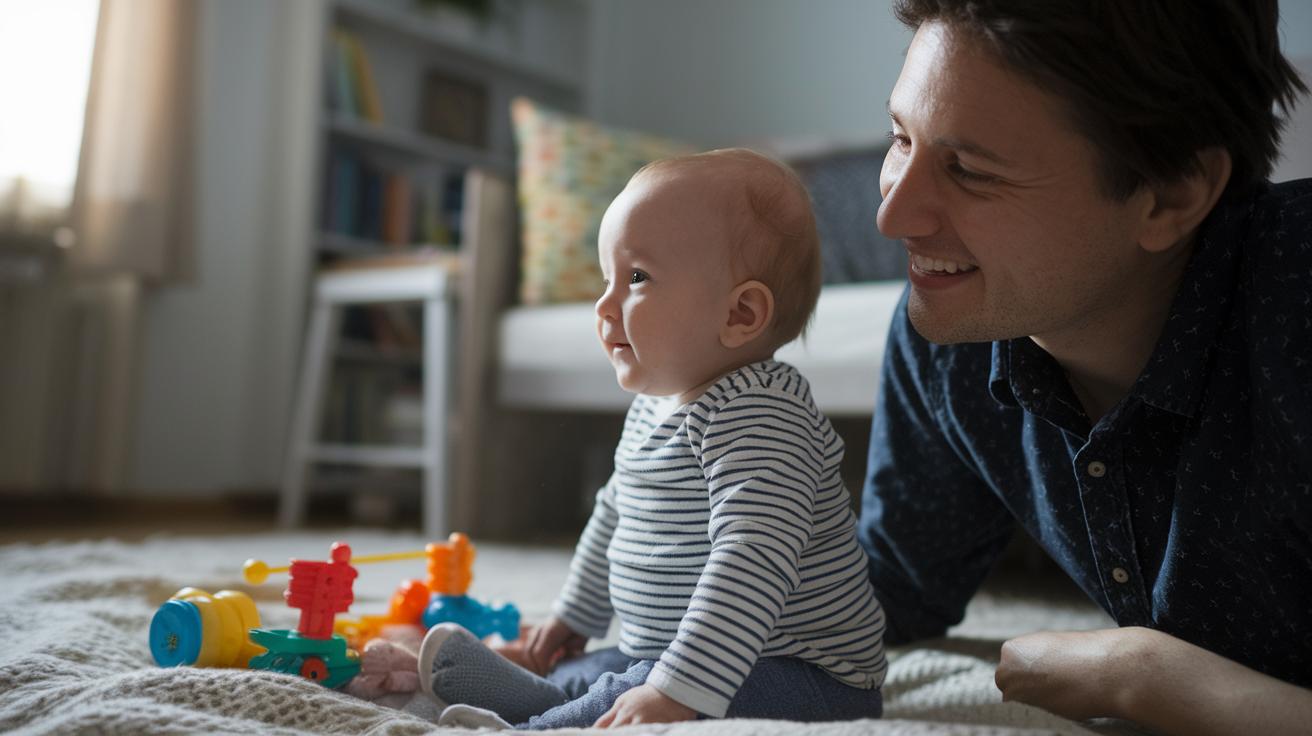
At 11 months, your little one usually gets around 13.5 hours of sleep every day. They often sleep roughly 11 to 12 hours at night and take two naps that add up to 2 to 3 hours. Most babies stay awake for about 3 to 3.75 hours between sleeps. If you notice some hiccups in their sleep, like brief night wakings during a regression, a little tweak might help. Try dimming the lights and softly saying, "Time for a cozy sleep now." It can work wonders in signaling bedtime.
Their feeding routine stays much like it has before. Most 11-month-olds drink about 24 oz of milk each day. Besides that, they often enjoy 2 to 3 small, textured solid meals along with 3 to 5 nursing or bottle feedings. If you spot any new signs from your baby, don’t hesitate to adjust meal times a bit or introduce different textures, like mashed fruits or soft veggies, to help build their chewing skills.
Tracking 11-Month-Old Milestone Progress
Watching your little one grow is such an adventure. You might find it really helpful to keep a simple checklist to note when your baby begins crawling, cruising, babbling, or even self-feeding. For instance, you could mark the day you saw your baby drop a toy on purpose and look all surprised – those moments are beautiful reminders of progress.
It can also be useful to update a growth chart each month with your baby’s weight and height. Sometimes, you’ll notice steady growth spurts or small shifts that might need extra attention. Many parents find that keeping sleep and feeding diaries makes it easier to see everyday patterns and spot little changes in routine.
Here are some friendly tips for tracking your baby’s milestones:
- Record the dates when new skills appear.
- Notice any changes in sleep length or meal routines.
- Jot down playful observations, like an unexpected gesture or sound.
Sharing these notes with your pediatrician at the 12-month check-up can be a great way to see that your baby’s milestones are on track. Plus, keeping such detailed records lets you catch any delays early and celebrate each joyful step along the way.
Red Flags and When to Consult a Pediatrician for 11-Month Milestones
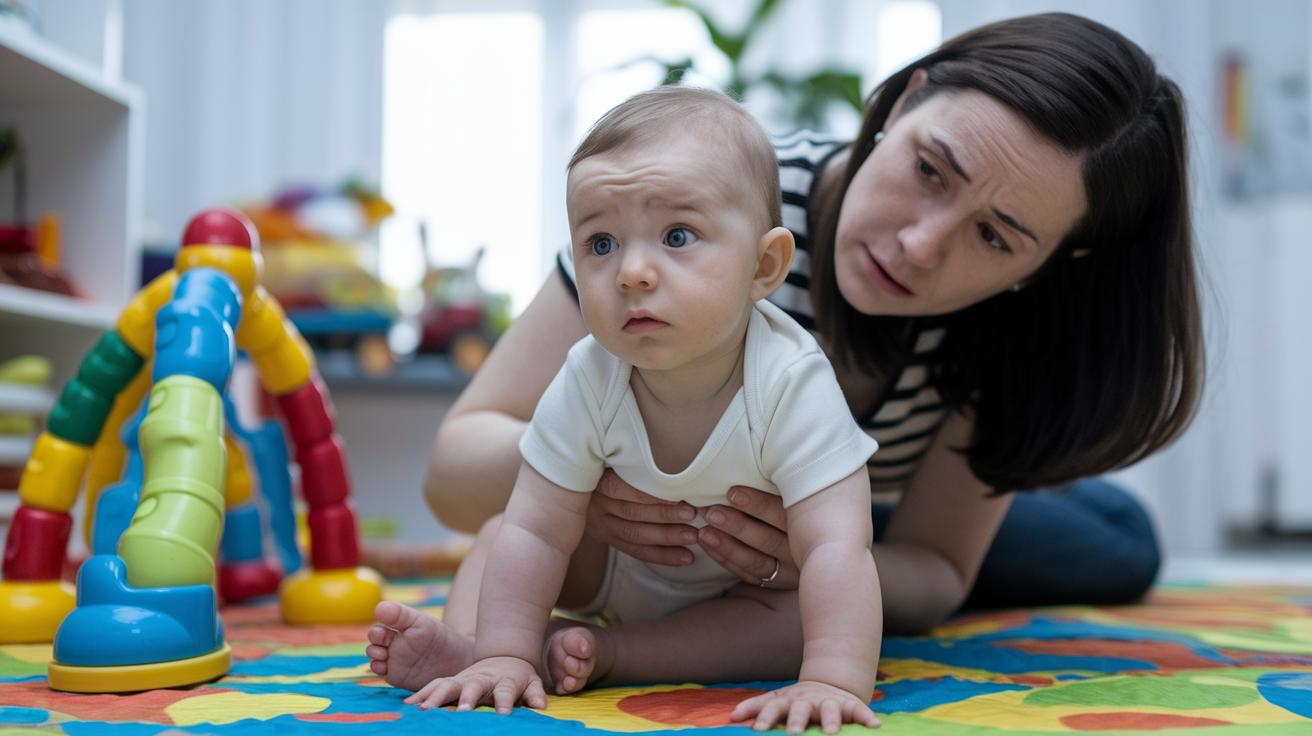
Sometimes, you might notice your little one isn’t reaching the milestones you expected, and that’s okay. If your baby isn’t crawling or trying to pull up to stand by around 12 months, it might be time to chat with your pediatrician. Have you ever seen your child less curious about moving around or exploring? That could be worth a closer look.
It can also help to watch for other little signs. Maybe your baby isn’t pointing or using other gestures while playing. Or perhaps they only offer a few coos without any back-and-forth babbling. Missing eye contact or the usual bright smiles while interacting, along with ongoing fussiness, sleep troubles, or feeding issues, might also be signals to check in with a doctor.
Here are a few things to keep an eye on:
- Not crawling or trying to stand by 12 months
- Missing out on gestures like pointing or smiling during play
- Limited babbling and not responding when called
If your baby doesn’t seem to respond to their name or engage in little back-and-forth interactions, consider getting a pediatric evaluation. It’s a simple step that can help make sure your child is growing and developing just as they should.
Final Words
In the action of watching your little one grow, this post has painted a clear picture of what to expect across physical coordination, cognitive sparks, language cues, social smiles, and sleep routines. Each section offers a handy guide to the 11 month infant milestones and helps you build confidence in recognizing each accomplishment. Keeping track of these precious steps lets you celebrate your baby’s progress and feel supported every step of the way. Enjoy these moments, they truly light up everyday life.
FAQ
Q: What does an 11-month infant milestone checklist include?
A: The 11-month milestone checklist covers physical skills like crawling or cruising, cognitive play like cause-and-effect actions, early language with babbles or words, social cues like smiling and stranger shyness, and typical sleep and feeding habits.
Q: What should an 11-month-old be able to do physically and socially?
A: The 11-month-old usually crawls, pulls to stand, and may cruise along furniture. They show attachment to caregivers, enjoy interactive play, and might display mild separation anxiety with new faces.
Q: How many words or what speech skills should an 11-month-old show?
A: The 11-month-old often babbles, uses gestures like waving, and may say simple words such as “mama” or “dada.” Their speech skills also include back-and-forth interactions during everyday routines.
Q: What developmental red flags or warning signs might I notice around 11-12 months?
A: The developmental red flags include a lack of crawling or pulling to stand, minimal babbling, and no gestures like pointing or waving. Weak social smiles or poor eye contact may also suggest the need for a pediatric checkup.
Q: What activities can encourage milestone progress in an 11-month-old?
A: The 11-month-old benefits from tummy time, playing with safe objects to explore cause and effect, interactive games like peek-a-boo, and simple routines that encourage babbling and gesturing.