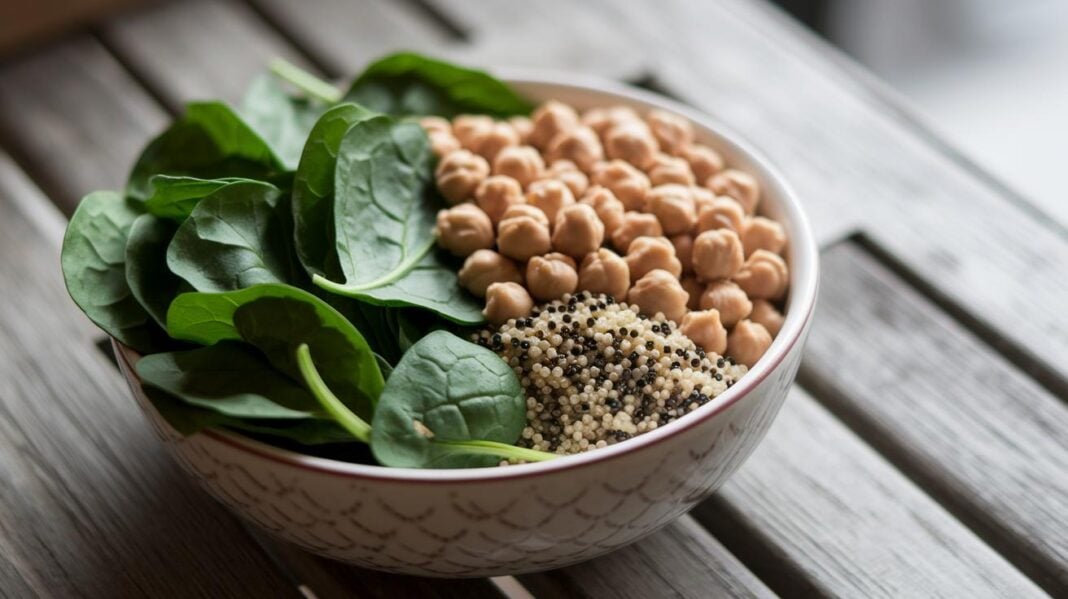
Ever wonder if switching up your meals could boost your strength during pregnancy? As your body makes nearly 50% more blood, keeping your iron levels up isn’t just a nice-to-have, it’s really important. Foods such as lean meats, leafy greens, and beans add a tasty twist while giving your body the extra iron it needs. Picking the right iron-rich foods can help keep you feeling energized and ready for the wonderful journey of motherhood.
Top Iron-Rich Foods to Support Maternal Nutrition
When you’re expecting, your body creates almost 50% more blood. That means your little one and you need extra iron to help make hemoglobin, the protein that carries oxygen in your blood. Getting about 27 mg of iron each day is key for both you and your baby.
Iron comes in two forms. There’s a type from meat and fish called heme iron, which your body soaks up easily. Then there’s non-heme iron from plants like leafy greens and beans that also offers other good nutrients. It’s a bit like cooking a favorite recipe, each ingredient has its own part in making a meal that’s both tasty and nourishing.
- Beef tenderloin (3 mg per 100 g)
- Raw spinach (2.7 mg per 100 g)
- Cooked quinoa (2.8 mg per 100 g)
- Cooked beans (2.1 mg per 100 g)
- Pumpkin seeds (3.3 mg per 100 g)
- Tofu (2.7 mg per 100 g)
Mixing these iron-rich foods into your daily meals not only helps you meet your iron needs but also adds variety and flavor. Try switching up recipes and experimenting with new combinations. Have you ever noticed how a small change in your meals can add a spark to your day? Enjoy discovering these options and feel vibrant during this special time.
Heme Iron Food Sources for Maternal Nutrition
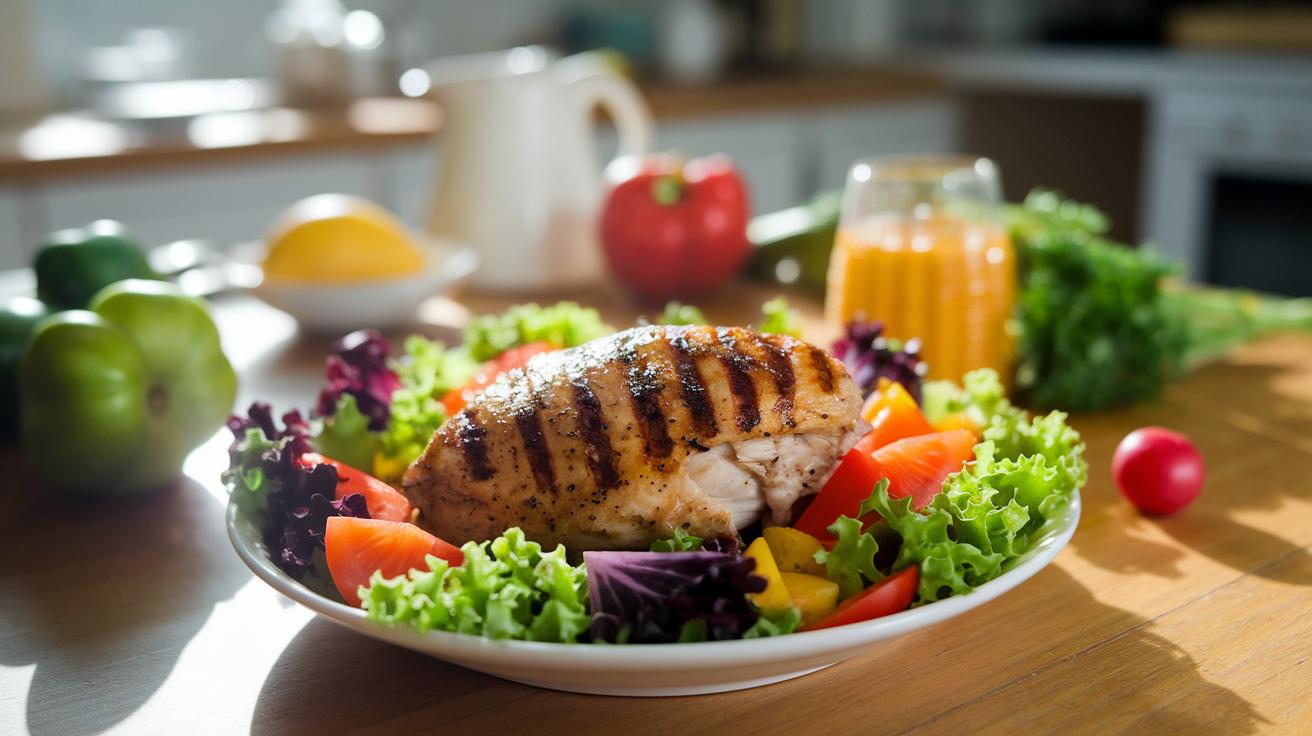
When you’re expecting, iron plays a big role in keeping you and your baby healthy. Heme iron, which comes from animal foods, is taken in by your body up to three times better than iron from plants. Adding lean red meat, chicken, or seafood in small servings, around 100 grams, can be a smart and tasty way to meet your daily iron needs.
Red Meats
Beef tenderloin is a wonderful choice. A 100-gram serving gives you about 3 mg of iron. A portion of 100 to 150 grams fits easily into your meal, bringing not only a delicious flavor but also high-quality protein and key nutrients that support both you and your little one.
Poultry
Chicken thigh is another good option. Each 100-gram serving provides about 1 mg of iron. Imagine enjoying a roasted or grilled chicken thigh in a fresh salad, it’s a simple way to boost your iron intake while keeping your meal light and flavorful.
Seafood
Canned sardines offer nearly 2.9 mg of iron per 100 grams. They’re a handy choice too; you can mix them into your salad or even spread them on whole-grain bread. Besides iron, sardines bring in omega fatty acids and protein to help round out your diet.
Together, these animal-based iron sources bring important nutrients to help keep you energetic and healthy during pregnancy, all in a way that makes mealtime both practical and delicious.
Non-Heme Plant-Based Iron for Maternal Health
Plant-based iron options are a gentle, caring way to meet your iron needs during this special time. They add variety to your meals, and when you enjoy them with foods rich in vitamin C, you help your body absorb more iron. Think of it like adding a squeeze of lemon to a fresh salad, a small touch that really brightens your day.
Legumes & Pulses
Legumes, like kidney beans, offer around 2.1 mg of iron per 100 grams. They fill you up and add a warm, earthy flavor to your dishes, imagine a cozy bean stew on a cool evening!
Leafy Greens
Raw spinach brings about 2.7 mg of iron per 100 grams, and kale gives roughly 1.6 mg. These greens add a crisp, fresh texture to your salads or smoothies, making every bite feel light and refreshing.
Nuts & Seeds
Sunflower seeds are a tasty, crunchy snack with about 2.8 mg of iron per 100 grams. Sprinkle them on your salad for a nutty boost that might remind you of a sunny day picnic with your family.
Whole Grains
Cooked quinoa is a wonderful base for any meal, offering nearly 2.8 mg of iron per 100 grams. It’s mild and versatile, much like that favorite comfort food that warms you from the inside out.
Soy Products & Dried Fruit
Fortified tofu provides about 2.7 mg of iron per 100 grams, and when you pair it with raisins, which offer roughly 1.9 mg per half cup, you get a naturally sweet and satisfying meal, perfect for a quick stir-fry.
Pairing these iron-rich foods with sources of vitamin C helps your body absorb the iron even better, making your meals both nutritious and delicious.
Pairing and Timing Strategies to Enhance Iron Absorption
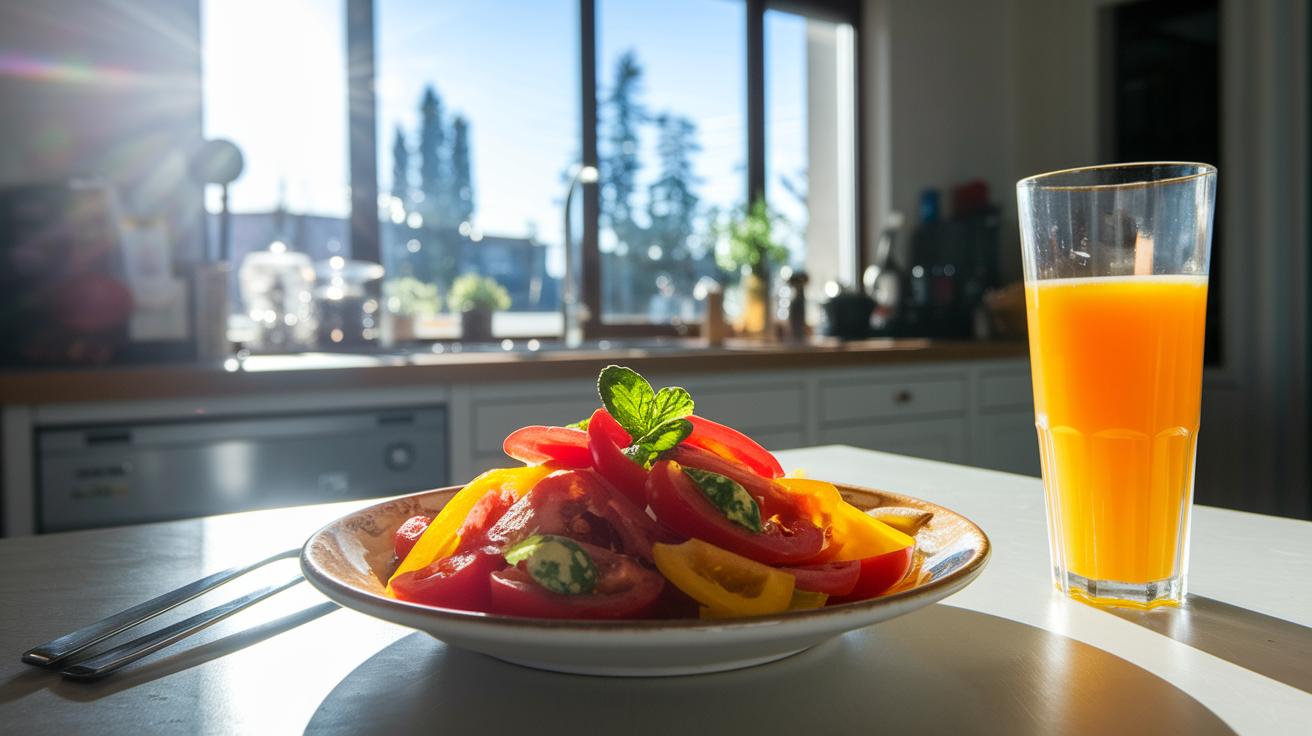
Mixing foods rich in vitamin C with iron-packed meals really helps your body absorb non-heme iron better. Imagine enjoying a glass of fresh orange juice or some crunchy bell peppers along with a dish of beans or leafy greens; it’s a simple trick that makes a big difference. Even the timing of your meals matters, small changes in when you eat and what you eat can help your body get more out of every bite.
Try these friendly ideas:
- Enjoy a bright side salad with juicy tomatoes and a squeeze of lemon alongside your iron-rich main dish.
- Kick off your day with a glass of fresh orange juice to help your body absorb iron from your favorite fortified cereal.
- For lunch, savor a bowl of iron-packed lentil soup served with a side of steamed cauliflower.
- Try to avoid dairy products within one hour of your iron-rich meal to keep calcium from getting in the way.
- In the afternoon, sip on a soothing herbal tea, and hold off on coffee or regular tea right after your iron-packed snack.
These simple tips can really boost your iron absorption. With a little thoughtful pairing and timing, you help your body use the iron in your meals more effectively. Have you ever noticed how small changes in your daily routine can support both you and your little one? Enjoying a refreshing bell pepper and tomato salad with your favorite bean dish is just one way to make meals feel even more nourishing and rewarding.
Iron-rich foods for maternal nutrition: Shine with Strength
Have you ever noticed how using cast-iron cookware can add a little extra iron to your meal? When you simmer a hearty stew or whip up a quick sauté in a cast-iron pan, a bit of iron naturally blends into your dish. This simple trick, teamed with a food-first way to boost iron, works perfectly with your prenatal care vitamins (care during pregnancy) (https://womensconference.org?p=10823) to help keep your iron levels happy. It’s an easy, everyday idea that makes cooking both fun and nourishing for busy moms-to-be.
Imagine a day full of well-planned meals: Start with a bowl of fortified whole-grain cereal and a cool glass of orange juice to help your body soak up the iron. At lunch, treat yourself to a fresh spinach-chickpea salad with lean chicken strips for some extra protein and vitamins. Then, for dinner, enjoy a warm beef and vegetable stir-fry over quinoa that not only gives you a solid iron boost but also brings in folate, calcium, and protein, all so important for keeping you strong and healthy.
These meal ideas are like a friendly roadmap to creating balanced, iron-rich menus. When you mix these handy cooking tips with a little meal planning, you set up a daily routine that keeps both you and your little one feeling nourished and energized.
Monitoring and Preventing Iron Deficiency Anemia in Pregnancy
Tracking your iron intake is important when you're expecting. Instead of stressing over daily iron numbers, try focusing on ways to help your body soak up more iron. Have you ever felt a bit dizzy, noticed your skin looking paler, or felt unusually tired compared to regular pregnancy fatigue?
Keep an eye out for signs like feeling extra exhausted or dealing with headaches, or even if your skin seems to be changing color. Regular hemoglobin checks each trimester can catch small changes early on, letting you feel more at ease.
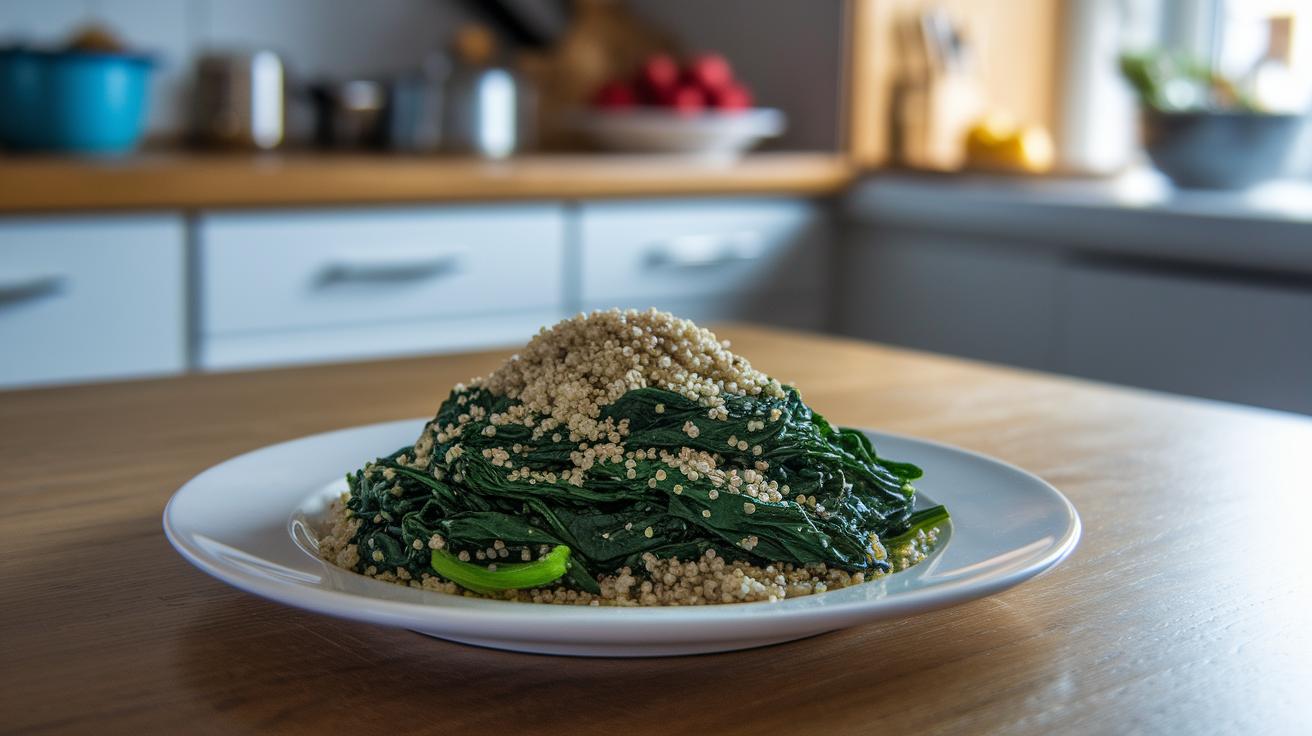
Simple, everyday tips can make a big difference. For example, cooking with a cast-iron pan might naturally up the iron in your meals. Picture a tasty plate of sautéed spinach (with a little boost from the pan) paired with some zesty, citrus-infused quinoa, a small adjustment that brings a cozy, nourishing touch to your day.
Final Words
In the action, the article shows how simple food choices can boost your iron intake during pregnancy. We explored both animal and plant iron sources and the best ways to pair vitamin C foods for better absorption. Practical meal planning ideas were shared along with tips to monitor and prevent signs of deficiency. By focusing on healthy meals and mindful pairing, you can confidently support your daily iron needs. Embracing these tips in your routine will make a positive difference through iron-rich foods for maternal nutrition.
FAQ
What is an iron-rich snack for a pregnant lady?
An iron-rich snack for pregnancy may include options like pumpkin seeds or a spinach smoothie, providing extra iron to help build the extra blood volume needed during this time.
What iron-rich foods are best for a vegetarian pregnancy diet?
Iron-rich vegetarian choices include raw spinach, cooked quinoa, beans, fortified tofu, and pumpkin seeds, which all supply essential iron while fitting well into a plant-based diet.
Is there a list or PDF available for iron-rich foods during pregnancy?
Information on iron-rich foods during pregnancy often appears in resources that list items such as beef tenderloin, spinach, quinoa, beans, pumpkin seeds, and tofu to support vital maternal nutrition.
How can food increase hemoglobin levels in pregnancy?
Increasing hemoglobin during pregnancy can be achieved by including iron-dense foods like lean meats, leafy greens, and beans, and pairing them with vitamin C sources for improved iron absorption.
What foods combine iron and folic acid for pregnancy?
Foods rich in both iron and folic acid include leafy greens, legumes, fortified cereals, and beans, all of which support both blood health and fetal development.
How can one naturally boost blood levels during pregnancy through diet?
Boosting blood levels in pregnancy can be managed by eating iron-dense meals that incorporate lean red meats, leafy greens, legumes, and vitamin C pairs to optimize iron uptake.
According to NHS guidelines, what are good iron-rich foods during pregnancy?
NHS recommendations for iron during pregnancy suggest including items like lean meats, fish, pulses, and fortified cereals, as these choices help maintain healthy iron levels and prevent nutrient gaps.
Which foods are considered high in iron for pregnancy?
High-iron foods for pregnancy include options such as beef tenderloin, spinaches, cooked quinoa, beans, pumpkin seeds, and tofu, all providing beneficial amounts of dietary iron.
How can a pregnant person raise her iron levels using food?
Raising iron levels during pregnancy is managed by regularly eating iron-rich foods like lean meats, green vegetables, and beans, and by pairing these with vitamin C-rich foods to boost absorption.
What iron-rich meals are recommended for postpartum recovery?
Postpartum meals can include lean meat stir-fries, nutrient-packed salads with beans and leafy greens, and smoothies loaded with iron and vitamin C, all designed to help replenish iron stores.