Have you ever wondered how long it really takes to heal after your baby arrives? Recovery can stretch well beyond the first six weeks and might take several months. Some moms see little improvements along the way, like small repairs done one step at a time. Others, especially after a C-section (a type of surgical delivery), may feel the process takes even longer. In this chat, we go over what happens right after birth and as you move forward, giving you a clear look at how your body slowly finds its balance again.
how long is postpartum recovery: A Fresh Start

After your baby is born, the first six weeks are a gentle time of healing. During this period, your uterus slowly returns to its previous size, and any tears or cesarean cuts start to heal. Think of it like your home going through some repairs, the big fixes come first, and the finer details follow over time.
In these early weeks, you might notice lochia. This normal bleeding happens as your body sheds extra tissue and blood, and it can last for up to six weeks. If you had a C-section, you might stay in the hospital for 3 to 4 days, and simple activities generally become more comfortable after about 4 to 6 weeks.
After those initial weeks, full recovery can take anywhere from 6 to 18 months. It really depends on factors like the strength and tone of your pelvic floor and abdominal muscles. It’s like slowly climbing back to the vibrant self you know, every mom’s journey is unique.
Postpartum Recovery Timeline: Vaginal Birth vs C-Section
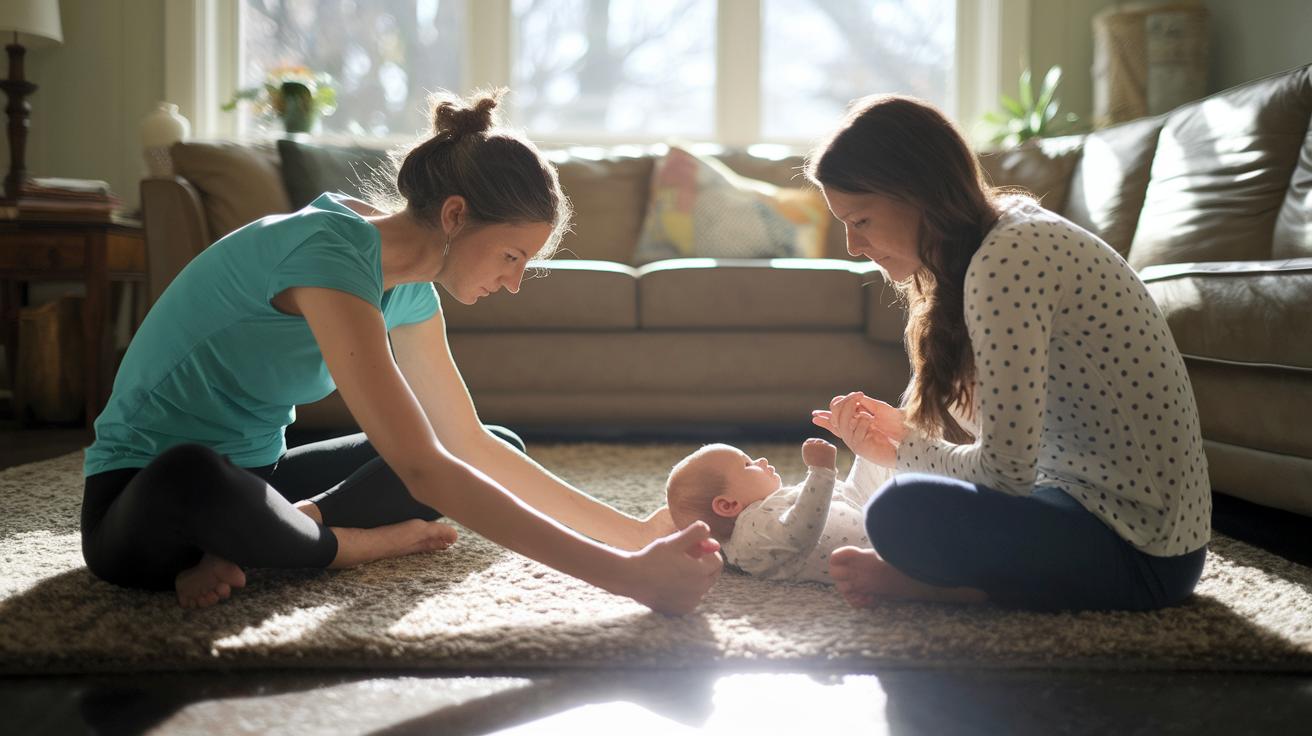
After a vaginal birth, you might feel a bit sore in your lower area for about 2 to 3 weeks. During this time, your body is busy helping your uterus return to its normal size (called uterine involution), a process that usually wraps up by six weeks. Your pelvic floor also starts to regain strength, little by little.
But if you have a C-section, your recovery will look a bit different. Most moms who have a cesarean stay in the hospital for 3 to 4 days. Your incision needs extra care, so you’ll want to avoid bending and lifting much for about 4 to 6 weeks. Even though your uterus also goes back to its pre-baby size by around six weeks, taking care of your incision means you might need a little more time to feel completely well.
| Recovery Aspect | Vaginal Birth | C-Section |
|---|---|---|
| Hospital Stay | Usually a brief stay (often less than 24 hours) | Generally 3–4 days in the hospital |
| Soreness/Healing | Lower area soreness for about 2–3 weeks | Incision healing takes 4–6 weeks with lifting restrictions |
| Uterine Recovery | Returns to normal by six weeks | Similar timeline, with extra care for the incision |
| Activity Levels | Gentle activities can restart gradually | Move slowly at first; gradual increase in activity after 6 weeks |
| Pelvic Floor | Recovers slowly over several months | May take a bit longer, so pelvic exercises are key |
Imagine one mom easing back into her day after a vaginal birth, gently taking on her usual routines, while another is patiently careful after a C-section, avoiding heavy lifts. Each is making steady progress toward regaining strength and feeling better every day.
Key Physical Milestones in Postpartum Recovery
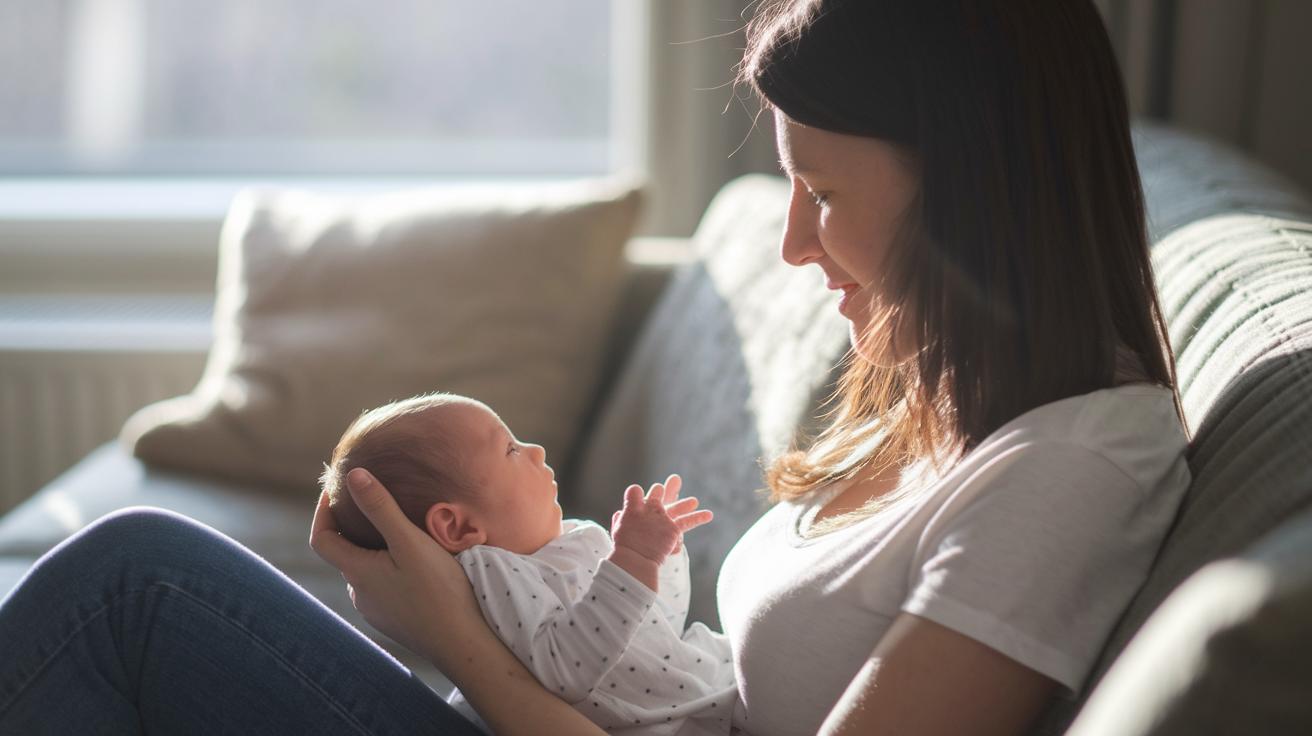
Right after birth, usually within the first one to three days, many moms feel extra contractions and notice some bleeding called lochia, which is perfectly normal. Around days three to four, breast engorgement happens as your milk begins to make its way. During the first week, your uterus starts shrinking back to its usual size, a gentle process known as uterine involution (the body’s way of restoring itself).
Between the second and sixth week, the healing continues. The perineum or any incision is mending, and even the extra veins that might have shown up during pregnancy start to fade. It’s like your body is making little repairs one step at a time, a quiet, steady celebration of your strength.
Then, from about six to twelve weeks, your pelvic floor muscles slowly regain their tone. You might find yourself with a bit more energy as the overall tiredness eases. And as you move along, around three to six months, lots of moms start to feel their abdominal strength improve as their core muscles rebuild.
Finally, anywhere between six to eighteen months after delivery, many mothers can get back to full exercise routines and feel as strong as they did before. This gentle, step-by-step timeline reminds us that recovery is a natural process, unique to each mom’s journey.
Emotional Healing Timeline During Postpartum Recovery

In the first week after giving birth, you might notice your feelings shifting. It’s common to have a few tears or sudden mood swings during what many call the baby blues. Think of it like a brief, unexpected rain shower on a sunny day. These changes happen as your body adjusts after delivery.
Between the second and sixth week, many moms experience a mix of tiredness and changing moods. You might even feel a bit down at times. A gentle cuddle with your baby through skin-to-skin contact or a quiet breastfeeding session can really help soothe your feelings. Imagine wrapping yourself in warmth during these moments, it truly helps your hormones settle.
By the time you reach your six-week checkup, you might start to feel more balanced. Some moms still face emotional ups and downs even beyond this point, sometimes for several more months. Also, as you and your partner settle into your new roles, you’ll notice small, positive adjustments in your everyday life.
Delayed Recovery Signs in Postpartum Recovery and When to Consult
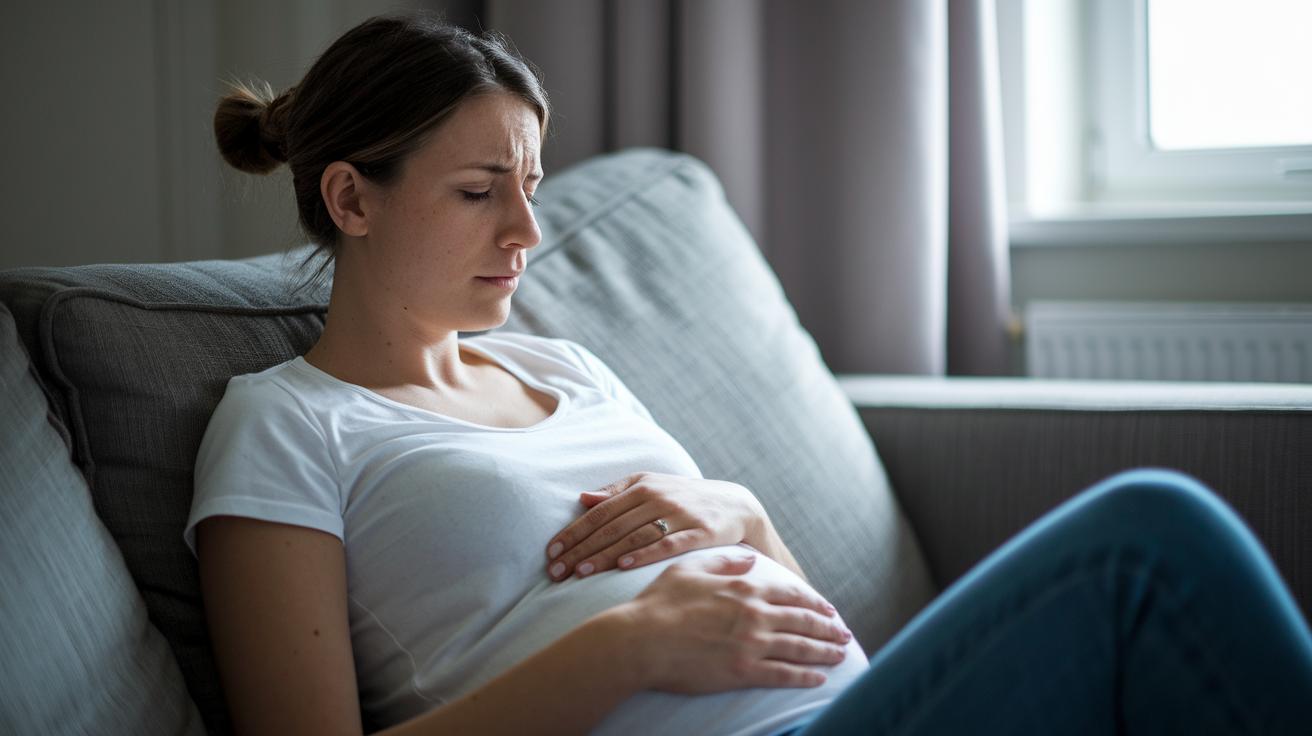
Sometimes your body might take a little extra time to heal after having a baby. If you notice heavy or long-lasting bleeding beyond six weeks, it could be your body asking for help. Keep an eye on your cut too, if it looks red or has any discharge, that might be an early sign of an infection.
It can be really hard when even gentle movement brings on persistent pelvic pain. If simple activities hurt or if your pelvic area feels sore for a long time, it might mean your pelvic floor or the surgical site needs some extra care. Imagine trying to just move and feeling constant pain, it’s a signal to speak up.
If you’re finding it tough to walk without discomfort or if your uterus isn’t going back to its pre-pregnancy size, it could be time to have a chat with your healthcare provider. Severe mood changes or ongoing tiredness that gets in the way of everyday life are also important signs. Trust your feelings, your body knows what it needs.
Pay close attention to these signals. When recovery milestones lag behind what feels normal, reaching out to a professional can help you get back on track.
Guidelines for Postpartum Recovery Care

Taking care of yourself after childbirth is all about gentle self-care and practical tips to help your body heal. Start by setting up a calm, quiet space for rest. Imagine a tired new mom snuggling under a soft blanket after a long day, her body finally getting the chance to recharge.
Focus on eating balanced meals with plenty of protein. Think of simple dishes like scrambled eggs with veggies or a hearty bean soup to boost your energy. And don’t forget to drink water throughout the day, it helps keep your body happy and refreshed.
Once your healthcare provider gives you the nod, try light pelvic floor exercises. These gentle movements help rebuild muscle strength and gradually bring you back to your normal routine. For a little extra comfort, you might enjoy a sitz bath to ease any soreness, or a warm compress to relieve breast discomfort after feeding.
If you’re feeling pain, using NSAIDs or any other medicine your doctor recommends for about two weeks after a C-section can make a real difference. And here’s a tip: prepare a postpartum checklist while you’re still pregnant so you have everything ready when the time comes.
For more detailed tips, check out the postpartum recovery guide at https://womensconference.org?p=
Final Words
In the action, we explored the typical six-week postpartum recovery phase and key physical milestones, as well as the emotional ups and downs new mothers may face. We highlighted differences between recovery after a vaginal birth and a C-section and shared tips for safe self-care. If you're wondering how long is postpartum recovery, keep in mind that individual healing times can vary. Every step forward is a sign of strength, and embracing small progress can lead to bright, healthier days ahead.
FAQ
How long is postpartum recovery for a C-section?
The postpartum recovery for a C-section involves a 3–4 day hospital stay and about 4–6 weeks for basic incision healing. Overall healing, including physical and emotional adjustments, can take several months.
Can postpartum recovery really last 2 or even 7 years?
The idea that recovery takes 2 or 7 years usually refers to complete healing, including pelvic floor and emotional adjustments. Initial physical recovery, however, is much shorter, often within months.
What is the postpartum recovery timeline week by week?
The postpartum timeline starts with day 1–3 for initial contractions and bleeding, weeks 1–6 for uterine involution and healing, and weeks 6–12 for pelvic floor and energy restoration, with progress varying per individual.
How long does it take for the pelvis to return to normal after pregnancy?
The pelvis typically returns to near-normal within six weeks post-delivery, although subtle improvements can continue as pelvic muscles strengthen over the following months.
How long does it take to heal after giving birth with stitches?
Healing after perineal stitches usually shows noticeable improvement in 2–3 weeks, with full recovery taking longer as the body gradually adjusts and regains strength.
What are some useful postpartum recovery tips?
Useful postpartum recovery tips include getting plenty of rest, staying hydrated, eating balanced meals, using gentle exercises when cleared by your provider, and caring for both your physical and emotional needs.
What is postpartum depression?
Postpartum depression is an emotional condition after childbirth that often brings deep sadness, mood swings, and fatigue, and it benefits from timely professional support and self-care practices.
What is the 5 5 5 rule postpartum?
The 5 5 5 rule postpartum encourages taking five minutes for deep breathing, five gentle steps to stretch, and five moments to check in with your feelings, providing a simple method to support self-care.
How long does it take to get out of postpartum?
Getting “out of postpartum” means reaching a stage where both the physical and emotional recovery feel stabilized, typically around six weeks for the body, though emotional adjustments can take longer.
What week of postpartum is the hardest?
Many mothers encounter the toughest days during weeks 2–6 postpartum, when healing intensifies, hormones fluctuate, and daily routines adjust, making this period particularly challenging.