Have you ever paused to marvel at the daily accomplishments of a little one? By the age of two, children are making remarkable progress in their physical, language, cognitive, and social abilities. They walk, run, and play while beginning to string together simple words and demonstrating early problem-solving skills. This article highlights five important milestones that emerge during this exciting period. Discover how each achievement nurtures growing independence and explore easy ways to celebrate every small victory.
Key Milestones in Development in 2 Year Olds
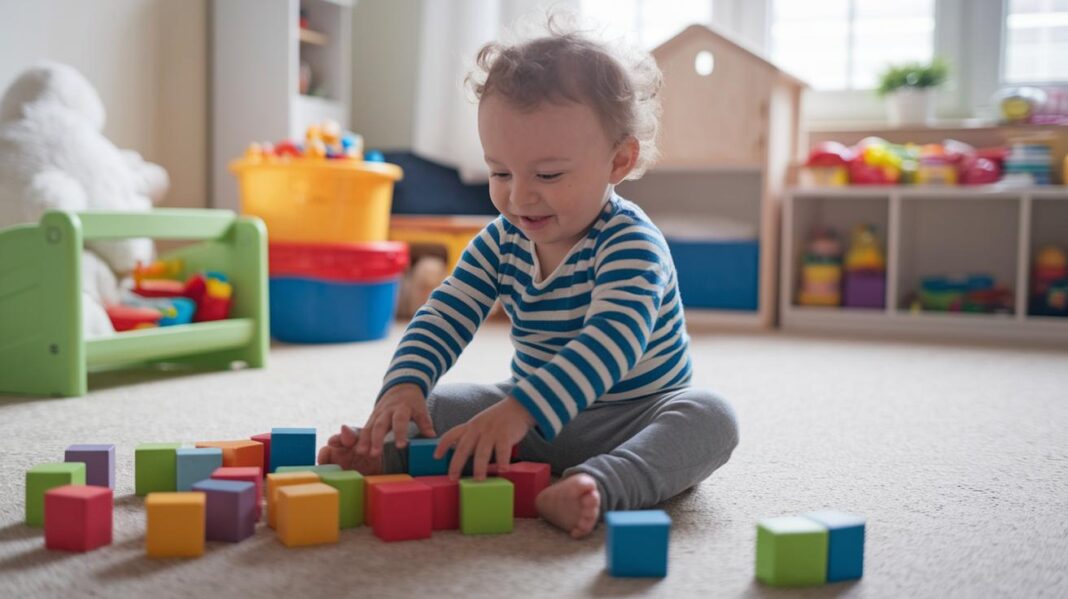
At this stage, two-year-olds make significant progress in areas such as physical, language, cognitive, and social skills. Physically, many toddlers become confident walkers, runners, and jumpers. They can even navigate stairs with support, showing increased muscle strength and balance. Their fine motor skills are also improving as they learn to twist containers to pour out contents and stack blocks accurately.
Language development is also noteworthy. Toddlers begin using simple two- or three-word phrases and often have a vocabulary exceeding 50 words. They point to familiar objects and nod to communicate, which is an important step in expressing their needs. In terms of cognitive growth, two-year-olds start exploring problem-solving skills by engaging in activities like searching for a hidden toy under covers and sorting objects. Socially, their play shifts from working alone to engaging in parallel play, where interactions with peers become more meaningful. This stage frequently hints at early signs of empathy and a growing sense of independence.
It is essential to understand that every child develops at their own pace. While some toddlers may reach these milestones sooner or later than others, each child’s progress is unique. One child may delight in climbing a piece of furniture, while another might enjoy mimicking simple phrases during play. Encouraging activities such as puzzles or interactive language games can support their development. It is important for caregivers to celebrate each child’s individual achievements and provide the necessary support tailored to their unique needs.
Physical Development Milestones for 2 Year Olds
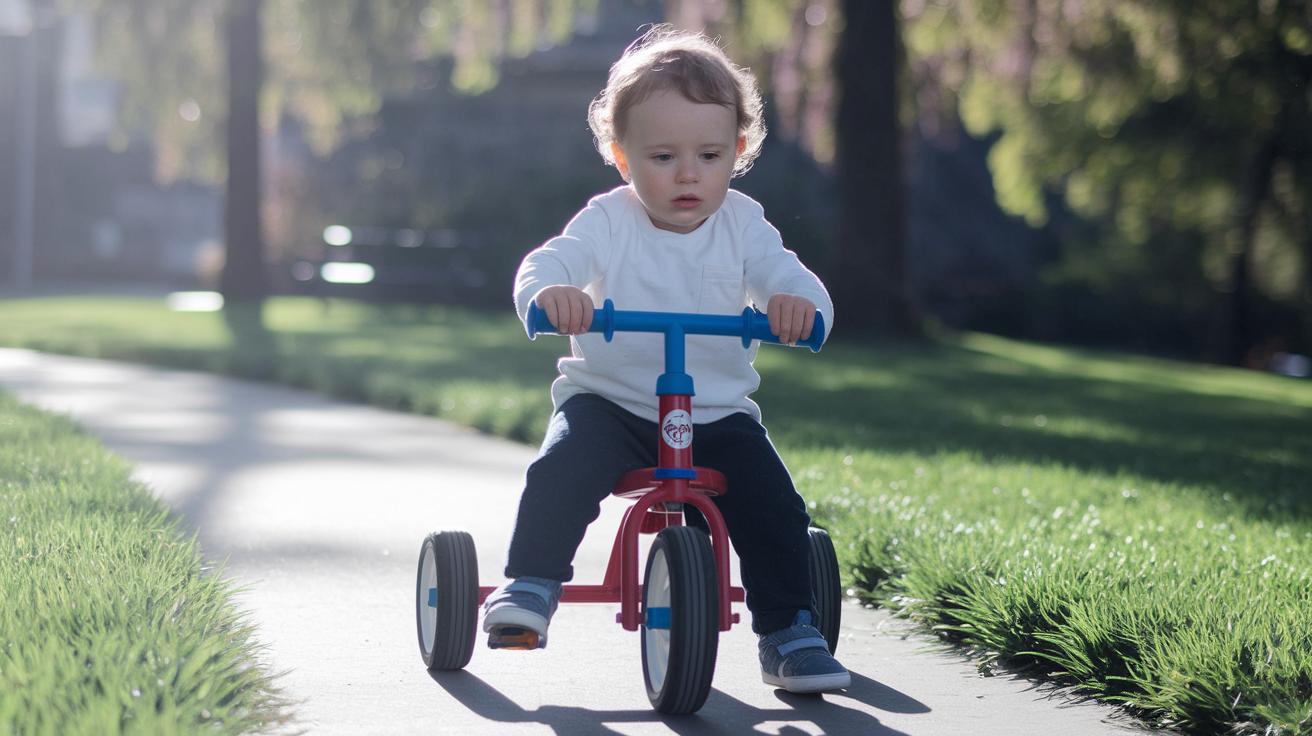
At this stage, little ones show impressive muscle growth and improved coordination. They continue to master classic movements such as walking, running, jumping, and climbing stairs, and adding fun activities can boost their physical progress even more.
- With a helping hand, toddlers can begin learning to pedal a tricycle, gaining early cycling experience.
- Creating mini obstacle courses using soft objects helps build balance and agility. For example, arrange a few pillows as stepping markers to turn the living room into a playful challenge.
- Engaging in simple dance routines promotes rhythm and body awareness. Try playing an upbeat tune and encouraging your toddler to mimic basic moves like twirling or hopping.
Language and Communication Development in 2 Year Olds
At two years old, children begin combining words into small phrases, often using two or three words at a time. Their vocabulary may exceed fifty words, marking a significant step in their language growth. Toddlers start linking words to convey their needs, saying things like "more juice" or "help me up" while also pointing to items they recognize. By interacting with everyday objects, such as tapping a ball when it is named, they demonstrate both an expanding vocabulary and an emerging ability to form simple sentences.
Interactive activities play a crucial role in supporting this development. Reading aloud and engaging in naming games during storytime encourage toddlers to explore language. For instance, asking "What is this?" while pointing at a picture can prompt responses like "doggie" or "car," simultaneously boosting their understanding and verbal skills. Arranging toy blocks and naming them during play further helps children link words with objects.
Caregivers can enhance language skills by incorporating pretend play that involves dialogue. Simple questions like "What do you want to eat?" invite toddlers to form longer responses, building their confidence in communication. Role-playing scenarios, such as a pretend tea party, create a fun environment where children can practice extended exchanges, gradually strengthening their language and communication abilities.
Cognitive Development and Problem-Solving in 2 Year Olds
At this stage, toddlers begin tackling challenges that call for flexible thinking. Instead of repeatedly engaging in hidden-object games, try simple puzzles that invite them to explore different solutions. For example, you might arrange a few puzzle pieces and ask, "Where does this piece go?" to stimulate their analytical reasoning.
Toddlers also enhance their sorting and memory skills through new activities. Replace routine sorting exercises with tasks such as grouping household items by size or shape. Lay out objects of various sizes and ask, "Which one is the biggest?" to encourage them to use memory and comparison skills in everyday situations.
Pretend play now becomes a dynamic way to boost both cognitive and imaginative growth. Set up role-playing scenarios that introduce problem-solving elements. For instance, create a pretend shop where your toddler uses play money and you ask, "How many coins does this item cost?" This kind of activity sparks creativity while building planning, sequencing skills, and a basic understanding of numbers.
Social and Emotional Growth in 2 Year Olds
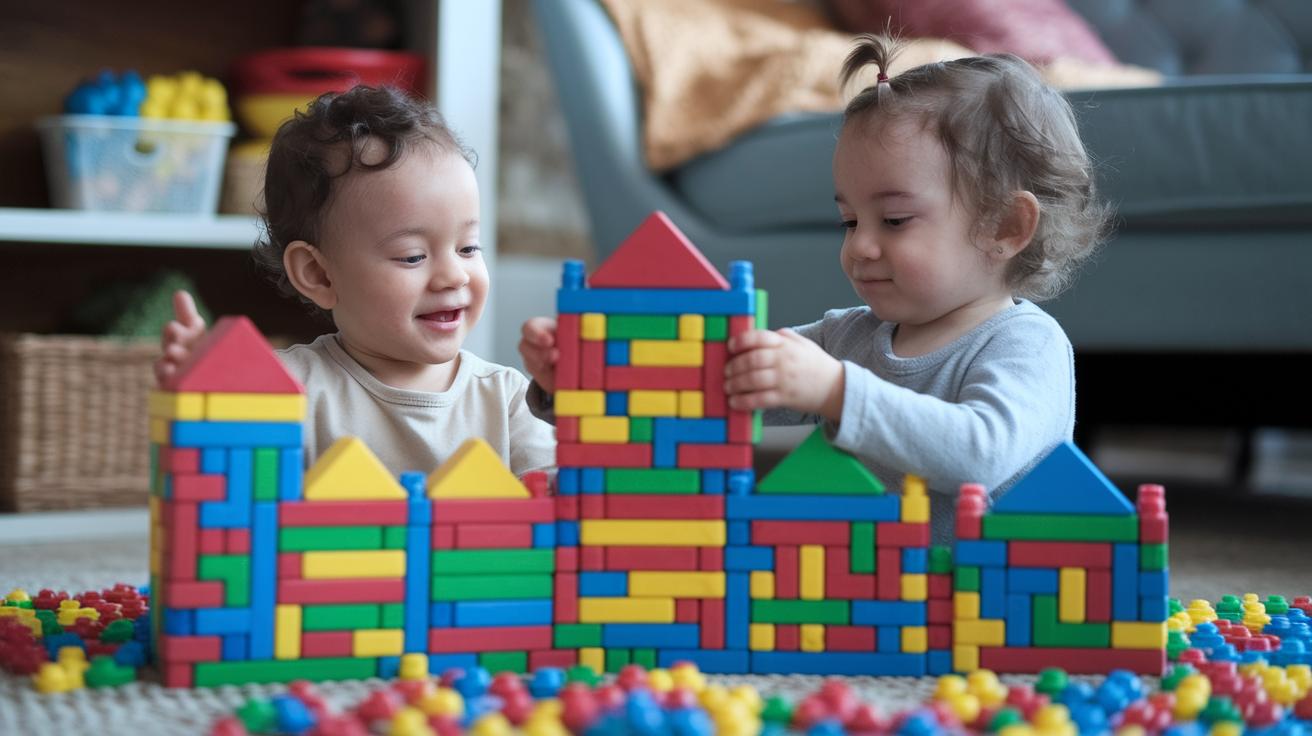
Two-year-old toddlers commonly enjoy parallel play, where they play alongside other children rather than directly interacting. This type of play lets them observe social cues and learn simple interactions naturally. Imagine a group of toddlers sitting close together with blocks, each focused on building, while intermittently sharing smiles and glances that signal budding social awareness. These brief exchanges help lay the groundwork for more interactive play as their curiosity about others grows.
At this age, children also start to express basic emotions using simple words like "I sad" or "happy." They show their excitement by sharing toys and offering help, for example, a toddler might notice a friend struggling to hold a ball and step in to assist. This small act marks an important step in their emotional development and encourages further social engagement.
Parents and caregivers can support this growth by demonstrating positive interactions and guiding children in managing their feelings. Simple strategies such as taking turns during play, calmly addressing tantrums with suggestions like "Let's take deep breaths together," and naming their emotions clearly all contribute to building emotional regulation. These supportive approaches help children feel more confident as they navigate both their feelings and social interactions.
Tracking Progress and Identifying Red Flags in 2 Year Old Development
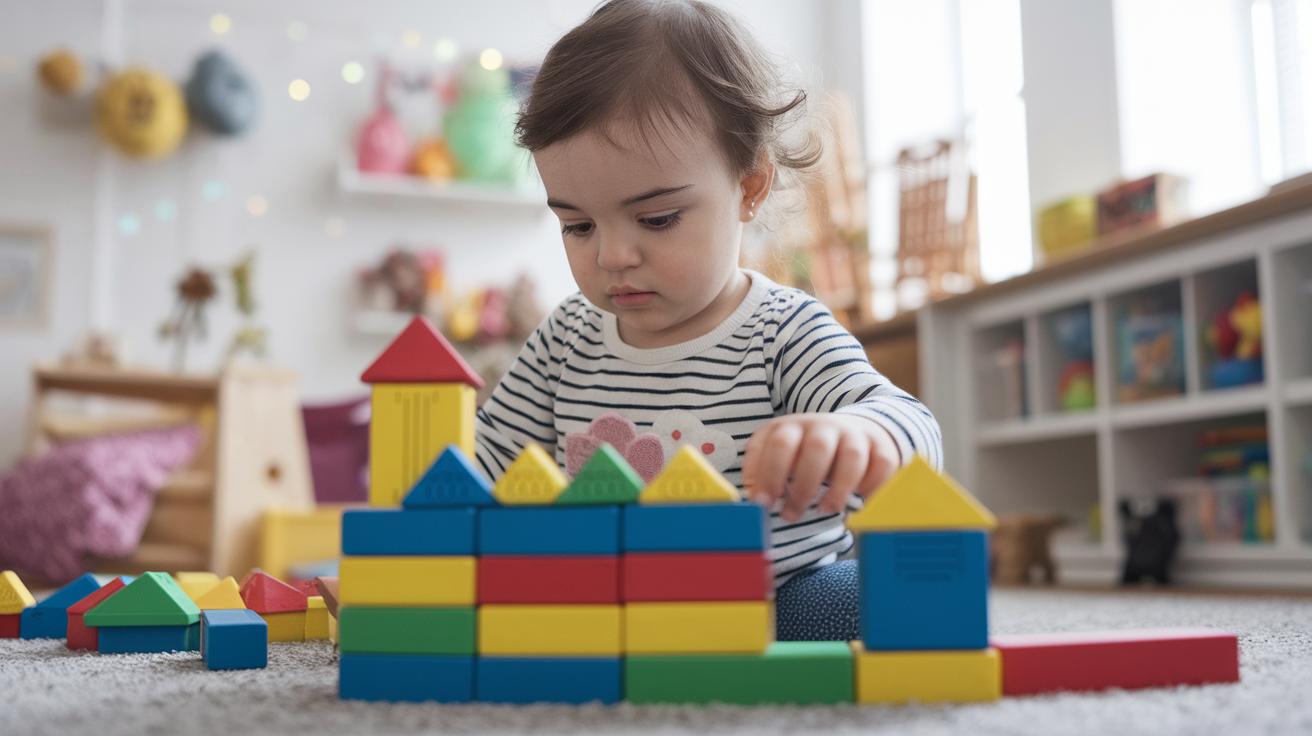
Every child follows its own unique developmental path, and slight differences in reaching milestones are completely normal. However, there are some signs that may signal delays in areas such as speech or motor skills. For instance, if a two-year-old consistently struggles with balancing while walking or has a vocabulary of fewer than 50 words, it might be a good idea to monitor their progress more closely.
Here are some indicators to watch for:
- Difficulty walking steadily or frequent falls
- A vocabulary that remains under 50 words by the age of two
- Trouble following simple everyday instructions
- Challenges with basic fine motor activities like stacking blocks
- Limited engagement during interactive play sessions
- Hesitancy when attempting tasks that require balance, such as climbing stairs
If you observe any of these behaviors, it is worthwhile to consult a pediatrician or a child health nurse. Early screening and, if necessary, referrals to specialists can help provide the right support for your child's development. For example, if your toddler consistently has trouble following simple instructions during play, professional advice could lead you to tailored activities that foster growth in those specific areas.
Activities and Strategies to Support 2 Year Old Development
Introducing playful moments into everyday routines brings delight to toddlers while boosting their cognitive, language, gross motor, and fine motor skills. Incorporate fun and simple activities into daily tasks to make learning feel as natural as play. For example, while putting away toys, you might ask your child to group blocks by color, turning a routine cleanup into a creative game that sharpens problem-solving skills.
- Try building towers with blocks and work on puzzles to encourage problem solving; challenge your toddler by saying, "Build a tower and then let’s see how fast it can come down!"
- Introduce shape sorters to teach differences in size and color; prompt with, "Find the square that fits in the circle opening."
- Set up role-play scenarios such as a tea party or a mini kitchen to enhance language and social interaction; invite your toddler by saying, "Serve some pretend tea and say, 'more tea please!'"
- Dance together to upbeat tunes to help develop balance and rhythm; enjoy twirling along to catchy beats.
- Enjoy a gentle game of tossing a ball back and forth to boost coordination and gross motor skills; roll the ball to each other and capture the joyful moments.
- Explore finger painting to help improve fine motor control; let your toddler dip their fingers in paint and create their own masterpiece on paper.
- Have fun threading large beads onto a string, which improves hand-eye coordination; count each bead as it clicks onto the line.
- Sing along with songs that include gestures to support vocabulary growth and memory; clap, move, and sing every word of familiar tunes like "The Wheels on the Bus."
Tailor these activities to your toddler’s interests and observe which games light up their face with excitement. This approach allows you to create personalized learning experiences that encourage growth across various areas.
Final Words
In the action, we explored growth milestones spanning physical coordination, expressive language, cognitive puzzles, and social interactions. Each section offered insights into motor skills, vocabulary building, problem-solving, and empathy, while also addressing progress tracking and red flags.
Observing development in 2 year olds can guide daily interactions and nurture individual progress. With supportive activities and realistic expectations, fostering development in 2 year olds becomes a joyful journey of growth, empowering both children and caregivers to celebrate every small, meaningful achievement.
FAQ
What should a 2 year old be doing developmentally?
The 2-year-old developmental milestones include mastering gross motor skills like walking, running, and climbing stairs, using simple phrases with a vocabulary of 50+ words, exploring problem-solving skills, and beginning social interactions.
What should your 2 year old be saying?
The 2-year-old language progress involves using two- to three-word phrases, naming familiar objects, and expressing basic needs verbally as they develop an expanding vocabulary.
What are developmental red flags for a 2 year old?
Developmental red flags include inconsistent walking, a vocabulary under 50 words, and difficulty following simple two-step instructions; these signs warrant timely consultation with a pediatric professional.
What should a 2 year old be counting to?
The counting abilities of a 2-year-old vary, with some beginning to recognize or recite numbers up to 2 or 3, although precise counting skills are still in the early stages of development.
What are the milestones for a 2-year-old boy?
A 2-year-old boy typically exhibits motor skills like walking and running, uses basic language such as simple phrases, shows fine motor skills like stacking blocks, and begins engaging in parallel play with peers.
What is included in a 2 1/2 year old development checklist?
A 2 1/2-year-old development checklist generally reviews milestones such as improved language clarity, enhanced motor coordination, better problem-solving abilities, and more advanced social interactions compared to younger toddlers.
What are toddler milestones for 2-3 years?
Toddler milestones for ages 2 to 3 include refinement of gross motor skills, progress in language through longer phrases, increasing problem-solving strategies, and early emotional and social self-regulation skills.
Where can I find a 2-year-old development checklist PDF?
A 2-year-old development checklist PDF can typically be found on reputable child development websites, pediatric resource platforms, and educational organizations that provide detailed milestone guidance.
How does emotional development progress in 2 year olds?
Emotional development in 2-year-olds involves early expressions of empathy, displays of independence, occasional tantrums, and simple verbal expressions of feelings, marking their growing emotional awareness.
What are the milestones for a 3 year old?
The milestones for a 3-year-old include more complex speech patterns, refined motor skills, enhanced problem-solving abilities, and increased peer interaction, building extensively on earlier developmental achievements.