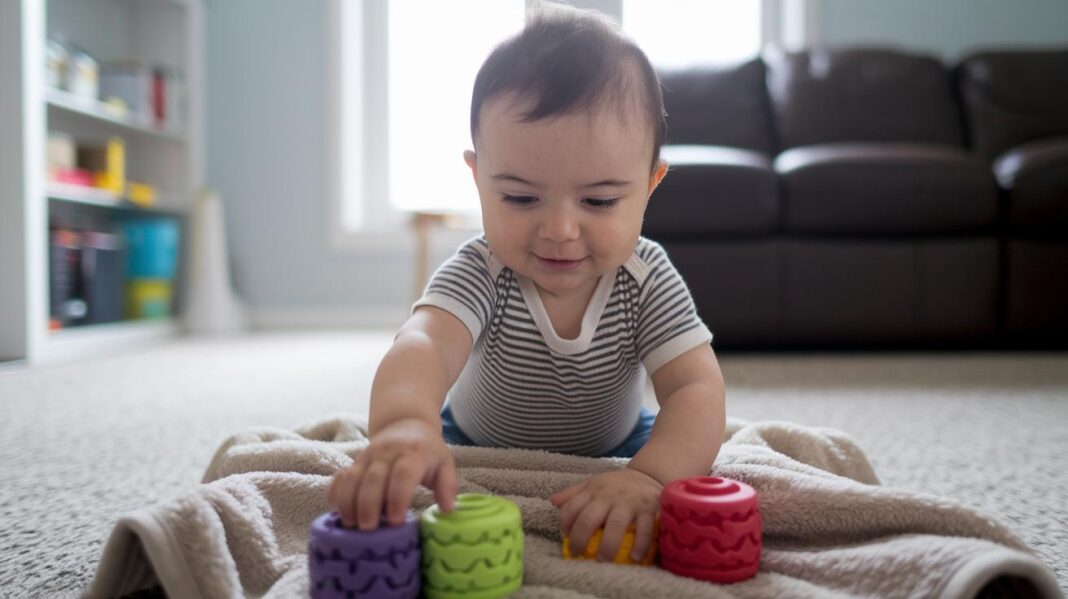
Have you ever stopped to think how little ones pick up on the world so fast? In just a few days, babies can tell who their mom is by her scent and start noticing sounds, tastes, and touches that shape who they will become.
I remember seeing a baby light up at the sound of a soft voice. It made me realize that every little sensory moment is important.
In this chat, we'll look at these joyful milestones and share how these early experiences set the stage for language, movement, and endless curiosity.
Key Stages of Sensory Development in Infants
When babies enter the world, they bring along all five senses, hearing, smell, touch, taste, and sight. Their ability to hear, smell, taste, and feel is quite strong from the start, but their vision takes a little extra time to become clear. In fact, a baby’s eyesight usually starts to sharpen around 3 or 4 months. Fun fact: newborns can recognize their mother's scent within only a few days, showing just how powerful their sense of smell is.
During the first six months, little ones quickly start to pick up on sounds and voices. They listen intently to the tone and rhythm of language, which lays the groundwork for later communication. At the same time, their taste buds develop and they begin to explore different textures with their hands and mouths, safely discovering new foods and objects through touch. It’s a lively period where every gentle grasp or curious mouthing adds to their growing motor skills.
Between six and twelve months, babies move into a new stage where they begin to blend their senses. They start coordinating what they see with what they feel or hear, showing early steps toward more complex learning. These combined sensory experiences are like little building blocks that help shape their understanding of the world and support their overall mental growth.
Each small milestone is a quiet celebration in itself. Every new discovery not only sparks joy but also lays the foundation for important skills, like language and problem-solving. It’s a time full of gentle wonder and heartfelt progress, as babies gradually piece together the big puzzle of life.
Newborn Sensory Perception in Infants
When babies come into the world, they already have a set of senses that help them connect with everything around them. They start off by hearing, smelling, tasting, and feeling from the very first moment. Interestingly, a baby’s sense of smell is very important. In just a few days, many little ones can recognize their mom’s scent, which naturally encourages bonding and feeding.
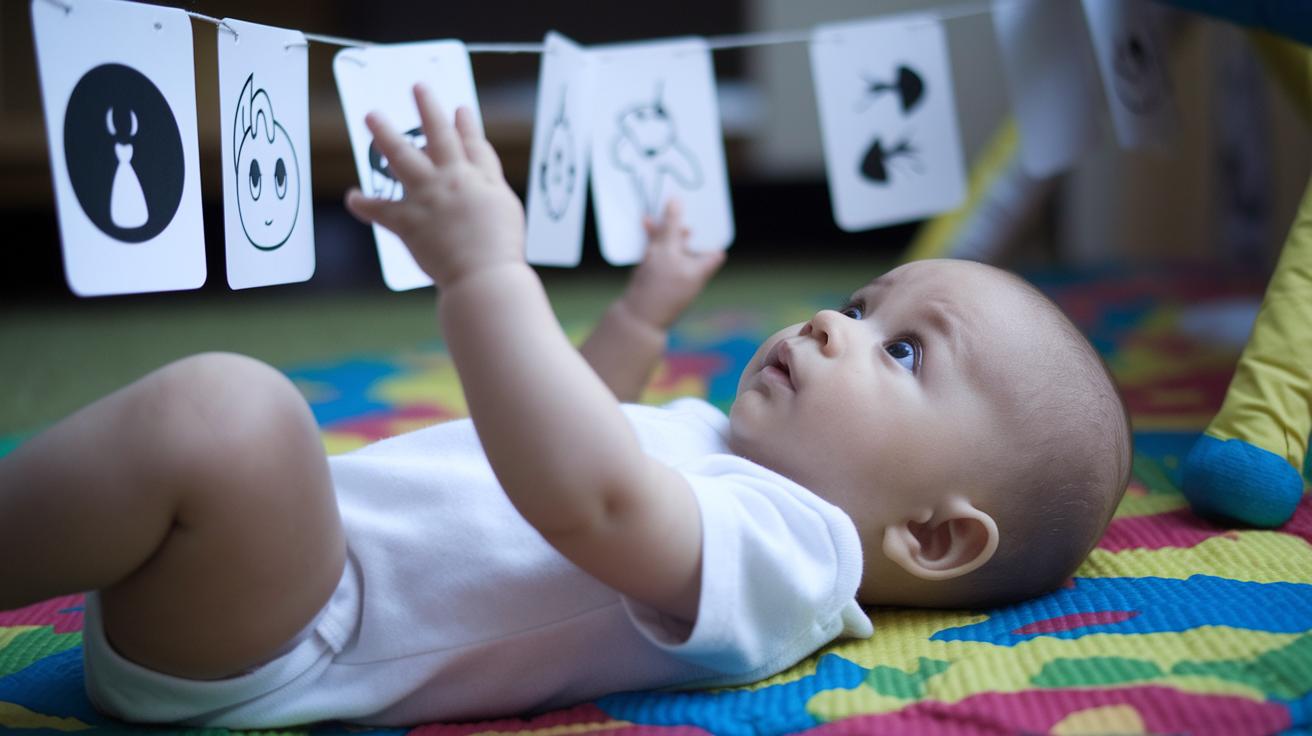
It’s also common for newborns to react to sounds. For example, a sudden loud noise might trigger what we call the Moro reflex, a kind of startled response. Offering a pacifier or a gentle rocking motion can help soothe them when this happens. Even though their eyesight is still getting stronger, infants tend to be drawn to high-contrast patterns. They can see best from about 8 to 12 inches away, and bold colors or simple shapes capture their attention, setting them up perfectly for later visual milestones.
Babies also experience taste and touch early on, which helps them start exploring their new environment. Every soft sound, gentle touch, or familiar smell lays down a small building block for their future growth. It's pretty amazing how every little sensation they pick up now helps to shape their growing understanding of the world, making each moment a joyful milestone in their sensory journey.
Visual Tracking and Sight Progression in Infants
Right from birth, a baby’s vision is still growing. Newborns see only simple, high-contrast patterns, so those bold black-and-white cards are like magnets for their eyes. Imagine your little one gazing at a striking card, each simple shape is a first step in learning to see the world.
By around 3 months, babies begin to follow moving objects and start to recognize familiar faces. At this stage, their eyes start to work together with the world around them. It can be really special to see your baby tracking a swinging toy or a caregiver’s smile. Have you ever watched them notice something and felt that spark of wonder?
Between 4 and 6 months, infants make great progress in spotting colors and shapes. Fun activities like using contrast toys or a Montessori Newborn Contrast Book can boost their visual skills while adding a playful twist. Plus, regular tummy time is important. It strengthens neck muscles, making it easier for your baby to look up and follow moving objects. Each glance helps your little one explore and make sense of a bright and beautiful world.
Auditory Processing and Language Milestones in Infants

Infants come into the world with a wonderful knack for picking up sounds. Even as newborns, they can tell where a noise is coming from and react quickly when something loud catches their attention. In those first few months, babies light up when they hear a familiar voice, turning their little heads toward the sound. It’s a sweet sign that they’re already tuning into the world around them.
Around three to six months, many babies start to babble. This playful experimenting with sounds hints at the start of language learning. At this age, simple musical toys, rattles, or gentle back-and-forth chats work wonders in encouraging them to listen, mimic, and play along. It’s like they’re slowly finding their own voice through everyday fun.
Between six and twelve months, things get even more exciting. Babies begin to tell different sounds apart and start putting together word-like noises. Fun games, such as matching different pitches or rhythms, not only brighten their day but also build a strong foundation for language development milestones (see details at this link: https://womensconference.org?p=10998). Each little babble becomes a joyful stepping stone toward meaningful conversation. These early sound adventures invite parents to join in and make every moment a little more special.
Tactile Growth and Touch Response in Infants
When a baby is born, touch is one of the first ways they start to know the world. Newborns have natural reflexes like rooting and grasping, which gently guide them toward all the soft and new things around them. For example, when your little one touches a fabric book, they often bring their hand to their mouth, almost like they're tasting something familiar and cozy for the very first time.
Between three and six months, babies love to explore different textures with both their hands and mouths. Toys like sensory blocks and textured balls become little adventures, inviting them to feel and discover various surfaces while also helping them fine-tune their motor skills. You might even try a soft massage with your baby, just like a warm hug, to help calm them and encourage a positive touch response.
By the time your baby is six to twelve months old, they start using a pincer grasp to pick up smaller objects. This hands-on discovery not only improves their coordination but also builds confidence as they explore their surroundings. Every new touch is a small step that deepens the bond between you and your child, sparking curiosity and joyful learning. Each of these moments helps create a strong, secure connection that grows with every day.
Integrating Senses: Motor-Sensory Coordination in Early Infancy
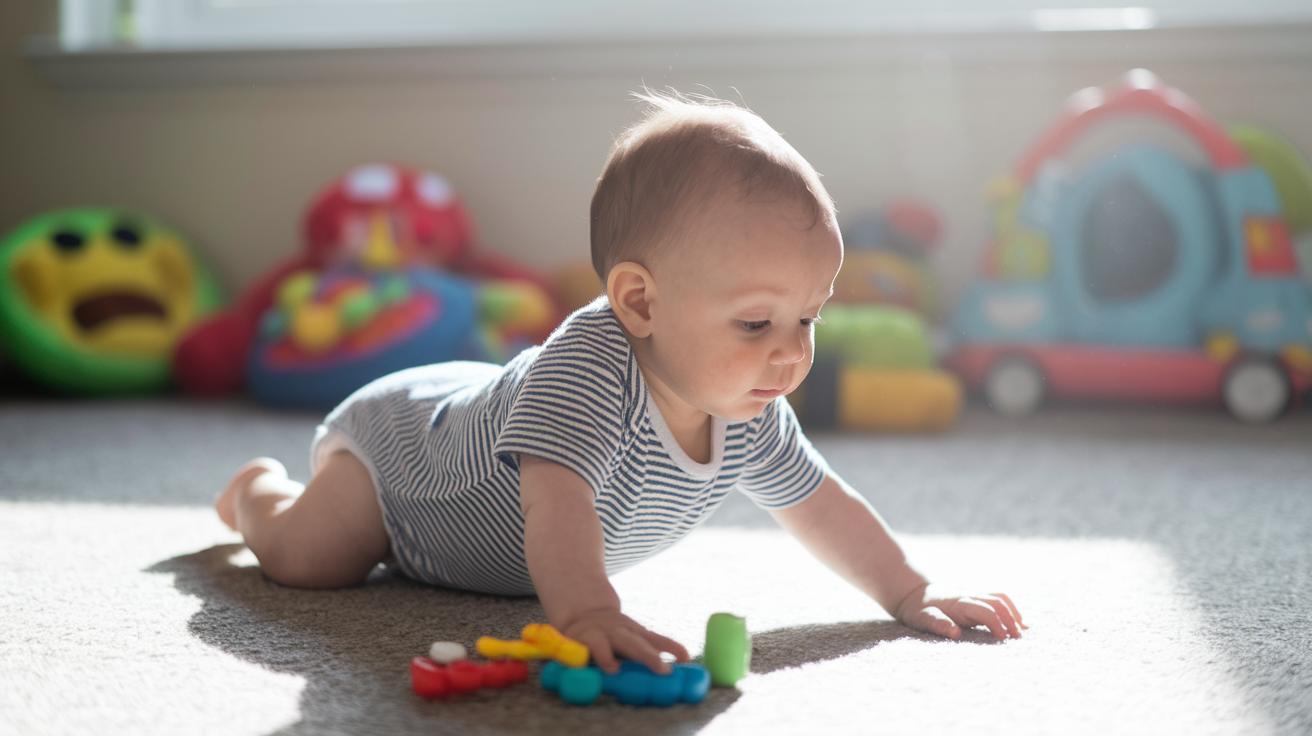
Between 4 and 6 months, babies start linking what they see with how they move. Every look and little grab turns into a fun learning chance. Regular tummy time is more than just play, it helps build strong neck and tummy muscles while boosting their balance. Picture a bright room with a colorful toy that invites your baby to reach out as they roll during tummy time.
Around 6 to 9 months, as babies begin to crawl, they get better at noticing how their body moves. Crawling is like a tiny workout, helping them learn about their arms and legs while feeling more sure of themselves with each step. It’s a natural way to explore, with every crawl adding a bit more body awareness and balance.
Simple activities, like gentle rocking or holding your baby in a supported standing position, blend movement with sensory experiences. Whether it's during a warm cuddle or a playful moment, these activities do more than offer comfort. They help tie together the feelings of movement, sight, and touch, creating joyful milestones that build a steady balance and the excitement to explore the world.
Sensory Milestones Timeline: Chart for Infant Development
This timeline is a handy guide to help you track your baby’s growing sensory skills. Right from the start, babies begin following moving objects with their eyes and reacting to sounds. They naturally reach out to grab things, showing their built-in grasp reflex. Between 4 and 6 months, you might notice exciting changes. Your little one starts to see colors clearly, begins babbling, and explores toys by touching them. These months are all about exploring new sights, sounds, and textures, laying the groundwork for more advanced skills later on.
From 6 to 9 months, many babies learn to sit on their own while they enjoy tasting new foods and feeling all kinds of textures. Then, between 9 and 12 months, your baby develops a pincer grasp (using the thumb and finger) and may even wave hello to familiar faces as they start to understand simple words. This simple guide helps you know what to look for as your baby grows, and it’s a great reminder to create everyday interactions that boost both sensory and motor development.
| Age Range | Visual Milestone | Auditory Milestone | Tactile Milestone |
|---|---|---|---|
| 0–3 months | Follow objects | Respond to sounds | Grasp reflex |
| 4–6 months | Color vision | Babbling | Object exploration |
| 6–9 months | Sit unsupported | Taste variety | Texture exploration |
| 9–12 months | Pincer grasp | Wave | Understand simple words |
Sensory Stimulation Activities for Infant Growth
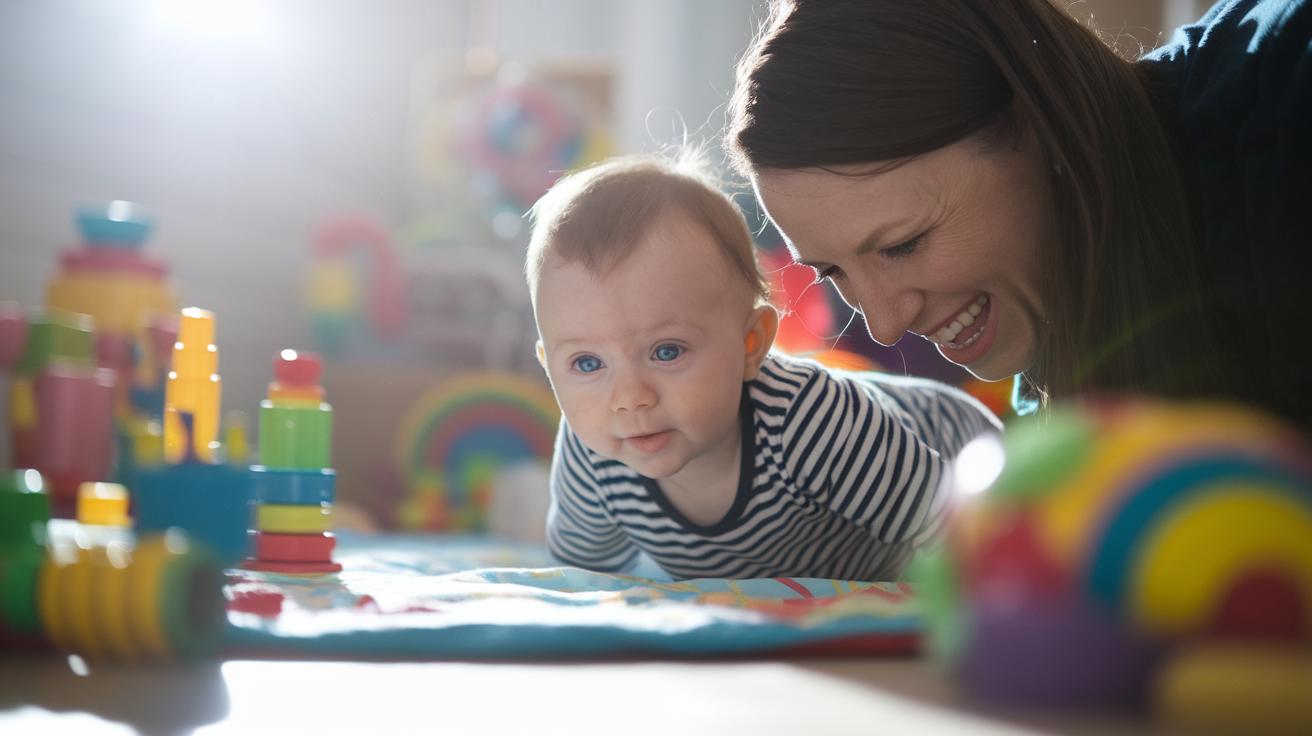
Caring for your baby means sharing gentle play that wakes up their senses. Little activities like these let your baby explore sounds, colors, and various textures in a fun, simple way. For example, try using black-and-white cards. They show clear, bold pictures that grab your newborn's attention and help build early vision skills.
Rattles and sing-along games are a delightful way to nurture your baby's hearing. When you sing and shake a rattle, you’re introducing a mix of sounds while enjoying a sweet moment together. For hands-on fun, set up a treasure basket filled with safe objects of different textures. Your little one can explore soft, bumpy, or smooth surfaces, which is great for developing a sense of touch.
Water play can also be a fun choice. Whether during a warm bath or a gentle splash in a small basin, it helps your baby experience temperature changes safely. Going on a nature walk offers a mix of sounds like rustling leaves and new scents that brighten the day. And a light, caring massage doesn’t just relax your baby, it also helps them tune into their body.
Sensory bottles filled with colored water and glitter create a magical visual treat and show a bit of cause and effect. And, of course, the classic peek-a-boo game combines both sight and sound to spark both curiosity and comfort. Each activity is a step towards wonderful new milestones as your baby begins to discover the vibrant world around them.
Influencing Factors and Best Practices in Infant Sensory Development
Your baby’s journey starts long before birth. What you eat, your stress levels, and your overall health gently shape how your baby experiences the world. Even small changes during pregnancy can lead to noticeable differences in how your little one reacts to sounds, lights, and other things. Creating a calm environment while you’re expecting can help set the stage for a balanced sensory world later on.
After your baby is born, offering a quiet and safe space can make a big difference. By tuning in to your baby’s cues, like soft coos or moments of fussiness, you can help them learn to process new sensations. Gradually introduce different sounds, lights, or textures so your little one isn’t overwhelmed. And if you notice signs like extra crying or fidgetiness, it might be a hint to slow things down for a bit.
Simple soothing methods, like a gentle touch, soft lullabies, or snug swaddling, can calm your baby during overwhelming moments. Try different techniques to see what comforts your little one best. Remember, every baby is unique, so keep observing and adjust your approach as needed.
Final Words
In the action of observing our little ones grow, we see how each step builds on the last. This post touched on baby milestones, from newborn touch responses to visual and auditory signals, while showing practical ways to support sensory development in infants. Every playful moment and gentle touch helps spark those important sensory skills. Enjoy cherishing these discoveries, and take comfort in knowing that every little step makes a big impact.
FAQ
What does sensory development in infants from 0–12 months entail?
Sensory development in infants from 0–12 months involves the early use of hearing, touch, taste, and smell with vision gradually developing by 3–4 months. Infants develop multisensory integration through everyday experiences.
What activities support sensory development in infants?
Activities like using black-and-white contrast cards, textured toys, gentle massages, water play, and peek-a-boo help boost sensory skills by encouraging exploration of sounds, textures, and visual cues during play.
What are the five senses involved in sensory development?
The five senses in sensory development include hearing, smell, touch, taste, and sight. Each plays a vital role as infants grow, from reflex responses at birth to more refined perception over time.
At what age do babies start developing sensory skills?
Babies begin developing sensory skills right at birth by responding to sounds, touch, smell, and taste. Visual skills start to improve by 3–4 months, with gradual integration of all senses as they grow.
In what order do babies’ senses develop?
Babies first rely on hearing, touch, smell, and taste at birth while vision starts off limited. Over time, as their visual and motor skills improve, infants learn to coordinate multiple senses together.
Can I find sensory development information in a downloadable PDF?
Yes, many trusted parenting and medical websites offer downloadable PDFs on sensory development that include milestone charts and practical tips to support early sensory growth.
How does sensory development in toddlers differ from that in infants?
Sensory development in toddlers builds on infancy by refining skills like visual tracking and fine motor coordination, allowing them to actively explore and interact with their environment in more complex ways.