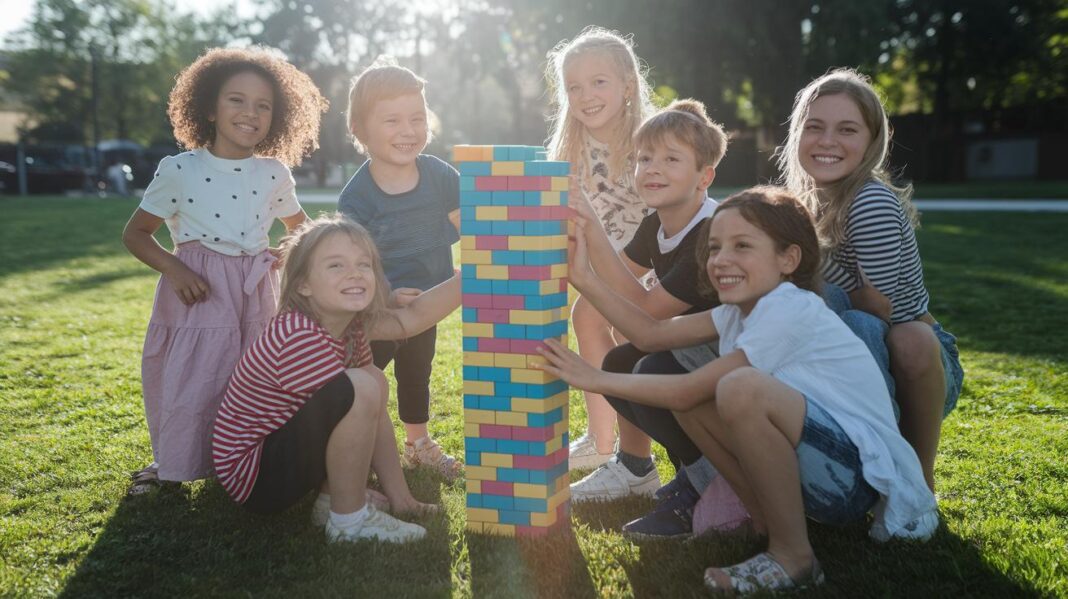
Ever notice how simple family chats can shape your child's social skills? Every meal shared and kind word spoken builds little seeds of trust and kindness. When our family bonds are solid, it’s like laying a strong foundation that supports everything else. In this post, we look at how everyday routines help shape social skills and boost confidence. Think of every conversation as a chance to help your child grow into someone who can easily connect with others.
Family Dynamics and Social Development: An Overview
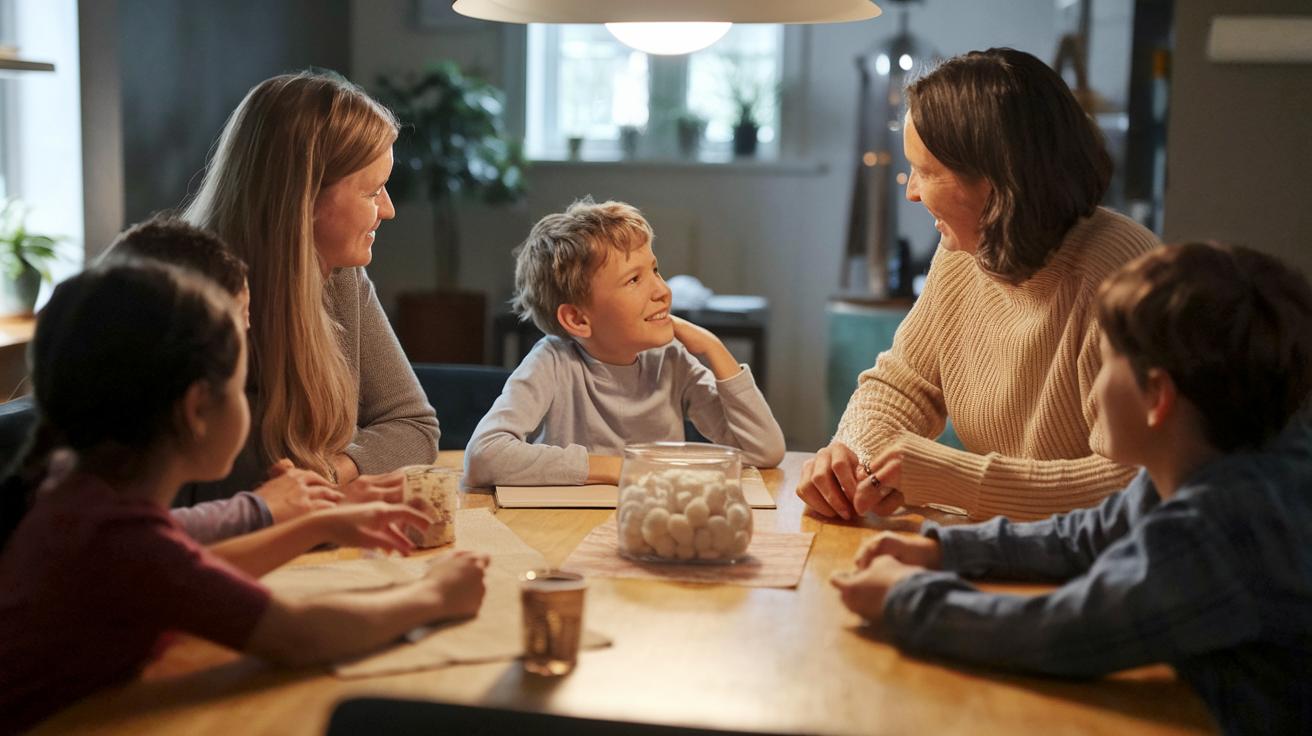
Every family is like a little school for our kids. They pick up trust, respect, and good behavior right at home without even thinking about it. When we really listen and talk with one another, little ones learn important social skills. For instance, when a mom says, "Let's talk about our day," kids feel safe to share what’s on their minds.
But the home is more than just walls and furniture. It shapes how children learn about routines, safety, and love. Think of it like setting the dinner table, when everyone sits together, kids naturally learn about sharing and working as a team.
A steady home where basic needs are met really makes a difference. When families ensure there’s plenty of good food, a safe place to live, and lots of love, children feel secure and confident. This secure feeling gives them the courage to try new activities like making friends or joining a game.
Everyday acts at home teach big lessons. When parents show kindness or handle a disagreement with calm words, children watch and learn. These simple moments help kids build trust and grow empathy over time.
Experts agree that everyday interactions, ideas like attachment and social learning, play a big role in shaping a child’s social skills for the future.
Parenting Styles Influence on Child Social Development
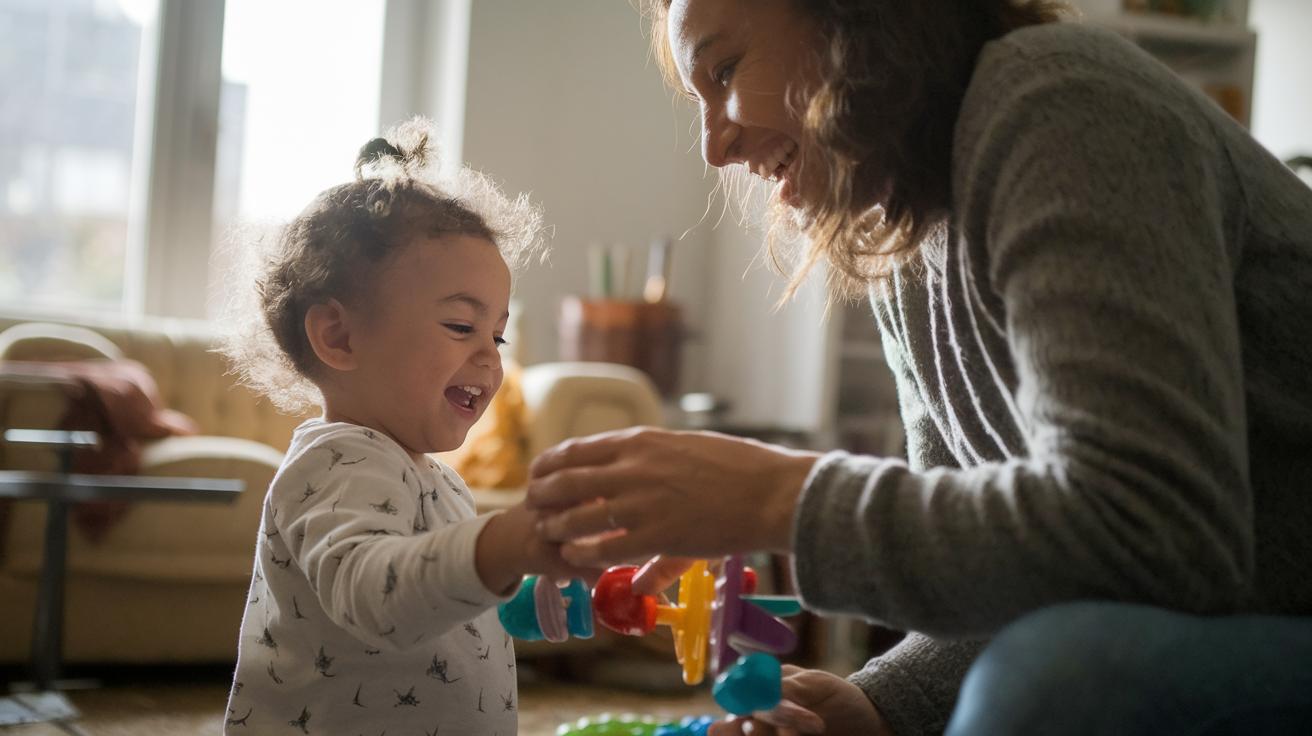
Parents really shape how our kids learn to make friends and share feelings. When we guide our children with a mix of love and clear rules, it shows in how they play, talk with others, and manage their emotions. I often think about how a warm word paired with a gentle boundary can create such a secure little world for a child.
When parents get involved, maybe by setting up a simple game or even just showing respectful ways to solve little problems, kids pick up on these habits. They watch us handle feelings and learn to speak up about what they need. And you know, they start to feel more confident during playtime and everyday chats.
Here's a simple look at Baumrind's four parenting styles and what they might mean for kids:
| Parenting Style | Outcome for Kids |
|---|---|
| Authoritative | A mix of warmth and clear rules helps kids build strong social skills and good friendships. |
| Authoritarian | Strict rules with less warmth can make children obedient, but sometimes a bit shy around others. |
| Permissive | Lots of warmth without enough limits might leave kids struggling with self-control in social situations. |
| Neglectful | Lack of warmth and clear rules often leads to kids finding it hard to manage emotions and interact well. |
Using loving, clear guidance helps children learn not just to follow rules, but to settle disagreements and show empathy. It's like setting a cozy example at home, so they feel ready and strong when meeting new friends or joining group play. Have you ever noticed how a small act of kindness at home can make a big difference in their little world?
Sibling Relationships' Impact on Social Development: Uplifting
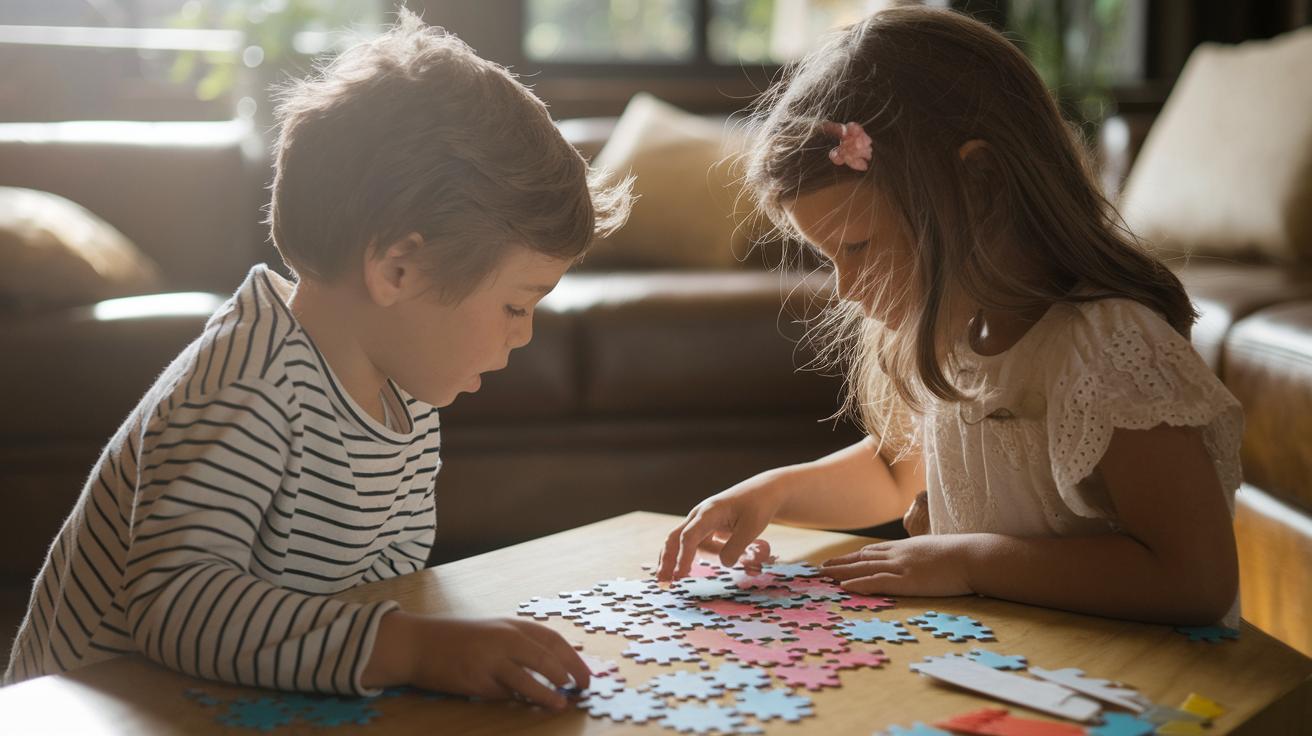
Siblings are often our very first friends and teachers. They set the stage for learning through play, sharing toys, taking turns, and sometimes even figuring out little quarrels. Imagine two kids working together on a puzzle; one might say, "I need that piece, but you have it right now!" Moments like these help them learn to resolve conflicts in a gentle, everyday way.
Working together and a bit of friendly rivalry both play a role in shaping a child's social skills. When siblings share caring moments, it boosts their confidence and helps them feel truly at home. Each playful exchange or minor disagreement is like a tiny life lesson that shows them how to support each other and handle differences, sort of like playing a fun team sport where a bit of competition brings out the best in everyone.
Regular time together with a brother or sister builds a sense of security and helps kids find their place in the world. In a home filled with hugs, playful teasing, and even a few squabbles, every shared moment teaches them how to build meaningful, respectful relationships as they grow up.
Family Communication Patterns and Conflict Resolution for Social Development
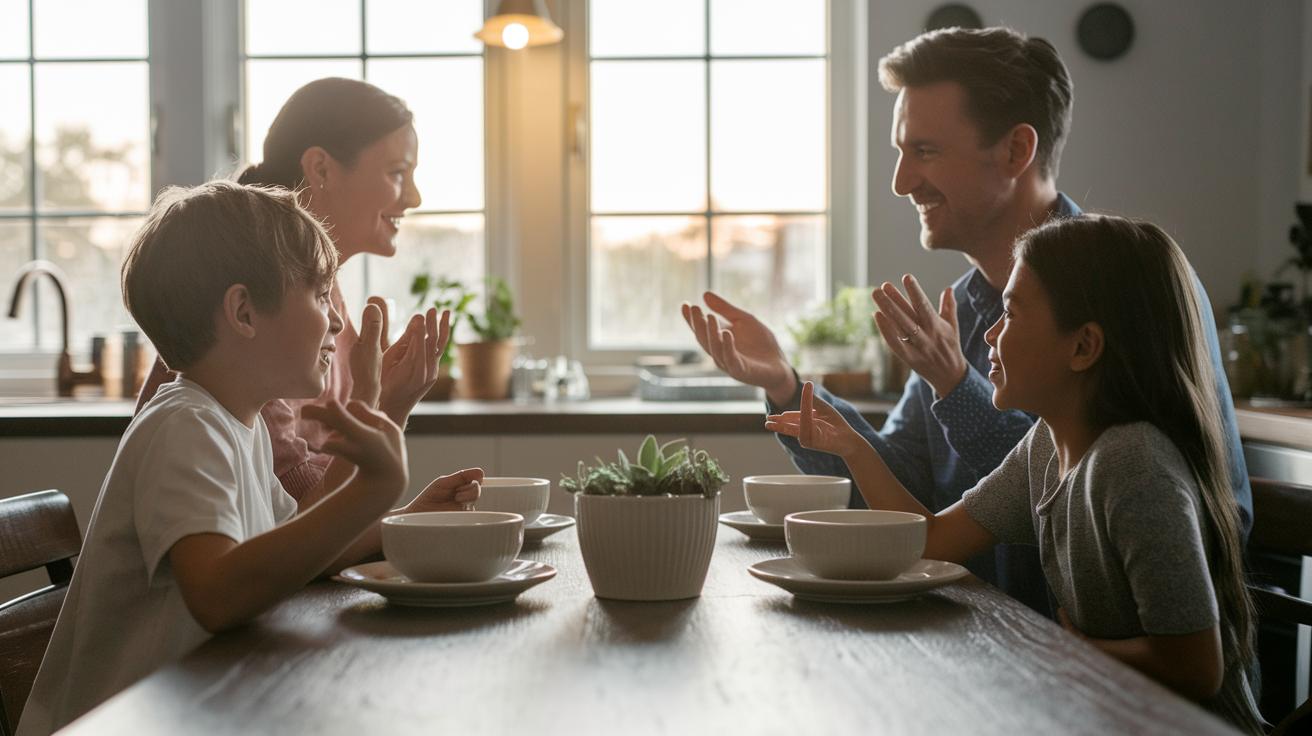
Family talks are a simple but powerful way to help kids learn how to share their feelings and handle disagreements. When everyone at home chats openly and honestly each day, it shows children that every emotion matters. Imagine sitting around the dinner table and each person, from parents to the little ones, sharing their day. This kind of everyday conversation builds trust and helps kids put their emotions into words.
When parents stay calm and talk through differences respectfully, they show their kids how to negotiate and keep their cool. These gentle lessons help lower rough or aggressive behavior and get kids ready to manage conflicts outside the home too. On the flip side, if family conversations are few or unpredictable, children might feel left out or confused. A child growing up with chaotic talking might not know how to act or express what they're feeling during a disagreement.
| Style | Characteristics | Child Outcome |
|---|---|---|
| Open | Honest, clear, and consistent conversations | Increased empathy and effective conflict resolution |
| Restricted | Limited emotional sharing, guarded responses | Potential social withdrawal and difficulty expressing feelings |
| Chaotic | Erratic, inconsistent, and unpredictable | Heightened anxiety and uncertainty during conflicts |
Every chat and every smile during these daily moments helps build the social skills that kids carry with them as they grow.
Family Structure, Cohesion, and Their Role in Social Development
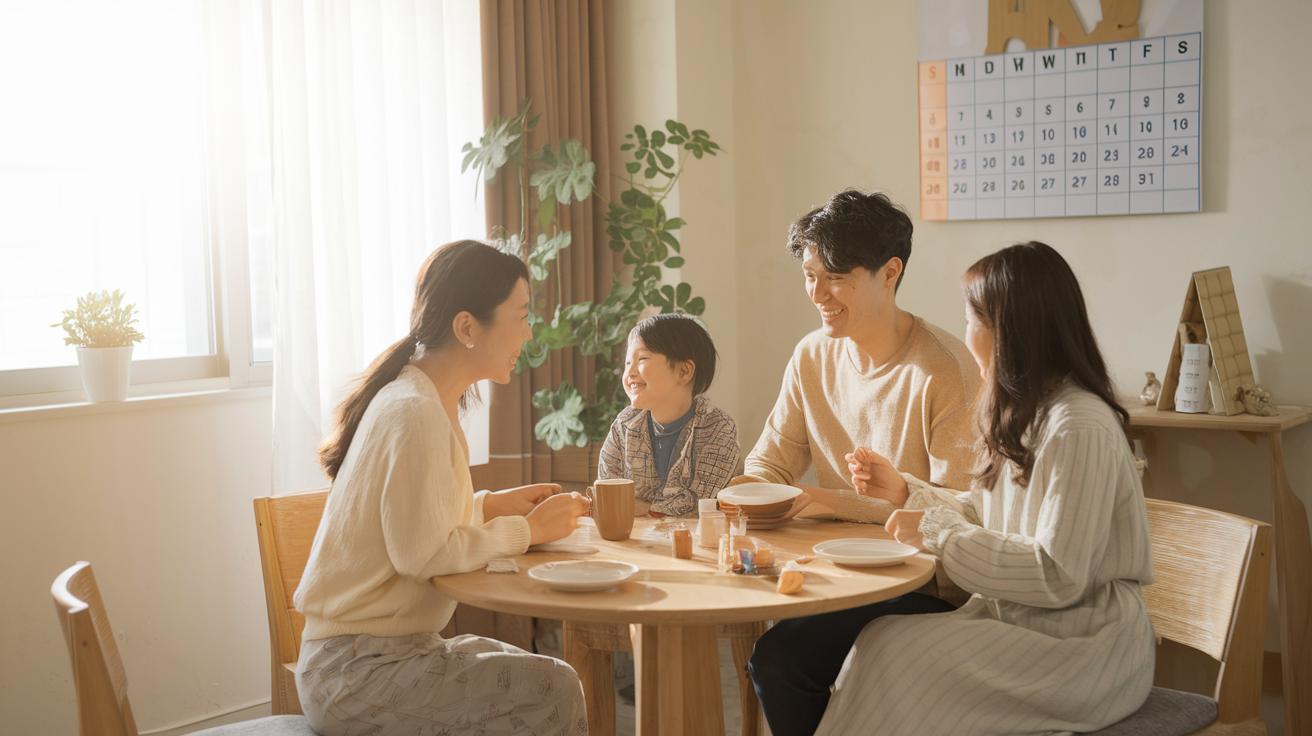
A warm, steady home with clear routines makes a big difference for a child's social growth. When a house feels safe and predictable, kids naturally learn how to trust others and interact with them. For example, when a family shares dinner every night or follows a regular bedtime, kids pick up that rules and care go hand in hand.
Every family setup brings its own special lessons. In a home with one parent, children might grow up learning independence as they watch their parent handle many roles. In blended families, the mix of different traditions can teach kids the art of compromise and flexibility. And when extended family members are part of daily life, little ones get the chance to see respectful interactions across generations.
Community programs also add a helpful boost to family life. Preschool initiatives and other support groups create a network of care that builds on what happens at home. Have you ever noticed how community support can make a difficult day feel a bit lighter? When children see steady family routines paired with positive community care, they develop the resilience and social skills needed for life's friendships.
In the end, families that mix strong bonds with clear structure create an environment where children can grow up feeling safe, supported, and ready for the world.
Parental Conflict, Stress, and Impacts on Social Development
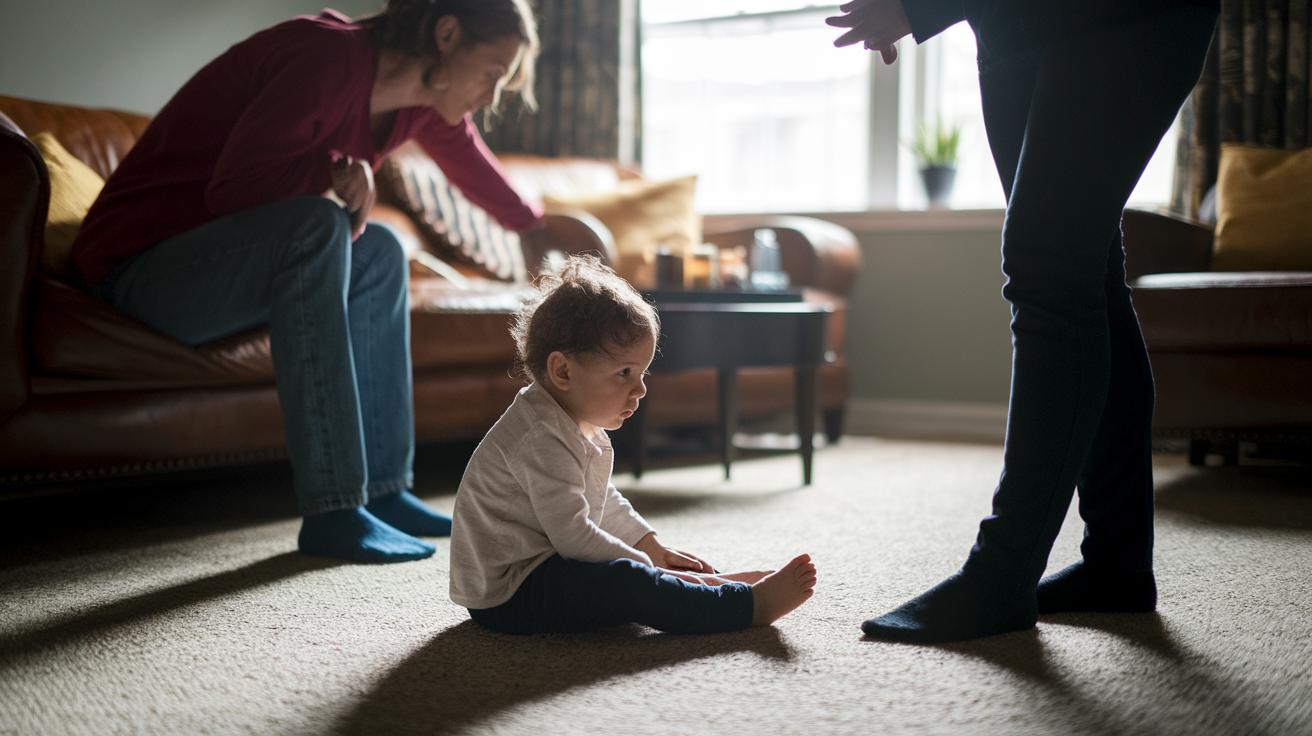
Family tension can really weigh on kids, making them feel uneasy and struggle with how to behave around others. When parents fight or are constantly stressed, children might find it hard to manage their emotions. Imagine a little one sitting quietly after a loud argument at home; they might feel nervous and unsure about opening up.
When a home is filled with constant stress, kids may have trouble regulating their feelings and making friends. It’s common for children exposed to ongoing arguments to feel more anxious, struggle at school, and have a hard time connecting with their peers. It’s like their inner safe space gets shaken up, which can change the way they act both in class and on the playground.
Co-parenting can really help lighten this load. When both parents talk kindly and share the day-to-day duties, it sets a calm example for the kids. Even small moments, like calmly planning the day together, can reassure a child with a gentle, “We’re in this together.”
Also, having a supportive network outside of the immediate family, like caring relatives or community groups, can make a big difference. This extra warmth helps kids build confidence and feel better during social moments.
Empirical Evidence on Family Dynamics and Social Development
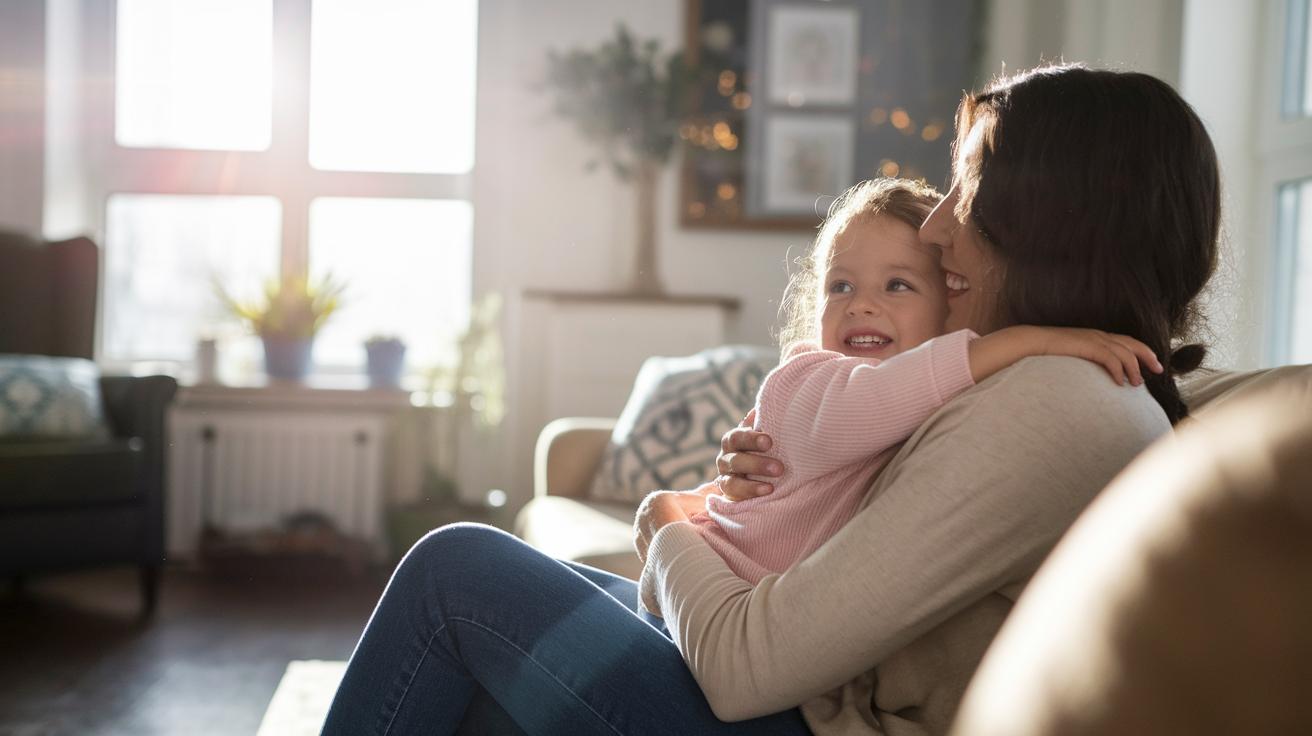
Studies show that when children grow up in warm and steady homes, they learn how to share their feelings, make friends, and overcome challenges. Researchers have looked at many families and found that kids raised with kind rules and plenty of love tend to do better with other kids and show fewer behavior problems. It’s like learning to ride a bike with help before you go it alone.
Long-term research from groups like NICHD has followed children for many years and found that kids who feel loved at home build stronger friendships and enjoy school more. One study even showed that a loving home can lead to lasting friendships and better grades. It really shows how a caring home can set the stage for a bright future.
Community programs also support this idea. For instance, programs like those at Magnolia Preschool have shown that activities bringing families together can boost a child’s social skills and help them bond with others. When families spend time on simple routines together, kids learn how to share, solve problems, and care about others every day.
It all comes down to a simple truth: when parents take the time to interact with their children in a caring way, it paves the path for better social skills and confidence as the child grows.
Final Words
In the action, families shape social skills with everyday interactions, setting the stage for empathy and clear communication. Parenting styles and sibling bonds give our kids the tools to handle conflict and build strong connections. Open dialogues and a secure home environment also help reduce stress, guiding children to become confident and kind. The impact of family dynamics on social development is powerful, turning daily moments into lasting lessons for a brighter future.
FAQ
Q: How do family dynamics affect child development, social behavior, and mental health?
A: The family dynamics affect child development by shaping how children communicate, form friendships, and manage feelings. Positive interactions build trust and resilience, while conflict can lead to social challenges and emotional strain.
Q: What topics are covered in family dynamics research and psychology?
A: Family dynamics research explores communication styles, parenting methods, and sibling relationships. Family dynamics psychology studies how these bonds shape behavior, emotional well-being, and social learning in children.
Q: What are some key examples of family dynamics, and why are they important?
A: Family dynamics include open communication, consistent routines, and nurturing sibling bonds. They are important because these examples foster trust, empathy, and resilience, setting a solid base for lifelong social skills.
Q: What is the 70 30 rule in parenting?
A: The 70 30 rule in parenting suggests that parents provide 70% guidance and support while allowing 30% independence, helping children develop problem-solving skills and a sense of responsibility within a secure environment.