
Have you ever wondered if a few extra hours of sleep can help your postpartum (after childbirth) recovery? When your body is healing, every moment of rest counts. Think of sleep as that gentle friend who quietly helps you recharge and smooths out the bumps of new motherhood.
In our little chat today, I want to share some simple, friendly sleep tips. These ideas can help you turn those broken naps into refreshing breaks that really make a difference. Imagine setting up a calming nighttime space, just like creating a cozy nook to unwind after a busy day.
Try these suggestions and see how a bit more restful sleep can help you feel more balanced, ready to tackle the day, and truly cared for.
Postpartum Recovery Sleep Tips: Foundational Strategies for Quality Sleep
Sleep is a big helper as you heal after childbirth. Your body is working hard to bounce back, and good sleep gives you a gentle recharge. Think of your sleep as that quiet friend who keeps your energy steady, a soft glow in your room that turns it into a cozy retreat after a long day with your little one. This peaceful rest not only helps your body repair itself but also eases the emotional ups and downs of early recovery.
Experts say try to get about 6 to 8 hours of sleep every night, even if it comes in little bits. Sticking to a routine can help your body find its rhythm even when your sleep is broken up. Imagine treating each nap like a small celebration that adds up to better overall well-being while you tackle your busy day.
It also helps to change how you think about sleep. Understand that having sleep in fragments is just part of your new routine, and be gentle with yourself on those restless nights. Sharing baby care tasks or planning brief naps together can really make you feel more refreshed. For extra self-care ideas, check out maternal self care routines for busy moms.
Optimizing the Sleep Environment for Postpartum Recovery
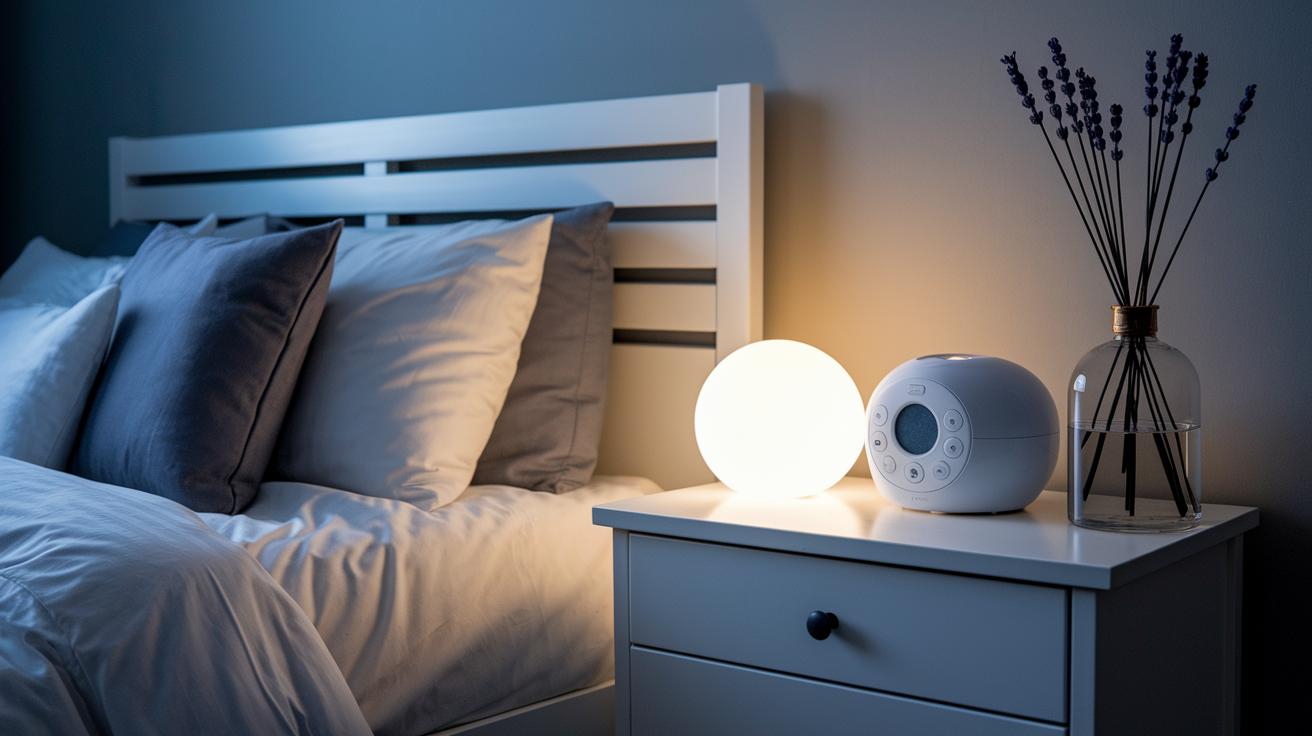
Creating a peaceful sleep space can be a real lifesaver as you recover. A cool, dark, and quiet room can help soothe you when baby care interrupts your night. Even little things, like soft lights and a gentle white noise sound, can nudge your body into relaxation, much like a soft lullaby easing you into sleep.
- Lighting: Dim the lights about 30 minutes before bed.
- Noise: Try a white noise machine or soft background sounds.
- Temperature: Keep your room between 65-68°F to feel comfy.
- Bedding: Choose soft, breathable fabrics to add to the coziness.
- Digital Detox: Turn off screens so your mind can really relax.
- Aroma: Use calming scents like lavender or chamomile.
- Clutter: Keep your space neat and organized to help settle your thoughts.
Setting up your room this way not only helps offset those newborn wake-ups, but it also builds healthy sleep habits. When your bedroom feels safe and welcoming, your body can truly unwind, even if the sleep comes in shorter snippets. Imagine turning your room into a warm retreat where every detail, from the soft lighting to the gentle aromas, works together to help you rest better each night.
Establishing Restorative Bedtime Routines in Postpartum Recovery
After a busy day with your little one, winding down can be a real lifesaver. It’s a gentle way of telling your body, "Hey, it's time to relax." Think of it like dimming the lights before a quiet evening at home. Have you ever noticed how a soft song makes you feel ready for rest?
You might try setting a calm mood by lowering the lights, playing gentle sounds, or curling up with a favorite book in a cozy spot. Picture yourself in a quiet room, a soft melody in the background, giving your eyes a break from screens. These little steps help signal your body to make melatonin (the sleep hormone), easing you into a deeper, refreshing sleep.
Keeping the same bedtime and wake-up time each day, even on weekends, can really steady your body's natural rhythm. When you stick to a routine, it's like you’re whispering to your inner clock, "Time to wind down." This regularity helps both your mind and body trust that rest is on its way.
Sometimes baby care might unexpectedly interrupt your routine, and that's completely okay. Look for those brief, quiet moments after feedings to reconnect with your wind-down practice. Even just switching to a calming activity or taking a few deep breaths can make your bedtime ritual feel serene and trustworthy.
Naptime Scheduling and Infant Care Breaks for Postpartum Sleep

Daytime naps can give you a little boost, helping you power through your busy day with a bit more energy. Even if you only catch a few minutes of sleep, those tiny breaks can refresh your mind and aid your overall recovery. When your baby is sleeping, think of it as a special chance to relax, let your body recharge, and maybe even enjoy a quiet moment for yourself.
| Nap Window | Duration | Ideal Timing | Tips |
|---|---|---|---|
| Mid-morning | 20–30 min | After feeding | Dim the room and use a cozy blanket |
| Early afternoon | 20–30 min | After baby’s nap | Create a quiet space with a comfortable spot |
| Mid-afternoon | 20–30 min | Supports baby’s sleep cycle | Keep the room cool, dark, and quiet |
| Late afternoon | 20–30 min | Before baby wakes | Avoid distractions and relax your body |
Working together with your partner can really help lessen the stress of your day. Sharing the care of your little one means you both get a needed break. Sometimes, it might mean adjusting your usual routine a bit to match your baby's sleep cycle, but trust me, it can be a lifesaver. Try out different nap times and cozy settings until you find a rhythm that offers you both the rest you deserve and a brief moment of peace.
Relaxation Techniques and Natural Sleep Remedies in Postpartum Recovery
After a long day with your little one, bedtime can become a special moment to unwind. When you take a few minutes to focus on yourself, you signal your body that it’s time to relax and get ready for sleep. A mix of deep breathing, light stretching, and a cup of warm herbal tea can create a comforting routine.
Deep Breathing Exercises
Imagine this simple four-step breathing routine as a gentle dance for your body:
- Breathe in slowly through your nose for four counts.
- Hold your breath for four counts.
- Breathe out gently through your mouth for four counts.
- Pause for four counts before starting again.
This little routine helps calm your mind and lets your body know it’s time to rest.
Gentle Stretching Routine
Ease any tension with these soft movements:
- Neck roll: Slowly move your head in a circle to relieve tight muscles.
- Hip opener: Stand with your feet apart and gently shift your weight from side to side.
- Child’s pose: Sit back on your heels, stretch your arms out, and take deep, slow breaths.
These stretches help release muscle tightness and make you feel ready for a peaceful sleep.
Herbal Tea & Aromatherapy
Set the scene with a calming cup of chamomile tea and a gentle hint of lavender in your room. Chamomile soothes both your body and mind, while the soft scent of lavender helps quiet any racing thoughts. Have you noticed how a simple ritual like this can make all the difference?
By blending these simple techniques into your nightly routine, you create a little oasis of calm. With every deep breath, gentle stretch, and sip of tea, you build a nurturing pathway to a restful night.
Leveraging Support and Planning for Enhanced Postpartum Rest

Getting enough sleep can feel like a big challenge right after your baby arrives, and that’s completely normal. It helps to plan out little moments of rest. For example, you might set a timer for 15 minutes during a quiet moment when your child is happily occupied, just to give yourself a mini recharge.
Even small tweaks to your daily routine can make a big difference. Sharing baby duties with your partner or a caring family member can give you those extra minutes you need. Perhaps you can ask your spouse to take over a nighttime feeding so you have a brief break to catch your breath and regroup.
Organizing your time and clearly sharing responsibilities can really help you manage rest better. These simple steps build on earlier ideas and can strengthen your support network, making those little pauses a more regular part of your day. For more ideas on planning and boosting your sleep, check out the postpartum recovery tips at https://womensconference.org?p=11046.
Final Words
In the action, this guide showed practical steps that blend sleep scheduling, a calm sleeping space, and soothing bedtime routines to help manage those early postpartum challenges. It also touched on the value of well-planned naps and gentle relaxation methods, all working together to support better rest. Small tweaks in your routine really make a big impact. With these postpartum recovery sleep tips, each night can turn into a moment of calm and care, lightening the path toward a brighter, healthier recovery.
FAQ
What are foundational postpartum recovery sleep tips?
The postpartum recovery sleep tips highlight establishing a regular sleep schedule even if sleep is segmented. Aiming for six to eight hours overall supports recovery and helps stabilize your natural sleep rhythm.
How do I create a better sleep environment postpartum?
The recommendations for optimizing your sleep environment advise keeping your bedroom dark, cool, and quiet. Dimming lights and using white noise before bed can set the stage for a more peaceful rest.
What bedtime routines can help new mothers sleep better?
The guidelines for restorative bedtime routines suggest engaging in calm activities like dimming lights, avoiding screens at least 60 minutes before bed, and sticking to consistent sleep and wake times.
How can I incorporate naps into my postpartum schedule?
The advice on naptime scheduling recommends planning brief 20–30 minute naps during infant sleep cycles. Coordinating with a partner can help create supportive rest intervals throughout your day.
Which relaxation techniques improve postpartum sleep?
The sleep improvement tips mention using deep breathing, gentle stretching, and soothing methods like chamomile tea and a lavender scent. These techniques help calm the mind and body before sleep.
How do planning and partner support improve postpartum sleep?
The support strategies for postpartum recovery emphasize that scheduling rest intervals and enlisting partner help can extend uninterrupted sleep windows, making it easier to manage sleep disruptions during this period.