
Have you ever stopped to think about how a simple glass of milk can give you a boost? One cup brings you almost 170 calories along with a blend of protein, fats, and carbohydrates that work together to keep you moving.
It’s like having a little fuel station right in your fridge. The natural balance in milk helps support your daily activities and even aids muscle recovery. In this article, we take a closer look at milk’s nutrition, showing you how these key details can brighten up your diet.
Comprehensive Nutrition Facts of Milk: Macros, Calories, and Energy Value
A cup of cow’s milk (about 249 g) is a wholesome serving that brings a nice mix of nutrients to your table. In that cup, you get roughly 8.14 g of protein – most of it from casein with a smidge from whey. There are nearly 9.96 g of fat and about 12.45 g of carbohydrates (all from lactose). With close to 170 calories in total, it’s a cool little package to help keep your energy up through the day.
It really helps to know these details when planning meals, especially if you’re watching your energy levels or trying to support muscle recovery. By checking out the milk’s calorie count, protein, fats, and carbs, you can tailor your diet to match your needs. Imagine starting your morning with a nutrient-packed cup that gives you a real boost!
| Serving Size | Protein (g) | Fat (g) | Carbs (g) | Calories |
|---|---|---|---|---|
| 1 cup (249 g) | 8.14 | 9.96 | 12.45 | 170 |
If you look closer, cow’s milk is about 3.3% protein, 4% fat, and 5% carbohydrates by weight. When you break down the calories, 19% come from protein, 52% from fat, and 29% from carbohydrates. This neat balance makes milk a simple, effective way to add extra energy to your day without any fuss.
Micronutrient Profile of Milk: Vitamins and Minerals Breakdown
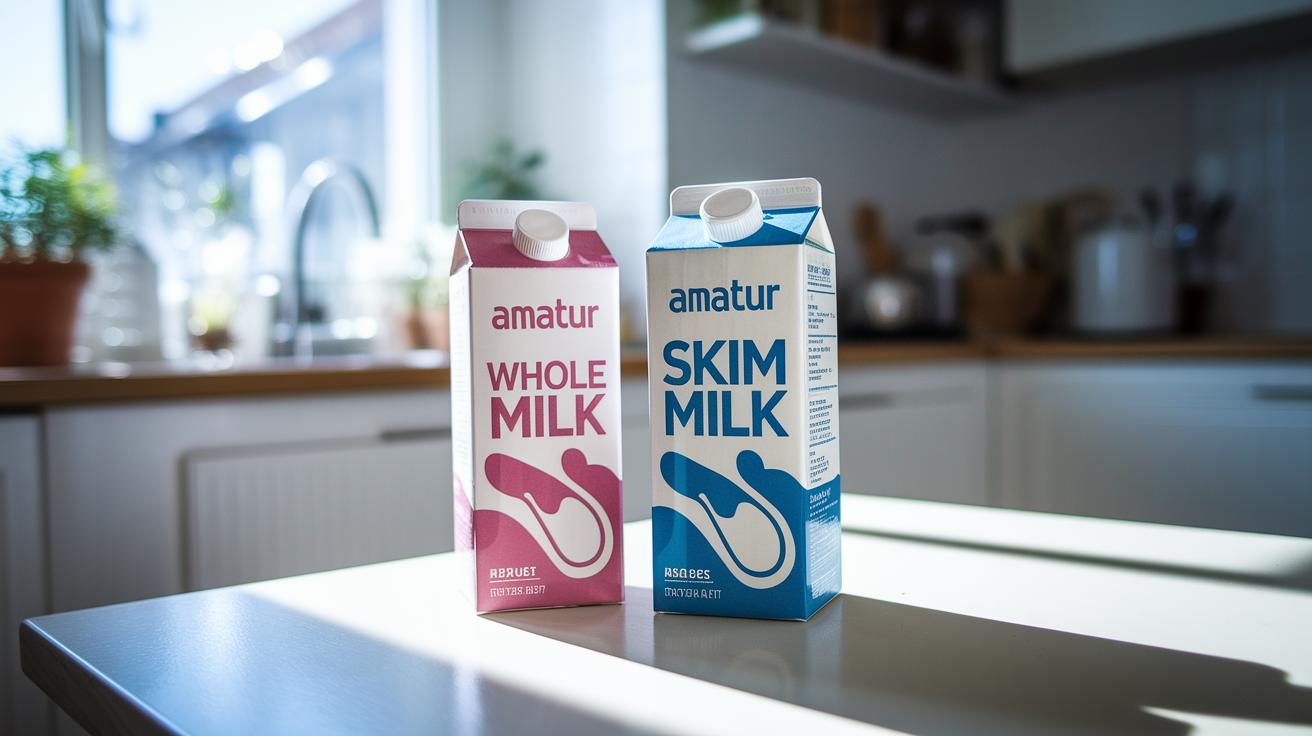
Most milk today has extra nutrients added to boost its natural goodness. It comes with vitamins like vitamin A (good for clear vision and a strong immune system), vitamin B12 (helps nerves and blood cells), and riboflavin (turns food into energy). Plus, it’s often enriched with vitamin D (about 100 IU per cup) to help your body soak up calcium. This blend of natural and added nutrients makes milk a smart, everyday choice for keeping your family energized and healthy.
- Vitamin A – helps maintain good vision and a strong immune system.
- Vitamin B12 – supports healthy nerves and blood cell formation.
- Riboflavin – assists in converting food into energy.
- Vitamin D – added at about 100 IU per cup to boost calcium uptake.
- Calcium – roughly 300 mg per cup, key for building strong bones.
- Phosphorus – essential for creating strong bones and teeth.
- Potassium – aids in keeping fluids balanced and muscles working well.
Together, these vitamins and minerals help strengthen bones, fuel energy, and keep daily body functions on track. They support healthy cell growth and a robust metabolism, making milk an excellent, balanced source of essential nutrients.
Comparing Nutrition Facts Milk: Whole, Skim, and Fat-Free Options
Milk comes in many types to suit different tastes and daily nutrition plans. Whole milk has a rich, creamy taste with about 4% fat and roughly 5% carbs per cup, which also brings around 8 grams of protein. If you're keeping an eye on calories, skim or fat-free milk drops the fat to less than 0.5% while still serving up about 8 grams of protein and 12 grams of carbs per cup.
There are also reduced-fat options like 2% and 1% milk. These choices give you a touch of creaminess with fewer calories, so you can pick the one that fits both your flavor preference and nutrition goals.
| Type | Fat (%) | Protein (g) | Carbs (g) | Calories |
|---|---|---|---|---|
| Whole Milk | 4 | 8.14 | 12.45 | 170 |
| 2% Milk | 2 | 8 | 12 | 140 |
| 1% Milk | 1 | 8 | 12 | 110 |
| Skim/Fat-Free Milk | <0.5 | 8 | 12 | 80 |
When picking a milk type, think about what works best for your day. Lowfat and skim milk are great if you're watching calories and fat, while whole milk offers a richer, creamier treat. Reduced-fat options give you a nice middle ground, making it easier to enjoy milk as part of your everyday meals.
Nutrition Facts Milk Alternatives: Almond, Soy, and Coconut Profiles
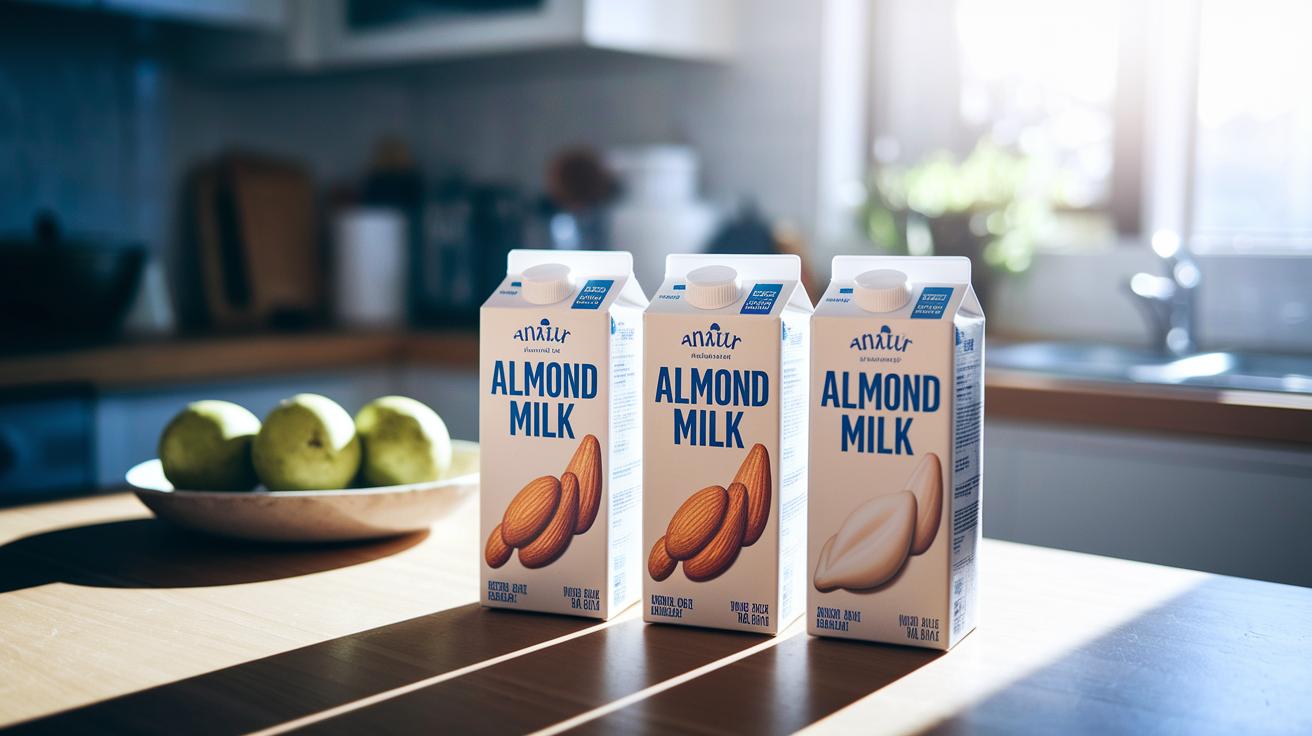
These days, many plant-based milks come enriched with extra calcium and vitamin D, so they offer some of the same benefits as dairy milk. This extra boost helps keep bones strong and supports overall well-being. Almond, soy, and coconut milks each have their own special mix of nutrients that can fit nicely into your daily meal plan.
Each option gives you a different balance of calories and key nutrients. Almond milk is very light, with less than 1 gram of protein and only about 30–40 calories per cup – a perfect pick when you want to cut back on calories. Soy milk is heartier, with around 7–8 grams of protein and roughly 80–100 calories per cup, which is great if you’re looking for a protein lift. And coconut milk? Well, it really depends on the type. The drinkable kind has about 5 grams of fat and around 45 calories per cup, while canned coconut milk packs a much richer punch with about 35 grams of fat and up to 350 calories per cup.
| Milk Type | Nutrient Info |
|---|---|
| Almond Milk | <1 g protein, ~30–40 kcal per cup |
| Soy Milk | ~7–8 g protein, ~80–100 kcal per cup |
| Coconut Milk (Beverage) | ~5 g fat, ~45 kcal per cup |
| Coconut Milk (Canned) | ~35 g fat, ~350 kcal per cup |
Think about which one might fit your taste and nutritional needs best. It’s all about finding that gentle balance that makes you feel good every day.
Nutrition Facts Milk Processing: Raw vs Pasteurized and Homogenized
When it comes to milk, how it’s processed can really change what you get. Pasteurization warms the milk to kill harmful germs, even though a few vitamins might take a little hit from the heat. Then there’s homogenization, which mixes the fat evenly so every sip has a smooth, consistent feel.
Raw milk, on the other hand, skips these steps. It keeps all its natural enzymes and nutrients just as nature made them, though that extra boost can come with a bit more risk of bacteria. Ever wondered how to get the best of both worlds? That’s where microfiltration comes in. It uses a fine filter to remove bacteria while still keeping many of the good, bioactive compounds, leaving the milk closer to its natural state.
- Raw Milk – Not treated at all, so it holds on to all its natural enzymes and nutrients, but it might come with a higher chance of bacteria.
- Pasteurized Milk – Heated to get rid of harmful germs, though this process can lower some heat-sensitive vitamins.
- Homogenized Milk – Processed to mix the fat evenly, giving the milk a smooth and consistent texture.
- Microfiltered Milk – Uses a tiny filter to remove bacteria while keeping lots of the natural, good-for-you compounds intact.
Each method has its own trade-offs. Raw milk keeps more of the natural goodness, but it might not feel as safe. Pasteurized and homogenized milk offer that extra safety and a consistent taste, while microfiltered milk strikes a balance between natural nutrients and bacterial control. Your choice really depends on what matters most to you, keeping every nutrient or having that extra peace of mind.
Nutrition Facts Milk Benefits: Bone Health, Muscle Recovery, and Dietary Guidelines

Milk is a great way to help rebuild your muscles after a long day. Each cup offers about 8.14 grams of protein, mostly from casein with a little whey mixed in, so it really works to support your muscles whether you’ve just exercised or need a little boost during your day.
Aiming for 2–3 cups daily can do wonders for muscle recovery and keeping your body balanced. If you’re watching your calories, try a low-fat version while still enjoying that needed protein. After a workout, adding milk to your snack or meal can feel like a mini reset, giving your muscles a little extra help to bounce back. And if you know that dairy sometimes makes your tummy uneasy, it’s smart to tweak your intake so you feel your best.
Your bones also get a helping hand from milk. The natural calcium, paired with added vitamin D, builds strong bones, which can lower the chances of problems like osteoporosis later on. Just remember, if you’re dealing with lactose intolerance or allergies, it’s okay to adjust how much milk you drink for your own comfort and health.
Final Words
In the action, you learned about the nutrition facts milk breakdown, from macros like protein, fat, and carbs to its energy value and essential vitamins and minerals. The post also showed how whole, skim, and non-dairy alternatives compare along with the effects of processing methods and the potential health benefits.
The insights offer a clear look at milk’s value in maternal and family care. Keep exploring and feeling confident in your choices!
FAQ
What is the nutritional value of milk per 100 mL?
The nutritional value of milk per 100 mL includes about 3.3 g protein, 4 g fat, 5 g carbohydrates, and roughly 68 kcal, offering a balanced mix of essential nutrients.
What are the calories in a 250 mL glass of milk with or without added sugar?
The calorie count for a 250 mL glass of unsweetened milk is around 170 kcal; adding sugar increases the calories depending on the amount, so those extra calories vary with your recipe.
What are the calorie and protein counts in 500 mL and 1 liter of milk?
When scaled by serving size, 500 mL of milk provides roughly 340 kcal and 16 g protein, while 1 liter offers about 680 kcal and 33 g protein, giving you a solid dose of nutrients.
Is it healthy to drink milk every day?
Drinking milk daily supplies key nutrients, like protein, calcium, and vitamins, which support bone and muscle health; your overall diet and personal needs help determine if it fits your lifestyle.
Which milk is considered the healthiest option?
The healthiest milk option depends on your needs; whole, low-fat, and fortified plant-based milks all provide different nutrient profiles to match various lifestyle and health goals.
Which milk has the highest protein content?
The protein content is highest in cow’s milk, with soy milk offering a comparable amount, making these choices attractive for those looking to boost their daily protein intake.