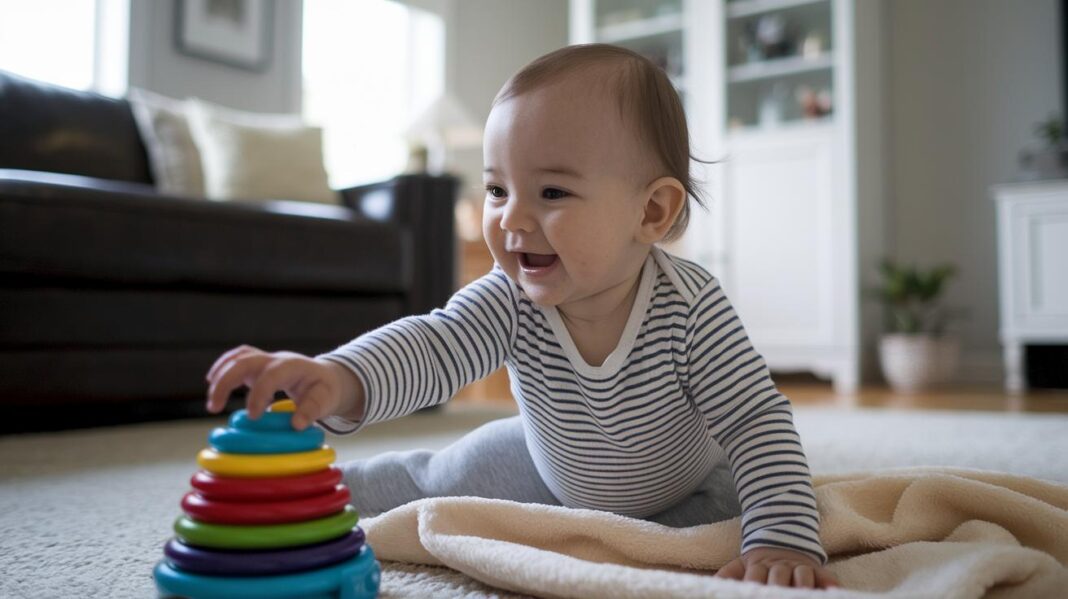
Have you ever noticed how quickly your baby grows? Every month brings a special surprise, a little spark that brightens your day.
Our guide walks you through these playful milestones, from those first gentle head lifts to the adorable babbles and smiles that make your heart warm. Each step is a beautiful marker on your baby’s unique journey.
Let's explore these growth stages together and cherish every magical moment along the way.
Comprehensive Month-by-Month Infant Milestones Chart
This guide is here to help you keep track of your baby's growth during that very special first year. It shows you, month by month, how your little one might be developing in physical, thinking, social, and emotional ways. Remember, each baby is unique. So, while these milestones give you a good idea of what to expect, your baby might hit these markers a bit sooner or later than others. Always trust your instincts and check in with your pediatrician if something doesn't feel right.
| Month | Physical | Cognitive | Social | Emotional |
|---|---|---|---|---|
| 1 | Offers gentle head lifts; moves arms very little | Starts focusing on bold, contrasting images | Bonds mostly with main caregivers | Primarily reacts by reflex |
| 2 | Shows smoother head control; makes small arm movements | Becomes more alert | Begins to coo softly | Feels calm and content |
| 3 | Lifts head and chest during tummy time; might start to roll | Begins cooing and simple babbling | Smiles when hearing familiar voices | Starts to show early interest |
| 4 | Might roll over; reaches for toys | Follows moving objects with eyes | Shares more social smiles | Displays joyful expressions |
| 5 | Sits with help; kicks legs more energetically | Explores putting hands in mouth | Interacts more with family and friends | Appears relaxed and happy |
| 6 | Starts sitting without help; holds objects with a firmer grasp | Shows simple problem-solving skills | Laughs at playful gestures | Clearly feels content |
| 7 | Improves overall coordination | Reacts to different sounds | Loves a bit of interactive play | Expresses excitement |
| 8 | Makes attempts at crawling or scooting | Learns quickly and picks up new skills | Maintains more eye contact with loved ones | Shows growing curiosity about others |
| 9 | Makes more deliberate movements with arms and legs | Starts to solve simple problems | Recognizes familiar faces | Gives joyful reactions |
| 10 | Begins to cruise along furniture | Makes sounds that resemble language | Enjoys copying actions | Shows signs of growing independence |
| 11 | Stands with a little support | Attempts first words or sounds | Plays back-and-forth games | Starts to show self-awareness |
| 12 | Takes first steps with better coordination | Says simple words | Loves joining in interactive play | Shows pride and excitement in achievements |
Infant Milestones in Months 1–6: First Half-Year Growth

Month 1
At one month, babies can lift their head for a few seconds during tummy time while their eyes track simple objects. They find comfort in a familiar voice, much like hearing a soft lullaby that makes them feel safe.
Month 2
At two months, you'll notice smoother head control and longer moments of wakefulness, giving them time to take in the world around them. They start cooing softly, sharing their early signs of happiness in a gentle way.
Month 3
By three months, babies lift both their head and chest during tummy time and kick their legs with a playful energy. They open and close their hands and begin babbling. Even at three months, a baby’s spirited kicks can appear like a tiny dance of exploration.
Month 4
At four months, many babies might start rolling over and reaching for toys hovering nearby as their coordination improves. Their smiles become more frequent as they follow moving objects, showing growing social engagement.
Month 5
By five months, many babies begin sitting with a little support as their core muscles strengthen. Their grip becomes firmer, letting them hold toys and bring their hands to their mouth to explore new textures.
Month 6
At six months, many little ones can sit unsupported for short times and use a raking grasp to pick up small items. They also start recognizing their name, responding in a sweet way that shows just how connected they are.
Infant Milestones in Months 7–12: Second Half-Year Achievements
Month 7
At 7 months, your little one is showing a lot more balance as their muscles grow stronger. They start noticing new faces and little social cues. Try a fun game of peekaboo, it’s a sweet way to encourage curiosity and help them learn to interact.
Month 8
By 8 months, the babbling becomes more varied and full of personality. Your baby might start using simple gestures like waving or pointing at a favorite toy. You can boost their early language skills by repeating their sounds and naming things, like saying, "Hello, ball!"
Month 9
At 9 months, many babies begin crawling and pulling themselves up, and you might notice the pincer grasp starting to take shape. It’s a great idea to place safe, interesting toys nearby to invite them to explore and have fun while practicing these new skills.
Month 10
During month 10, babies often start cruising along furniture as their hand-eye coordination improves. You can create a safe cruising space at home by arranging familiar objects where they can move about securely. This helps them build confidence as they explore their surroundings.
Month 11
By 11 months, many little ones can stand on their own for short moments. They love simple back-and-forth games that also spark early language skills. Join in with clapping games or gentle rolling of a soft ball. It’s a lovely way to support their growing independence and communication.
Month 12
At 12 months, expect those first cautious steps and hear those adorable first words. Celebrate each little achievement with gentle praise like, "Good job, baby!" every time they take a step or say a word. This warm encouragement boosts their confidence and shows them how proud you are.
Tracking Your Infant’s Monthly Milestones: Practical Tips
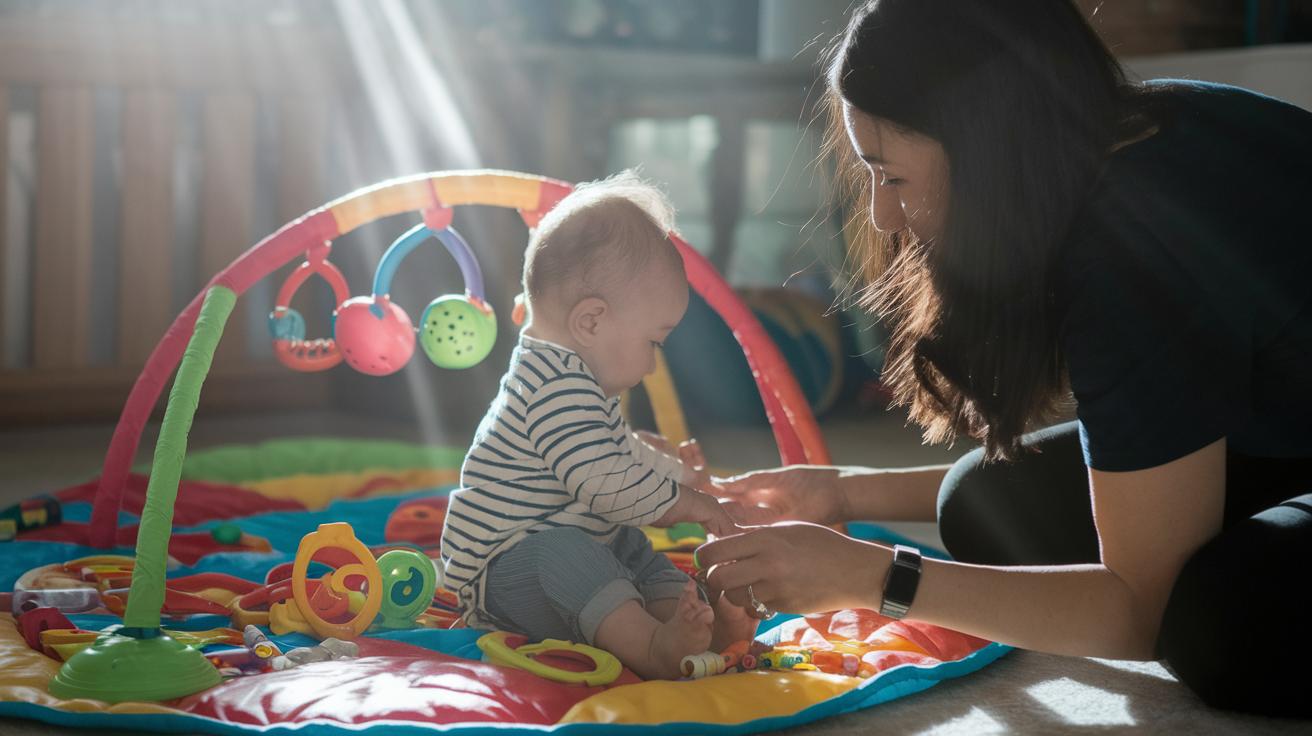
Starting a written journal each month is a lovely way to hold onto all of your baby’s little achievements. You can note every new skill, whether it’s extra tummy time or those adorable first rolls. Many parents enjoy using apps to track these milestones, adding fun photos and sweet notes along the way. It’s like making a diary of all the tiny moments that make your heart smile.
Regular visits to the pediatrician around important growth points can also be really helpful. These check-ups let you see how your baby is growing, while the doctor gently confirms that what you notice is just right. For example, during a visit, the doctor might check how much tummy time your baby is getting or listen to the new sounds they’re making.
Sometimes you might see that a milestone is taking a bit longer than expected. If you think your baby is slower at grasping toys or giving social smiles, trust your gut. It could be a good idea to chat with a professional who can help you understand the next steps.
Remember, every baby is different, and little delays can be perfectly normal. Take a moment to enjoy each new discovery as it comes, because every small step is important.
And hey, have you ever noticed how a simple note in your journal can brighten a day? Each scribble in that diary helps you remember just how far your baby has come.
Activities to Support Monthly Infant Milestones
Every day is a chance for your baby to grow in fun ways. You can turn regular moments into playful learning time that helps with physical, thinking, social, and emotional skills. Experts say a little tummy time each day is great for movement, so why not mix that with play?
Try this: place some bright, colorful toys during tummy time to help your baby learn about different textures and shapes. Reading simple stories or looking at picture books together can spark early thinking skills, and it's a wonderful way to bond. Have you ever noticed how a smile can bring a burst of joy? Play games that invite your baby to copy your facial expressions to boost social and emotional growth.
Next, explore safe sensory play. Use soft fabrics, a small bowl of water, or even gentle musical sounds, they all help fuel curiosity. You could also try gentle movement or baby yoga routines that focus on stretching and balance. Mirror play is another fun trick; letting your baby see their own reflection can nurture self-awareness and social skills.
Simple toys like rattles or pop-up gadgets are perfect for boosting hand-eye coordination and problem-solving skills. And, don’t forget about interactive songs! Clapping along to cheerful tunes invites warm moments of connection and fun.
Every little activity builds a stepping stone for your baby’s growth, turning everyday interactions into joyful, learning-filled experiences.
Infant Milestones by Month: Radiant Growth Stages
Watching your baby grow is a joyful journey, and there are many trusted tools to support you along the way. Many parents rely on due date calculators and health advice that is carefully checked by experts. These reliable resources give you clear guidance as your little one reaches each important milestone.
If you’d like a broader look at your child’s progress, why not check out our guide on stages of childhood development? It’s like a friendly roadmap that walks you through moments from the very first smile to the first word.
And when it comes to early language skills, experts suggest exploring resources like language development milestones. This guide offers simple, practical tips to support your baby’s talking and listening skills. Use these tools to create a special record that celebrates every delightful stage of your child’s first year, building confidence as you share these precious moments together.
Final Words
In the action, we broke down a clear month-by-month chart highlighting physical, cognitive, social, and emotional changes. Small tips on tracking growth and fun activities for daily care make this guide a helpful tool.
This article shows that each baby develops at their own pace. With this guide on infant milestones by month, you can celebrate every small win and keep the support flowing. Keep cherishing those little moments as your baby blossoms with each passing day.
FAQ
What do baby milestones charts for 0–12 months and related guides show?
Baby milestones charts show key physical, cognitive, social, and emotional growth from birth through 12 months. They detail achievements like first smiles, giggles, and early motor skills to help parents track progress.
What does an infant milestones by month PDF offer?
An infant milestones PDF provides a downloadable, easy-to-read reference. It includes tables and checklists detailing monthly achievements to support parents in monitoring their baby’s growth.
What are the milestones of 1–12 months and baby development during that time?
The 1–12 months milestones cover gains such as cooing, sitting up, crawling, and first words. They provide a clear snapshot of a baby’s progress in various areas each month.
How does a baby milestone chart for 12–18 months or 1–2 years help parents?
These charts track toddler accomplishments like standing, cruising, and early language development. They offer parents guidance on expected physical and language skills during this period.
What does a baby milestones by week guide include?
A weekly guide breaks down rapid early development into smaller steps, highlighting improvements in head control, eye contact, and alertness during the first few months.
What is often considered the hardest month for a baby?
The hardest month often refers to periods around three to four months when babies experience rapid growth and shifts in sleep patterns, which can feel challenging yet are a normal part of development.
What are developmental red flags in infant development?
Developmental red flags include signs such as lack of eye contact, minimal babbling, or delayed motor skills. Recognizing these early can prompt parents to seek advice from health professionals.