
Have you ever thought that feeling sore after having a baby might help you find new strength and happiness?
Imagine your body slowly healing, with little wins every day, like the cool relief of an ice pack on a summer day or a moment of calm when you need it most.
In the first few weeks after your baby arrives, every ache tells a story of your amazing resilience.
This time isn't just about getting better; it's a chance to rediscover the power inside you and enjoy the special journey of becoming a mom.
Postpartum Recovery: Embrace Strength and Joy
Those first six weeks after your baby is born can feel like a mix of healing and pure joy. Your body is busy repairing itself while your emotions adjust to a brand-new rhythm. If you had a vaginal birth, your hospital stay might only be part of the first week. But if it was a cesarean, you might spend three or four days in the hospital.
It's normal to experience some physical ups and downs. You might feel some soreness or discomfort around your perineum due to tearing or an episiotomy. One mom once said using an ice pack felt just like a cool, soothing balm on a hot day. You may also notice some bleeding, called lochia, that lasts up to six weeks and slowly fades out. And by the third day, you may feel a mix of highs and lows, often known as baby blues. Have you ever noticed how small changes can really shift your day?
Here are a few key points to remember:
- Your hospital stay depends on your type of delivery.
- Soreness is common, whether from tears or surgical incisions.
- Bleeding and hormonal shifts are part of the early recovery.
- By about six weeks, your uterus usually shrinks back to its pre-pregnancy size.
- It might take up to a year for you to feel fully adjusted emotionally.
During this special recovery time, taking gentle care of yourself is so important. Little activities, like a short walk or some light stretching approved by your provider, can really help you feel more like yourself again. Every day, you’re embracing your strength and finding moments of joy that are uniquely yours. The small wins and even the challenges are building a solid foundation for both your physical healing and your emotional well-being.
Postpartum Recovery Timeline: Milestones and Expectations

Your first week at the hospital can feel like a mix of wonder and discomfort as you manage perineal soreness and uterine afterpains. It’s amazing how quickly your body starts to heal, reminding you of its strength.
By around day three, you might feel a roller coaster of emotions, a time many moms call the baby blues. It’s a bit like a sudden change in the weather; one minute everything feels bright, and the next, you’re under cloudy skies.
In weeks two to four, you’ll notice your lochia changing. At first, the bleeding is red, then it shifts to a soft pink, and eventually turns brown. At the same time, starting breastfeeding might bring some breast soreness. One mom once said it felt like a gentle reminder that taking care of yourself, and your baby, is a gradual process.
Around week six, your uterus usually shrinks back close to its pre-pregnancy size, which often means your doctor clears you for light exercise and even driving. If you had a cesarean, though, your incision might still be healing between weeks six and eight, so it’s best to stick with gentle activities for a while.
From about three to six months, you’ll likely see your energy slowly return, even if a touch of tiredness lingers. Just like watching a garden bloom, your body and emotions will keep adjusting over time, sometimes taking up to a year to settle into a new normal.
Physical Healing in Postpartum Recovery: Perineal and Cesarean Care
If you had a vaginal birth, you might feel some tears in your skin or notice a small cut made by your doctor. Many moms find that using a cool pack or frozen witch hazel pad on the area brings soothing relief. One mom shared that it felt like a cool splash on a hot day. After using the pad, rinsing with warm water when you pee can help ease any discomfort. Remember, if you have stitches or staples, they usually take about 7 to 10 days to heal, so it’s important to be gentle with your hygiene.
For moms who had a cesarean delivery, the recovery process is a bit different. You might stay in the hospital for three or four days, and as your cut heals, you might feel a little itch. Moving around slowly, like taking short walks, can reduce the chance of blood clots and help boost your recovery. One new mom explained that a slow walk in the park lifted her mood and even helped her body heal faster.
Sometimes, when you’re breastfeeding, your uterus might contract more strongly, leading to extra pain. A warm heating pad or hot water bottle on your lower belly can ease these cramps. And if you find that your hemorrhoids are more uncomfortable during breastfeeding, using a cool witch hazel pad might help, one mom said it felt like a gentle, cooling breeze.
Here are some helpful tips:
- Use cold packs or frozen witch hazel pads on the perineum.
- Rinse with warm water after peeing to reduce discomfort.
- Keep your incision area clean and avoid heavy activity at first.
- Apply heat to your lower belly to ease uterine cramps.
- Use a cool witch hazel pad if hemorrhoid pain gets stronger.
By following these suggestions and slowly adding more movement, your body can heal safely while you embrace the strength and joy of this new chapter.
Nutrition’s Role in Postpartum Recovery: Fueling Healing
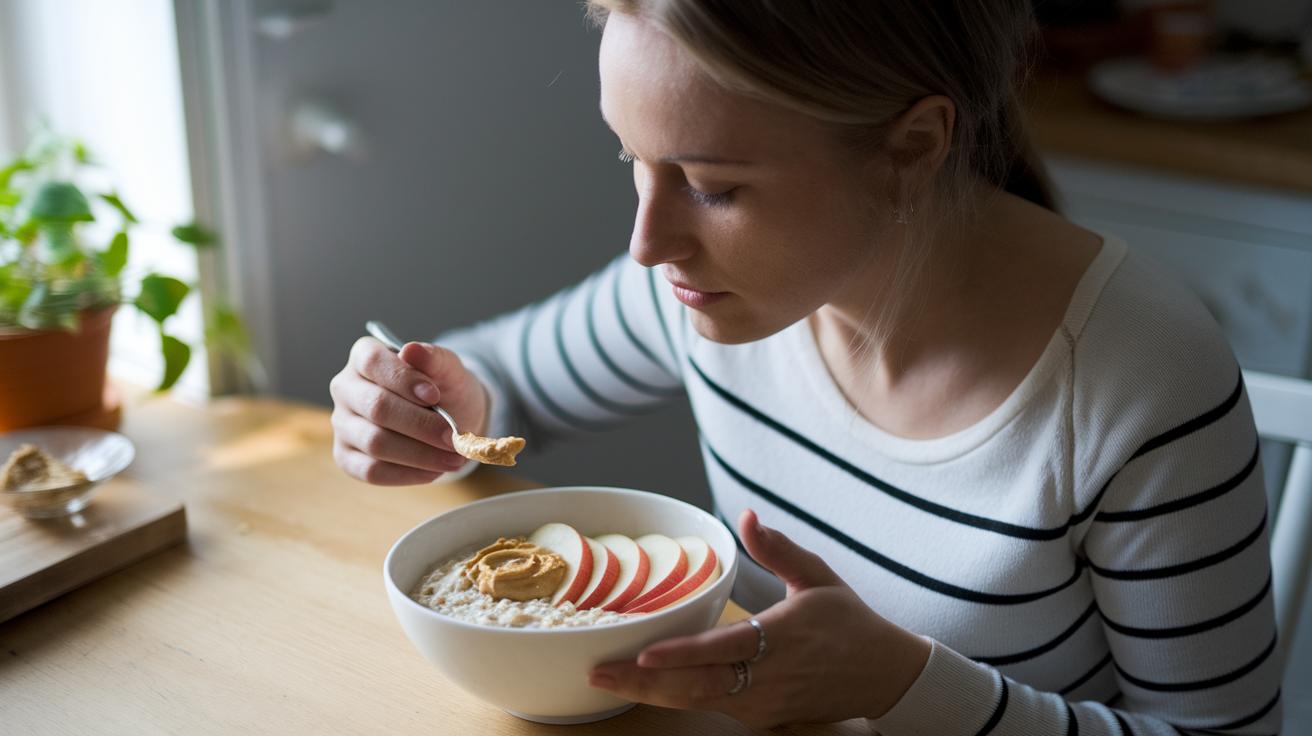
After having your baby, a balanced diet is a gentle yet powerful way to help your body heal. Adding whole grains, lean meats, and plenty of fiber in your meals gives your body a steady supply of energy to repair itself. It’s like fueling up for a long day of recovery and care.
Try to drink about 64 ounces of water each day. This helps you stay hydrated, which is important for milk production, and can support better sleep and mood if you cut back on caffeine and alcohol. Start your day with a breakfast that blends whole grains, fruit, and lean protein, a warm, comforting start that sets the tone. One mom shared how her oatmeal topped with apple slices and a bit of peanut butter felt like a warm hug in a bowl.
Incorporate iron-rich foods such as lean red meat or spinach to boost your energy and help with postpartum anemia. A burst of vitamin C from fruits like oranges or strawberries can also help your body repair tissues. Adding leafy greens, beans, and whole grains throughout the day not only keeps your energy steady but also provides the nutrients you need during this special time of healing.
- Choose whole, complex carbohydrates for lasting energy.
- Opt for lean protein to help rebuild tissues.
- Keep a water bottle handy to reach about 64 oz daily.
- Enjoy vitamin C-rich fruits and plenty of leafy greens at each meal.
Exercise and Postpartum Recovery: Gentle Routines for Strength
About six weeks after your baby arrives, many moms are ready to ease into light activity. You might start with a slow walk or gentle pelvic floor exercises (that means softly squeezing the muscles you use to stop your urine). These small steps not only help lower the chance of blood clots but also begin building your strength safely.
Gentle stretches can ease discomfort in your uterus. For example, stand up tall, slowly raise your arms toward the sky, and then lean to each side. One mom even shared that this soft stretch felt like a warm, comforting hug for her body. It’s a sweet way to bring a little calm into your day.
When you feel ready, try some low-impact workouts like a brisk walk or a gentle dance. These activities keep you moving without overdoing it. You can also check out guided recovery exercises on this Postpartum Recovery Exercise page to help lead you through routines designed just for your healing process.
Adding core-strengthening exercises gradually is a smart move. Instead of jumping straight into full sit-ups, consider modified sit-ups or gentle planks to help rebuild your abdominal tone. Every move supports your physical recovery and can brighten your mood and improve your sleep.
- Begin with gentle pelvic floor exercises and easy stretches.
- Transition slowly to low-impact activities like walking.
- Introduce mild core routines, perhaps with some guidance.
- Always listen to your body and rest when needed!
Each little step builds your strength and lifts your spirits as you care for yourself during this special time.
Emotional Recovery in Postpartum Recovery: Managing Mood and Support

After you have your baby, it’s normal to feel all sorts of emotions. Around day three, quick changes in your hormones might bring on what many call baby blues, making your mood swing suddenly. Most moms find that these feelings ease in about two weeks, but if sadness, worry, or a sense of hopelessness lasts longer, it might be time to ask for a little extra help.
Having a supportive team around you can really make a difference. Your postpartum care team could include your doctor, a lactation consultant, and a mental health professional, all there to help you through this delicate time. Think of them as a circle of caring friends who are focused not just on your baby but on you too.
Here are some simple steps for your emotional recovery:
- Talk to a family member or friend when you need to share your feelings.
- Establish a sleep routine that fits your baby’s schedule to help both of you rest better.
- Join a group of other moms who understand what you’re going through.
- Take a few minutes for yourself, whether it’s enjoying a warm cup of tea or taking a short walk.
Taking time for yourself isn’t selfish, it’s a way to regain your strength and happiness. Every day is a chance to celebrate small victories and build up your resilience as a new mother. With a little support and self-care, you’ll soon find a renewed sense of balance and warmth.
Challenges and Warning Signs in Postpartum Recovery
Right after childbirth, your body is still finding its balance, so it’s a good idea to watch for any changes that might need extra care. For example, if you notice heavy bleeding that fills a pad every hour or if you see clots that are bigger than about one inch, this could be a sign that something isn’t quite right. And if you develop a fever, feel more pain around your incision, or notice that swelling isn’t going away, it’s important to talk with your doctor.
Sometimes, even issues like stubborn constipation or hemorrhoid pain that doesn’t improve with gentle care can signal a problem. You might also experience strong, worsening abdominal cramps or see signs of infection like redness and odd discharge. And don’t forget your feelings, if you start feeling really down, have thoughts about hurting yourself, or feel overwhelmed by the care your baby needs, please reach out for help as soon as you can.
Keep a little note of these symptoms as you recover, and listen to your instincts. If anything feels off, don’t hesitate to give your healthcare provider a call. Remember, caring for yourself is one of the best ways to care for your baby.
Essential Products for Postpartum Recovery
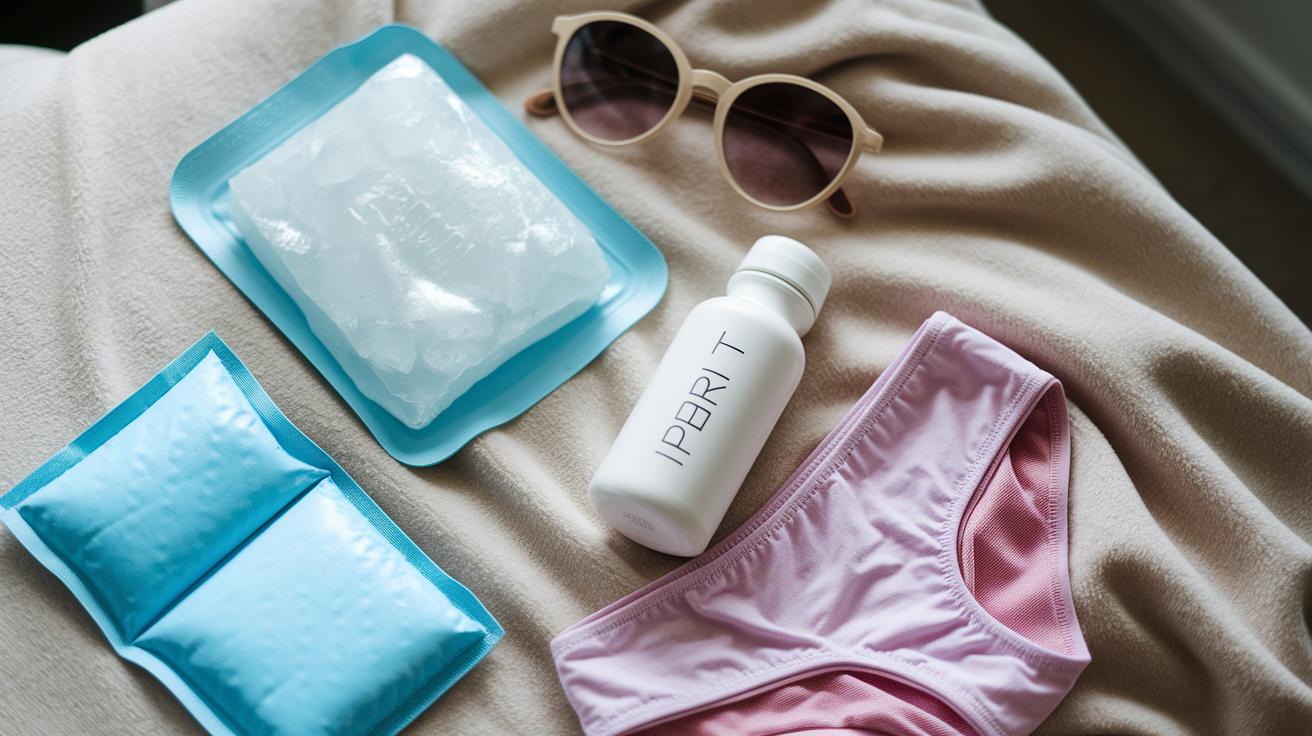
Taking care of yourself after having a baby is so important, and having the right items makes it a little easier every day. When you're feeling tender, simple things can soothe your discomfort and help you feel refreshed. Many moms find that using ice packs or frozen witch hazel pads works wonders in easing soreness. And don’t forget a peri bottle, it lets you gently rinse the area after using the bathroom, which is a real comfort.
Staying comfortable is key during this time. Consider picking up soft, high-waist underwear or maternity clothes that move with you as your body heals. A belly support band can feel like a little hug for your core, helping you feel more secure while you regain strength. And if you need a moment to relax, a sitz bath basin can be just the thing to help you unwind.
A heating pad can be a warm friend on those days when uterine afterpains get bothersome. If you’re breastfeeding, having a jar of lanolin on hand is a lifesaver for soothing sore nipples. Plus, gentle breast pads keep you feeling dry and comfortable throughout the day.
Here are some must-have products:
- Ice packs or frozen witch hazel pads
- Peri bottle
- Soft, high-waist underwear or maternity garments
- Belly support band
- Sitz bath basin
- Heating pad
- Lanolin for sore nipples
- Gentle breast pads
Final Words
In the action, we explored the ins and outs of postpartum recovery. We walked through week-by-week milestones, from physical healing and gentle exercises to nourishing meals and emotional balance. We also touched on key products that can ease everyday discomfort and step-by-step care guidelines that help identify any warning signs. This guide shows that with practical tips and supportive strategies, the early days after delivery become a time of careful healing. Every step forward is a win, keep embracing your strength and care.
FAQ
Q: What postpartum recovery products are essential?
A: The query on postpartum recovery products points to items like ice packs, a peri bottle, comfortable high-waist underwear, a belly support band, heating pads, and soft breast pads—all designed to ease daily care and support healing.
Q: What postpartum recovery tips can support healing?
A: The query on recovery tips suggests gentle self-care such as using cold packs or witch hazel pads, engaging in gradual movement, and following a balanced diet that helps ease pain and soothe emotional ups and downs.
Q: What does a week-by-week postpartum recovery schedule involve?
A: The query on a week-by-week schedule explains that initial days focus on managing perineal care and baby blues, while by week six, many mothers can begin light exercise as their bodies continue to heal.
Q: What is the typical postpartum recovery time?
A: The query on recovery time shows that while physical healing usually takes about six weeks, emotional adjustment can extend over several months, with some changes lasting up to a year.
Q: What does a day-by-day postpartum recovery process look like?
A: The query on a day-by-day process reveals that each day brings small improvements—from managing pain and fatigue to gradually regaining strength—encouraging mothers to take things slowly as they heal.
Q: What insights have online communities like Reddit shared on postpartum recovery?
A: The query about Reddit discussions highlights how moms share personal experiences, practical advice, and tips for managing both physical healing challenges and the emotional fluctuations that come after birth.
Q: How does postpartum recovery differ after a C-section?
A: The query on recovery after a C-section explains that healing involves caring for a surgical incision, a hospital stay of 3–4 days, and a slower return to movement as the body adjusts and heals after surgery.
Q: What does a postpartum recovery kit include?
A: The query on a recovery kit shows that it usually contains items like ice packs, a peri bottle, heating pads, and supportive garments, all arranged to provide quick access to tools that ease discomfort and promote healing.
Q: What is the 5-5-5 rule in postpartum recovery?
A: The query about the 5-5-5 rule outlines a guideline suggesting five minutes of light activity every five hours to improve circulation and aid in recovery, though recommendations may differ based on individual needs.
Q: What helps speed up recovery after giving birth?
A: The query on speeding up recovery points to a mix of gentle exercise, balanced nutrition, proper rest, and caring self-management, all of which work together to boost healing and support overall well-being.
Q: What is generally considered the hardest day of postpartum recovery?
A: The query on the hardest postpartum day often spots day three as challenging, when hormonal shifts can trigger stronger baby blues alongside physical discomfort, making it a notably tough time for many mothers.