Have you ever noticed that what you eat might shape your baby's bright future? Think of each meal as a small building block for their growing brain. Missing out on key nutrients could slow down important skills like talking or moving later on.
In this chat, we’ll talk about how a simple mix of proteins, carbs (sugars and starches), and healthy fats sets the scene for strong brain growth right from the start. It’s amazing to think that your everyday choices can make such a big difference for your child’s early learning and overall growth.
Maternal nutrition for fetal brain development: Thrive
During the middle of pregnancy up to age two, your baby's brain is growing fast and is very sensitive to what you eat. This time is like creating a perfect blueprint for a house, where every nutrient builds a strong and safe framework for lifelong learning and emotions.
A mom’s diet really matters during these precious months. When you don’t get enough good nutrients, it can mean a smaller brain, delays when your little one starts speaking, or not-so-smooth movements. These changes might make school and everyday play a bit harder later on. Think of it like mixing ingredients for a cake, a blend of omega-3 fatty acids, key vitamins, and minerals helps the brain grow in many ways, such as in building little branches in the brain, wrapping nerves in protective covers, forming helpful cells, connecting brain cells, and making the messengers (neurotransmitters) that help them talk to each other.
The first few months are especially important. A balanced, food-first approach at the start is like giving your baby the best start in life. Before your child even takes that first breath, the blend of healthy foods works like a secret recipe, setting up a strong plan for brain power that later helps with things like solving problems and learning new words.
Balancing Macronutrients for Fetal Brain Tissue Formation
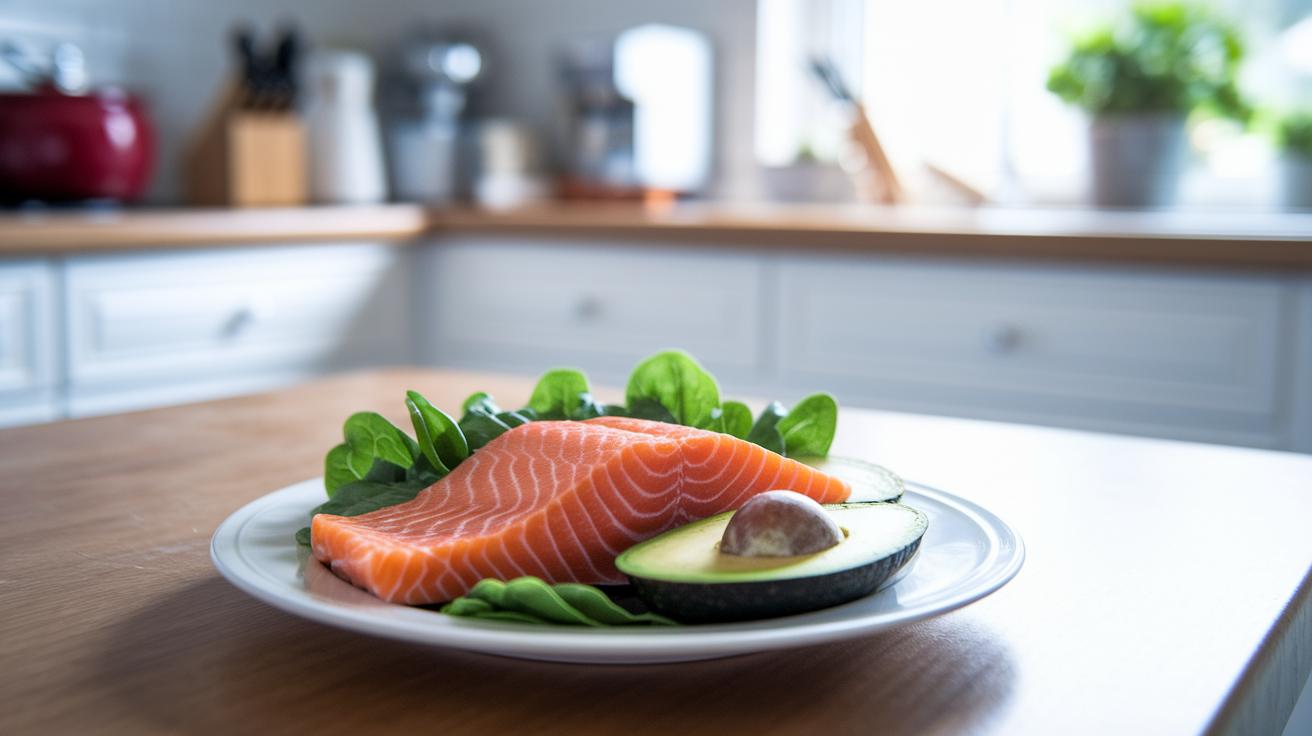
During pregnancy, your body needs a special mix of foods to help build your baby’s brain. Think of protein as the building blocks that make new brain cells, about 1.1 grams per kilogram each day can help with that. Carbs, which should be 45–65% of your daily calories, act like a steady fuel to keep up with the energy needed for growing brain tissue. And healthy fats, making up about 20–35% of your diet, bring the important fatty acids that help build and protect these brain cells. This balanced plan makes sure your baby’s brain gets the right support.
- Top protein sources – lean meats, dairy, and plant-based proteins
- Complex-carb sources – whole grains, fruits, and vegetables
- Healthy-fat sources – avocado, nuts, and olive oil
Each nutrient plays its own part in building a strong brain. Protein gives the amino acids needed to make and fix the cells in your baby’s brain. Carbohydrates offer a slow, gentle release of energy, so the brain can grow at a steady pace. And healthy fats supply key fatty acids that help form and keep strong the walls of brain cells, making sure they can talk to each other. Together, these nutrients work like a team, gently nurturing your baby’s brain growth every step of the way.
Omega-3 Fatty Acids and DHA Intake for In Utero Brain Growth
DHA is so important for building your baby’s brain. It travels into your little one’s brain, smooths out the cell membranes, and helps brain cells connect better. Studies show that getting between 200 and 300 mg of DHA every day supports these roles, which can lead to better brain growth and improved thinking skills later on. Fun fact: even though our bodies can turn ALA (a nutrient from plant foods) into DHA, the conversion only happens at a rate of about 0.5 to 5%. That’s why eating foods rich in DHA or taking a supplement is the best way to make sure your baby gets what they need.
Foods and supplements both work, but they do it in different ways. For example, salmon naturally packs in lots of DHA along with other nutrients. If you’re looking for an alternative, algae oil and fortified eggs are great options too. Many moms find that taking a supplement is an easy way to hit the daily goal, especially when their meals might not include enough DHA-rich foods. Research even shows that moms with higher DHA levels often have babies who score better on tests of thinking skills.
| Food Source | DHA per Serving |
|---|---|
| Salmon | approx. 800 mg |
| Algae Oil | approx. 400 mg |
| Fortified Egg | approx. 100 mg |
Isn’t it amazing how a little boost like adding DHA can make a real difference in your baby’s brain development?
Folate, B-Complex, and Choline Significance in Neural Development
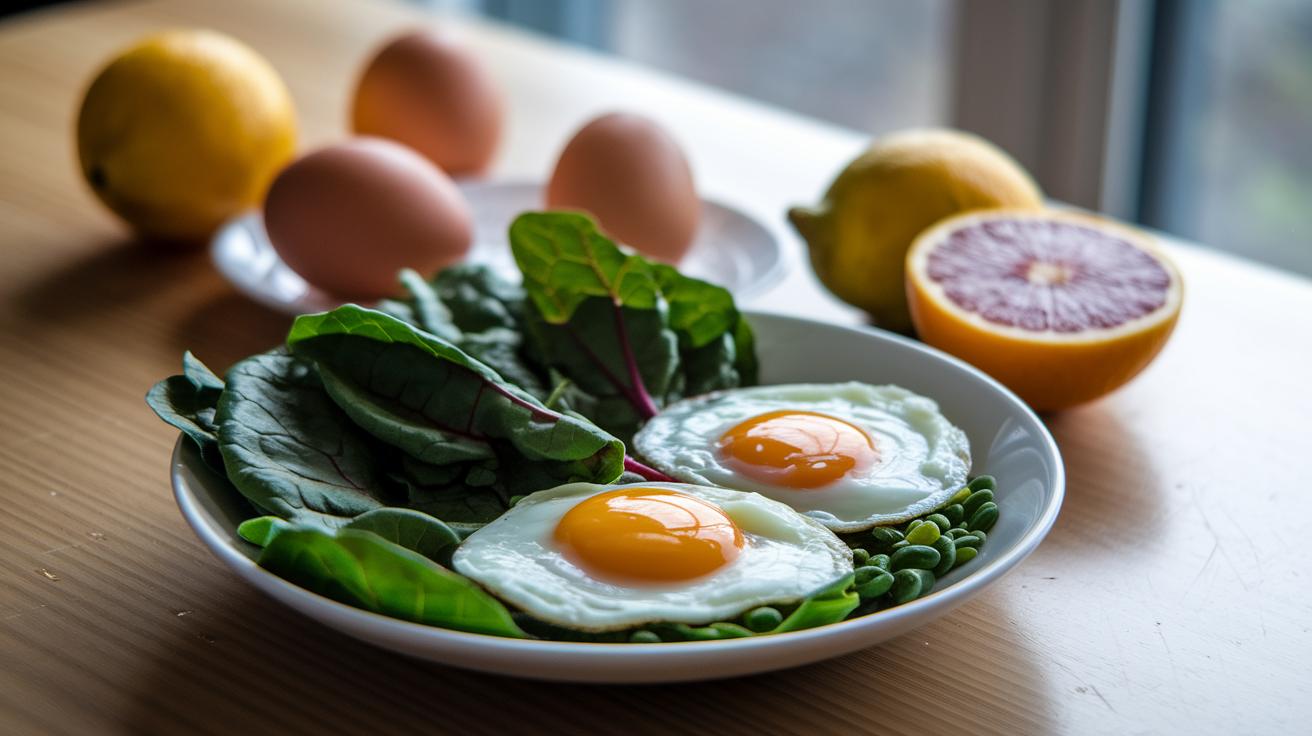
Folate, choline, and B vitamins are like little helpers that build your baby's brain. For example, about 600 micrograms of folate each day can help prevent problems with the neural tube and support how our genes work. Choline, which you’d want to get around 450 milligrams daily, is important for making new brain cells and can boost memory centers, like the hippocampus. And vitamin B12 along with other B vitamins, taken in about 2.6 micrograms a day, help create the messengers that let brain cells talk to each other, which is essential for growth and development.
You can find these important vitamins in everyday foods. Think of adding more leafy greens, beans, eggs, fortified cereals, and poultry to your meals. Sometimes, life gets busy, and it might be hard to cover all these bases with food alone. In those moments, a supplement can work like a safety net, ensuring your little one still gets all the essential nutrients, even when your day is full of surprises.
Iron, Zinc, and Trace Minerals Strategies for Neurogenesis
During pregnancy, special minerals team up to help your baby’s brain grow strong and healthy. Iron (27 mg/day) carries oxygen and helps keep your baby's nerves well protected. Zinc (11 mg/day) lends a hand with building DNA and encouraging new nerve cells. Iodine (220 µg/day) supports the hormones that guide brain development, and selenium (60 µg/day) shields delicate brain tissues with its antioxidant touch. Each of these minerals plays an important role in building a solid foundation for your baby’s brain.
- Iron: A boost of vitamin C can help iron absorb better, but remember that phytates and tannins might hold it back.
- Zinc: Enjoying foods rich in vitamin C can help zinc do its job, although too many phytates may slow it down.
- Iodine: Pairing iodine with a bit of vitamin C makes it more effective, even though tannins could reduce its uptake.
- Selenium: Like the others, selenium benefits from vitamin C, while high-phytate foods could limit its absorption.
Pair your mineral-rich foods with fruits or vegetables high in vitamin C to make the most of each nutrient. Try to balance your meals by including both the minerals and a splash of vitamin C. Also, watching how much whole grains or tea you have, since they contain phytates and tannins, can make a real difference in how well your body takes in these precious nutrients, nurturing your baby’s developing brain.
Meal Planning Tactics and Nutrient Timing for Brain Structure
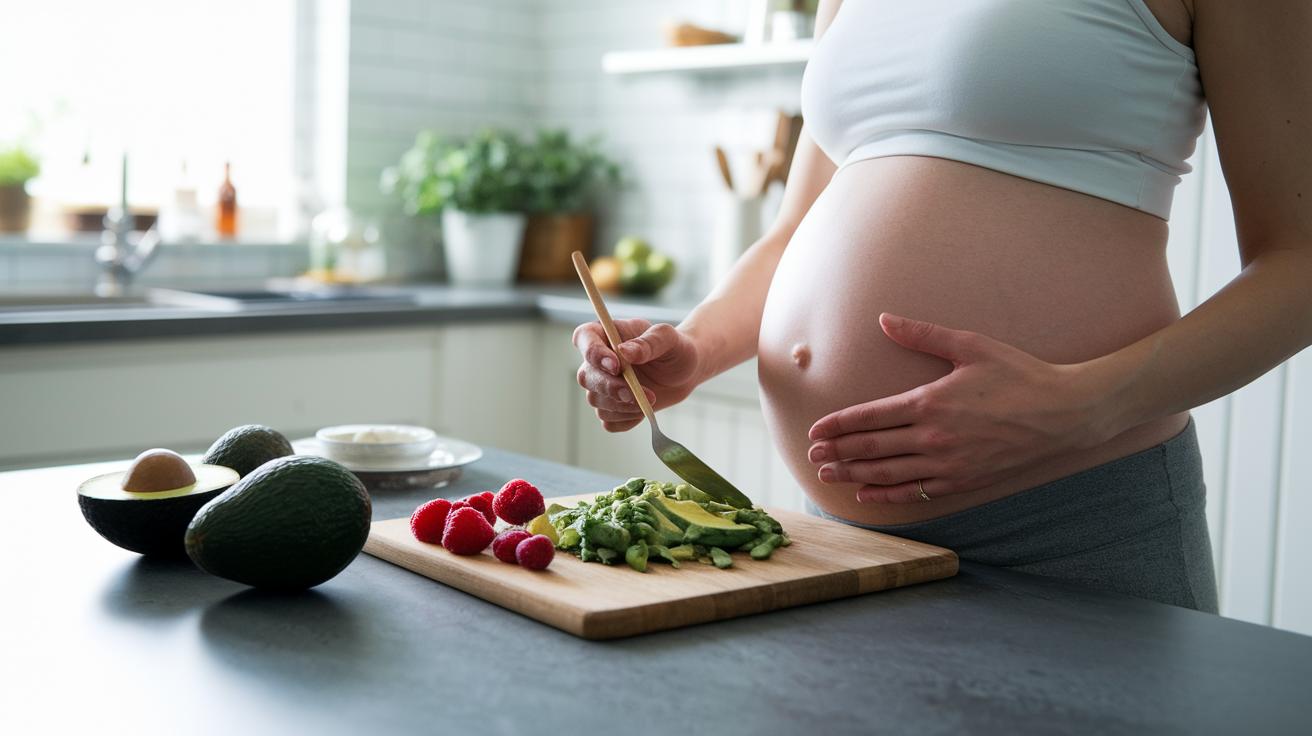
During pregnancy, having small, regular meals doesn’t just calm your tummy, it also helps keep your energy up for you and your baby. Eating on a schedule means that the important nutrients are always there to help your baby’s brain grow. When you plan your meals right, it keeps your blood sugar steady and avoids those unwanted energy dips. For example, enjoying vitamin D with a little avocado (a healthy fat) makes it easier for your body to use. In truth, a regular meal plan gives your baby the best building blocks for brain development.
| Meal | Time | Menu | Key Nutrients |
|---|---|---|---|
| Breakfast | 7:00 AM | Whole grains with fruit | Carbs, fiber, vitamins |
| Mid-morning | 10:00 AM | Yogurt and berries | Protein, calcium |
| Lunch | 12:30 PM | Plate with lean protein and veggies | Protein, complex carbs |
| Dinner | 6:30 PM | Whole grains, veggies, and healthy fats | Fats, vitamins, minerals |
| Bedtime Snack | 9:00 PM | Protein smoothie or nuts | Protein, healthy fats |
Every mom is unique, so feel free to tweak this schedule to fit your day. Maybe starting the morning with a light snack like toast with some nut butter works better than a heavy breakfast. If you feel hungry often or a bit off, adding an extra snack might be the answer. Some days you might need a little boost in the afternoon, while other days, a later dinner suits you best. Try out different timings and see what feels right for your digestion and energy. This flexible plan is just a starting point to help you feel well-cared for, so both you and your baby get the nourishment you need.
Prenatal Nutrient Benchmark Guidelines for Optimal Brain Health
ACOG and WHO say that during pregnancy, moms should aim for daily amounts of key nutrients. You’ll want about 75 g of protein, 600 µg of folate, 27 mg of iron, 1000 mg of calcium, 200–300 mg of DHA (a brain-friendly fatty acid), and 600 IU of vitamin D. These nutrients help your baby’s brain grow strong and healthy.
Studies show that when moms eat a balanced, quality diet especially early in pregnancy, their babies often have larger brain volumes and improved thinking skills later on. These guidelines also help care providers give advice that fits each mom’s own eating habits.
Here's a fun fact to start: Before she became famous, Marie Curie used to carry little bottles of radioactive material in her pockets, she had no idea how dangerous they were!
| Nutrient | Pregnancy RDA | Top Food Sources |
|---|---|---|
| Protein | 75 g/day | Lean meats, legumes |
| Folate | 600 µg DFE | Leafy greens, beans |
| Iron | 27 mg/day | Red meat, fortified cereals |
| Calcium | 1000 mg/day | Dairy, fortified plant milk |
| DHA | 200–300 mg/day | Fatty fish, algae oil |
| Vitamin D | 600 IU/day | Fortified milk, egg yolks |
Keeping track of your daily nutrients with a simple food diary or an app can really help you stay on track. Working with your care provider makes it easier to see where your diet might need a little boost, and they can guide you on safe supplement choices to help you meet these important benchmarks.
Final Words
In the action, we've seen how maternal nutrition for fetal brain development shapes your baby's growth and well-being. The post walked through key topics, from balanced macros and omega-3 fatty acids to folate and trace minerals, each playing its part in building a strong foundation.
Step-by-step, you learned simple meal planning tactics and nutrient timing tips that fit into everyday life. Small changes in your diet can make a big impact on your baby's future brain health. Stay confident and keep nurturing that bond.
FAQ
How can I improve baby brain development during pregnancy?
Improving baby brain development during pregnancy involves eating a balanced diet rich in protein, omega-3 fatty acids, and essential vitamins throughout each trimester to support neural growth and overall brain structure.
Which month is most important for baby brain development during pregnancy?
Baby brain development is especially sensitive during the first trimester, setting a strong foundation, though mid-gestation also plays a key role in brain growth that continues into early childhood.
How does maternal nutrition affect fetal health and brain development?
Maternal nutrition affects fetal health and brain development by providing the necessary nutrients for converting energy into neurodevelopment processes, helping form brain structures and supporting cognitive skills later in life.
What should I eat to boost my baby’s brain development during pregnancy?
Eating foods like leafy greens, eggs, fish, and fortified cereals offers proteins, omega-3 fatty acids, folate, and choline that promote the growth and development of your baby’s brain.
What nutrients are required for optimal fetal brain development?
Optimal fetal brain development requires omega-3 fatty acids (such as DHA), folate, choline, proteins, and other vital vitamins to support myelination, neurotransmitter synthesis, and overall neural growth.